
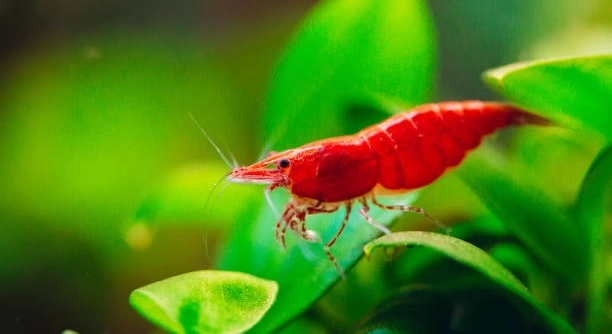
Cherry shrimp are small, colorful freshwater creatures often kept in home aquariums. Many shrimp owners enjoy watching their activity, but they may notice unusual behaviors and wonder about the sounds these tiny animals produce.
Cherry shrimp do not produce audible sounds. Their communication relies on subtle movements, chemical signals, and visual cues rather than noises. Observations and research indicate that any “clicking” or vibration is either external or from water movement, not from the shrimp themselves.
Understanding how cherry shrimp interact without sound can help you create a better environment and enjoy their fascinating behaviors more fully.
How Cherry Shrimp Communicate
Cherry shrimp rely on movement and body language to interact. They use subtle gestures like flicking their antennae or waving their legs to signal feeding times or to establish territory. Chemical signals in the water help them identify each other, especially during mating. Watching them closely reveals tiny patterns of behavior that indicate mood or activity. These signals are silent but effective, allowing shrimp to coexist in small tanks without stress. Even the way they swim or cling to plants can carry meaning. Their colors sometimes shift slightly, showing health or readiness to mate. Understanding these behaviors can make aquarium care easier and more satisfying. Observing these tiny details adds depth to keeping shrimp, and noticing these silent communications is surprisingly rewarding. Cherry shrimp are quiet creatures, but their interactions are rich and complex, giving owners plenty to observe.
The lack of sound does not limit their social interactions, making their communication subtle yet effective.
Recognizing chemical and visual cues is key. Their antennae touch and move to sense surroundings, while body posture signals intentions. Even slight changes in color can indicate stress or excitement. By paying attention, you can anticipate feeding needs and understand hierarchy in your tank. Silent communication keeps the group calm and organized, preventing unnecessary conflict.
Common Misunderstandings About Shrimp Noise
Many people assume tiny aquarium creatures make sounds, but cherry shrimp do not.
Sounds in a tank often come from pumps, filters, or gravel movement. Cherry shrimp are too small to create noise themselves. Any bubbling, clicking, or gurgling is environmental. Shrimp may disturb plants or substrate, producing water vibrations, but these are not intentional noises. Understanding the difference between actual shrimp sounds and background tank noise helps owners avoid confusion. Proper tank setup minimizes startling sounds, keeping shrimp comfortable. Observing shrimp closely while noting tank noises helps clarify what is natural behavior versus external factors.
Owners sometimes report hearing noises during feeding or cleaning. These sounds are typically caused by tools, water movement, or other aquatic animals. Cherry shrimp themselves do not generate audible signals, so any perceived noise should be attributed to surroundings rather than the shrimp. Even when active, their movements are too gentle to be heard above normal tank sounds. By focusing on visual cues, owners can better understand shrimp behavior without expecting sound as a communication tool. This also highlights the importance of tank maintenance, ensuring the environment remains calm and clear for observation. Watching their subtle gestures and interactions offers insight into their daily routines, from foraging to resting, providing a more accurate understanding of their needs.
Tank Setup and Noise
Proper tank setup reduces any misinterpreted noises. Using soft substrate, gentle filtration, and quiet pumps helps maintain a calm environment. Decorations and plants also absorb vibrations, making the tank quieter. Avoid overcrowding to prevent excessive movement that can create sound.
Choosing the right filter is important. High-flow filters can create strong currents, causing water to splash and produce noise. Sponge filters are gentle and maintain water quality without startling the shrimp. Gravel should be smooth to prevent scraping sounds when shrimp move. Floating plants can break surface tension and reduce bubbling noises. A quiet tank benefits both the shrimp and your enjoyment, making it easier to observe their natural behaviors without distractions from external disturbances.
Water changes and maintenance routines impact perceived noise. Sudden refilling or strong jets from hoses can create vibrations that seem like noise from shrimp. Performing gentle water changes, using a siphon, and adding water slowly reduces these effects. Decorations should be placed carefully to prevent scraping against glass. Even feeding can create subtle sounds if food hits hard surfaces. Minimizing these external noises ensures that cherry shrimp remain comfortable and behave naturally. Observing their quiet interactions becomes more rewarding when the tank is calm and free from unnecessary disturbances.
Feeding and Activity
Cherry shrimp are more active during feeding, which may look like noise but is only movement. Providing small portions keeps activity manageable and prevents substrate disruption.
Shrimp gather quickly when food is added, waving their antennae and picking up particles. Uneaten food can settle and decompose, creating minor bubbles or vibrations, which are often mistaken for shrimp making sounds. Feeding smaller amounts allows shrimp to forage naturally without stirring the substrate too much, keeping the tank calm. Timing feeding consistently helps shrimp establish a routine, reducing frantic movement and potential disturbances in the tank.
Overfeeding can lead to extra activity and water agitation. Excess food settles on plants and gravel, causing shrimp to stir more as they search for particles. This movement may create bubbling or scraping noises, often misinterpreted as shrimp sounds. Monitoring portion sizes ensures they eat efficiently, leaving minimal waste. Observing their feeding patterns reveals subtle behaviors like antennae flicking, leg movements, and group dynamics. Understanding these cues enhances appreciation of their silent communication, allowing you to maintain a peaceful and organized tank while keeping shrimp healthy and active.
Shrimp Molting and Movement
Molting is a natural process where cherry shrimp shed their exoskeleton. During this time, they may move carefully or hide. These subtle movements are sometimes mistaken for noise but remain completely silent.
Freshly molted shrimp are delicate and slower. Avoid handling them, as their soft bodies are vulnerable. Movement is gentle, and any vibrations in the tank are caused by water or tank equipment, not the shrimp themselves.
Environmental Factors
Temperature, water flow, and tank size affect shrimp activity. Higher temperatures can make shrimp more active, increasing movement that might stir water or substrate. Proper tank conditions ensure calm, predictable behavior and reduce mistaken noise observations.
Observing Shrimp Behavior
Watching shrimp closely shows they communicate mostly through gestures and chemical signals. Antennae movements, posture, and subtle body shifts are their main ways of interacting.
Misinterpreting Tank Sounds
Tank equipment often causes sounds mistaken for shrimp noise. Filters, air pumps, and water movement create bubbling, clicking, or splashing that can seem like the shrimp are making sounds, but it is always environmental.
FAQ
Do cherry shrimp make any sound at all?
Cherry shrimp do not produce audible sounds. Their tiny size and soft bodies prevent them from generating noise. What might seem like sounds usually comes from water movement, substrate disturbance, or equipment in the tank. Observing their movements closely shows all communication is visual or chemical, not auditory.
Why does my tank seem noisy when shrimp are active?
Most tank noises are environmental. Filters, air pumps, bubbling, or water flowing over decorations can create clicking, gurgling, or splashing sounds. Even feeding can stir gravel and plants, causing minor vibrations. Cherry shrimp are too small to create audible noise themselves, so these sounds are always external.
Can I prevent these noises in my aquarium?
Yes. Using soft substrates, quiet filters, and gentle water flow reduces disturbances. Adding floating plants or decorations can absorb vibrations. Feeding smaller portions minimizes substrate movement. Regular maintenance without sudden splashing helps keep the tank calm, making it easier to focus on shrimp behavior.
Do cherry shrimp communicate with each other?
Yes, but silently. They rely on chemical signals in the water, gestures, and slight body movements. Antennae touching and leg waving help them identify others, signal feeding, or show readiness to mate. Color changes can also indicate stress or mating readiness. Observing these cues allows understanding of their interactions.
Why do shrimp move so quickly sometimes?
Quick movements are usually reactions to environmental changes or feeding excitement. Sudden light, temperature shifts, or water vibrations can make them dart. While it might seem noisy, these are visual responses. Proper tank conditions reduce stress and keep movements more predictable and gentle.
Is it normal to see shrimp hiding often?
Yes. Hiding is common during molting, stress, or when adjusting to new environments. They seek cover in plants or decorations. This behavior is natural and not related to noise, though sudden movements might create minor water disturbances.
Do shrimp make vibrations I can feel in the tank?
Shrimp movements are too light to create perceivable vibrations. Any shaking or tapping felt usually comes from water flow, tank equipment, or larger aquatic animals. Cherry shrimp are silent and subtle, so what feels like vibration is always external.
How do I know my shrimp are healthy without hearing them?
Visual observation is key. Bright colors, active foraging, smooth molting, and regular interactions indicate health. Lack of activity, faded colors, or irregular molting can signal issues. Focusing on their movements and behaviors allows owners to monitor well-being without relying on sound.
Can stress make shrimp “noisy”?
Stress affects behavior, not sound. Stressed shrimp may move faster, hide more, or scrape against surfaces, which can create water disturbances. The noise isn’t from them; it’s from water and substrate movement. Reducing stress through proper water conditions, hiding spots, and gentle handling keeps shrimp calm.
Do baby shrimp make noise?
Baby cherry shrimp, or shrimplets, are even smaller and quieter. Their movements are imperceptible, and they rely on the same silent communication as adults. Any perceived noise in a tank with babies is always environmental or caused by feeding, plants, or equipment.
Can I use tank noise to monitor shrimp activity?
No, tank noise isn’t a reliable indicator. Equipment and water flow generate most sounds. Instead, watch for visual cues, like antennae movement, body posture, and foraging patterns. These behaviors provide accurate insight into activity and health without expecting audible signs.
How do I minimize mistakes in thinking shrimp are noisy?
Observe the tank carefully. Note which noises occur when feeding, cleaning, or adjusting equipment. Compare with shrimp activity. Over time, you’ll distinguish environmental sounds from shrimp movements. Using soft substrates, gentle filters, and proper tank setup reduces false impressions of noise.
Are there any situations where shrimp could make noise?
In normal conditions, no. Their anatomy doesn’t allow sound production. Only extremely rare scenarios, like collision with larger objects, might cause a tiny splash, but it’s not intentional communication. All typical tank sounds come from the environment, not the shrimp themselves.
Does water temperature affect perceived noise?
Yes, indirectly. Higher temperatures increase shrimp activity, which can stir gravel or plants, causing more water movement. It may seem like noise, but the shrimp are still silent. Keeping water temperature stable ensures calmer behavior and fewer external disturbances.
What equipment is most likely to be mistaken for shrimp noise?
Filters, air stones, water pumps, and bubbling from decorations are the main sources. Even gravel shifting during cleaning can create sounds. Cherry shrimp themselves remain silent, so distinguishing equipment noise from behavior is important for proper observation and care.
Can lighting changes make shrimp appear noisy?
Lighting itself doesn’t create sound, but sudden light changes can startle shrimp, causing them to move quickly. This movement may stir water or substrate, producing sounds, which are still environmental, not shrimp-generated. Gradual lighting adjustments reduce startling behaviors.
How can I enjoy shrimp without expecting sound?
Focus on visual cues and behaviors. Watching antennae, color changes, and swimming patterns provides insight into mood, health, and interaction. Quiet observation highlights their subtle communication and makes caring for them satisfying without relying on sound.
Does tank size influence perceived noise?
Yes. Smaller tanks amplify water movement and filter sounds, making any motion seem louder. Larger tanks disperse movement, reducing perceived noise. Understanding how tank size interacts with water dynamics helps maintain a calm environment.
Are there other ways shrimp show stress silently?
Yes. Curling, hiding, or clustering in corners are silent stress signals. Color fading and reduced activity also indicate discomfort. Recognizing these behaviors allows prompt adjustments without relying on sound cues.
Can I record shrimp noise for analysis?
No meaningful recordings exist because they do not produce sound. Any audio captured will reflect tank equipment, water flow, or interactions with other animals, not the shrimp themselves. Visual monitoring remains the only accurate method.
How do shrimp communicate during mating?
They release chemical signals and use subtle body movements. Antennae touching, posturing, and color shifts signal readiness. These are silent actions but highly effective, allowing shrimp to coordinate reproduction without any noise.
Is it ever necessary to worry about tank sounds affecting shrimp?
Only external noises from equipment or maintenance can startle them. Ensuring gentle filtration, minimal splashing, and careful handling helps maintain calm, but shrimp themselves do not create or react to sound in a conventional sense.
Do different shrimp species make noise?
Most small freshwater shrimp, including cherry shrimp, are silent. Larger species like some marine shrimp may produce minor clicks during specific behaviors, but cherry shrimp remain completely quiet under all normal conditions.
How can I track shrimp activity effectively?
Use observation logs, noting movement patterns, feeding times, and molting events. Focus on visual cues rather than sound. Consistent observation helps recognize healthy behavior and detect potential problems without relying on noise.
What should I do if I hear unexpected noises in the tank?
Investigate external sources like filters, pumps, or other inhabitants. Check substrate, decorations, and water flow. Cherry shrimp do not produce noise, so any sound indicates equipment, maintenance activity, or other tank inhabitants, not the shrimp themselves.
Are bubbles mistaken for shrimp sounds?
Yes. Air stones, filters, and plants can produce bubbles that pop or move water. These are common sources of perceived noise, but the shrimp remain silent, and the bubbling is purely environmental.
Do shrimp communicate differently at night?
Their communication remains visual and chemical, though movement patterns may change with lighting. Nighttime activity may increase or decrease depending on tank conditions, but it never produces sound. Observing under low light still shows silent interaction.
How can I reassure myself shrimp are active without sound?
Look for antennae flicking, foraging, molting, and swimming patterns. Color intensity and interaction with plants or other shrimp indicate engagement. Silent observation provides clear evidence of healthy activity without any auditory cues.
Can water quality affect shrimp movement and perceived noise?
Yes. Poor water conditions can make shrimp more restless, moving quickly and disturbing substrate. Maintaining proper pH, temperature, and cleanliness ensures calm behavior and reduces mistaken assumptions about shrimp noise.
Do shrimp respond to human voices?
No. Cherry shrimp cannot hear and rely on chemical and visual signals. Talking or tapping on the tank may cause vibrations, but any reaction comes from water movement, not sound perception.
Are there ways to enhance visual observation?
Yes. Use plants, decorations, and gentle lighting to make movements easier to see. Observing antennae flicks, color changes, and subtle gestures provides insight into social interactions and health without expecting sound.
Do shrimp ever fight or make aggressive noises?
Aggression is expressed visually, through posturing or chasing. No sound is produced. Observing body language provides insight into hierarchy or territorial behavior without relying on noise as a cue.
Can shrimp signals be missed if the tank is noisy?
Yes, environmental noise can distract observation but does not interfere with shrimp communication. Focusing visually ensures understanding of their subtle gestures and interactions.
How long should I observe to understand shrimp behavior?
Regular, short observation sessions are best. Watching antennae movements, feeding patterns, and social interaction over time builds familiarity with their silent communication, helping you notice small but important behaviors.
Are there tools to monitor shrimp without expecting sound?
Magnifying glasses, cameras, or aquarium logs help track activity. These emphasize visual cues, molting, feeding, and color changes, ensuring accurate monitoring without relying on nonexistent sounds.
Do shrimp react to vibrations in the water?
Yes, but reactions are visual. Vibrations may make them move or hide, but they do not produce sound in response. Understanding this helps distinguish between environmental effects and shrimp behavior.
Can shrimp adapt to a noisy household?
Yes, as long as vibrations and water disturbances are minimal. They respond to physical movement in the tank, not auditory noise. Quiet tank conditions make observation easier, but shrimp remain silent regardless of household noise.
Is it normal for shrimp to bump into objects?
Yes. Occasionally, shrimp touch plants, decorations, or substrate. Any resulting splash or movement is environmental, not a noise produced intentionally by the shrimp.
Do shrimp ever make clicking sounds underwater?
No. They lack the anatomy to create clicks or noises. Any perceived clicking comes from tank equipment, air bubbles, or interactions with substrate. Their communication remains silent and chemical-based.
Can shrimp “sing” or produce melodic noises?
No. Cherry shrimp do not have vocal cords or structures to produce sound. All communication is visual or chemical. Any water disturbances mistaken for singing are environmental.
Are shrimp more active during the day or night?
Activity patterns depend on light, feeding schedules, and tank conditions. While movement may increase, it remains silent. Observing antennae flicks, swimming, and foraging provides accurate insight into behavior without expecting sound.
Does tank cleaning create noise that affects shrimp?
Yes, cleaning can produce splashes and substrate shifts. Shrimp may react visually to movement but do not make sound. Gentle cleaning techniques reduce disturbances while keeping the tank healthy and calm.
Do shrimp need sound for mating cues?
No, mating relies entirely on chemical signals, body movements, and color changes. Sound is not involved in any reproductive behavior, so quiet observation reveals all necessary cues.
Can I hear shrimp if I tap the tank?
No. Tapping creates water vibrations that may startle them, but they remain silent. Any noise you hear comes from water or tank materials, not the shrimp themselves.
Are shrimp more active in planted tanks?
Yes, they explore plants for food and cover. This increased movement may disturb substrate, causing minor environmental sounds. The shrimp themselves remain silent, so perceived noise comes from water or gravel movement.
Do shrimp communicate differently when alone?
Without other shrimp, they still use chemical and visual cues, mostly for foraging and sensing the environment. Silence remains, but behavior can change slightly due to lack of social interaction.
How can I tell if a tank sound is normal?
Observe when noises occur. Bubbling, filter gurgling, and water movement are standard. Compare with shrimp activity—any sound coinciding with equipment or water changes is environmental, not produced by the shrimp.
What is the best way to enjoy shrimp observation?
Focus on visual behaviors like feeding, antennae movement, and color changes. Recognizing silent communication and natural interactions offers a richer understanding than expecting audible signs. Observation becomes rewarding when based on movement and behavior, not sound.
Do shrimp ever vocalize like fish or frogs?
No. Cherry shrimp do not produce vocal sounds. Unlike some aquatic animals, their communication is entirely silent, relying on gestures and chemicals. Any noise in the tank is always external.
Can vibrations in the water simulate sound for shrimp?
Yes, vibrations may startle them, causing movement, but no noise is produced. Understanding this distinction helps maintain calm observation and accurate interpretation of their behavior.
Is it possible to train shrimp using sound?
No. Shrimp cannot hear and do not respond to sound. Training relies on visual or chemical cues, such as feeding patterns or environmental changes, not noise.
Do shrimp react differently in large groups?
Yes, interactions may increase, including antennae touching and synchronized foraging. Movement may stir water or substrate, but no sound is produced. Observing these group dynamics visually reveals social behavior without expecting noise.
Can tank size change shrimp communication methods?
No, size affects movement and perception but not communication. They remain silent, relying on chemical and visual cues regardless of tank dimensions. Larger tanks may disperse movements, reducing perceived disturbances.
How do I know my shrimp are thriving without sound?
Check color, activity, feeding efficiency, and molting frequency. Healthy shrimp are vibrant, active, and interact naturally. Silent observation allows clear monitoring, making noise unnecessary for assessing well-being.
Are there any exceptions where shrimp make sound naturally?
No, cherry shrimp cannot produce sound under natural or captive conditions. Any noise perceived in an aquarium environment is from water movement, equipment, or substrate disturbances.
Do other tank inhabitants affect perceived shrimp noise?
Yes. Fish or snails moving in the tank can create splashes or substrate movement. Cherry shrimp remain silent, so any noise caused by companions is external, not from the shrimp.
Can shrimp sense vibrations from outside the tank?
Yes, but responses are visual, not auditory. They may dart or hide if vibrations disturb the water. Sound itself is irrelevant; only physical disturbance affects their behavior.
Do shrimp produce sound during molting?
No. Molting is silent. They may move carefully, and water disturbances are minimal, so any perceived noise comes from interaction with substrate or decorations, not the shrimp.
Is it normal to hear water gurgling after adding shrimp?
Yes. Changes in water flow or movement may create sounds, but the shrimp remain silent. Any gurgling or bubbling comes from water dynamics, not the animals themselves.
Do shrimp react to loud household noises?
No. They cannot hear. Reactions are only to vibrations or water movement. Loud sounds outside the tank do not affect their behavior directly.
How can I distinguish shrimp movement from tank noise?
Observe when noise occurs relative to feeding, cleaning, or equipment operation. Visual cues like swimming, antennae movement, and substrate interaction indicate shrimp activity. Anything else causing sound is environmental.
Are shrimp more visible in silent tanks?
Yes. A calm, quiet tank makes visual observation easier. Since they communicate silently, minimizing equipment noise and water disturbances allows you to notice subtle behaviors and interactions more clearly.
Can shrimp detect sound waves?
No, they lack auditory structures. They only sense water vibrations through touch and respond visually. Sound perception is not part of their biology.
Do shrimp ever communicate with humans?
Not through sound. They respond to visual and chemical cues, such as food placement or tank activity, but do not produce or interpret noise in any form.
Can shrimp learn from tapping the tank?
No. They cannot hear, so tapping only creates water movement. Any response is to vibration, not sound, and learning is based on environmental cues rather than noise.
Are tank vibrations harmful to shrimp?
Mild vibrations are generally harmless but can startle them temporarily. Sudden, strong disturbances may stress them, so maintaining gentle conditions is best. Noise itself is irrelevant; only physical movement matters.
Do shrimp make noise when eating?
No. Picking up food is silent. Any sound comes from food hitting the substrate or water movement during feeding, not the shrimp themselves.
Can shrimp interact silently with other species?
Yes. Interactions are visual and chemical. They may forage near fish or snails without producing sound, relying entirely on movement and water cues to coexist peacefully.
Does tank shape influence perceived noise?
Yes. Narrow tanks may amplify water movement and filter sounds, while wider tanks disperse motion. The shrimp themselves remain silent regardless of tank design.
Are shrimp more active in planted or bare tanks?
Planted tanks encourage exploration and hiding, increasing movement. Bare tanks limit cover, changing behavior. Any resulting noise is from water disturbance, not shrimp sound production.
Do shrimp ever make clicking or popping sounds?
No. Any clicking or popping is always from water, substrate, or equipment. Cherry shrimp remain silent under all normal conditions.
Is it necessary to record shrimp noise for research?
No. All research relies on visual observation, chemical analysis, or behavior tracking, not sound, since they do not produce audible signals.
Can vibrations from tapping feeding containers affect shrimp?
Yes, they may react visually to water vibrations, but no sound is produced. Observing their response helps understand behavior without expecting noise.
Do shrimp react to aquarium decorations moving?
Yes, slight movement may startle them, causing them to swim or hide. Any noise created comes from water or substrate, not the shrimp.
Is it normal for shrimp to crowd in one area silently?
Yes. They may gather around food or hiding spots. This is a normal social behavior and produces no noise.
Can shrimp adapt to noisy pumps or filters?
Yes. They respond to physical vibrations, not sound. Gentle equipment and proper placement reduce stress, though noise itself does not affect them.
Are there signs of stress visible without noise?
Yes. Color fading, reduced activity, hiding, or erratic swimming indicate stress. Observing these visual cues is more important than listening for nonexistent sounds.
Do shrimp react to vibrations from taps or footsteps?
Yes, indirectly. Strong vibrations in the water can cause movement, but these are visual reactions, not sound perception.
Can tank bubbles mimic shrimp noise?
Yes, bubbling air stones, filters, or water movement can create sounds that might be mistaken for shrimp noise. The shrimp remain silent.
Do shrimp make noise during molting or mating?
No. Molting and mating behaviors are completely
Cherry shrimp are fascinating little creatures that bring color and life to a tank. They are entirely silent, and any noise in an aquarium comes from the water, equipment, or substrate. Understanding this is important for anyone keeping these shrimp because it helps avoid confusion. Observing their behavior requires patience and attention to subtle cues like antennae movements, color changes, and body postures. These tiny gestures are how cherry shrimp communicate and interact with one another. Watching them move across plants, forage for food, or explore hiding spots shows a delicate and organized social system, even without any sound. For many owners, recognizing these silent interactions can be just as rewarding as listening to more vocal pets.
A calm tank environment makes observing cherry shrimp much easier. Choosing the right substrate, quiet filters, and gentle water flow reduces unnecessary disturbances that might be mistaken for shrimp noises. Decorations and plants also play a role in absorbing vibrations and creating a peaceful habitat. Feeding routines can influence activity, but even when shrimp move quickly during meals, they are not producing sound. By offering small portions and watching how they gather and forage, owners can learn a lot about their natural behavior. Regular tank maintenance done carefully also minimizes splashing and substrate noise, allowing shrimp to behave naturally. These steps help create an environment where shrimp remain healthy and visible while reducing false assumptions about them making noise.
Observing cherry shrimp over time reveals how complex their silent communication is. Chemical signals in the water, gestures, and movement patterns convey messages about feeding, mating, and territory. They respond to environmental changes, water vibrations, and tank conditions, but never through sound. Learning to notice these visual cues and subtle behaviors is key to understanding and caring for them. Their quiet presence can be calming and rewarding for aquarium owners, providing an opportunity to connect with the tiny details of aquatic life. Ultimately, cherry shrimp do not make noise, but they communicate effectively in their own unique and silent way, showing that even the smallest creatures can be fascinating when watched closely.

Hello,
If you enjoy the content that we create, please consider saying a "Thank You!" by leaving a tip.
Every little bit helps us continue crafting quality advice that supports the health, happiness, and well-being of pets around the world, for pets of all shapes, sizes, and species.
We really appreciate the kindness and support that you show us!