
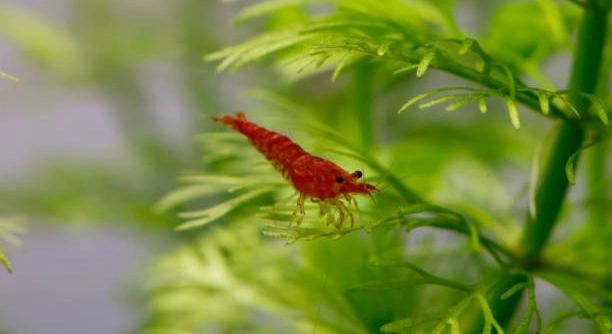
Are your cherry shrimp avoiding the new plants in your aquarium despite your careful setup? Many shrimp owners notice this behavior and wonder why their additions are being ignored, even when everything seems perfect for their tiny pets.
Cherry shrimp often ignore new plants due to unfamiliarity, lack of biofilm, or stress from recent changes in their environment. Gradual acclimation and introducing plants with established biofilm can encourage shrimp interaction and feeding behavior.
Understanding these simple adjustments can make your shrimp more comfortable and active in their habitat, improving both plant growth and shrimp well-being over time.
Why Cherry Shrimp May Avoid New Plants
When I first added new plants to my tank, my cherry shrimp completely ignored them. Shrimp often react to new additions slowly because they rely on biofilm for food, which takes time to form on fresh leaves. They also feel vulnerable in unfamiliar areas, especially if the plants are tall or dense, making it harder for them to explore safely. Temperature and water parameters play a role too; even small changes can make shrimp hesitant to leave their familiar spots. By observing their behavior, I realized that patience and careful monitoring were key. Adding small amounts of established plants with healthy biofilm helped them gain confidence. Slowly, the shrimp began exploring, grazing on surfaces, and eventually using the new plants as part of their routine. Avoiding sudden rearrangements and giving the tank time to stabilize encourages more natural behavior. Shrimp need consistency and gentle changes to feel secure and interact with their environment.
Gradually introducing plants with some biofilm allows shrimp to feel safe and encourages them to explore new areas.
Over time, I noticed a clear pattern. Shrimp started cautiously visiting the new plants for a few minutes each day. Eventually, they spent longer periods grazing, which meant the biofilm was forming and becoming a familiar food source. Using smaller plant sections at first made the shrimp feel less exposed. Observation is key—some shrimp may adapt faster, while others need more time. By keeping the environment stable and adding plants gradually, they began integrating them into their daily activity, showing that consistent care and patience directly influence shrimp comfort and feeding habits.
Encouraging Interaction With New Plants
Starting with smaller, easy-to-reach plants helps shrimp explore without stress.
Patience and gradual acclimation are essential. Shrimp respond best when new plants are introduced slowly, allowing biofilm to develop and familiar scents to spread. Observing shrimp behavior and limiting sudden changes ensures they feel secure. Offering plant sections in different areas of the tank can promote natural grazing. Some shrimp may prefer shaded or low-traffic zones, while others explore open spaces. By paying attention to these patterns, it becomes easier to guide their interaction. Additionally, maintaining consistent water parameters reduces stress and supports overall shrimp health. Over time, shrimp begin to recognize new plants as part of their environment, leading to more consistent grazing and activity. This approach emphasizes observation, patience, and incremental changes, creating a balanced habitat where shrimp feel confident and plants thrive naturally.
Common Reasons Shrimp Ignore Plants
Shrimp may avoid new plants due to stress from changes in water parameters, lack of biofilm, or plants being placed in high-traffic areas. They prefer familiar surroundings and established surfaces for grazing. Patience and observation are key to encouraging interaction.
When I added new plants, I noticed my shrimp sticking to their old favorite areas. They avoided the new plants for several days, even when water conditions were stable. Over time, the biofilm on the new leaves grew, and shrimp slowly began exploring them. Shy shrimp tended to stay hidden until they felt secure, while more adventurous shrimp tried the new plants sooner. Temperature stability, gentle water movement, and gradual plant placement all contributed to their comfort. Introducing plants in small sections helped shrimp adapt without feeling exposed or stressed.
Providing plants with existing biofilm or seeding them with algae before adding them to the tank can significantly speed up shrimp interaction. By allowing surfaces to develop a natural food layer, shrimp begin grazing more quickly. Choosing plants that match their existing environment also helps reduce stress. Placement matters: lower or shaded areas encourage exploration, while tall, exposed plants can make shrimp hesitant. With gradual adjustments and careful observation, shrimp adapt naturally, interacting with new plants and maintaining healthy feeding patterns.
Adjusting Tank Conditions to Promote Grazing
Stable water parameters and temperature help shrimp feel safe and more willing to explore new plants. Gradual changes prevent stress.
I learned that even slight fluctuations in pH or temperature could make my shrimp hide from new plants. By monitoring water conditions closely and keeping them consistent, shrimp began exploring more quickly. I also noticed that moderate lighting and gentle water flow encouraged grazing, as overly strong currents or bright light can make shrimp retreat. Providing a few hiding spots near new plants gave them confidence to venture out. Over time, consistent conditions, patience, and small adjustments helped shrimp recognize new plants as part of their environment. These careful steps promoted more natural activity and feeding behavior.
Gradual Plant Introduction
Introducing new plants in small sections helps shrimp feel less exposed. They are more likely to explore when the plants are close to familiar areas of the tank. Gradual placement reduces stress and encourages natural grazing behavior.
Observing shrimp behavior during the first few days is crucial. Some may approach quickly, while others need more time. Moving plants slowly and keeping them stable allows shrimp to adapt without feeling threatened, promoting steady interaction with new surfaces.
Importance of Biofilm
Shrimp are attracted to plants that already have biofilm or algae. Fresh plants may be ignored until a natural layer develops, providing a food source. Ensuring new plants have some pre-existing growth encourages shrimp to interact more quickly and reduces hesitation.
Optimal Plant Placement
Placing new plants near hiding spots or shaded areas increases shrimp confidence. Exposure to open spaces may cause them to avoid new additions.
FAQ
Why are my cherry shrimp avoiding new plants?
Shrimp often avoid new plants because the surfaces are unfamiliar and lack biofilm, their primary food source. They may also feel stressed by recent changes in water parameters or tank layout. Introducing plants gradually and allowing biofilm to develop encourages shrimp to explore and feed naturally.
How long does it take for shrimp to start interacting with new plants?
It depends on the plant and tank conditions. Shrimp may take a few days to a couple of weeks to explore new additions. Smaller, well-placed plants in areas they already frequent tend to be explored sooner. Patience is important, as rushing changes can increase stress.
Can water parameters affect shrimp behavior toward plants?
Yes. Shrimp are sensitive to pH, temperature, and general water quality. Even minor fluctuations can make them hide or avoid new areas. Keeping water stable and consistent helps shrimp feel safe and encourages them to interact with newly added plants.
Should I clean new plants before adding them to the tank?
Rinsing new plants gently in tank water is recommended to remove pesticides or debris, but avoid harsh cleaning. Over-cleaning can remove beneficial microorganisms that help biofilm develop, which shrimp rely on as a food source.
Does lighting impact shrimp exploration of plants?
Lighting can affect shrimp behavior. Bright light may make them feel exposed and less likely to explore new plants. Moderate, diffused lighting and shaded areas help shrimp feel safe, encouraging grazing and interaction with plant surfaces.
Can shrimp adapt faster if the plants already have algae?
Yes. Plants with pre-existing biofilm or algae attract shrimp more quickly because they provide a ready-to-eat food source. Seeding new plants with a small amount of biofilm from established tank surfaces can help shrimp start grazing immediately.
Does plant size matter for shrimp interaction?
Smaller or low-lying plants are generally more approachable for shrimp than tall, dense plants. They feel safer when new additions are within their usual range and not in open, exposed areas. Gradually introducing larger plants can help them adapt without stress.
How do hiding spots influence shrimp behavior with new plants?
Hiding spots, like moss, rocks, or decorations near new plants, give shrimp confidence to explore. Shrimp are more likely to interact with new additions when they have a nearby retreat. This makes grazing safer and encourages more natural activity.
Should I rearrange my tank to make new plants more accessible?
Avoid major rearrangements. Sudden changes can stress shrimp and make them avoid new plants. Gradual placement near familiar areas is more effective. Observation and small adjustments over several days help shrimp adapt without feeling threatened.
Can shrimp health affect their interaction with new plants?
Yes. Weak or stressed shrimp are less likely to explore. Maintaining optimal nutrition, stable water parameters, and a calm environment supports overall health, which in turn encourages normal behavior with new plants.
Is it helpful to add food near new plants?
Adding a small amount of shrimp food near new plants can attract them. It helps associate the area with safety and feeding opportunities, increasing their confidence to explore and graze on the plant surfaces.
Do all shrimp respond the same way to new plants?
No. Individual shrimp vary in behavior. Some are naturally cautious, while others are more adventurous. Observing your specific shrimp and adjusting plant placement, lighting, and tank conditions accordingly will help each one adapt.
How often should I check shrimp behavior with new plants?
Daily observation is ideal, especially during the first week. Note how shrimp interact, which areas they avoid, and any signs of stress. This information helps guide placement, acclimation, and adjustments for better integration.
Can introducing multiple new plants at once be a problem?
Yes. Adding too many plants simultaneously can overwhelm shrimp. Introducing plants gradually allows shrimp to explore each one safely, reducing stress and improving the chances they will interact with all new additions.
Does water flow around new plants matter?
Gentle water movement is best. Strong currents near new plants may discourage shrimp from exploring. Placing new plants in areas with mild flow helps shrimp feel secure while grazing.
Are there plants shrimp generally prefer?
Shrimp often favor mosses, small-leaved plants, and surfaces with plenty of nooks for grazing. These plants support biofilm growth and provide security. Experimenting with different types can reveal which your shrimp interact with most.
Can stress from tankmates affect plant interaction?
Yes. Aggressive or larger tankmates can make shrimp avoid new plants. Providing hiding spots and calm areas near plants ensures shrimp can explore safely without feeling threatened.
How can I encourage shy shrimp to explore new plants?
Start with small plant sections in shaded or low-traffic areas. Maintain stable water conditions, moderate lighting, and provide nearby hiding spots. Over time, shrimp gain confidence and begin interacting naturally.
Is it normal for shrimp to ignore new plants for weeks?
Yes. Some shrimp take longer to adapt, especially if they are cautious or stressed. Patience, observation, and gradual introduction are key. Eventually, most shrimp will start exploring once the plants become familiar and safe.
Can I use liquid supplements or fertilizers on new plants without affecting shrimp?
Use shrimp-safe fertilizers and supplements sparingly. Strong chemicals can harm shrimp and deter them from new plants. Stick to products labeled safe for invertebrates and follow dosage instructions carefully.
Does temperature change during plant introduction matter?
Yes. Shrimp are sensitive to temperature fluctuations. Maintaining a stable, appropriate temperature helps them feel safe and encourages them to explore new plants without stress.
Should I remove leftover food near new plants?
Yes. Remove excess food to prevent water quality issues, which can stress shrimp. Controlled feeding near new plants encourages grazing without affecting overall tank health.
Do shrimp prefer certain plant textures?
Shrimp tend to favor fine-leaved or soft plants where biofilm forms easily. Rough or slippery surfaces may be less attractive until a substantial biofilm develops. Choosing the right plant types supports grazing and interaction.
Can seasonal changes affect shrimp behavior with plants?
Yes. Seasonal variations in temperature or lighting may influence shrimp activity. Keeping tank conditions consistent minimizes these effects, helping shrimp maintain regular interaction with new plants.
How do I know if shrimp are finally comfortable with new plants?
They will begin grazing regularly, exploring plant surfaces, and spending time near the additions. Increased movement and normal feeding patterns indicate comfort and adaptation.
What is the best way to introduce multiple plant types?
Introduce them one at a time or in small clusters. Monitor shrimp response and adjust placement as needed. This method reduces stress and encourages consistent interaction with each plant type.
Can feeding live or frozen foods near new plants help?
Yes. Offering small amounts of shrimp-safe live or frozen food can attract shrimp to the area, encouraging exploration and grazing while associating the new plants with food and safety.
Is it normal for shrimp to ignore some plants permanently?
Yes. Some plants may never attract certain shrimp, especially if they are in exposed areas or have slow biofilm growth. Focus on providing a variety and observing which are preferred to support healthy grazing habits.
How long should I wait before making changes if shrimp ignore plants?
Give at least a week or two before making adjustments. Shrimp often need time to acclimate. Gradual placement, patience, and stable tank conditions usually result in eventual exploration and interaction.
Can I combine these strategies for better results?
Absolutely. Using gradual introduction, stable water parameters, shaded placement, biofilm encouragement, and small feeding adjustments together creates an environment where shrimp feel safe and are more likely to interact with new plants naturally.
This FAQ covers the most common concerns and practical solutions for getting cherry shrimp to explore and interact with new plants safely, emphasizing patience, observation, and gradual changes.
Final Thoughts
Introducing new plants to a cherry shrimp tank can be more challenging than it first appears. Shrimp are small, cautious creatures that rely on familiar surroundings and food sources like biofilm to feel secure. When plants are added suddenly or without preparation, shrimp may avoid them entirely, sticking to areas they already know. Observing shrimp behavior closely and understanding their natural instincts helps in creating an environment where they feel safe enough to explore. Gradual introduction is key. By adding plants in small sections near areas the shrimp already frequent, it reduces stress and encourages interaction. Over time, these cautious movements become confident grazing behavior, showing that shrimp are adapting to their new environment without unnecessary risk.
Water stability and tank conditions are equally important. Even minor fluctuations in temperature, pH, or water flow can make shrimp hesitant to explore new plants. Moderate lighting and shaded areas also contribute to a sense of security. Plants placed in open or high-traffic areas may remain untouched for days, while those near hiding spots or familiar territories are more likely to be explored quickly. Providing consistent conditions alongside gentle observation allows shrimp to gradually accept new plants into their routine. Patience is essential because shrimp respond differently based on personality and previous experiences. Some shrimp are naturally more adventurous, while others need extra time to feel safe. Over time, careful attention to placement, lighting, and water quality encourages a natural and steady interaction with new additions, helping plants thrive alongside the shrimp.
Another important factor is the presence of biofilm or algae on new plants. Shrimp are attracted to these surfaces because they provide food and comfort. Fresh plants without any natural growth are often ignored until a biofilm layer develops. Pre-seeding plants with small amounts of biofilm or adding plants with established growth can help shrimp begin grazing sooner. This combination of gradual introduction, stable tank conditions, and accessible food sources allows shrimp to adapt more quickly and confidently. Maintaining patience and observing shrimp behavior regularly ensures that they are comfortable and active, benefiting both the plants and the overall health of the tank. By taking small, careful steps and respecting the shrimp’s natural instincts, it is possible to create a balanced, thriving environment where new plants are welcomed rather than ignored.

Hello,
If you enjoy the content that we create, please consider saying a "Thank You!" by leaving a tip.
Every little bit helps us continue crafting quality advice that supports the health, happiness, and well-being of pets around the world, for pets of all shapes, sizes, and species.
We really appreciate the kindness and support that you show us!