
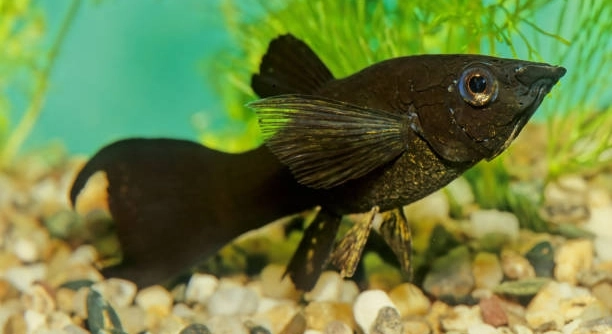
Have you ever noticed your black molly twitching and felt unsure about what might be causing this strange behavior in its tank environment, especially when everything else seems completely normal each day in your care?
Black molly twitching generally stems from environmental stressors, parasitic organisms, or water quality fluctuations that impair physiological regulation. These conditions disturb neuromuscular activity, producing involuntary motions that signal underlying issues requiring timely assessment to preserve the fish’s long term health.
Learning these causes offers guidance that helps you support your black molly while creating a space that encourages steadier behavior.
Poor Water Quality
Poor water quality is one of the most common reasons a black molly begins to twitch, and it can affect even tanks that look clean on the surface. When levels of ammonia or nitrite rise, the fish experiences stress that disrupts its comfort and behavior. I have seen how quickly a calm tank can shift when these levels drift higher than expected. Even small fluctuations can irritate the gills, making the fish move in brief sharp motions as it tries to cope with the discomfort. Regular testing helps prevent these changes from creeping up unnoticed, especially when the tank holds several active fish. Stable water parameters keep your black molly steady, and able to move without constant irritation. Clean water supports normal breathing, balanced swimming, and predictable reactions. When you keep these levels in check, the tank becomes a healthier place and your black molly feels safer in its space.
Consistent maintenance reduces sudden spikes that disturb your black molly and helps create a steadier environment. When the tank remains balanced, the fish shows smoother movements and experiences fewer stress related reactions that might appear as twitching or brief shaky motions during normal swimming in its daily routine inside water.
Making small adjustments when needed allows your black molly to recover from earlier stress and settle into calmer behavior. I like to observe how the fish responds after each change because it gives a gentle sense of progress. Slow improvements in water quality often lead to brighter colors and steadier swimming. When the environment feels consistent, the fish becomes more confident and less reactive to minor disruptions. Keeping a simple schedule for testing and cleaning helps you avoid problems before they grow. A clear stable tank gives your black molly the comfort it needs to move naturally each day forward.
External Parasites
External parasites often irritate the skin and gills, causing your black molly to twitch in short bursts as it reacts to the discomfort. These organisms attach to sensitive areas, prompting sudden movements that reflect the fish’s attempt to find brief relief in its daily swimming pattern inside the tank space.
Parasites such as flukes and protozoa can develop quickly, especially in tanks where new fish or plants are introduced without proper care. These organisms irritate the skin and gills, leading to twitching that becomes more noticeable as the infestation grows. I find it helpful to watch for small changes in posture, fin movement, and breathing patterns because these early signs often reveal that something is wrong before the issue becomes severe. Treatment usually involves a gentle but effective medication that targets the organisms without harming the fish. Consistent cleaning and quarantine practices lower the risk of introducing unwanted organisms into your tank. When the water stays clean and the environment remains steady, your black molly has a better chance of recovering. Over time, the twitching fades as the irritation lessens, and the fish returns to smoother movements. Awareness and regular care help your tank stay balanced while keeping your black molly comfortable. Steady observation makes it easier to notice gradual improvements that show the treatment is working. I like to give the fish quiet periods with low stress to help its body adjust. Supportive feeding with simple high quality foods strengthens its ability to regain calm behavior in the tank.
Temperature Fluctuations
Sudden temperature changes often make a black molly twitch because the fish depends on stable warmth to regulate its movements. Even small drops or spikes can create stress that appears quickly, especially in tanks without steady heating or proper monitoring during regular care.
A black molly reacts strongly when the water shifts too fast, and I have noticed how its behavior becomes tense when the tank is not kept within a stable range. Rapid changes affect breathing, balance, and comfort, leading to twitching that happens more frequently as the stress builds. Keeping a reliable heater helps avoid these issues, especially if your room temperature tends to move up and down. I like to check the thermometer a few times a day during colder seasons because it prevents surprises. When the temperature stays consistent, the fish shows smoother swimming and calmer responses.
Maintaining stable conditions supports your black molly’s natural rhythms and keeps its movements steady throughout the day. A quiet and predictable environment allows the fish to recover faster if it previously endured sudden shifts. I pay attention to how the fish swims after stabilizing the temperature because slight improvements often appear within a short time. When the warmth stays constant, the stress fades, the twitching slows down, and your black molly settles into healthier patterns that feel normal again.
High Stress Levels
High stress levels often make a black molly react with twitching, especially when the tank feels crowded or noisy. When the environment becomes overwhelming, the fish displays brief sharp motions as it tries to adjust to the constant pressure around its space.
Stress builds in tanks that contain too many fish, strong currents, or sudden disturbances. I try to keep the environment calm by limiting loud movements around the tank and ensuring the fish have enough space to move comfortably. A steady routine helps lower tension because the fish becomes accustomed to predictable activity. When stress decreases, the twitching gradually fades as the black molly gains confidence and settles into smoother motion. Keeping the tank peaceful encourages the fish to breathe more evenly and respond more gently to everyday interactions within its habitat.
Improper Tank Mates
Aggressive or overly active tank mates can make your black molly twitch as it reacts to constant tension. When another fish nips or chases, the molly responds with quick abrupt motions that reflect discomfort and the need to protect itself from repeated disturbances.
I try to keep tank mates gentle and peaceful because calm company helps reduce sudden reactions. When the molly feels safer, the twitching usually weakens over time and its swimming becomes steady again. A balanced community tank creates a softer atmosphere where each fish can move without constant pressure or irritation.
Poor Nutrition
Inadequate nutrition sometimes leads to twitching when the fish lacks essential nutrients needed for normal muscle function. I pay close attention to the food quality and variety because simple adjustments often make a noticeable difference. Offering a mix of flakes, vegetables, and protein keeps the fish stronger and more stable. When the diet improves, the black molly begins to show calmer behavior and smoother movements. A consistent feeding routine prevents sudden drops in energy that might affect the way it reacts during the day. Over time, better nutrition helps the molly maintain steady swimming patterns without repeated twitching that signals discomfort.
Strong Water Currents
Strong water currents can push your black molly into constant effort, leading to twitching from strain. Softer flow helps the fish move comfortably and keeps its behavior calm, especially in smaller tanks where strong equipment can create overwhelming motion.
FAQ
Why is my black molly twitching even after water changes?
Sometimes a black molly continues twitching because the earlier stress has not fully faded. Even when the water is refreshed, the fish may need more time to adjust. I often give the tank a quiet period so the molly can settle. Stable parameters, gentle lighting, and reduced activity around the tank help the fish regain comfort. If the twitching eases slowly over several days, it usually means the fish is recovering. When the issue persists, it may point to an underlying factor such as parasites or ongoing stress inside the tank.
Can twitching be caused by overfeeding?
Yes, overfeeding can create conditions that irritate your black molly. Excess food quickly pollutes the water, leading to higher ammonia and nitrite. I keep meals small and simple because it prevents digestive discomfort and reduces waste. When feeding becomes balanced, the tank stays cleaner and the fish moves more steadily. Over time, maintaining a light routine helps your molly feel calmer and less reactive.
Is twitching always a sign of disease?
Twitching does not always mean your black molly is sick. Many times it is caused by sudden environmental changes that overwhelm the fish. I watch for other signs such as clamped fins, fast breathing, or scraping against objects. If none of these appear, the twitching may be linked to stress, temperature shifts, or minor irritation. Still, monitoring for a few days helps you spot any developing issues early.
How quickly should I act when I notice twitching?
Acting early is helpful because small issues become easier to correct. I usually start by testing the water to rule out ammonia or nitrite spikes. Adjusting temperature, reducing noise, and making slow changes keeps the tank steady. When adjustments happen calmly, the fish feels less stressed and can recover faster.
Should I quarantine a twitching black molly?
Quarantining can be helpful when you suspect parasites or illness. A separate tank makes treatment easier and protects other fish. I prefer using a small simple setup with clean warm water so the fish feels secure. Quarantine also gives you the chance to observe behavior more closely without distraction from tank mates.
Can bright lights cause twitching?
Bright or sudden lighting changes sometimes trigger twitching because the fish reacts quickly to visual stress. I like using softer lighting or gently ramping the brightness. When the tank feels less intense, the molly swims more smoothly and shows fewer sudden movements.
What foods help reduce twitching caused by poor nutrition?
Foods rich in vitamins and basic nutrients support muscle function and overall stability. I often use a mix of high quality flakes, blanched vegetables, and the occasional protein source. Keeping meals varied prevents deficiencies that might affect the fish’s behavior. With better nutrition, twitching linked to weakness often fades.
How long does it take for a black molly to recover from twitching?
Recovery depends on the cause, but I usually notice improvements within a few days when the environment becomes stable. If the fish faced strong stress or parasites, recovery may take longer. Gentle care, clean water, and calm surroundings help the molly regain balance. Watching for slow steady progress shows whether the fish is moving in the right direction.
Can tank size affect twitching?
Yes, smaller tanks can increase twitching because the fish has limited space and the water changes more rapidly. I notice black mollies behave more naturally in wider areas with consistent conditions. A spacious tank supports calmer swimming and helps prevent the quick shifts that lead to stress related reactions.
Are strong filters harmful for black mollies?
Strong filters can create intense currents that overwhelm the fish. I prefer adjusting the output or adding simple decorations that soften the flow. When the water moves gently, the molly can swim without constant strain. This often reduces twitching caused by physical exertion or discomfort from fast moving currents.
Final Thoughts
Caring for a black molly becomes easier when you understand how small details influence its behavior. Twitching may seem alarming at first, but it often comes from simple issues that can be corrected with steady attention. I find that observing the fish calmly helps reveal what might be affecting its comfort. Clean water, gentle lighting, and a stable temperature support a peaceful environment where the molly can move naturally. When the tank stays balanced, the fish experiences fewer sudden changes that might disrupt its behavior. Creating this sense of stability does not require anything complicated. It just takes patience and a willingness to notice small patterns. Over time, these careful habits shape a healthier space that feels safe for your black molly. With each improvement, the fish grows more confident, reacts less intensely, and expresses its normal behavior with smoother motion.
Consistency is one of the strongest tools you can rely on when supporting a sensitive fish like a black molly. Regular testing, simple feeding routines, and gentle handling help keep the environment steady. I try to avoid making too many changes at once because sudden adjustments can stress the fish even more. When a problem appears, addressing it slowly often gives the best outcome. This approach allows the molly to adapt at a comfortable pace without feeling overwhelmed. Paying attention to tank mates is also helpful because the behavior of other fish often influences the molly’s reactions. Calm companions create a quieter atmosphere that reduces tension. When you combine thoughtful feeding, soft lighting, and consistent cleaning, the fish begins to feel secure. With that sense of security, twitching caused by stress, poor nutrition, or shifting conditions gradually fades. These steady improvements make a noticeable difference in the daily behavior of your black molly.
Supporting a black molly through episodes of twitching can feel a bit challenging at times, but steady care always leads to progress. I appreciate how the fish responds when the environment becomes calmer because it shows how much small steps matter. Even simple actions like softening the water flow or adjusting feeding quantities can ease the molly’s discomfort. Paying attention to how the fish behaves after each change helps you see what works best. This process builds confidence for both you and your molly. The more stable the environment becomes, the more predictable the fish’s behavior will be. Twitching often slows down once the major stressors are removed. With patience and consistent care, your black molly can regain comfort, relax into gentler movement, and enjoy a healthier routine inside its tank.

Hello,
If you enjoy the content that we create, please consider saying a "Thank You!" by leaving a tip.
Every little bit helps us continue crafting quality advice that supports the health, happiness, and well-being of pets around the world, for pets of all shapes, sizes, and species.
We really appreciate the kindness and support that you show us!