
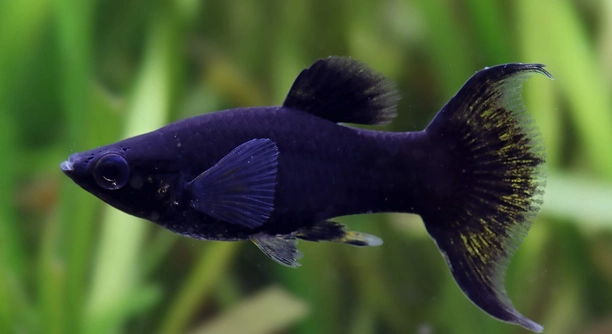
Are your Black Molly fish suddenly gathering in tight groups at one corner of the tank? This unusual behavior can be concerning, especially if your fish were previously active and scattered. Understanding their actions helps maintain a healthy aquarium environment.
Black Molly huddling is typically a response to stress, poor water quality, temperature fluctuations, or illness. When environmental conditions become unfavorable, these fish instinctively group together for safety, reducing energy expenditure and increasing their chance of survival.
Observing the causes behind this behavior can help you restore comfort in your tank. Small adjustments often make a significant difference in your fish’s well-being.
Common Causes of Huddling in Black Mollies
Black Mollies often huddle due to environmental stressors. Poor water quality, such as high ammonia, nitrite, or nitrate levels, can make them feel unsafe. Sudden temperature changes may also trigger grouping, as they try to conserve energy and reduce exposure. Overcrowding in a tank can lead to social stress, causing the fish to stay close together. In some cases, illness or parasites may make them lethargic, prompting them to huddle for security. Even subtle changes, like introducing new tank mates or rearranging decorations, can disrupt their sense of safety. Monitoring water parameters and ensuring a stable environment is key. Providing hiding spots and enough space helps reduce stress, allowing your Mollies to spread out naturally. Observing behavior consistently allows early detection of issues, which can prevent more serious health problems in the future and keeps your aquarium balanced and peaceful.
Maintaining stable water conditions and avoiding sudden tank changes often prevents unnecessary huddling in Black Mollies.
Huddling can also indicate social dynamics among fish. Dominant or aggressive individuals may push others into tight groups. Ensuring balanced group sizes and compatible species reduces tension. Tank layout plays a role, as open areas without hiding places make fish feel exposed. Stress from poor diet or irregular feeding schedules can further contribute to this behavior. By addressing water quality, temperature, diet, and tank arrangement, you can create a calmer environment. Regular observation helps identify subtle signs of illness or discomfort before problems escalate. Black Mollies are sensitive to changes, and even minor improvements can encourage them to explore and swim more freely. Establishing a routine of monitoring and maintaining the tank ensures their overall health and reduces stress-related behaviors. Over time, these adjustments allow the fish to feel secure, preventing unnecessary huddling and promoting natural activity patterns.
How to Address Huddling
Adjusting water parameters and providing more hiding spots often resolves huddling.
Once the environment is stable, focus on diet and behavior. Feed high-quality foods regularly and avoid overfeeding, as poor nutrition can weaken immunity and increase stress. Observe the group for signs of illness, such as discoloration or sluggish swimming. Introducing gentle tank mates and maintaining proper population density prevents social stress. Gradually acclimating new fish or rearranging decorations allows Mollies to adapt without panic. Small changes, like adding plants or rocks, offer security and reduce huddling. Regular water testing and partial water changes ensure a healthy habitat. If huddling persists despite these measures, consulting an aquatic veterinarian may be necessary. Proactive care helps maintain both the physical health and social stability of the tank, ensuring your Black Mollies swim confidently and comfortably. Consistency in maintenance fosters a stress-free environment, allowing fish to display natural behaviors and thrive. Observing subtle shifts over time ensures ongoing adjustments meet their needs effectively.
Water Quality and Temperature
Regular testing of water parameters is essential. Ammonia, nitrite, and nitrate levels must remain low. Black Mollies are sensitive to rapid temperature changes, which can trigger huddling as a stress response. Maintaining stable conditions supports healthy behavior and activity.
Poor water quality can quickly impact Black Mollies. High ammonia or nitrite levels irritate gills and cause discomfort, prompting fish to huddle for security. Even small fluctuations in temperature can stress them, especially if the tank lacks hiding spots. Ensuring consistent temperature and clean water reduces stress. Partial water changes and proper filtration help maintain stability. Observing water conditions daily allows for early corrections, preventing prolonged stress.
Temperature and water chemistry directly affect social behavior. When levels are unstable, Mollies may display lethargy, clumping, and reduced feeding. Using a reliable heater and thermometer ensures minimal fluctuations. Regular water changes keep nitrate levels low, supporting overall health. Plants and decorations can buffer temperature shifts and provide shelter. Maintaining this environment encourages Mollies to swim freely and reduces huddling. Consistency in care is critical for long-term health and activity patterns in the tank.
Social Behavior and Tank Setup
Overcrowding or aggressive tank mates often trigger huddling. Providing enough space and compatible fish helps reduce stress. Proper layout with hiding spots allows Mollies to feel secure and explore confidently.
Social dynamics influence Black Molly behavior significantly. Dominant fish may intimidate others, pushing them into tight groups. Ensuring a balanced population prevents repeated stress and promotes natural activity. Strategic placement of plants and decorations creates territories and hiding spaces. Mollies feel safer when they can retreat, which reduces clumping behavior. Avoid introducing too many new fish at once, as sudden social changes can cause prolonged huddling. Monitoring interactions ensures that aggression does not compromise well-being.
Tank arrangement impacts comfort and stress levels. Open areas without cover leave fish exposed, increasing anxiety and huddling. Adding vertical and horizontal structures, such as plants or rocks, provides security and encourages exploration. Regular observation of swimming patterns helps identify areas of conflict or discomfort. Adjusting decor or rearranging elements allows Mollies to establish safe zones naturally. Over time, a thoughtfully organized tank reduces stress-related behaviors and fosters social stability. Consistent care and monitoring ensure the fish remain active and confident in their environment.
Signs of Illness
Lethargy, faded colors, and clamped fins are common signs Mollies may be unwell. Huddling often accompanies these symptoms as a stress response. Early detection helps prevent serious health issues and supports recovery.
Other signs include irregular swimming, loss of appetite, and visible spots or lesions. Prompt attention to these behaviors can prevent disease from spreading and ensures a healthier tank environment.
Feeding and Nutrition
Proper diet supports immune function and overall well-being. Black Mollies require a balanced mix of high-quality flake or pellet food, supplemented with occasional live or frozen foods. Overfeeding can pollute water and increase stress, while underfeeding may weaken immunity. Feeding small portions two to three times daily maintains energy levels.
Acclimating New Fish
Sudden introductions of new fish can disrupt social balance. Gradual acclimation helps Mollies adjust without excessive stress.
Monitoring and Maintenance
Consistent observation of behavior, water quality, and tank conditions is essential. Regular partial water changes, cleaning, and parameter testing ensure a healthy and stable environment, reducing huddling and supporting long-term fish health.
FAQ
Why are my Black Mollies huddling in one corner?
Black Mollies often huddle due to stress or discomfort. Common causes include poor water quality, temperature fluctuations, overcrowding, and illness. When conditions feel unsafe, they instinctively group together for protection. Ensuring stable water parameters, enough swimming space, and hiding spots helps them feel secure and encourages normal activity.
Can sudden temperature changes make Mollies huddle?
Yes. Black Mollies are sensitive to temperature fluctuations. Rapid changes can stress them, prompting huddling as a defense mechanism. Using a reliable heater, monitoring water temperature, and keeping it stable minimizes stress. Gradual adjustments during water changes or tank maintenance also help prevent sudden reactions.
Is huddling always a sign of disease?
Not always. While illness can cause clumping behavior, Mollies may also huddle due to environmental stressors like overcrowding, aggressive tank mates, or poor water quality. Observing other symptoms, such as faded colors, clamped fins, or erratic swimming, can help determine if health issues are involved.
How can I improve water quality for my Mollies?
Regular testing of ammonia, nitrite, nitrate, and pH levels is essential. Partial water changes, proper filtration, and avoiding overfeeding maintain a clean environment. Adding plants or decorations can reduce stress, provide hiding spots, and help stabilize water parameters. Consistency in maintenance is key to reducing huddling.
Do tank mates affect huddling behavior?
Yes. Aggressive or overly active fish can intimidate Black Mollies, causing them to clump together. Ensuring compatible species, balanced population density, and adequate space helps prevent social stress. Rearranging decorations can also create territories and hiding spots, giving Mollies confidence to spread out.
Can diet impact huddling behavior?
Improper feeding can increase stress. Overfeeding leads to poor water quality, while underfeeding weakens immunity. Providing a balanced diet of high-quality flake or pellet food, supplemented occasionally with live or frozen foods, supports overall health. Feeding small portions multiple times daily encourages normal energy levels and activity.
How long does it take for Mollies to stop huddling after stress?
The recovery time depends on the cause. Once water conditions stabilize, temperature is consistent, and social stress is reduced, Mollies often resume normal swimming within a few days to a week. Observation is essential to ensure no lingering signs of illness or environmental issues.
Should I separate huddling Mollies?
Separation is rarely needed unless illness or aggression is involved. Focus first on improving water quality, temperature stability, tank layout, and diet. If aggressive tank mates are causing stress, temporary isolation may be helpful until the social dynamics stabilize.
Can tank decorations help reduce huddling?
Yes. Plants, rocks, and other hiding spots provide security and reduce anxiety. Vertical and horizontal structures allow Mollies to establish safe zones and explore without feeling exposed. Thoughtful tank arrangement encourages natural swimming patterns and reduces stress-related clumping.
When should I consult a professional about huddling?
If Mollies continue huddling despite stable water, proper diet, compatible tank mates, and suitable decorations, it may indicate illness. Observing additional symptoms such as rapid gill movement, spots, or abnormal behavior warrants consulting an aquatic veterinarian to ensure long-term health.
Can lighting affect huddling behavior?
Intense or inconsistent lighting may stress Black Mollies. Gradually adjusting light levels and providing shaded areas can make them feel safer. Simulating a natural day-night cycle helps promote activity and reduces prolonged clumping during daylight hours.
Does water flow impact their behavior?
Yes. Strong currents can overwhelm Mollies, causing them to seek calm areas together. Adjusting filter output, creating gentle flow zones, and using decorations to break currents encourages more even swimming and reduces huddling behavior.
Are young Mollies more prone to huddling?
Juvenile Mollies are more sensitive to environmental changes. They may group together more frequently than adults for safety. Providing stable conditions, appropriate feeding, and sufficient hiding spots ensures they develop confidence and healthy social behaviors.
How do I know if huddling is normal schooling or stress-related?
Schooling is organized and fluid, with fish swimming together naturally. Stress-related huddling is tight, stationary, and often in corners or near the surface. Observing posture, fin clamping, and response to disturbances helps differentiate normal social behavior from stress.
Can overcrowding lead to permanent stress behaviors?
Persistent overcrowding may cause chronic stress, affecting immunity, growth, and activity. Ensuring proper tank size, compatible populations, and adequate swimming space reduces long-term huddling and promotes healthier, more confident fish.
Is it safe to adjust multiple factors at once?
Gradual adjustments are safest. Sudden changes in water quality, temperature, or social dynamics can increase stress. Implementing improvements step by step allows Mollies to adapt and reduces the likelihood of persistent huddling or health issues.
How often should I monitor their behavior?
Daily observation is ideal. Watching swimming patterns, feeding response, and interactions with tank mates helps identify early signs of stress or illness. Prompt action based on consistent monitoring prevents prolonged huddling and maintains overall tank health.
Can seasonal changes affect huddling?
Yes. Temperature shifts, lighting variations, and natural seasonal cycles may influence behavior. Adjusting tank conditions to mimic stable environments, including gradual temperature and light adjustments, helps maintain consistent activity levels and reduces stress-induced huddling.
Are some Mollies naturally more timid?
Individual temperament varies. Some Mollies are naturally cautious and may huddle more often, especially when exploring new areas. Providing stable conditions, hiding spots, and compatible companions allows timid fish to gradually build confidence without prolonged stress.
What is the best long-term strategy to prevent huddling?
Maintaining clean water, stable temperature, balanced diet, suitable tank mates, and thoughtfully arranged decorations ensures a healthy environment. Regular observation and minor adjustments prevent stress, encourage natural behavior, and support long-term health, minimizing huddling and promoting an active, confident group of Black Mollies.
Final Thoughts
Black Mollies huddling is a common behavior that often signals stress or discomfort. It is important to remember that this behavior is not always a sign of illness, but it does indicate that something in their environment may need attention. Factors such as water quality, temperature fluctuations, overcrowding, and the presence of aggressive tank mates can all contribute to this behavior. Observing your fish closely can help identify the cause. Paying attention to their swimming patterns, how they interact with each other, and their feeding habits can give clear signs of what is affecting them. Sometimes the issue is subtle, such as minor temperature changes or small shifts in water parameters, but even these can make a difference for Black Mollies. Ensuring a stable, well-maintained tank is key to preventing prolonged huddling and encouraging a comfortable, active environment for them.
Proper tank maintenance plays a critical role in reducing stress and promoting health. Regular water testing for ammonia, nitrite, nitrate, and pH levels is essential, along with consistent partial water changes. Stable temperature is equally important, as sudden fluctuations can cause anxiety and trigger huddling. The layout of the tank also impacts how comfortable Black Mollies feel. Providing hiding spots and ensuring there is enough space for all fish reduces stress caused by overcrowding or aggressive individuals. Balanced nutrition supports immunity and overall well-being, which in turn helps them cope with minor environmental changes without resorting to clumping behavior. Feeding small portions multiple times a day and offering occasional live or frozen foods keeps energy levels stable and promotes natural activity patterns. These small steps create a calmer and healthier environment, reducing the likelihood of huddling over time.
Observing and responding to your Mollies’ behavior consistently is the most effective way to maintain their well-being. Stress or discomfort is often temporary if addressed promptly. Gradual adjustments to water conditions, tank layout, or social dynamics allow the fish to adapt without additional strain. Huddling can also be a response to new tank mates or recent changes, and it may resolve on its own once the fish feel secure. However, persistent huddling paired with other symptoms like faded colors, clamped fins, or irregular swimming may require closer attention and, if necessary, consultation with an aquatic veterinarian. By combining careful observation, consistent maintenance, and thoughtful adjustments, you can ensure your Black Mollies feel safe, remain active, and display their natural behavior. Creating a stable, well-managed aquarium encourages confidence in your fish, preventing prolonged stress and helping them thrive in their aquatic environment.

Hello,
If you enjoy the content that we create, please consider saying a "Thank You!" by leaving a tip.
Every little bit helps us continue crafting quality advice that supports the health, happiness, and well-being of pets around the world, for pets of all shapes, sizes, and species.
We really appreciate the kindness and support that you show us!