
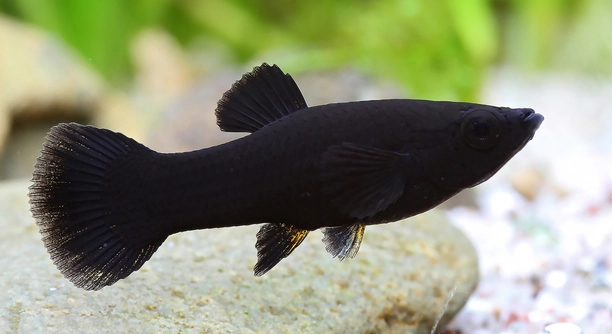
Black Mollies are lively fish that brighten any aquarium with their presence. They are known for their adaptability, but frequent changes in their environment can create stress and affect their overall well-being.
Black Mollies can tolerate occasional movement if done carefully, but frequent relocations may lead to stress, weakened immunity, and behavioral changes. Proper acclimation procedures and stable water conditions are essential to maintain their health during any transfer.
Understanding how to move Black Mollies safely can make all the difference. Maintaining stability and care ensures these fish remain healthy and active in new environments.
How Frequent Moves Affect Black Mollies
Black Mollies are sensitive to sudden changes in their surroundings. Moving them too often can cause stress, which may show as erratic swimming, loss of appetite, or hiding. Stress impacts their immune system, making them more prone to disease. Even if the water conditions appear similar, subtle differences in temperature, pH, or hardness can trigger a reaction. They rely on stable environments to feel secure, and frequent relocations disrupt this stability. It’s important to ensure the new tank is fully cycled and parameters match their previous habitat. Gradual acclimation is key, introducing them slowly to avoid shock. Over time, consistent stress can affect growth and coloration, diminishing their natural vibrancy. Careful observation after each move helps detect early signs of stress. With patience and proper preparation, Black Mollies can adjust to a new environment without long-term harm, though frequent relocations should be minimized to preserve their health.
Stress can also lead to a shorter lifespan if repeated often. Regular observation is critical.
Maintaining a calm and stable habitat helps Black Mollies thrive. Avoid sudden water changes, provide hiding spots, and keep consistent feeding schedules. Even minor disturbances can cause tension, so gradual transitions are best. Limiting movement and prioritizing water quality reduces health risks and allows them to display natural behavior and vibrant coloration.
Proper Techniques for Moving Black Mollies
Acclimate fish slowly using the floating bag method. This reduces shock.
When moving Black Mollies, preparation is essential. Start by testing water parameters in both the current and new tanks, ensuring they match closely. Use a clean container to transport them, avoiding overcrowding, and keep the water from their original tank in the transport container to maintain familiar conditions. Float the bag or container in the new tank for 15 to 20 minutes, allowing gradual temperature adjustment. Slowly add small amounts of the new tank water to the container every few minutes. Once acclimated, gently release the fish without pouring them directly. Avoid feeding immediately after transfer, as stress can affect digestion. Observe the fish closely over the next 24 to 48 hours, watching for signs of stress, such as clamped fins or lethargy. Creating a calm environment, with low lighting and minimal disturbances, will help them settle faster. Repeating these steps ensures Black Mollies remain healthy despite relocation.
Signs of Stress in Black Mollies
Stress in Black Mollies can appear in changes in behavior, appetite loss, or hiding. Swimming erratically, staying at the surface, or clamped fins are common indicators that they are struggling to adapt.
Monitoring behavior closely after a move is crucial. Stress can make them more vulnerable to illness and infections, especially if water conditions fluctuate. Look for sudden color fading or lethargy. If multiple fish show similar signs, water quality might be an issue. Providing hiding spots and keeping disturbances low helps reduce anxiety.
Physical signs can also indicate stress. Damaged fins, abnormal swimming, or gasping at the surface may suggest environmental issues. Immediate attention to water parameters and careful observation can prevent long-term health problems. Maintaining stable conditions and avoiding frequent moves allows Black Mollies to remain active, healthy, and display their natural colors.
Creating a Stable Environment
Consistent water parameters are essential for keeping Black Mollies healthy. Sudden changes in pH, temperature, or hardness can trigger stress. Maintaining a clean tank with regular water testing is necessary to prevent illness.
Providing a stable environment includes consistent feeding schedules, adequate filtration, and proper tank size. Overcrowding increases stress and reduces water quality. Plants, decorations, and hiding spots give Black Mollies security, encouraging natural behaviors. Avoid placing the tank near high-traffic areas or sources of vibration. Regular monitoring and maintenance ensure any issues are caught early. Stability in water parameters, temperature, and environment supports their immune system, reduces stress, and allows the fish to thrive.
Tank design and arrangement also affect stress levels. Plants and smooth decorations reduce aggressive interactions and provide refuge. Using gentle lighting and minimizing sudden disturbances can help the fish adjust more comfortably. A balanced, calm environment encourages activity, feeding, and natural coloration. Avoiding frequent relocations and keeping conditions predictable ensures long-term health, making the aquarium a safe, low-stress habitat for Black Mollies.
Preparing for a Move
Before moving Black Mollies, gather all necessary equipment. Use a clean container, water from the original tank, and a thermometer to monitor temperature. Minimizing stress starts with proper preparation and careful planning.
Ensure the new tank is fully cycled and matches the original water parameters. Stable conditions reduce shock and help the fish adjust smoothly to the new environment.
Gradual Acclimation Process
Introduce Black Mollies slowly to the new tank using the floating bag method. Keep the bag in the new tank for 15 to 20 minutes to equalize temperature. Gradually add small amounts of tank water into the bag every few minutes. This allows the fish to adjust to minor differences in water chemistry. Avoid pouring the fish directly into the tank; gently release them once acclimated. Observe closely for signs of stress during the first 24 hours. Provide hiding spots and maintain calm surroundings. Proper acclimation reduces health risks and encourages quick adaptation to the new environment.
After the Move
Monitor Black Mollies closely for the first few days. Watch for unusual behavior, feeding patterns, and stress indicators.
FAQ
How often can I move my Black Mollies without stressing them?
Black Mollies handle occasional moves if done carefully, but frequent relocations increase stress. Limiting moves to only necessary occasions helps preserve their health. Always ensure the new tank is fully cycled and water parameters match the original environment before moving.
What signs show that my Black Mollies are stressed from moving?
Stress can appear as clamped fins, hiding, loss of appetite, erratic swimming, or color fading. Physical signs such as damaged fins or gasping at the surface may indicate environmental stress or poor water quality. Monitoring behavior closely is essential for early intervention.
How should I acclimate Black Mollies to a new tank?
Use the floating bag method for gradual acclimation. Float the bag in the new tank for 15–20 minutes to equalize temperature. Slowly add small amounts of the new tank water to the bag, allowing the fish to adjust to differences in chemistry. Only release them gently once fully acclimated.
Can moving affect the lifespan of Black Mollies?
Frequent or poorly handled moves can shorten lifespan due to chronic stress. Stress weakens the immune system, making fish more prone to disease. Maintaining stable conditions, proper acclimation, and minimal relocation help ensure longevity and health.
Is it necessary to change the water after moving Black Mollies?
Small partial water changes may be needed, but avoid major changes immediately after a move. Drastic water alterations can add stress. Focus on keeping water temperature, pH, and hardness consistent during the initial adjustment period.
What environment helps reduce stress after moving?
Provide hiding spots, plants, and decorations for security. Maintain stable lighting and avoid high-traffic areas or sudden disturbances. Consistent feeding schedules and calm surroundings allow the fish to settle faster and display natural behavior.
How long does it take for Black Mollies to adjust to a new tank?
Adjustment usually takes a few days, but some fish may take a week to fully acclimate. During this time, monitor feeding, swimming behavior, and coloration. Reducing disturbances and keeping the environment stable accelerates the settling process.
Can multiple Black Mollies be moved together?
Yes, but avoid overcrowding during transport. Overcrowding increases stress and risks water quality issues. Use a clean container with sufficient water and maintain proper oxygen levels. Ensure the new tank has enough space and hiding spots for all fish to settle comfortably.
Should I feed my Black Mollies immediately after moving?
Wait a few hours before feeding. Stress can affect digestion, so giving them time to adjust reduces the risk of digestive problems. Offer small, easily digestible meals once they begin showing normal behavior and appetite.
What precautions help prevent stress during frequent moves?
Minimize moves whenever possible. If moving is necessary, ensure gradual acclimation, maintain consistent water parameters, provide hiding spots, and limit disturbances. Monitoring health closely and adjusting care based on behavior reduces long-term negative effects.
Can water temperature differences cause shock?
Yes, even slight temperature differences can stress Black Mollies. Use the floating bag method to gradually equalize temperature. Monitor closely for signs of distress during transfer, and maintain steady tank conditions to prevent shock.
How do I know if my tank is ready for moved Black Mollies?
The tank should be fully cycled with stable pH, temperature, and hardness. Check ammonia, nitrite, and nitrate levels to ensure a safe environment. Decorations and hiding spots should be arranged before introducing the fish to reduce stress.
Are there specific water parameters that reduce stress?
Black Mollies prefer slightly alkaline water with a pH between 7.5 and 8.5, moderate hardness, and stable temperatures around 75–80°F (24–27°C). Maintaining these parameters helps prevent stress and supports their immune system.
Can stress from moving cause disease?
Yes, stress weakens the immune system, making Black Mollies more susceptible to bacterial and parasitic infections. Keeping conditions stable, acclimating gradually, and reducing disturbances lowers the risk of illness after relocation.
How often should I monitor Black Mollies after a move?
Observe them at least a few times a day for the first several days. Look for feeding response, swimming patterns, and any visible stress indicators. Early detection of problems allows timely adjustments to prevent long-term health issues.
Is it better to move Black Mollies at night or during the day?
Moving during quieter periods with lower activity helps reduce stress. While time of day is not critical, avoiding disturbances and maintaining calm surroundings during the move is more important than choosing a specific hour.
Can moving affect breeding behavior?
Yes, frequent relocation can disrupt mating behavior and stress pregnant females. A stable environment encourages natural breeding patterns and supports fry survival. Avoid moving during critical breeding periods to maintain reproductive health.
Are there any additives that help during a move?
Stress-reducing additives or water conditioners can help maintain water quality and reduce shock. These should be used according to manufacturer instructions and do not replace proper acclimation or stable environmental conditions.
What is the best way to minimize stress if moves are unavoidable?
Plan ahead, match water parameters, acclimate gradually, and create a calm environment. Limit disturbances, provide hiding spots, and monitor closely to ensure the Black Mollies remain healthy and active.
How do I know when my Black Mollies have fully adjusted?
Signs include normal swimming, consistent feeding, vibrant coloration, and relaxed behavior. Once these behaviors return, the fish have acclimated, and stress levels have likely decreased. Continued monitoring ensures long-term health and stability.
Can frequent moves permanently alter behavior?
Repeated stress can lead to long-term behavioral changes, such as hiding, lethargy, or aggression. Maintaining stability and minimizing unnecessary relocations helps preserve natural behaviors and overall well-being.
Are some Black Mollies more tolerant of moving than others?
Yes, individual fish vary in temperament and stress tolerance. Younger, more adaptable fish may adjust faster, while older or more sensitive individuals may require extra care and slower acclimation.
Does tank size affect stress during relocation?
Larger tanks provide more space and reduce crowding, which helps reduce stress during and after a move. Small, overcrowded containers increase stress, risk of injury, and water quality issues.
How important is oxygenation during transport?
Proper oxygen levels are critical. Use aerated containers or ensure sufficient surface area to maintain oxygenation. Low oxygen can quickly stress or harm Black Mollies during relocation.
Can tank mates influence stress levels during a move?
Yes, aggressive or overly active tank mates can increase stress. Consider separating sensitive fish during transport or ensuring enough space and hiding spots for all to reduce conflicts and tension.
Are there signs that a move was successful?
Successful moves are indicated by normal swimming, feeding, and interaction with the environment. Fish should resume regular behavior within a few days, showing minimal signs of stress or illness.
What long-term steps can help Black Mollies after multiple moves?
Maintain stable water parameters, provide hiding spots, limit disturbances, and monitor health closely. Gradual acclimation and consistent care help Black Mollies recover fully and continue thriving in their environment.
How do I handle emergencies during a move?
Keep extra clean water, a thermometer, and a backup container ready. Monitor for signs of distress, and act quickly to adjust temperature, oxygen, or water quality if needed. Immediate attention can prevent serious health issues.
Should I change tank decorations during a move?
Avoid major rearrangements during initial settling. Familiar surroundings reduce stress. Only adjust decorations gradually after the fish have fully acclimated to the new tank.
Can water hardness differences affect acclimation?
Yes, sudden changes in hardness can cause stress. Gradually mixing new tank water with original water helps Black Mollies adjust without adverse reactions.
How do I prevent disease after moving Black Mollies?
Maintain stable water conditions, provide hiding spots, reduce stress, and avoid overcrowding. Monitor for signs of illness and quarantine if needed to prevent disease spread in the tank.
Is it safe to move Black Mollies during breeding season?
Moving during breeding can stress adults and reduce fry survival. If possible, delay relocation until breeding is complete or ensure separate breeding tanks for safety.
How long should transport take for minimal stress?
Keep transport short and efficient. Minimize time in containers without adequate oxygen or water quality. Prepare everything in advance to reduce the duration of the move.
What role does lighting play during acclimation?
Dim lighting or avoiding sudden bright lights reduces stress. Gradual exposure to normal lighting conditions allows fish to settle without added tension.
Are there any behavioral changes that indicate permanent stress?
Long-term hiding, aggression, or reduced feeding may suggest lasting effects. Consistent care and stable conditions can help mitigate some of these issues over time.
Can stress from moving affect growth?
Yes, chronic stress can slow growth and reduce overall vitality. Stable water conditions, proper nutrition, and limited relocation help ensure normal development and coloration.
How do I balance the need to move with maintaining fish health?
Plan moves carefully, match water parameters, acclimate gradually, provide hiding spots, and monitor closely. Prioritizing stability and minimizing frequency protects Black Mollies from long-term stress.
Are some types of Black Mollies more sensitive than others?
Different varieties may have varying tolerance levels. Generally, more delicate or selectively bred types require extra care during relocation to prevent stress and health issues.
What are common mistakes during moves?
Mistakes include rapid temperature changes, overcrowding, skipping acclimation, poor water quality, and high-stress environments. Avoiding these ensures a safer move and healthier fish.
Can moving affect feeding habits?
Yes, stress can reduce appetite. Wait until the fish settle, then offer small, frequent meals. Observing feeding behavior helps gauge recovery and adjustment.
How important is tank location after a move?
Place the tank in a stable, low-traffic area with minimal vibration. A consistent environment helps reduce stress and supports faster acclimation for Black Mollies.
Can sudden pH changes during moving cause harm?
Yes, abrupt pH shifts can stress or even harm Black Mollies. Gradual acclimation by mixing small amounts of new water is essential to prevent shock.
How do I know if acclimation is working?
Signs include gradual swimming, feeding, and interaction with the environment. Minimal signs of stress after the first few hours indicate successful acclimation.
Are there special considerations for pregnant females?
Pregnant females are more sensitive to stress and changes. Minimize moves, provide hiding spots, and ensure stable water parameters to protect both mother and fry.
Should I quarantine Black Mollies after a move?
Quarantine is helpful if introducing them to a tank with other fish. It prevents disease transmission and allows close monitoring of health after relocation.
What are the risks of skipping acclimation?
Skipping acclimation can lead to shock, stress, illness, or even death. Gradual introduction to new water conditions is crucial for survival.
How can I make multiple moves less stressful?
Use proper acclimation, stable water parameters, hiding spots, minimal disturbances, and careful planning. Each move should prioritize the fish’s comfort and health.
What’s the best way to monitor for hidden stress?
Observe behavior, feeding, and coloration over several days. Subtle signs, such as reduced movement or hiding, indicate ongoing stress that may need intervention.
Can stress from moving cause long-term immune issues?
Yes, chronic stress weakens the immune system, making fish more susceptible to disease. Maintaining stability and minimizing unnecessary moves helps prevent long-term health problems.
How can I support recovery after a stressful move?
Provide stable water conditions, proper nutrition, hiding spots, and calm surroundings. Close observation and minimal disturbances allow Black Mollies to regain full health and normal behavior.
Is there a way to prepare fish mentally for a move?
While fish don’t understand moves, maintaining familiar water and gradual acclimation creates a more predictable environment. Minimizing sudden changes helps reduce perceived threats and stress.
Do temperature fluctuations during moving affect behavior?
Yes, even minor temperature differences can cause stress, leading to hiding, clamped fins, or erratic swimming. Gradual acclimation mitigates these effects.
How do I handle emergency stress reactions during a move?
Have extra water, a backup container, and monitoring tools ready. Respond quickly to unusual behavior, low oxygen, or water quality issues to prevent serious harm.
Are Black Mollies more stressed when moved alone or in groups?
It depends on individual temperament. Some feel safer with companions, while sensitive fish may benefit from separation. Ensure space and hiding spots to reduce tension.
What is the ideal container for moving Black Mollies?
Use a clean, appropriately sized container with enough water and aeration. Avoid overcrowding to reduce stress and ensure safe transport.
Can stress from moving affect coloration permanently?
Frequent or severe stress can dull coloration over time. Stable environments, minimal relocation, and proper care help maintain vibrant colors.
How can I prevent water parameter shock during a move?
Match temperature, pH, and hardness closely. Gradually mix small amounts of new water with original water during acclimation to prevent sudden changes.
Are there supplements that support fish after moving?
Stress-reducing water conditioners or mild vitamins can help, but proper acclimation and stable water conditions are far more important for recovery.
What is the safest way to release fish into the new tank?
Gently tip the container or net the fish slowly. Avoid pouring water from the transport container to reduce stress and prevent sudden environmental changes.
How important is observation in the first 48 hours?
Observation is critical. Detecting early signs of stress, illness, or abnormal behavior allows immediate intervention and prevents long-term health issues.
Do Black Mollies need extra care if moved frequently?
Yes, frequent movers require careful monitoring, stable water, hiding spots, and minimal disturbances. Extra attention helps reduce cumulative stress effects.
Can water additives replace proper acclimation?
No, additives only support water quality. Gradual acclimation and matching water parameters are essential for reducing stress and ensuring survival.
How do I know if stress is temporary or permanent?
Temporary stress shows as short-term hiding or reduced appetite that resolves within days. Persistent behavior changes, poor feeding, or dull coloration may indicate lasting effects.
Are certain tank setups better for reducing relocation stress?
Yes, tanks with hiding spots, stable water parameters, and low disturbances provide comfort during and after relocation, reducing overall stress.
Can moving affect social behavior?
Yes, stress may increase aggression or cause excessive hiding. Providing space, hiding spots, and gradual acclimation helps maintain normal social interactions.
How can I reduce stress during long-distance moves?
Use aerated containers, minimize transport time, maintain water parameters, and acclimate slowly. Plan each step to ensure the safest possible move for the fish.
Is it better to move in smaller groups or all at once?
Smaller groups reduce crowding and stress during transport. This allows easier monitoring and quicker intervention if problems arise.
What is the best approach if fish show illness after moving?
Isolate affected fish, test water parameters, and treat promptly. Addressing illness early prevents spread and supports recovery.
Can environmental enrichment reduce stress after moving?
Yes, plants, decorations, and hiding spots provide security and stimulation. Enrichment encourages natural behavior and helps fish recover from stress.
Are there signs of chronic stress after multiple moves?
Chronic stress may show as dull coloration, reduced activity, hiding, or decreased appetite. Long-term monitoring and consistent care are essential to recovery.
Do Black Mollies remember stressful moves?
Fish don’t have memory like humans, but repeated stress affects behavior patterns and overall health. Minimizing relocation frequency helps prevent negative long-term effects.
How important is water quality compared to frequency of moving?
Both are crucial. Stable water quality prevents immediate stress, while minimizing moves reduces chronic stress. Together, they ensure long-term health.
Can lighting changes during a move affect behavior?
Sudden bright lights can increase stress. Gradually introducing normal lighting after moving reduces tension and helps fish adjust comfortably.
What are the most effective strategies to reduce stress long-term?
Limit moves, maintain stable water conditions, provide hiding spots, ensure proper nutrition, and monitor behavior closely. Gradual acclimation and minimal disturbances support healthy, active fish.
How long should I wait before making another move?
Wait until fish have fully adjusted, typically several days to a week. Rushing relocations increases stress and health risks.
Does tank size influence post-move stress recovery?
Larger tanks reduce crowding and provide more space for hiding, which helps Black Mollies recover faster from relocation stress.
Can tank mates help or worsen post-move stress?
Calm, compatible tank mates provide security, but aggressive fish increase stress. Ensure proper spacing and hiding areas for all fish.
Are there ways to test if the acclimation process worked?
Successful acclimation is indicated by normal swimming, feeding, coloration, and minimal stress signs. Continuous observation helps confirm adjustment.
Do pregnant females need special acclimation steps?
Yes, they are more sensitive to stress. Minimize handling, provide hiding spots, and ensure stable water conditions for mother and fry safety.
How often should water parameters be checked after a move?
Check daily for the first several days, focusing on pH, temperature, ammonia, nitrite, and nitrate. Early detection prevents stress-related health issues.
Can transport bags affect stress levels?
Yes, clean, appropriately sized bags with minimal water and sufficient oxygen reduce stress. Avoid overcrowding and sudden movement.
How do I support immune function after moving?
Maintain stable water, provide a nutritious diet, minimize stress, and offer hiding spots. This combination strengthens the immune system after relocation.
Are there signs of permanent behavioral change from moving?
Persistent hiding, aggression, or low activity may indicate long-term stress effects. Consistent care and stable conditions can mitigate some impact.
Can moving disrupt feeding hierarchy in the tank?
Yes, dominant fish may become more aggressive, or shy fish may eat less. Provide multiple feeding spots to reduce competition and stress.
Is it necessary to use stress-reducing water conditioners?
Not always, but they can support water quality and reduce shock. Proper acclimation and stable water remain more important.
How important is minimal handling during a move?
Handling increases stress and risk of injury. Use nets or gentle transfer methods only when necessary to protect fish health.
Can frequent relocation impact growth or reproduction?
Chronic stress can slow growth, reduce coloration, and affect breeding success. Stability in environment is key to maintaining natural development.
How do I know if hiding spots are effective post-move?
Fish that use them actively, rest comfortably, and show reduced stress behavior indicate that the hiding spots provide security.
**Are some varieties
Black Mollies are lively, adaptable fish that can thrive in a well-maintained aquarium, but frequent moves pose challenges that require careful attention. Moving them too often can create stress, which affects their health, behavior, and coloration. Even subtle changes in water temperature, pH, or hardness can trigger stress responses. Black Mollies rely on stable environments to feel secure, and repeated relocations can disrupt this sense of stability. Observing behavior closely after each move is crucial, as signs such as clamped fins, hiding, or loss of appetite often indicate that the fish are struggling to adjust. Stress can also weaken their immune system, making them more susceptible to disease, and over time, it may even affect their lifespan. Preparing adequately for each move and ensuring the new tank matches the original water conditions can help minimize these risks. Gradual acclimation and maintaining calm, stable surroundings are key factors in helping Black Mollies adapt safely.
Providing a proper environment both before and after a move is essential for the well-being of Black Mollies. Water quality, temperature, and pH should be carefully monitored to ensure minimal shock. A fully cycled tank with stable parameters allows the fish to settle quickly. Including hiding spots, plants, and gentle decorations creates a sense of security, which reduces stress and encourages natural behavior. Maintaining a consistent feeding schedule further supports their health, as stress can temporarily reduce appetite. It is also important to minimize disturbances and avoid overcrowding, both during transport and after placement in the new tank. Proper acclimation techniques, such as the floating bag method, allow the fish to adjust gradually to minor differences in water chemistry and temperature. Observing their behavior over the first several days helps determine if the move was successful and whether adjustments are needed to ensure their comfort. Careful planning and patience make a significant difference in how smoothly Black Mollies adapt to new surroundings.
Frequent relocation should generally be avoided, as repeated stress can have long-term effects on behavior, growth, and overall health. If moves are necessary, taking each step slowly and carefully is critical. Ensuring water parameters are matched, providing adequate space and hiding spots, and reducing disturbances all contribute to a smoother transition. Over time, Black Mollies can recover from stress if they are given stable conditions and consistent care, but repeated unnecessary moves can create lasting issues. Understanding the needs of Black Mollies, observing their behavior closely, and providing a calm, predictable environment allow them to thrive and maintain vibrant coloration, active behavior, and good health. By prioritizing stability and careful handling, it is possible to move these fish safely while minimizing the risk of stress, disease, or behavioral problems, ensuring they remain happy and healthy in their aquatic home.

Hello,
If you enjoy the content that we create, please consider saying a "Thank You!" by leaving a tip.
Every little bit helps us continue crafting quality advice that supports the health, happiness, and well-being of pets around the world, for pets of all shapes, sizes, and species.
We really appreciate the kindness and support that you show us!