
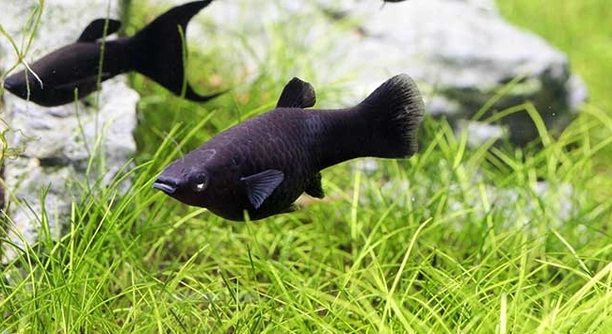
Many aquarium owners enjoy keeping black mollies because of their striking appearance and lively behavior. These fish are generally hardy, but caring for them properly requires understanding the role of water quality in their health.
Using tap water for black mollies without a conditioner is not recommended. Tap water often contains chlorine, chloramines, and heavy metals that can harm the fish’s sensitive gills and skin. Treating the water ensures a safe and stable environment.
Knowing how to prepare water properly is essential for maintaining healthy black mollies and avoiding common health problems in the aquarium.
Why Tap Water Can Be Risky for Black Mollies
Tap water often contains chemicals like chlorine and chloramines that are added to make it safe for human use. While these chemicals protect us, they can be very harmful to black mollies. These fish have delicate gills and skin that can be easily irritated or damaged by untreated tap water. Heavy metals, such as copper or lead, may also be present in municipal water supplies. Even in small amounts, these metals can build up in the fish’s body over time, leading to stress, weakened immunity, or illness. The temperature and pH of tap water can also fluctuate, which may cause additional stress for black mollies. Because of these factors, relying on tap water without proper treatment is risky. Using a water conditioner or dechlorinator can neutralize harmful chemicals and make the water safe. Proper water preparation is a small step that has a major impact on the long-term health of your fish.
Using treated water ensures black mollies thrive and reduces the likelihood of disease or early mortality.
Even small mistakes with water preparation can lead to noticeable health issues. Black mollies may develop fin rot, gill irritation, or unusual swimming behavior if exposed to untreated tap water. Consistent monitoring of water parameters, such as pH, hardness, and temperature, is important. Using a reliable water conditioner helps neutralize chlorine, chloramines, and heavy metals instantly, making the water safe. Some conditioners also add minerals that support the fish’s immune system. Slowly acclimating mollies to new water further reduces stress, which improves their overall well-being. Skipping this step may save time initially but often leads to more problems, including expensive treatments or the loss of fish. Maintaining a routine of water testing, partial water changes, and careful observation ensures your black mollies remain healthy and active, displaying their full color and natural behavior in the aquarium.
Choosing the Right Water Conditioner
Not all water conditioners are the same, and choosing the correct one matters for black mollies.
Look for conditioners that remove chlorine, chloramines, and heavy metals while supporting overall fish health. Some products include additional ingredients that enhance slime coat protection, which helps prevent infections. It is important to measure the correct dosage based on the volume of water in your tank, as overuse can also affect water chemistry. Using a trusted brand and following instructions ensures that the fish are exposed to a safe, stable environment. Regular water changes combined with proper conditioning keep stress levels low and allow black mollies to thrive naturally. Checking expiration dates and storing the conditioner in a cool, dark place maintains its effectiveness. Small details like these make a significant difference in aquarium maintenance.
Preparing Tap Water Properly
Even if your tap water looks clean, it needs treatment before adding black mollies. Chemicals like chlorine and chloramines can harm them immediately, and metals can accumulate over time. Using a reliable water conditioner makes the water safe quickly and effectively.
Treating tap water properly involves several steps. First, measure the tank’s volume to determine the correct amount of conditioner. Next, add the conditioner according to the instructions, ensuring complete mixing. Some conditioners require a waiting period, while others work instantly. Testing water parameters like pH, hardness, and temperature is also important. Adjustments may be necessary to match black mollies’ preferred conditions. Slowly acclimating fish to treated water reduces stress and prevents shock. This method protects their gills, skin, and overall health, ensuring they thrive in their new environment without unnecessary risk.
Water changes also require attention. Replace only a portion of the tank water at a time, treating the new water fully. Sudden changes in temperature or chemical levels can stress black mollies, causing illness. Consistent maintenance and careful observation prevent common problems such as fin damage or unusual swimming patterns. Regular monitoring helps detect issues early, and conditioned water ensures a stable environment. Over time, following these steps keeps black mollies healthy, active, and vibrant, with minimal risk from tap water exposure.
Signs Your Black Mollies Are Stressed
Stress in black mollies often appears as rapid gill movement, clamped fins, or hiding more than usual. Poor water quality is a common cause. Observing behavior regularly helps catch problems early.
Fish may also display color fading, erratic swimming, or loss of appetite when stressed. These symptoms can result from untreated tap water or sudden changes in temperature, pH, or hardness. Using conditioned water reduces chemical exposure and provides a safer environment. Gradual acclimation during water changes prevents shock, while keeping water parameters stable promotes normal behavior. Stress weakens the immune system, making black mollies more susceptible to disease, so early detection and proper treatment are crucial.
Maintaining a stress-free environment requires routine care. Regular partial water changes with fully conditioned water prevent chemical buildup. Avoid overfeeding, and keep tank companions compatible to reduce aggression. Monitor water temperature and pH consistently to match their preferred conditions. Observing their behavior daily allows you to detect subtle changes, such as slight color loss or unusual swimming patterns, which indicate stress before it becomes severe. By combining careful water preparation, proper conditioning, and attentive observation, black mollies remain healthy, active, and display their full vibrant color naturally.
Adjusting Water Temperature
Black mollies prefer water between 72°F and 78°F. Sudden changes can stress them and lead to illness. Maintaining a stable temperature is essential, especially when using tap water that may differ from the tank’s current temperature.
Using a reliable heater with a thermostat ensures consistency. Avoid placing the tank near drafts or direct sunlight. Gradual adjustments when introducing new water prevent shock. Checking the temperature daily helps catch fluctuations early, keeping black mollies comfortable and healthy.
Monitoring pH Levels
Black mollies thrive in slightly alkaline water, around pH 7.5 to 8.5. Untreated tap water can shift pH quickly, stressing fish and affecting their health. Regular testing keeps conditions stable and safe.
Gradual Water Changes
Replace 20–30% of the tank water at a time to avoid shocking the fish. Treat all new water with conditioner before adding it. This routine keeps chemical levels low and provides a healthier environment for black mollies.
Avoiding Overuse of Conditioner
Too much water conditioner can alter water chemistry and harm fish. Follow the product instructions carefully, and measure precisely to maintain a balanced, safe environment for black mollies.
Can black mollies survive in tap water without conditioner?
Black mollies are sensitive to chemicals found in tap water, including chlorine and chloramines. Without conditioner, exposure can irritate their gills, damage their skin, and weaken their immune system. Over time, untreated water increases the risk of illness or sudden death, so survival without treatment is unlikely in most cases.
How often should I treat tap water before adding it to the tank?
Every time you add tap water to the tank, it should be treated. Even small top-offs can introduce harmful chemicals or metals. Treating water consistently ensures stability in chemical levels and prevents stress. Using a conditioner each time avoids fluctuations in chlorine, chloramines, or heavy metals that could affect black mollies’ health.
Can I use filtered or boiled water instead of conditioner?
Filtered water can remove some impurities, but it does not always remove chlorine or chloramines completely. Boiling tap water removes chlorine but does not affect chloramines or heavy metals. A water conditioner is still necessary to neutralize these substances and provide additional protection for your fish. Relying solely on filtration or boiling can leave black mollies at risk.
Will tap water affect the color of black mollies?
Poor water quality can lead to stress, which often shows in faded or dull coloration. Black mollies rely on stable, clean water to maintain their vibrant black sheen. Untreated tap water containing chemicals or heavy metals can reduce their natural vibrancy, making them appear less healthy and lively over time.
Is it safe to switch directly from untreated tap water to conditioned water?
Switching directly is not recommended. Sudden changes in water chemistry, temperature, or pH can shock black mollies. It is better to gradually mix conditioned water with the tank water while monitoring the fish. Slowly acclimating them to the treated water reduces stress and prevents health problems related to sudden environmental changes.
Do I need to treat water for new tank setups differently?
New tanks still require treated water. Even if the tank is empty, tap water contains chlorine, chloramines, and metals that can harm fish once introduced. Conditioning the water before adding black mollies ensures a safe environment from the start. Additionally, monitoring pH, hardness, and temperature helps create stable conditions for long-term health.
Can black mollies tolerate small amounts of chlorine in tap water?
Even small amounts of chlorine can irritate black mollies over time. Repeated exposure weakens their immune system, increases stress, and may lead to disease. A water conditioner neutralizes chlorine instantly, protecting both gills and skin. Consistent treatment is better than risking cumulative damage from untreated tap water.
How do I know if my conditioner is working effectively?
Check the water parameters after treatment. Chlorine and chloramine test kits can confirm that harmful chemicals have been neutralized. Observing your black mollies for normal behavior, bright coloration, and healthy fins also indicates effective conditioning. Using a trusted, high-quality conditioner ensures consistent results each time water is added.
Can I use tap water for black mollies if I let it sit for a day?
Letting water sit may remove some chlorine but does not eliminate chloramines or metals. This method is unreliable for creating a safe environment. Using a water conditioner is faster, more effective, and provides protection immediately, ensuring that black mollies are not exposed to harmful chemicals while waiting for water to settle.
Are there any long-term effects of using untreated tap water?
Long-term exposure to untreated tap water can cause chronic stress, stunted growth, fin damage, and a weakened immune system in black mollies. Over time, this increases susceptibility to infections and reduces lifespan. Regular treatment with a proper water conditioner prevents these issues and supports their overall health and vitality in the aquarium.
Can I mix tap water with bottled water for black mollies?
Mixing tap water with bottled water can reduce chemical concentrations but does not guarantee safety. Bottled water often lacks minerals needed for fish health. Treating the mixture with a conditioner is still necessary to neutralize chlorine, chloramines, and metals while providing a balanced environment for black mollies to thrive.
How soon can I add black mollies to treated tap water?
Most water conditioners work instantly, making the water safe to use immediately after treatment. However, checking temperature, pH, and other parameters ensures conditions match the tank. Gradually acclimating the fish when adding them reduces stress and helps them adjust comfortably to the treated water.
Can untreated tap water cause disease in black mollies?
Yes, untreated tap water can stress black mollies and compromise their immune system, making them more susceptible to bacterial or fungal infections. Using conditioned water minimizes these risks and creates a healthier environment that supports normal behavior, growth, and natural coloration over time.
Are there conditioners specifically for black mollies?
Most general aquarium water conditioners are suitable for black mollies. Look for products that neutralize chlorine, chloramines, and heavy metals while supporting the fish’s slime coat and overall health. Specialized conditioners with additional minerals may offer added benefits, but basic high-quality conditioners are sufficient for keeping black mollies safe in tap water.
How do I safely transition my black mollies to a new tap water source?
Mix small amounts of treated water with the existing tank water gradually over several hours. Monitor the fish for signs of stress, such as hiding, clamped fins, or rapid gill movement. Slowly increasing the ratio of treated water while maintaining stable temperature and pH ensures a smooth transition and prevents health issues.
Can black mollies survive in well water without conditioner?
Well water may lack chlorine but can contain other harmful substances like metals, nitrates, or bacteria. A water conditioner that neutralizes metals and balances the water chemistry is still recommended. Even naturally sourced water requires testing and treatment to ensure a safe environment for black mollies.
Does water hardness affect the need for conditioner?
Water hardness alone does not eliminate harmful chemicals in tap water. Conditioners are still necessary to remove chlorine, chloramines, and metals. Adjusting hardness may be important for black mollies’ comfort, but it does not replace the need for proper chemical neutralization before adding the fish.
What happens if I accidentally use untreated tap water once?
A single exposure may not be fatal, but it can cause temporary stress or gill irritation. Repeated exposure increases risks of disease and long-term health problems. Treating water consistently is the safest approach to maintain black mollies’ health and prevent subtle, cumulative damage over time.
Are there natural alternatives to chemical conditioners?
Some hobbyists use natural methods, like adding driftwood or Indian almond leaves, which release tannins and can slightly reduce chlorine. However, these methods are not as reliable as a water conditioner. For full protection against chlorine, chloramines, and metals, a proper chemical conditioner is necessary to ensure the safety of black mollies.
How do I maintain safe water after initial conditioning?
Regular partial water changes with treated water keep chemical levels low and stable. Testing pH, hardness, and temperature ensures conditions remain suitable. Using conditioner for every new addition of water protects the fish continuously, preventing stress, maintaining vibrant coloration, and supporting overall health in the long term.
Using tap water for black mollies without treatment is risky, even if the water looks clean. Tap water contains chlorine, chloramines, and sometimes heavy metals that are harmful to fish. These chemicals can irritate gills, damage skin, and weaken their immune system. Over time, untreated water can cause stress, illness, or even death. Conditioning the water before adding black mollies helps remove these harmful substances and provides a stable, safe environment. This small step has a big impact on their health and longevity. Regular treatment ensures that chemical levels remain low, preventing potential long-term problems that might not be immediately visible.
Properly prepared water also supports black mollies’ behavior and appearance. Stress from poor water quality can make them hide more, swim erratically, or lose appetite. Their coloration can fade, and fins may become damaged or develop rot. Using a water conditioner not only neutralizes harmful chemicals but can also add minerals that help protect the slime coat and support overall health. Monitoring water parameters such as temperature, pH, and hardness alongside proper conditioning creates a stable environment where black mollies can thrive. Gradual acclimation to treated water further reduces stress and helps the fish adjust comfortably. Keeping a close eye on their behavior and appearance allows for early detection of any issues, helping to prevent long-term health problems.
Maintaining black mollies is easier and more effective when proper water care is a priority. Regular partial water changes, combined with fully conditioned water, reduce chemical buildup and provide fresh, safe water for the fish. Avoid overuse of conditioners, follow instructions carefully, and measure accurately to maintain balance in the tank. Consistency is key—every water change or top-off should be treated to prevent sudden exposure to harmful substances. Over time, these simple steps create an environment where black mollies remain healthy, active, and vibrant. Taking the time to treat water properly may seem small, but it ensures the fish live longer, display natural behavior, and maintain their beautiful black coloration without stress or illness. Proper water care is a fundamental part of black molly care that cannot be overlooked.

Hello,
If you enjoy the content that we create, please consider saying a "Thank You!" by leaving a tip.
Every little bit helps us continue crafting quality advice that supports the health, happiness, and well-being of pets around the world, for pets of all shapes, sizes, and species.
We really appreciate the kindness and support that you show us!