
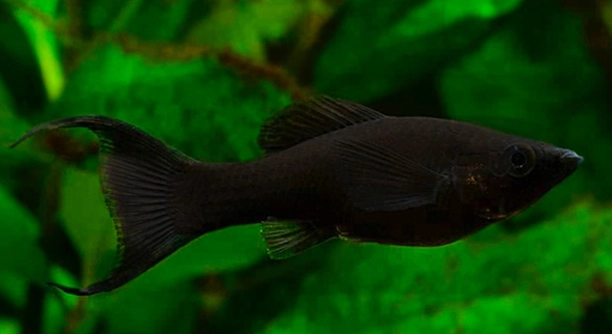
Are your black molly fish becoming unusually still, leaving you trying to understand their quiet behavior as they rest near the bottom and move less throughout the day in your peaceful home aquarium setting today.
Reduced movement in black molly fish often stems from stress, poor water quality, low oxygen, illness, or temperature shifts. These factors impair normal functioning and behavioral activity, leading to reduced motion that indicates environmental or health issues requiring proper evaluation.
This understanding helps you identify the cause behind their stillness, guiding you toward creating a healthier and stable aquarium environment.
Common Reasons for Reduced Movement
My black molly fish have shown moments of stillness in the past, and understanding the reasons behind it helped me support their health with more confidence. Reduced movement is often connected to stress from sudden changes, unnoticed water issues, or subtle shifts in temperature that affect their comfort. When their surroundings feel unstable, they tend to stay in one spot, hoping for conditions to settle again. Poor water quality can make them lethargic, especially when ammonia or nitrite levels rise above safe limits. Low oxygen also affects their energy, leading them to rest near the bottom where they feel steadier. Some illnesses create slow behavior too, particularly when the fish struggle to breathe or maintain balance. Observing their tank closely, checking the filter, and reviewing recent changes can reveal helpful clues. Each small adjustment you make can gently guide them back toward normal activity and a calmer routine each day.
Small improvements in water quality and stability often make a noticeable difference, helping your black molly regain steady movement with time. Paying attention to their behavior helps you respond early and keep their tank comfortable, creating a safe space where they can relax and recover more easily as they heal.
Keeping a close eye on their surroundings is essential when your black molly slows down. A gentle review of temperature, filtration, and recent changes often highlights simple fixes that improve their comfort. Clean water encourages stable breathing, while steady oxygen levels support their energy. If you notice any unusual marks, clamped fins, or heavy gill movement, isolating the fish for observation may help you understand their needs with more clarity. Slow movement is often a sign they want calmer conditions, and adjusting their tank with patience can guide them back to normal behavior without overwhelming them in the coming days.
How to Help Your Black Molly Recover
Supporting your black molly during periods of low movement starts with steady conditions and thoughtful care that keeps their tank predictable. Small checks on temperature, oxygen, and cleanliness help you protect their comfort and give them a peaceful environment where they can settle and regain their usual rhythm safely again.
Creating a stable environment is the most effective way to help your black molly become active again. Begin by reviewing the temperature to ensure it stays within a comfortable range, as sudden changes often affect how they move and rest. Clean water is essential, so keeping ammonia, nitrite, and nitrate levels in check supports their breathing and reduces stress. A functioning filter with steady flow helps maintain clarity and oxygen, giving them a healthier space to move freely. If the tank feels crowded, reducing stress by adjusting stocking levels can guide them toward a calmer state. Watching for small signs, such as clamped fins or unusual spots, can help you understand if illness is affecting their behavior. Gentle feeding routines with fresh food add stability, encouraging consistent energy throughout the day. When improvements are needed, making changes slowly prevents shock and gives them time to adjust. Each thoughtful step you take builds a safer environment that supports their comfort. Over time, these steady conditions help your black molly return to a more natural pattern, allowing them to swim with ease and settle into a balanced routine that feels predictable and reassuring for both you and your tank.
xxxxxxxxxxxxxxxxxxx
Stabilizing your black molly’s environment begins with small checks that keep stress low and comfort steady. I focus on water quality first, because clean conditions support normal breathing and energy. Simple adjustments often bring noticeable changes, helping the fish settle and recover without overwhelming them during sensitive moments each day.
I check the filter, temperature, and oxygen levels whenever my black molly slows down, because these areas influence how securely they move and rest. Steady filtration keeps the water clear, while stable warmth supports their metabolism. I watch for signs like clamped fins or slow gill movement, since these usually signal discomfort. When I notice small issues, I correct them calmly to avoid sudden shifts that add pressure. Clean water changes, gentle feeding routines, and consistent lighting all play a role in helping them regain energy. These steps create an environment where my fish can recover at a comfortable pace.
Supporting your black molly also means limiting stress from their surroundings so they can rebuild strength slowly. I avoid unnecessary decorations that restrict movement or create sudden reflections that may startle them. A calm tank encourages smoother activity and allows the fish to settle into their usual rhythm again. If multiple fish share the tank, I watch for any signs of bullying, since pressure from other fish can affect confidence and energy. Adjusting their space with care helps them feel secure. Over time, their movements grow steadier as they adapt to balanced conditions that protect their comfort and daily routine.
xxxxxxxxxxxxxxxxxxx
Consistent maintenance keeps your black molly active by reducing stress linked to unstable conditions in their tank. I focus on gentle routines that avoid sudden changes, because predictable care helps them adjust with ease. Clean water, adequate oxygen, and steady temperature form the foundation of their comfort. When these elements remain balanced, the fish feel more secure and move with greater ease, showing smoother behavior throughout the day as they regain their usual rhythm again.
Maintaining stable conditions starts with simple habits that create a predictable environment your black molly can rely on. I begin with regular water checks, making sure ammonia, nitrite, and nitrate levels remain within safe limits so their breathing stays steady and comfortable. A functioning filter prevents buildup that can affect movement, while consistent temperature supports their energy. I avoid sudden changes to decorations or lighting, since even small disruptions can influence how confidently the fish explore their space. When feeding, I keep portions moderate to prevent waste that might disturb water clarity. These routines help the fish remain calm and encourage gradual improvement in their activity. Over time, steady care gives them the stability they need to move freely and maintain a relaxed rhythm within their tank.
xxxxxxxxxxxxxxxxxxx
I keep a close eye on how my black molly responds after I adjust their tank, because small changes often tell me whether they feel more at ease. Their movement becomes smoother when the environment supports steady breathing and balanced comfort throughout the day.
Regular observation helps me notice subtle shifts in behavior that point to stress or discomfort. When I see signs like clamped fins or slow swimming, I step in gently to adjust their surroundings. Small improvements often help them regain a calm and steady rhythm again.
xxxxxxxxxxxxxxxxxxx
When my black molly shows signs of low activity, I review their diet to make sure they receive food that supports energy without overwhelming their system. I choose simple, balanced meals that keep digestion smooth and prevent leftover waste from disturbing the water. Overfeeding creates stress that slows movement, so I offer small portions they can finish easily. Fresh, high quality flakes or pellets mixed with occasional treats provide steady nutrition. Clean feeding routines help stabilize the tank, reduce stress, and give the fish the support they need to regain normal activity. These gentle steps keep their environment calm and predictable.
xxxxxxxxxxxxxxxxxxx
I also make sure the tank stays quiet, because sudden noise or movement around their space can unsettle my black molly. A peaceful environment encourages steady activity and helps them feel safe enough to move comfortably again.
FAQ
Why is my black molly staying at the bottom of the tank?
When my black molly stays near the bottom, it usually signals stress, low oxygen, or temperature changes. I check water quality and filter function first because stagnant or dirty water often causes this behavior. Ensuring a steady environment encourages them to explore other areas again.
Could illness be making my black molly inactive?
Yes, sickness often shows as slow movement or hiding. I look for signs like clamped fins, spots, or unusual gill activity. Isolating the fish and monitoring water quality helps me determine whether medical attention or environment adjustments are needed to improve activity.
How does water temperature affect movement?
Black mollies are sensitive to temperature fluctuations. I maintain water between 75-82°F because cooler or warmer water slows metabolism, causing lethargy. Using a reliable heater and thermometer ensures steady conditions, allowing the fish to move naturally without stress.
Can poor water quality cause low activity?
Absolutely. High ammonia, nitrites, or nitrates make my fish sluggish and prone to hiding. I perform regular water tests and partial water changes to maintain safe levels. Clean water encourages normal swimming patterns and reduces stress-related inactivity.
Does tank size affect their energy?
A cramped tank can limit movement. I notice my black molly becomes less active in crowded conditions. Providing enough space, hiding spots, and proper filtration allows them to swim freely and feel safe, which increases overall activity.
How often should I feed my black molly to maintain activity?
Feeding too much or too little affects movement. I feed small portions once or twice daily, enough for them to finish quickly. Overfeeding causes stress and water pollution, while underfeeding reduces energy levels, both leading to less swimming and sluggish behavior.
Can other fish influence my black molly’s movement?
Yes, tankmates affect confidence and energy. Aggressive or overly active fish can make my black molly hide or move less. I observe interactions carefully and rearrange decorations to provide safe zones, reducing stress and encouraging balanced swimming behavior.
Are decorations and plants important for activity?
Yes, they offer security. I add plants and smooth decorations for hiding spots and resting areas. When the tank feels safe, my black molly moves more confidently. Sparse or sharp environments can increase stress and result in lethargy, so I maintain a balanced layout.
Does lighting affect their movement?
Lighting impacts daily rhythm. I keep a consistent schedule with moderate light. Too bright or erratic lighting causes hiding or sluggish movement. Predictable lighting helps them feel secure and encourages normal swimming activity.
When should I worry about persistent inactivity?
If inactivity continues after improving water quality, temperature, diet, and stress factors, it may indicate illness. I isolate the fish, observe for additional symptoms, and consult a vet if necessary. Persistent lethargy usually points to underlying health or environmental problems that need attention.
Can stress from handling cause low activity?
Yes, frequent netting or sudden tank changes make my black molly hide or remain still. I handle fish minimally and perform gentle water changes. Reducing handling stress allows them to regain energy and swim normally.
Do seasonal changes affect their behavior?
Occasionally, temperature fluctuations in the house can affect movement. I monitor room and tank temperature closely during seasonal shifts to ensure stability. Even small drops in warmth can reduce activity, so I adjust heating and insulation to keep conditions steady.
Is it normal for black mollies to have periods of low activity?
Yes, short periods of resting are normal, especially after feeding or during nighttime. I differentiate normal rest from lethargy by observing their response to stimuli, appetite, and regular swimming patterns. Regular checks help me identify when behavior is typical versus concerning.
How long does it take for black mollies to regain activity after stress?
Recovery time varies. After correcting water quality, temperature, and stressors, I often see improvement within a few days, though some fish may take a week. Patience and consistent care ensure they return to normal swimming patterns without added pressure.
Can water flow affect activity levels?
Strong currents can tire my black molly, reducing movement. I adjust filter flow to a moderate level, giving them room to swim comfortably. Gentle water flow promotes energy conservation and encourages natural movement without stress.
Does diet variety influence their energy?
Yes, a varied diet keeps them active. I provide high-quality flakes, occasional live food, and vegetables. Balanced nutrition supports metabolism, enhances energy, and encourages regular swimming. Monotonous diets often result in sluggish behavior.
Can age impact activity?
Older black mollies tend to move less. I notice younger fish are more energetic, while older ones rest more frequently. Age-related changes are normal, but consistent care and stable conditions still encourage comfortable and safe movement.
Are temperature spikes dangerous for activity?
Sudden temperature spikes quickly reduce movement and cause stress. I monitor heaters and avoid placing the tank near direct sunlight or vents. Maintaining steady conditions keeps them active and prevents health issues caused by abrupt changes.
Do water hardness and pH affect movement?
Yes, black mollies prefer moderately hard water with a stable pH around 7.0-8.0. Fluctuations can reduce energy and swimming confidence. I test these levels regularly to maintain a supportive environment for their daily activity and overall well-being.
Can disease prevention improve energy?
Preventative care reduces inactivity. I quarantine new fish, maintain clean water, and observe behavior regularly. These practices limit the spread of disease and help my black molly maintain steady energy and normal movement patterns.
How do I know if my black molly is recovering?
Recovery shows in smoother swimming, regular exploration, and normal appetite. I track behavior changes after water adjustments, feeding routines, and stress reduction. Gradual improvement signals the fish is adapting well to a stable and supportive environment.
Is it important to monitor behavior daily?
Yes, daily observation allows me to detect subtle signs of stress, illness, or discomfort. Monitoring ensures timely corrections in water quality, temperature, or tank conditions, keeping my black molly active, comfortable, and healthy.
How long can black mollies stay inactive before it becomes serious?
Extended inactivity beyond a few days often signals a problem. I watch for additional signs like loss of appetite, unusual marks, or labored breathing. Quick intervention prevents serious health issues and supports a safe recovery for the fish.
Can stress from overcrowding affect long-term activity?
Yes, overcrowding reduces energy and confidence. I maintain appropriate tank size and monitor social interactions. Providing enough space and hiding areas encourages normal movement and prevents long-term lethargy caused by constant competition or bullying.
Does filtration noise impact swimming behavior?
Excessive filter noise or vibration can make my black molly uneasy, reducing movement. I choose quiet filters and ensure they are functioning efficiently. A calm, stable environment supports natural activity and prevents unnecessary stress.
Are sudden water changes harmful?
Yes, abrupt water changes can shock my black molly, causing hiding or sluggish behavior. I perform gradual, partial water changes to maintain stability while improving water quality, keeping movement consistent and reducing stress during maintenance.
Can adding plants improve activity?
Yes, plants provide security and encourage exploration. I add live or artificial plants to give hiding spots and resting areas. A well-planted tank allows the fish to feel safe, increasing confidence and promoting smoother, more frequent swimming throughout the day.
Do seasonal light cycles influence movement?
Yes, irregular light schedules can confuse black mollies. I maintain a consistent day-night cycle with predictable lighting. Regular light patterns help regulate energy levels and swimming behavior, preventing sluggish periods caused by sudden or inconsistent illumination.
How does tank location affect activity?
Placement matters. I avoid high-traffic areas or noisy spots, as these increase stress. A stable, quiet location reduces fear and encourages normal movement. Observing their comfort in relation to surroundings helps me create an environment where they can swim freely and confidently.
What role does oxygen play in activity?
Oxygen levels directly affect energy. I use aeration or surface agitation to maintain proper oxygenation. Low oxygen slows metabolism and movement, while steady levels support normal swimming patterns and overall health, helping the fish feel comfortable and active.
How often should I test water parameters?
I test water weekly for ammonia, nitrites, nitrates, pH, and hardness. Frequent monitoring prevents sudden issues that reduce activity. Keeping parameters stable ensures my black molly maintains energy and swims normally, avoiding stress-induced lethargy.
Can stress from tankmates cause hiding?
Yes, aggressive or active fish cause my black molly to stay still or hide. I observe interactions, provide hiding spots, and rearrange decorations if needed. A calm social environment encourages confident movement and reduces periods of inactivity caused by fear or intimidation.
Is inactivity a sign of aging?
Older fish naturally slow down. I notice my black molly rests more with age, though steady care keeps them comfortable. Differentiating normal aging from illness is key; monitoring appetite, swimming confidence, and responsiveness ensures they remain healthy despite slower activity.
How long does it take for black mollies to adjust to new tanks?
Adjustment often takes a few days to a week. I watch for stress signs, provide hiding spots, and maintain stable conditions. Gradual acclimation supports normal movement, helping the fish feel secure and encouraging exploration as they adapt to the new environment.
Can temperature swings affect appetite and movement?
Yes, sudden temperature changes reduce appetite and slow swimming. I maintain steady warmth to support energy levels and regular feeding. Stable temperatures help my black molly stay active, prevent lethargy, and maintain a predictable routine.
Do frequent water tests stress the fish?
Minimal stress occurs if tests are done carefully. I perform tests calmly and avoid excessive handling. Observing results helps me maintain water quality without disrupting the fish’s comfort, supporting regular swimming and reducing inactivity caused by unstable conditions.
How can I prevent recurring inactivity?
Consistent care is essential. I maintain stable water parameters, provide proper nutrition, monitor tankmates, and ensure a peaceful environment. Preventative steps minimize stress, illness, and energy loss. Regular observation and gradual adjustments keep my black molly active and comfortable long-term.
Can poor nutrition cause lethargy?
Yes, inadequate or low-quality food reduces energy. I feed a balanced diet with variety to support metabolism and stamina. Proper nutrition encourages swimming and exploration, while poor feeding routines often result in sluggish behavior.
Does water hardness impact energy?
Yes, black mollies prefer moderate hardness. I monitor and adjust as needed. Improper hardness affects metabolism and movement. Maintaining stable hardness ensures energy levels stay consistent, supporting regular swimming and overall health.
Can stress from frequent visitors affect activity?
Yes, sudden noise or vibrations from visitors can make my black molly hide or move less. Keeping the tank in a calm area with minimal disruptions encourages regular activity and reduces stress-related lethargy.
How do I know when inactivity is normal?
Short rest periods after feeding or at night are typical. I watch for appetite, gill movement, and responsiveness to distinguish normal rest from concerning lethargy. Regular observation helps me identify when intervention is necessary.
Does tank temperature affect breeding activity?
Yes, cooler or unstable temperatures reduce movement and mating behavior. I maintain warm, consistent conditions to support natural activity. Stable temperature encourages swimming, exploration, and overall comfort in the tank.
How important is gradual acclimation for new water?
Very important. Sudden changes shock the fish and reduce movement. I introduce new water slowly to maintain stable conditions, helping black mollies remain active and comfortable while avoiding stress-induced lethargy.
Can strong currents reduce energy?
Yes, strong flow tires the fish. I adjust filter flow to moderate levels to conserve energy, allowing smoother swimming and more frequent activity. Gentle currents help maintain normal movement without stress or fatigue.
Do black mollies need hiding spots to feel active?
Yes, hiding spots give confidence. I provide plants, decorations, and smooth surfaces for security. Feeling safe encourages exploration and movement. Without adequate cover, fish may remain still due to fear, reducing normal activity levels.
How does oxygenation influence recovery from inactivity?
Proper oxygen supports metabolism and swimming. I use aeration to maintain consistent oxygen levels. Adequate oxygen helps black mollies regain energy, improves movement, and supports recovery from stress or environmental changes.
What role does consistent routine play?
Routine reduces stress and inactivity. I feed, check water, and maintain lighting on a schedule. Predictable routines help my black molly feel secure, supporting regular swimming, energy, and overall health.
How long can black mollies remain inactive safely?
Short periods are normal, but prolonged inactivity signals stress or illness. I intervene within a few days if inactivity persists, adjusting water, diet, or tank conditions to restore normal movement.
Can overcrowding cause long-term lethargy?
Yes, crowded tanks reduce activity. I provide ample space, hideouts, and monitor interactions to prevent stress. Reducing competition encourages steady swimming and helps black mollies remain active over time.
Does diet frequency influence swimming?
Yes, consistent feeding encourages energy. I feed small portions once or twice daily. Balanced frequency supports metabolism and prevents lethargy, promoting steady swimming and exploration throughout the day.
Can partial water changes improve movement?
Yes, partial water changes refresh oxygen, reduce toxins, and stabilize temperature. I perform gradual changes to improve water quality without shocking the fish, encouraging normal swimming and energy recovery.
Is inactivity always a sign of disease?
Not always. Temporary lethargy can result from stress, temperature shifts, or rest periods. I observe appetite, responsiveness, and environmental conditions to determine whether illness is involved or normal resting behavior.
Can sudden tank rearrangements affect activity?
Yes, abrupt changes increase stress and hiding behavior. I rearrange carefully, maintaining familiar landmarks. Gradual adjustments support comfort, allowing black mollies to swim confidently and return to normal activity.
Does lighting intensity affect activity?
Bright or inconsistent lighting can make my black molly hide or move less. I maintain moderate, steady lighting to promote regular swimming and reduce stress-induced inactivity.
How important is water pH for activity?
Stable pH ensures comfort. I monitor levels around 7.0-8.0, as fluctuations reduce energy and swimming confidence. Maintaining consistent pH supports normal activity and overall health.
Can stress from handling affect long-term movement?
Frequent handling can cause temporary or prolonged lethargy. I minimize direct contact, performing maintenance calmly to reduce stress. Less handling encourages confidence and normal swimming behavior.
Do seasonal changes impact swimming patterns?
Yes, fluctuations in room temperature or lighting can reduce energy. I adjust heating and light schedules to maintain consistent conditions, helping black mollies move steadily and comfortably.
How do I encourage recovery from extended inactivity?
Stable environment, clean water, moderate temperature, balanced diet, and minimal stress promote recovery. I observe daily, making gradual adjustments to encourage normal movement. Patience ensures safe and effective restoration of energy and activity.
Can water hardness swings reduce activity?
Yes, rapid changes can stress fish. I monitor and maintain moderate hardness levels to support metabolism and swimming, preventing lethargy caused by abrupt shifts.
Are there natural signs of recovery?
Yes, increased swimming, curiosity, and appetite indicate improvement. I note gradual changes, signaling adaptation to stable conditions and restored energy, confirming their comfort and normal activity.
Does consistent tank maintenance prevent inactivity?
Absolutely. I follow regular checks for water quality, temperature, oxygen, and social conditions. Consistent care reduces stress, supports energy, and keeps black mollies moving comfortably.
Can oxygenation alone restore activity?
It helps, but only with stable water quality and temperature. I combine aeration with clean water and balanced conditions to encourage full recovery and normal swimming.
Does age-related slowing require special care?
Yes, older fish need gentle routines, stable conditions, and proper diet. I adjust feeding and environment to maintain energy while respecting natural age-related behavior changes.
How can I tell if black molly is fully recovered?
Regular swimming, normal appetite, responsive behavior, and exploration indicate recovery. I continue monitoring for weeks to ensure they maintain energy and comfort in the tank.
Can partial water changes shock the fish?
Yes, sudden large changes reduce activity. I perform gradual, partial changes to improve water without stress, supporting normal swimming and energy levels.
Is hiding behavior always concerning?
Not always. Short-term hiding is normal. Persistent hiding combined with inactivity, clamped fins, or poor appetite signals stress or environmental issues that require attention.
Do black mollies adapt to new tanks quickly?
It varies. Some adjust in days, others in a week. I provide stable water, hiding spots, and calm surroundings to support smooth adaptation and normal movement.
How can I prevent inactivity caused by stress?
Stable water, proper temperature, minimal handling, gentle feeding, and calm tankmates reduce stress. I maintain predictable routines and comfortable surroundings to support energy and regular swimming behavior.
Can poor nutrition cause long-term lethargy?
Yes, insufficient or unbalanced food reduces energy over time. I provide varied, high-quality diets to maintain metabolism, stamina, and activity, preventing chronic inactivity.
Do black mollies need routine observation to stay healthy?
Yes, daily checks for behavior, water quality, and interactions help prevent issues. Consistent monitoring ensures timely intervention and supports steady energy and normal activity.
Can sudden light changes stress black mollies?
Yes, abrupt changes reduce movement. I maintain predictable, moderate lighting to support comfort and encourage consistent swimming.
How does tank location influence activity?
High-traffic or noisy areas increase stress. I place the tank in a calm, quiet spot to reduce disturbances, promoting normal swimming and comfort.
Is regular water testing necessary for activity?
Yes, I test parameters weekly to ensure stability. Regular checks prevent conditions that reduce energy, helping black mollies remain active and healthy.
Does tank decoration impact swimming behavior?
Yes, appropriate plants and decorations provide hiding spots and safe areas. A well-arranged tank encourages exploration and steady activity, reducing fear-related inactivity.
Can multiple stress factors combine to reduce movement?
Yes, temperature shifts, poor water quality, overcrowding, and aggressive tankmates together amplify lethargy. I address each factor calmly to restore energy and normal behavior.
How do I maintain long-term activity in black mollies?
Consistent care, balanced diet, clean water, stable temperature, proper oxygenation, hiding spots, and calm tankmates promote ongoing activity. Daily observation ensures timely adjustments and sustained health.
Can minor inactivity be ignored?
Short rest periods are fine, but I watch closely for patterns or additional symptoms. Prolonged or combined signs require intervention to prevent health issues.
Do black mollies respond quickly to improved conditions?
Often within days, I notice smoother swimming, appetite, and exploration. Patience
Final Thoughts
Black mollies are delicate fish that rely heavily on stable conditions to maintain normal activity. I have learned that even minor changes in water quality, temperature, or tank setup can influence their behavior significantly. Observing them daily allows me to notice subtle shifts in swimming patterns or appetite that often indicate stress or discomfort. Over time, I realized that addressing these issues quickly can prevent long-term problems and improve their overall well-being. Maintaining consistent water parameters, a comfortable temperature range, and adequate oxygenation creates a foundation for their health. In addition to environmental stability, I pay attention to tankmates and the layout of decorations. Providing enough space and hiding spots reduces stress and encourages my black molly to explore freely. These small adjustments create a calm environment that supports both energy and confidence, allowing the fish to move naturally without hesitation.
Nutrition also plays a major role in their activity levels. I provide a balanced diet with high-quality flakes, occasional live food, and vegetable supplements. Overfeeding or underfeeding can have an immediate effect on energy levels, so careful portioning is important. Balanced nutrition supports metabolism, stamina, and normal movement, while poor feeding routines can lead to sluggish behavior and reduced interaction with the tank environment. I also monitor feeding habits closely, noting how quickly the fish consume their meals and whether they display interest in food. Changes in appetite often serve as an early warning sign that something in their tank or health may need attention. Combining proper diet with regular maintenance and stress reduction allows black mollies to regain energy quickly when they have been inactive. Over time, I noticed that small, consistent efforts in these areas have a cumulative effect on their overall health and activity, making them more predictable and easier to care for.
Consistency is key to keeping black mollies active and healthy. I have found that stable water quality, regular feeding routines, calm tankmates, and a well-arranged environment all work together to create a supportive space. Daily observation is important because it helps detect subtle changes before they escalate into more serious issues. Even when a black molly becomes temporarily inactive, understanding the possible causes and responding with gentle adjustments can restore their energy and swimming confidence. Patience and careful attention allow me to maintain a comfortable tank where the fish can thrive. By maintaining steady conditions, monitoring behavior, and providing proper nutrition, I ensure that my black mollies remain active, healthy, and comfortable in their home. These consistent practices make managing inactivity less stressful and provide a reliable approach to caring for these sensitive fish, supporting their long-term health and happiness.

Hello,
If you enjoy the content that we create, please consider saying a "Thank You!" by leaving a tip.
Every little bit helps us continue crafting quality advice that supports the health, happiness, and well-being of pets around the world, for pets of all shapes, sizes, and species.
We really appreciate the kindness and support that you show us!