
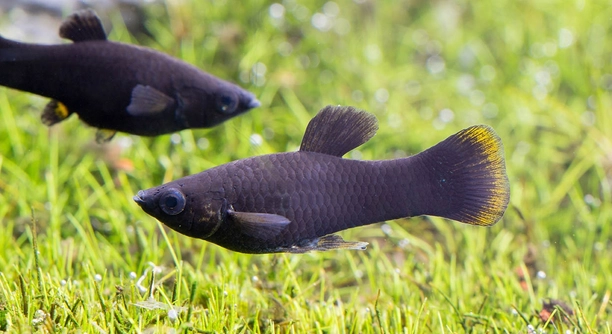
Do you ever find yourself moving your Black Molly between tanks and wondering if it affects their health? These small fish are lively and social, making them popular for home aquariums. Caring for them properly matters.
Frequent tank transfers can stress Black Mollies, affecting their immune system and behavior. While occasional moves are manageable, repeated changes should be minimized. Ensuring stable water conditions, proper acclimation, and a calm environment is essential for their well-being.
Understanding the effects of moving your fish will help you make better decisions for their comfort and long-term health.
How Frequent Tank Changes Affect Black Mollies
Moving Black Mollies between tanks too often can cause noticeable stress. Fish rely on stable environments, and sudden changes in water temperature, pH, or salinity can disrupt their routine. Stress may appear as hiding, reduced appetite, or erratic swimming. Mollies are particularly sensitive to chemical differences in water, which can affect their gills and overall health. Even minor changes in lighting or tank decoration can make them uneasy. Over time, repeated stress may weaken their immune system, making them more susceptible to illness. Frequent movement can also interfere with social behavior, as Black Mollies are active and form group hierarchies. Ensuring each tank is properly cycled and that water conditions match closely before moving them is important. Using a gentle acclimation process helps minimize shock. Keeping tank changes rare and planned carefully protects their health and helps them thrive in a stable environment.
Minimizing tank changes is key to reducing stress. Proper acclimation can help ease transitions when moves are necessary.
Paying attention to these factors ensures your Mollies remain healthy, active, and display natural behavior. Simple steps like matching water conditions and limiting moves can make a big difference in their overall well-being.
Best Practices for Moving Black Mollies
Always prepare the new tank before introducing your Mollies. Ensure water temperature, pH, and hardness are close to the current tank.
Before moving, use a small container and add water from the new tank gradually. Transport them slowly, and avoid sudden temperature shifts. Limit handling and avoid overcrowding in the transport container. Monitor them closely after transfer, watching for signs of stress or illness. Avoid adding chemicals or cleaning agents that may shock the fish. Feeding should be adjusted to reduce stress during the first few days. Keeping lights dim and decorations similar can also help them adjust. Frequent observation is essential to ensure they adapt well. By following these steps, you reduce health risks and keep their behavior stable. Even with careful handling, avoid moving them often. Stable conditions promote growth, comfort, and long-term health. Planning moves carefully is the best way to support your Black Mollies’ needs.
Signs Your Black Mollies Are Stressed
Hiding constantly, swimming erratically, or refusing food are common stress indicators. Color fading and clamped fins also show discomfort. Paying attention early prevents serious health issues and helps maintain their natural behavior in the tank.
Stress in Black Mollies can lead to illness if not addressed promptly. When they are moved often, their immune system weakens, making them more prone to infections like fin rot or ich. Behavioral changes may include aggression, lethargy, or avoiding the group entirely. Even minor water differences between tanks can trigger these responses, so careful observation is essential. Noticing subtle changes in activity or appetite helps prevent bigger problems. Regular checks, proper acclimation, and minimizing unnecessary moves are crucial to keep them healthy.
Frequent stress can also impact breeding and growth. Mollies may stop reproducing or fail to thrive if they feel unsafe. Maintaining stable water conditions and minimizing disturbances ensures they grow well and maintain natural behaviors. Observing their interactions and adjusting tank conditions can improve comfort and reduce long-term health risks. Consistency in their environment is the key to keeping them active and healthy over time.
Tips for a Smooth Transfer
Acclimate your fish slowly by floating them in the new tank water before release. Avoid sudden temperature or chemical changes.
Use a soft net and a small container to move Mollies carefully. Add small amounts of water from the new tank gradually to help them adjust. Keep lights dim and avoid startling movements. Monitor them closely for the first few hours and feed lightly. Maintain similar tank decorations to reduce anxiety. Avoid moving more than a few fish at a time to prevent overcrowding. Clean the transport container without chemicals to prevent contamination. Proper preparation and gentle handling are essential to reduce stress and maintain health. Consistency in water parameters is crucial to prevent shock.
After transfer, watch their behavior closely. Ensure they swim actively, eat normally, and interact with the group. If stress signs persist, consider adjusting water conditions or decorations to match their previous environment. Gradual acclimation over hours can make a significant difference. Providing hiding spots and reducing disturbances helps them settle. Keep monitoring water quality, as Mollies are sensitive to changes. A calm, stable environment supports recovery and long-term health. By taking these steps, transfers become less stressful, and fish maintain their natural activity levels and coloration.
Ideal Tank Conditions for Black Mollies
Stable water temperature between 75–82°F supports their health. Keep pH levels around 7.0–8.0 and hardness moderate. Regular water changes help maintain clean, safe conditions for your fish.
Avoid overcrowding, as Black Mollies need space to swim and interact. Proper filtration reduces stress and keeps the environment comfortable for daily activity.
Feeding During Transitions
Offer small, frequent meals instead of one large feeding. This prevents uneaten food from polluting the water and reduces stress. Include a mix of flake foods, vegetables, and occasional protein treats to support growth and immune health during transitions.
Acclimation Techniques
Float the transport container in the new tank for 20–30 minutes to equalize temperature. Slowly add small amounts of tank water every 5–10 minutes to help them adjust without shock.
Common Mistakes to Avoid
Moving Black Mollies too quickly between tanks, skipping acclimation, or ignoring water parameter differences can lead to stress, illness, and poor behavior. Small steps ensure a safer transfer.
FAQ
How often can I safely move Black Mollies between tanks?
Black Mollies should only be moved when necessary. Frequent transfers cause stress, weaken their immune system, and may lead to illness. Ideally, moves should be limited to major tank upgrades or emergencies. Always ensure water parameters closely match between tanks before moving them.
What is the best way to acclimate them to a new tank?
Acclimation is crucial. Float the transport container in the new tank for 20–30 minutes to equalize temperature. Gradually add small amounts of new tank water every 5–10 minutes. This slow adjustment reduces shock and helps the fish adapt safely to the new environment.
Can frequent tank changes affect their growth or reproduction?
Yes, stress from repeated moves can impact growth and breeding. Mollies may stop reproducing or fail to thrive if their environment is unstable. Maintaining consistent water quality, temperature, and tank setup encourages healthy growth and normal reproductive behavior.
What are the signs my Mollies are stressed from moving?
Stress shows in behavior and appearance. Hiding, lethargy, clamped fins, faded color, or erratic swimming are common signs. Reduced appetite and avoidance of other fish indicate discomfort. Catching these signs early allows you to correct tank conditions before serious health issues develop.
Is it necessary to match water parameters exactly before a transfer?
Matching water parameters as closely as possible is highly recommended. Even small differences in pH, temperature, or salinity can shock Black Mollies. Testing water in both tanks and adjusting gradually ensures a smoother transition and reduces the risk of stress-related illness.
How can I reduce stress during transport?
Use a small, clean container with gentle handling. Avoid overcrowding and sudden movements. Dim lighting and covering the container can help keep them calm. Transporting a few fish at a time and ensuring minimal time outside the tank further reduces stress and helps maintain overall health.
Should I change their diet when moving them?
During the first few days after a move, feed small amounts of easily digestible food. Avoid overfeeding, as stress can reduce appetite and uneaten food can pollute water. Gradually return to a normal feeding routine once the fish have settled and are active again.
How long does it take for Black Mollies to adjust after a move?
Adjustment typically takes several hours to a few days, depending on how different the new tank is. Providing hiding spots, stable water conditions, and minimal disturbances accelerates acclimation. Observation is key to ensuring they return to normal behavior quickly.
Can tank decorations help with transitions?
Yes, adding familiar or similar decorations can provide comfort. Plants, rocks, and hiding spots give a sense of security and reduce anxiety during adjustment periods. Consistent layout helps them feel at home and encourages normal swimming and social behaviors.
What is the biggest mistake owners make when moving Mollies?
The most common mistake is rushing the process. Skipping acclimation, moving fish too frequently, or ignoring water parameter differences can lead to stress, illness, and even death. Careful planning, patience, and observation are essential to ensure safe and healthy tank transfers.
Are there signs that my tank is not suitable for Black Mollies?
Unstable water conditions, rapid temperature changes, or poor filtration can create stress even without frequent moves. Signs include consistent hiding, faded colors, reduced appetite, or aggressive behavior. Monitoring water quality and tank setup prevents problems before they affect your fish.
Can stress from moving affect other tank inhabitants?
Yes, stressed Black Mollies may become aggressive, avoid the group, or spread illness if their immune system weakens. Keeping all tankmates healthy and minimizing stress during transfers ensures a balanced and peaceful environment for everyone.
Is quarantine necessary when moving to a new tank?
Quarantining new or moved fish for a few days can prevent the spread of disease. This step is especially important if water conditions or tank history are uncertain. Observation during quarantine ensures any issues are detected before affecting the main tank.
How can I tell if a fish is not adapting well?
Persistent hiding, refusal to eat, erratic swimming, or rapid breathing indicate poor adaptation. Immediate attention to water parameters, temperature, and tank setup is necessary. Small adjustments can make a big difference in helping the fish recover.
What is the best long-term strategy for tank transfers?
Plan moves carefully, limit frequency, and match water conditions. Acclimate slowly, provide hiding spots, and observe behavior closely. Reducing unnecessary transfers ensures stable conditions, promotes health, and supports natural behaviors and growth in Black Mollies.
This FAQ section provides practical advice to maintain healthy, active Black Mollies while minimizing stress during tank transfers.
Moving Black Mollies between tanks is something that should be done carefully and only when necessary. These fish are sensitive to changes in their environment, and frequent transfers can cause stress that affects their health. Stress in fish is not always obvious at first, but over time it can lead to illness, poor growth, or unusual behavior. By keeping tank changes to a minimum and following proper procedures for acclimation, you give your Black Mollies the best chance to remain healthy and active. Small adjustments in water temperature, pH, or hardness can make a significant difference in how well they adapt to a new tank. Making these changes slowly and gradually helps reduce shock, making the transition smoother for your fish. Consistent observation is also important to catch early signs of stress, such as hiding, clamped fins, faded coloration, or reduced appetite. The sooner you notice these signs, the faster you can correct any issues before they become serious.
Preparing the new tank properly before moving your Black Mollies is essential. Matching water parameters as closely as possible between the old and new tank prevents sudden stress. Floating the transport container in the new tank and slowly adding small amounts of tank water over time is a simple but effective method for acclimation. Limiting the number of fish in the transport container and avoiding sudden movements also helps reduce anxiety. Providing familiar decorations, plants, or hiding spaces in the new tank can help your fish feel secure and adjust faster. Monitoring them closely for the first few hours and days allows you to see if they are adapting well. Feeding small, frequent meals and keeping the tank environment stable will support their immune system during this adjustment period. Taking these steps seriously ensures a smoother transition and helps maintain their natural behavior and overall health.
Overall, the key to successfully moving Black Mollies is planning, patience, and consistency. Avoiding unnecessary transfers, maintaining stable water conditions, and observing behavior carefully are all important parts of responsible fish care. Stress should always be minimized, as repeated disruption can have long-term effects on their growth, reproduction, and social interactions. Small, thoughtful steps such as proper acclimation, gentle handling, and maintaining similar tank setups can make a big difference in their comfort and well-being. While moving fish is sometimes unavoidable, doing it correctly ensures your Black Mollies stay healthy, active, and happy in their environment. Following these guidelines allows you to enjoy your fish while supporting their natural needs and maintaining a peaceful, thriving tank.

Hello,
If you enjoy the content that we create, please consider saying a "Thank You!" by leaving a tip.
Every little bit helps us continue crafting quality advice that supports the health, happiness, and well-being of pets around the world, for pets of all shapes, sizes, and species.
We really appreciate the kindness and support that you show us!