
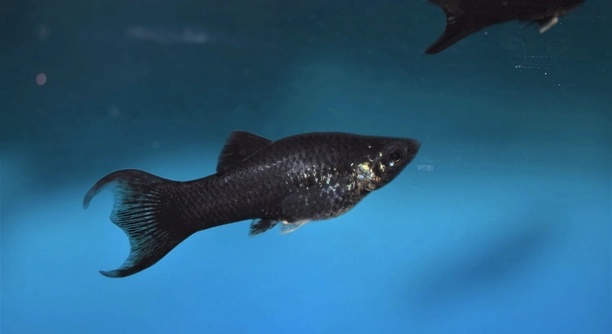
Black Mollies are popular aquarium fish, known for their calm nature and shiny black scales. Many owners enjoy watching them swim gracefully, but over time, their habits and energy levels can shift. Observing these changes can be rewarding.
Black Mollies do show changes in behavior as they age. Young Mollies are more active, playful, and social, while older Mollies tend to swim slower, spend more time resting, and may become less interactive with other fish in the tank.
Learning how age affects your Black Molly can improve care, feeding, and tank management, ensuring these fish stay healthy and active for longer.
Changes in Swimming Patterns
As Black Mollies grow older, their swimming patterns often become less energetic. Young fish dart quickly around the tank, exploring every corner, while older fish prefer gentle, steady movements. This shift can be subtle at first, but over months, it becomes noticeable. Their reduced speed is not a sign of illness in many cases but rather a natural result of aging. Older Mollies may also spend more time near the bottom of the tank or hover around hiding spots, avoiding the middle of the water column where activity is higher. Watching these changes can help you adjust feeding routines and tank arrangements. Providing areas with slower currents and comfortable resting spots can make the environment more suitable for older Mollies. Even their interaction with other fish shifts. They may no longer chase or respond actively to tankmates but still maintain social bonds in quieter ways, such as swimming nearby or gently brushing against others.
Swimming changes also reflect energy levels and comfort preferences, which shift as Mollies age.
Monitoring swimming patterns is important for overall tank health. Adjusting tank decorations and flow can make older Mollies more comfortable. Slow currents, shaded areas, and open spaces allow them to remain active without stress.
Feeding and Appetite Variations
Older Black Mollies often eat less than they did when younger. Their metabolism slows, and they may take smaller portions or nibble more slowly throughout the day.
Feeding schedules should adapt to these changes to prevent overfeeding.
Adjusting diet for aging Mollies ensures proper nutrition and reduces the risk of obesity or digestive issues. Younger Mollies can consume multiple meals a day, but older fish benefit from smaller, more frequent feedings. Foods that are easy to digest, such as finely chopped flakes or live brine shrimp, help maintain their health. It is also helpful to observe each fish individually, as appetite varies from one Molly to another. Overfeeding can lead to water quality problems, which older fish are less able to tolerate. Introducing a balanced mix of plant-based and protein-rich foods can support longevity and maintain energy levels. Alongside feeding changes, monitoring weight and activity provides insight into overall well-being. Adapting feeding practices gradually ensures older Mollies remain comfortable and continue to thrive in their aquarium environment.
Social Behavior Changes
Older Black Mollies often become less interactive with other fish. They may swim alone or stay at the edges of the tank rather than joining group activities.
Reduced social activity is natural as energy levels drop. While young Mollies chase and play together, older ones prefer calmer routines. They may still acknowledge other fish by swimming nearby, but aggressive or playful behaviors decline. Tankmates should be monitored to ensure peaceful coexistence, as older Mollies may not defend themselves as actively. Gentle interactions, like hovering near other fish without chasing, are common signs of a healthy but aging social pattern.
Even in quieter moments, older Mollies maintain subtle bonds with tankmates. They may follow others slowly or linger near favorite companions. This behavior reflects familiarity and comfort rather than high energy.
Calm social behavior can indicate that your Mollies feel secure. Providing a stable environment with consistent companions helps reduce stress and allows older fish to adjust naturally to these changes.
Health and Physical Changes
Aging Mollies often show visible changes in body shape and fin condition. Their colors may dull slightly, and fins can become thinner or frayed.
Monitoring these changes helps detect early health issues.
Older Black Mollies may develop slight spinal curvature or slower reflexes. Their scales may appear less shiny, reflecting natural aging. It is important to keep water quality high, as older fish are more sensitive to poor conditions. Regular tank maintenance, careful feeding, and avoiding overcrowding support their overall health. Observing their movements during feeding and swimming can reveal subtle declines in strength or mobility. Providing spaces for resting and avoiding strong currents allows them to maintain comfort and reduces stress on their aging bodies. Health checks, even simple visual inspections, are key to keeping older Mollies thriving and preventing avoidable complications.
Activity Levels
As Black Mollies age, their overall activity decreases. They spend more time resting and less time swimming vigorously around the tank.
Older Mollies may move slowly between feeding and hiding spots. This is normal and reflects natural energy changes over time.
Interaction with Tankmates
Older Mollies often become less aggressive and less competitive over food. They may let younger fish eat first and avoid chasing or nipping at other fish. This calmer behavior helps maintain peace in the aquarium.
Maintaining a balanced tank with compatible species is important. Older Mollies thrive better when younger, more active fish are not overly dominant. Providing sufficient hiding areas ensures that aging fish can retreat when needed. Observing daily interactions helps identify stress or bullying early. Adjusting tank layout, decorations, and feeding locations can encourage positive interactions while accommodating slower, aging Mollies, keeping them comfortable and reducing tension among all tankmates.
Resting Patterns
Older Black Mollies tend to rest more frequently throughout the day. Short naps near plants or tank edges become common.
FAQ
Do Black Mollies become less active as they age?
Yes, older Black Mollies naturally slow down. Young Mollies are energetic, exploring every corner of the tank, while older Mollies prefer gentle, steady swimming. They may spend more time resting near plants or tank edges, conserving energy and reducing unnecessary movement.
Why does my older Black Molly eat less than before?
A decrease in appetite is common as Black Mollies age. Their metabolism slows, and they no longer require the same amount of food. Offering smaller, more frequent meals of easily digestible food like finely chopped flakes or live brine shrimp helps maintain proper nutrition without overfeeding.
Do older Mollies still interact with tankmates?
Yes, but their social behavior changes. Older Mollies often avoid chasing or nipping younger fish. They may swim nearby or linger close to familiar companions without engaging in energetic play. This calm interaction reflects comfort and familiarity rather than high energy or dominance.
Are color changes normal in aging Black Mollies?
Yes. Older Mollies may lose some vibrancy in their scales, and fins can become thinner or slightly frayed. These changes are part of natural aging, not necessarily a sign of illness, though maintaining high water quality remains essential for their health.
Do Black Mollies show signs of illness more easily as they age?
Older Mollies are more sensitive to water quality and environmental stress. Even minor fluctuations in temperature, pH, or ammonia levels can affect them. Regular tank maintenance, proper feeding, and observation for unusual behavior, spots, or fin damage are key to preventing health issues.
How should I adjust tank conditions for aging Mollies?
Providing calmer areas with slower currents is important. Older Mollies benefit from plants, hiding spots, and open swimming spaces to reduce stress. Keeping water clean, feeding appropriate diets, and monitoring interactions ensures a safe and comfortable environment for their later years.
Do older Mollies live as long as younger ones?
Lifespan is influenced by care, genetics, and environment. With proper attention to diet, water quality, and stress reduction, older Mollies can continue living actively for several years, though activity levels and physical appearance naturally decline with age.
Can older Black Mollies reproduce?
Yes, they can still reproduce, though fertility may decrease. Older females may produce fewer fry, and males may be less aggressive in courtship. Providing optimal tank conditions and proper nutrition supports successful breeding even in aging fish.
How can I tell if my Black Molly is aging normally or if there’s a problem?
Normal aging involves slower swimming, reduced appetite, and subtle color or fin changes. Problems arise with sudden lethargy, rapid weight loss, visible wounds, or unusual swimming patterns. Regular observation helps distinguish normal aging from potential illness.
Is it okay to mix older Mollies with younger fish?
Yes, but monitoring interactions is essential. Older Mollies may struggle with aggressive or highly active younger fish. Providing hiding areas, spreading out food, and ensuring balanced group dynamics reduces stress and helps maintain harmony in a mixed-age tank.
Do older Mollies require supplements or special diets?
Not always, but a balanced diet tailored to their slower metabolism is important. Easily digestible foods, a mix of plant and protein-based options, and occasional live or frozen treats help maintain energy, coloration, and overall health without overfeeding.
Will older Mollies recognize tankmates they’ve known for years?
Yes, older Mollies often show familiarity with long-term companions. They may swim close, rest near them, or exhibit calm, non-aggressive behavior, indicating a sense of comfort and social memory even in their slower, aging stage.
How often should I check water quality for aging Mollies?
Frequent monitoring is critical. Older Mollies are more sensitive to fluctuations in ammonia, nitrites, nitrates, pH, and temperature. Testing water at least once or twice a week and performing regular partial water changes helps prevent stress and maintains long-term health.
Do older Mollies need less space in the tank?
They don’t require less space, but they benefit from areas to rest and avoid high activity zones. Plants, caves, or slower current regions allow them to navigate comfortably while still having enough room for exercise and exploration.
Can stress affect aging Mollies more than younger ones?
Absolutely. Older Mollies are less resilient to stress caused by overcrowding, sudden water changes, or aggressive tankmates. Minimizing stress through careful tank management, consistent routines, and peaceful community setups is key to preserving their health.
Are there signs that an older Molly is nearing the end of its lifespan?
Signs include extreme lethargy, loss of appetite, rapid weight loss, faded coloration, and reduced interaction with tankmates. While gradual changes are normal, sudden declines indicate health issues that should be addressed promptly.
Can older Black Mollies still enjoy active play?
Yes, but less frequently. They may chase food or swim short bursts, but prolonged activity becomes rare. Providing opportunities for gentle interaction supports mental stimulation and overall well-being without causing exhaustion.
How can I make life more comfortable for aging Mollies?
Maintain stable water conditions, provide resting areas, adjust feeding routines, and monitor social interactions. Simple changes, like slower currents and extra hiding spots, allow older Mollies to live comfortably and safely alongside younger tankmates.
Do older Mollies require veterinary care?
Routine veterinary care is uncommon unless illness arises. Observation and proactive tank management are usually sufficient. For unusual symptoms or sudden behavioral changes, consulting a fish specialist ensures proper treatment and preserves quality of life for aging Mollies.
Can Black Mollies recover from minor injuries as they age?
They can heal from minor injuries, but recovery is slower. Ensuring clean water, minimal stress, and careful tankmate management promotes healing and prevents infections. Older fish need more attention to prevent small injuries from becoming serious health problems.
Is it normal for older Mollies to hide more often?
Yes, increased hiding is a natural behavior in older Mollies. It helps them conserve energy and feel secure, especially when living with younger, more active fish. Providing accessible shelters supports comfort and reduces stress throughout their later years.
Can aging affect their response to food?
Older Mollies may be slower to respond to food, taking longer to reach feeding areas or nibbling small amounts gradually. Offering smaller portions and ensuring all fish have access prevents malnutrition and competition-related stress, supporting healthier aging.
Are there behavioral signs of aging I might miss?
Subtle signs include slower fin movements, minor color fading, brief pauses while swimming, and preference for resting in the same spots. Observing these gradual changes over weeks or months helps distinguish normal aging from health issues.
Do Mollies lose interest in exploring as they age?
Yes, exploration decreases with age. While young Mollies investigate decorations and new areas frequently, older ones prefer familiar zones. Maintaining a stimulating yet safe environment encourages occasional exploration without overwhelming slower, aging fish.
How long can Black Mollies live under proper care?
With proper diet, water quality, and low-stress conditions, Black Mollies can live up to five years or more. Lifespan varies individually, and attentive care ensures they remain healthy and comfortable throughout their adult and senior stages.
Black Mollies are fascinating fish that show clear changes as they grow older. Their activity levels gradually slow, and they spend more time resting in the tank rather than constantly swimming. This is a natural part of aging and should not be a cause for concern. Observing these changes over time can help you better understand your fish and adjust their environment to meet their needs. For example, adding plants, hiding spots, or areas with slower currents can make older Mollies feel more comfortable and reduce unnecessary stress. Recognizing these patterns early allows you to provide care that supports their health and well-being throughout their lifespan.
Feeding habits also shift as Mollies age. Younger fish often eat quickly and in larger amounts, while older fish may take smaller portions and eat more slowly. Adjusting feeding schedules and the type of food offered is important for maintaining good nutrition. Easily digestible options, like finely chopped flakes, live brine shrimp, or frozen foods, can help ensure that older Mollies get the nutrients they need without overfeeding. Watching how each fish responds to feeding helps prevent competition from more active tankmates and keeps stress levels low. Supporting proper nutrition not only helps older Mollies maintain energy but also preserves their coloration, strength, and overall vitality. Careful attention to diet is one of the most effective ways to ensure a smooth transition into later life stages.
Social behavior and interaction with tankmates change as well. Older Mollies are generally calmer, less aggressive, and less likely to engage in playful chasing or nipping. They may swim alongside other fish or remain near familiar companions without engaging in high-energy activity. These subtle social interactions are normal and reflect a comfortable, low-stress state. Maintaining a peaceful tank environment is crucial for older fish, as aggressive or overly active companions can cause stress and reduce quality of life. By providing sufficient space, hiding areas, and a balanced community, older Mollies can continue to thrive and feel secure. Monitoring their behavior regularly ensures that any sudden changes are noticed quickly, which helps prevent potential health issues. Understanding and responding to these changes allows you to create an environment that keeps your Mollies safe, healthy, and comfortable for years to come.

Hello,
If you enjoy the content that we create, please consider saying a "Thank You!" by leaving a tip.
Every little bit helps us continue crafting quality advice that supports the health, happiness, and well-being of pets around the world, for pets of all shapes, sizes, and species.
We really appreciate the kindness and support that you show us!