
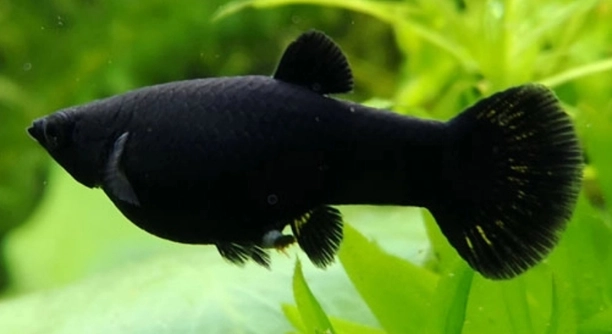
Are your black molly fish often hiding under decorations in your aquarium? Many fish owners notice this behavior and wonder if it signals stress, illness, or simply a preference for shelter in their tank environment.
Black molly fish frequently hide under decorations due to stress, overcrowding, poor water quality, or insufficient hiding spaces. Providing a well-maintained, appropriately decorated tank reduces anxiety and promotes natural behavior, allowing mollies to feel secure and comfortable.
Understanding these hiding habits can help improve your tank’s setup and your fish’s well-being, ensuring a calmer, healthier environment for your black mollies.
Understanding Stress in Black Mollies
Stress is one of the main reasons black mollies hide under decorations. Changes in water temperature, poor water quality, or sudden movements around the tank can make them feel unsafe. Even small fluctuations in pH or ammonia levels can trigger hiding behavior. Mollies naturally seek shelter when they feel threatened, so providing consistent water conditions and a calm environment is key. Overcrowding can also increase stress, as molly fish need enough space to swim freely. Decorations like rocks, plants, or caves give them places to retreat, which reduces anxiety. Observing their behavior daily can help you identify stress triggers. Simple adjustments, like keeping the tank lid secure, avoiding sudden bright lights, and maintaining proper water parameters, can make a big difference. Stress-free mollies are more likely to swim openly, interact with other fish, and display their natural, vibrant colors. Their hiding often decreases once they feel safe.
Stress can make black mollies shy, but consistent care usually helps them feel secure quickly.
Keeping the tank environment stable, clean, and thoughtfully arranged can minimize stress. Mollies respond well to gentle handling and predictable routines. Ensuring a mix of open swimming areas and hiding spots supports both exploration and safety. Feeding on a regular schedule also reassures them. Water changes should be gradual to avoid shocking their system. Over time, you will notice them spending more time in the open, exploring the tank, and engaging with other mollies. Decorations should be positioned to create natural retreats without blocking swimming space. Observing behavior during feeding and at different times of day gives insight into their comfort levels. Proper filtration, adequate lighting, and a balanced diet all contribute to a stress-free environment. Understanding their subtle signs, like quick darting or fin clamping, helps you address stress before it affects health. With consistent care, hiding decreases and mollies show more of their playful, social nature, making the tank a lively and balanced habitat.
The Role of Tank Setup
A well-planned tank encourages black mollies to swim more freely. Proper space, plants, and hiding spots create balance.
Tank layout affects how comfortable black mollies feel. Decorations, rocks, and live plants provide security, but open areas for swimming are equally important. Mollies like to explore, so arranging items to allow movement reduces constant hiding. Avoid overcrowding by keeping fish numbers appropriate for tank size. Decorations should be stable and safe, preventing accidental injury. Filtration and aeration contribute to overall comfort, as stagnant water can increase stress. Lighting should mimic a natural day-night cycle, giving them periods of calm. Placement of hiding spots at various heights allows choice, which supports mental well-being. Regular observation helps fine-tune the setup based on their behavior. Changing tank layout too often can cause temporary stress, so gradual adjustments are best. Clean water, combined with a thoughtfully arranged environment, encourages mollies to spend more time exploring and interacting rather than hiding. Over time, they will show more natural behaviors, and their personalities become more visible. This approach ensures a healthier, happier aquarium for both the fish and the keeper.
Water Quality and Its Impact
Poor water quality often causes black mollies to hide under decorations. High ammonia, nitrite, or nitrate levels can make them anxious. Frequent water changes and testing help maintain a stable environment. Clean water reduces stress and encourages more active swimming.
Maintaining proper water conditions is essential for black mollies’ health. Regular testing of ammonia, nitrite, nitrate, and pH ensures the tank remains safe. Mollies are sensitive to sudden changes, so gradual adjustments are crucial. Filtration helps remove waste, but it must be cleaned regularly to avoid buildup. Water temperature should stay consistent, typically between 75 and 82 degrees Fahrenheit, which mimics their natural habitat. Uneven or dirty water can cause hiding, decreased appetite, and lethargy. Plants and decorations can provide shelter, but water quality is the key factor in encouraging open swimming. Monitoring water parameters consistently allows you to act quickly if something goes wrong.
Even minor fluctuations in water chemistry can affect molly behavior. Stress from poor conditions may appear as fin clamping, color fading, or unusual hiding. Regular observation combined with careful water maintenance keeps mollies healthy and active. Adding aeration or adjusting filtration flow can improve comfort. A stable, clean tank helps mollies feel safe, reducing the need for constant hiding. Over time, they explore more and interact with other fish, showing natural behavior.
Feeding Habits and Comfort
Uneven feeding schedules or poor diet can make black mollies retreat to hiding spots. Balanced nutrition and consistent feeding routines support their overall well-being and reduce stress in the tank.
Proper feeding directly affects mollies’ behavior and comfort. A diet rich in vegetables, protein, and quality flakes or pellets ensures they get essential nutrients. Overfeeding can pollute water, leading to stress, while underfeeding can cause aggression or lethargy. Feeding at consistent times builds routine, which mollies find comforting. They may hide if hungry or if food is scarce. Watching their response during feeding helps identify preferences and portion sizes. Occasionally providing live or frozen foods stimulates natural foraging behavior, reducing boredom. Treats like brine shrimp or daphnia encourage active swimming and exploration, balancing their time between hiding and interacting with the tank environment.
Feeding practices influence how safe mollies feel in their aquarium. Abrupt changes in diet can cause hiding or refusal to eat. Observing fish during feeding reveals comfort levels and hierarchy among tank mates. Adjusting portions, rotating food types, and ensuring all fish get access helps reduce stress. Hiding often decreases when mollies know food is reliably available. Nutrient-rich meals combined with calm feeding routines support growth, vibrant coloration, and social behavior. Maintaining this consistency over time makes them more confident and less likely to retreat unnecessarily.
Tank Mates and Social Behavior
Aggressive or overly active tank mates can make black mollies hide. Peaceful companions and enough space reduce anxiety, helping mollies feel secure and confident.
Shoaling behavior is natural for mollies. Keeping them with compatible fish of similar size prevents stress. Overcrowding or introducing aggressive species often leads to constant hiding. Proper spacing and observation allow them to interact safely.
Lighting Conditions
Bright or inconsistent lighting can cause black mollies to seek shelter. Soft, steady lighting encourages natural activity and exploration in the tank.
Decoration Placement
The arrangement of plants, rocks, and caves influences hiding habits. Strategically placed decorations give mollies secure spots without restricting swimming areas.
Why is my black molly always hiding even when the tank looks fine?
Even if your tank appears clean and well-kept, subtle factors can stress black mollies. Slight temperature fluctuations, minor chemical imbalances, or the presence of new fish can make them retreat. Hiding is a natural way for them to feel safe while adjusting to changes in their environment.
Can black mollies be too shy or timid?
Yes, some black mollies are naturally more reserved than others. Individual personality plays a role in behavior. Shyer mollies may spend more time hiding, especially in new or noisy environments. Over time, consistent care and a stable tank can help them gradually become more confident.
How can I tell if hiding is due to illness?
Illness often comes with other signs besides hiding. Look for clamped fins, color fading, rapid gill movement, or loss of appetite. These indicators, combined with constant hiding, suggest a health issue. Prompt water testing, treatment, and isolation may be necessary to prevent worsening conditions.
Do black mollies hide more at certain times of the day?
Yes, lighting and daily activity patterns influence hiding. Mollies often seek shelter when bright lights are on or during periods of high activity around the tank. Providing shaded areas and a consistent day-night cycle encourages natural behavior and reduces constant retreating.
Will adding more decorations help reduce hiding?
Additional decorations can provide more secure spaces, but balance is important. Overcrowding the tank can restrict swimming areas and increase stress. Place plants, rocks, or caves thoughtfully to allow both exploration and hiding. Gradual rearrangement avoids sudden stress and encourages molly confidence.
Does water quality directly affect hiding behavior?
Absolutely. Poor water quality, including elevated ammonia, nitrite, or nitrate levels, triggers stress and hiding. Mollies rely on stable water parameters to feel safe. Frequent testing, partial water changes, and proper filtration reduce stress and encourage open swimming. Clean, stable water supports overall health and activity.
How important is tank size in preventing hiding?
Tank size is critical. Overcrowding or insufficient space can force mollies into hiding more often. A spacious tank with room to swim freely reduces stress and encourages natural behavior. Even with decorations, fish need open areas to feel comfortable exploring their environment.
Can diet influence hiding habits?
Yes, inconsistent feeding or poor nutrition can increase hiding. Mollies need a balanced diet and regular feeding schedules. Overfeeding can pollute water, causing stress, while underfeeding can make them anxious. Proper portions, varied foods, and occasional live or frozen treats encourage active, confident behavior.
Will black mollies stop hiding if I remove aggressive tank mates?
Removing aggressive or overly active fish often helps. Mollies hide to avoid confrontation or stress. Keeping them with peaceful, similarly sized tank mates allows more open swimming. Observation helps determine compatibility and ensures a calm, comfortable environment for all fish.
How long does it take for black mollies to feel comfortable in a new tank?
Adjustment periods vary. Some mollies become comfortable within days, while others take several weeks. Stability in water parameters, consistent feeding, gentle lighting, and thoughtful decoration placement all contribute to faster adaptation. Patience and observation are key to reducing prolonged hiding.
Is hiding a permanent behavior for some black mollies?
For a few individuals, hiding may be a natural temperament trait. Some mollies will always prefer sheltered areas even in ideal conditions. Providing both hiding spots and open swimming areas allows them to choose comfort, supporting overall well-being without forcing constant exposure.
How can I encourage shy black mollies to explore more?
Gradually creating a secure and predictable environment helps. Keep water stable, provide a mix of open areas and hiding spots, feed consistently, and avoid sudden changes. Over time, shy mollies often become more confident and spend more time swimming openly and interacting with tank mates.
Can seasonal changes affect hiding behavior?
Yes, temperature shifts or changes in daylight can influence activity. Mollies may retreat more during cooler periods or when lighting is inconsistent. Maintaining stable temperatures and a regular light schedule helps reduce seasonal stress and keeps their behavior more predictable.
Are there signs that hiding is normal versus concerning?
Normal hiding occurs occasionally, usually with opportunities to swim openly at other times. Concerning hiding is constant, combined with color loss, lethargy, or lack of appetite. Monitoring behavior patterns, water conditions, and overall health helps distinguish between normal retreating and stress or illness.
Will black mollies ever stop hiding completely?
Some may always prefer hiding at times, but with proper care, they will balance exploration and shelter. Providing safe, clean conditions, compatible tank mates, and consistent feeding encourages them to spend more time visible, though occasional hiding remains a natural part of their behavior.
Does the presence of live plants reduce hiding?
Yes, live plants offer both shelter and comfort. Mollies feel secure near plants while still having swimming space. Plants mimic their natural environment, reduce stress, and provide visual barriers that make them more confident in exploring the tank.
How do I know if hiding is due to stress rather than personality?
Stress-related hiding often coincides with other signs: erratic swimming, clamped fins, color fading, or reduced appetite. Personality-based hiding shows consistent retreating without additional symptoms. Observing multiple behaviors over time helps differentiate between stress and natural temperament.
Can adjusting lighting help reduce hiding?
Soft, consistent lighting reduces anxiety. Sudden bright lights or fluctuating illumination can cause black mollies to hide. Mimicking natural day-night cycles with gradual transitions supports comfort, encourages open swimming, and stabilizes their daily routine.
Should I isolate a molly that hides constantly?
Isolation is only necessary if hiding is paired with illness or aggression from tank mates. Otherwise, providing shelter and a stable environment is better. Constant isolation can increase stress, so maintaining a supportive community and safe spaces is more effective for long-term comfort.
Do black mollies hide more in a new tank setup?
Yes, even minor rearrangements can cause temporary hiding. Mollies are sensitive to environmental changes. Gradual adjustments, maintaining familiar areas, and stable water parameters help them feel secure and reduce extended retreating in response to a new setup.
Black mollies hiding under decorations is often a natural behavior, but it can also signal stress, poor water quality, or other environmental issues. Observing their habits carefully helps you understand what they need. Mollies are naturally cautious fish and will retreat when they feel unsafe. Decorations like rocks, plants, and caves give them places to hide and feel secure. While it may seem like hiding is a problem, it is actually their way of coping with their surroundings. Providing a tank with a mix of open swimming areas and hiding spots supports their comfort. Over time, consistent care allows them to spend more time swimming openly, showing their colors, and interacting with other fish.
Water quality is one of the most important factors in determining how safe and comfortable your black mollies feel. High levels of ammonia, nitrite, or nitrate, even if slight, can make them anxious and cause frequent hiding. Keeping water parameters stable with regular testing and partial water changes helps prevent this stress. Temperature and pH levels should also be maintained within the recommended range for mollies, usually around 75 to 82 degrees Fahrenheit and a slightly alkaline pH. Filtration and aeration are important to maintain clean, oxygen-rich water. A tank that is well-maintained and stable encourages mollies to explore more and reduces constant hiding. Observing your fish during feeding or at different times of day can give you insight into how water quality affects their behavior.
Tank setup, tank mates, feeding habits, and lighting all contribute to whether your black mollies feel secure. Overcrowding or aggressive tank mates can increase hiding, while consistent feeding and a balanced diet make them more confident. Lighting should be soft and steady to avoid causing stress, and decorations should be arranged to provide both safety and space to swim. Each molly has its own personality; some are naturally shy and will hide more than others even in ideal conditions. Patience and observation are key to understanding their behavior and responding appropriately. By maintaining a clean, stable environment, providing nutritious food, and giving mollies safe places to hide, you can create a healthy tank where they feel comfortable and more willing to be seen, making the aquarium a calmer and more enjoyable space for both you and your fish.

Hello,
If you enjoy the content that we create, please consider saying a "Thank You!" by leaving a tip.
Every little bit helps us continue crafting quality advice that supports the health, happiness, and well-being of pets around the world, for pets of all shapes, sizes, and species.
We really appreciate the kindness and support that you show us!