
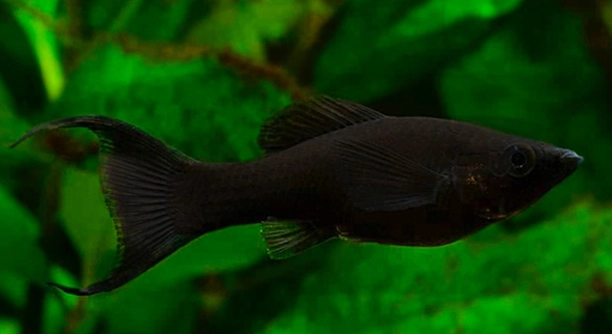
Do you ever find yourself adding extra flakes to your black molly tank, hoping they are getting enough to eat? Many fish owners struggle with knowing the right amount for these lively and social fish.
Overfeeding black mollies can lead to poor water quality, obesity, and digestive issues. Controlling portion sizes, feeding schedules, and observing fish behavior are essential strategies to maintain their health and prevent complications caused by excessive food intake.
Understanding the right feeding balance is key to keeping your black mollies healthy and active in their environment. Proper practices ensure a happier, longer life for your fish.
Understanding Black Molly Feeding Habits
Black mollies are active fish with small stomachs, so they cannot process large amounts of food at once. Feeding too much can cause bloating, swim issues, and water contamination. These fish thrive on frequent, small meals rather than a single large feeding. Observing their behavior during feeding helps determine if they are satisfied or still searching for food.
Overfeeding can affect water quality, making it cloudy and increasing ammonia levels, which is harmful to fish.
To prevent overfeeding, measure portions carefully and feed only what the fish can consume in a few minutes. Rotate between high-quality flakes, pellets, and occasional live or frozen foods to provide balanced nutrition. Monitoring your tank’s cleanliness and performing regular water changes also reduces risks linked to leftover food. Keeping a consistent feeding schedule helps the fish develop a routine, improving digestion and reducing waste. Over time, you will notice healthier, more active mollies that swim confidently and maintain their natural coloration.
Portion Control Techniques
Feed only small amounts at a time.
Using pre-measured portions helps ensure black mollies receive the right quantity without overfeeding. Maintaining consistency reduces health risks and keeps the tank cleaner.
Tracking portions can involve using measuring spoons or counting flakes, depending on your tank size and number of fish. Start with tiny amounts and observe how quickly your fish finish eating. If there is leftover food after a few minutes, reduce the portion at the next feeding. Some owners prefer feeding two to three small meals a day rather than one large meal to match the mollies’ natural grazing habits. Consistency is key.
Balancing nutrition is also important. While flakes are convenient, including a variety of foods ensures that the fish get essential vitamins and minerals. Incorporate frozen or live foods like brine shrimp or daphnia occasionally to supplement their diet. Avoid over-reliance on one type of food, as it can cause nutritional imbalances. By controlling portions carefully and providing diverse, measured meals, you protect both your mollies’ health and your tank environment, keeping them active, vibrant, and happy.
Observing Fish Behavior
Watch your black mollies closely during feeding times. Their response to food indicates whether they are hungry or full. Sudden disinterest or leftover food suggests overfeeding.
Active fish that quickly consume their food are likely receiving the right portion. If food remains uneaten, reduce the next feeding slightly to prevent digestive issues and water contamination. Observing interactions between fish also helps; sometimes more aggressive mollies eat faster, leaving timid ones with less. Adjusting feeding practices based on behavior ensures all fish get proper nutrition without excess.
Regular observation allows you to notice changes in appetite or activity levels. Fish showing bloating or lethargy may be affected by overfeeding. By tracking these signs, you can refine portion sizes and feeding frequency. Consistent monitoring also improves water quality, as uneaten food is removed promptly. Over time, understanding your fish’s habits creates a balanced routine, keeping them healthy and active while maintaining a cleaner, safer tank environment.
Feeding Schedule Consistency
Maintain a strict feeding schedule to avoid overfeeding. Regular times help mollies anticipate meals and eat appropriately.
Feeding black mollies at consistent times each day reduces stress and digestive problems. Small, frequent meals align with their natural eating habits, promoting better metabolism. Skipping or delaying feedings can cause irregular eating patterns, making it harder to judge proper portions.
Sticking to a routine also simplifies portion control. Knowing exactly how much and when to feed prevents accidental overfeeding. Over time, fish develop predictable behavior around feeding, making it easier to monitor health and activity. Consistency ensures that tank water remains clean, as food is consumed quickly, leaving minimal residue. By combining scheduled meals with careful portion management, your mollies stay active, healthy, and their environment stable, reducing the risk of illness caused by overfeeding or poor water conditions.
Avoid Overfeeding with Treats
Treats should be given sparingly to black mollies. Too many can upset their digestive system and add unnecessary calories.
Limit treats to once or twice a week. Small portions of frozen or live foods are enough to supplement their diet without overfeeding.
Monitor Tank Cleanliness
Uneaten food can quickly decompose, affecting water quality and fish health. Removing leftovers immediately prevents ammonia buildup and reduces disease risks. Regular tank maintenance supports a stable environment, making portion control more effective.
Use Feeding Tools
Tweezers or small scoops help control food amounts. Measuring precisely prevents accidental overfeeding and keeps your mollies’ diet consistent.
FAQ
How often should I feed my black mollies?
Black mollies do best with two to three small meals a day. Their small stomachs cannot handle large portions at once. Feeding frequent, measured amounts keeps them active and prevents bloating. Observing how quickly they consume their food helps adjust portion size and meal frequency.
What happens if I overfeed my black mollies?
Overfeeding can cause digestive problems, swim issues, and obesity. Uneaten food also decomposes, raising ammonia levels and affecting water quality. Over time, this can stress fish, weaken their immune systems, and make them more prone to disease. Keeping portions small prevents these issues and supports overall health.
Can black mollies eat the same food every day?
While they can survive on a staple diet, variety is important. Flakes, pellets, and occasional frozen or live foods provide essential nutrients. Rotating food types ensures they get balanced nutrition, maintains appetite, and reduces the risk of deficiencies. A varied diet keeps them healthier and more vibrant.
How can I tell if my mollies are full?
Full mollies will stop actively searching for food and swim calmly. Overeager or aggressive feeding often indicates hunger or competition among tank mates. Watching their behavior during meals helps gauge if you are providing the right portion. Adjusting amounts based on these cues prevents overfeeding.
Is it okay to feed black mollies at night?
Feeding at consistent times is more important than the specific hour. Mollies are generally active during daylight, so feeding earlier in the day aligns with natural behavior. Night feedings can lead to uneaten food remaining in the tank, increasing water contamination risk.
Should I remove leftover food after feeding?
Yes, removing uneaten food prevents water contamination and reduces the risk of bacterial growth. Leftovers can cloud water and raise ammonia levels, stressing the fish. Using a small net or siphon immediately after feeding helps maintain a clean and healthy environment for your mollies.
Can black mollies survive on live food alone?
Live food is nutritious but should not replace flakes or pellets entirely. A combination of staple foods and occasional live or frozen treats ensures balanced nutrition. Over-reliance on live food can cause imbalances and is harder to control in portion, increasing the risk of overfeeding.
How do I adjust feeding for a tank with multiple fish?
Observe individual eating habits. Some mollies may be more aggressive and eat faster, leaving timid fish behind. Feed small portions in different areas or multiple times a day to ensure all fish get their share. Adjust portions gradually to match tank population and appetite levels.
What is the best way to measure portions?
Use small measuring spoons, tweezers, or count flakes individually. Start with amounts your fish can finish in two to three minutes. Gradually adjust portions based on consumption and behavior. Keeping track of daily amounts prevents overfeeding and keeps water quality stable.
Are there signs of overfeeding I should watch for?
Signs include bloated bellies, lethargy, swimming difficulties, and leftover food accumulating in the tank. Water quality issues like cloudiness or odor are also indicators. Monitoring these signs allows early intervention, keeping your mollies healthy and the tank environment safe.
Can I use commercial feeding blocks or tablets?
Yes, but portion control is key. Some blocks can be dense, and leaving them in too long can increase waste and affect water quality. Break or remove portions as needed to prevent overfeeding while still providing supplemental nutrition.
How do I encourage all mollies to eat evenly?
Distribute food in multiple spots and feed in small amounts. Watch interactions during feeding and adjust positions if some fish dominate. Maintaining consistent portions and feeding patterns ensures all fish receive enough nutrition without excess.
Does water temperature affect feeding habits?
Yes, mollies’ metabolism depends on temperature. Cooler water slows digestion, reducing appetite, while warmer water increases activity and food intake. Adjust feeding amounts according to tank temperature to prevent overfeeding or underfeeding.
Can overfeeding cause long-term health issues?
Consistent overfeeding can lead to obesity, liver problems, and shortened lifespan. Digestive issues and poor water quality contribute to chronic stress. Maintaining proper portion sizes, regular feeding schedules, and tank cleanliness minimizes these long-term risks and promotes overall wellbeing.
How do I transition mollies to a new feeding routine?
Introduce smaller portions gradually and maintain consistent timing. Observe how quickly they consume food and adjust slowly over several days. Consistency and careful monitoring help mollies adapt without digestive stress or sudden overeating.
What role does tank size play in feeding?
Smaller tanks are more sensitive to overfeeding, as leftover food quickly affects water quality. Feed smaller portions more frequently, and perform regular water changes. Larger tanks can handle slight excesses better but still benefit from controlled feeding and observation.
Can black mollies go a day without food?
Yes, they can survive a single skipped meal without harm. Occasional fasting helps prevent overfeeding and gives their digestive systems a break. However, regular meals are important to maintain energy, health, and activity levels.
Should I feed new mollies differently?
New fish may be stressed and eat less initially. Offer small, easily digestible portions and monitor their behavior. Gradually introduce them to the tank’s regular feeding schedule, ensuring they adjust without overfeeding or causing water contamination.
What tools can help prevent overfeeding?
Small scoops, tweezers, and pre-measured containers help control portions. Keeping a feeding log can also track daily amounts and monitor fish responses. These simple tools make consistent feeding easier and prevent health and water quality issues.
Is it okay to feed mollies from my hand?
Hand-feeding is possible but should be done with small portions to avoid overfeeding. It can help monitor intake and build familiarity, but careful measurement is crucial to maintain a balanced diet and prevent leftover food in the tank.
How do I know if my feeding routine is working?
Healthy mollies with active swimming, clear water, and minimal leftover food indicate a successful routine. Consistent appetite, normal behavior, and vibrant coloration show that feeding amounts, schedule, and diet are balanced. Monitoring these factors allows adjustments as needed for long-term fish health.
What is the ideal portion size per feeding?
Portions should be small enough that all fish finish in two to three minutes. This prevents waste, overfeeding, and digestive issues. Start with a pinch of flakes or a few pellets per fish, adjusting slightly based on appetite and tank population.
Can I use automatic feeders?
Automatic feeders are useful for maintaining schedule consistency, but portions must be carefully set. Overfeeding can occur if settings are too generous. Regular monitoring ensures the feeder supports proper nutrition and avoids excessive food accumulation in the tank.
How important is observing behavior daily?
Daily observation helps catch early signs of overfeeding, illness, or changes in appetite. Adjusting portions, feeding frequency, or diet based on behavior maintains health and prevents water quality problems, making observation a critical part of responsible fish care.
Are frozen or live foods better than flakes?
Flakes provide balanced nutrition and are convenient, while frozen or live foods offer variety and stimulation. Using a mix ensures proper vitamins, minerals, and protein, keeping fish healthy. Portion control is easier with flakes, but occasional live or frozen treats add dietary enrichment without excess.
How do I reduce leftover food in the tank?
Feed smaller portions, observe consumption, and remove uneaten food promptly. Distributing food across the tank prevents pile-ups and allows all fish to eat evenly. Regular monitoring and portion adjustments keep the tank clean and reduce water quality issues caused by decomposing food.
What signs indicate underfeeding?
Underfed mollies may appear lethargic, lose weight, or compete aggressively for food. Slow growth or dull coloration can also signal insufficient nutrition. Adjust feeding amounts gradually, ensuring each fish receives enough without causing overfeeding. Balanced, consistent meals prevent these issues.
Can overfeeding affect breeding?
Yes, excessive food can cause obesity and stress, reducing reproductive success. Proper portion control and balanced nutrition support healthy breeding behavior and offspring development. Observing body condition and feeding behavior helps maintain ideal breeding conditions.
How do I balance treats with regular food?
Treats should supplement, not replace, daily flakes or pellets. Offer small amounts occasionally, ensuring regular meals provide most nutrition. Balancing treats prevents overfeeding while still enriching the diet and maintaining health and activity levels.
What is the best way to correct overfeeding?
Stop feeding for a short period or reduce portion sizes gradually. Perform water changes to remove excess nutrients. Monitor fish behavior and health closely, and return to a controlled feeding schedule once conditions stabilize. Consistency prevents recurrence.
How can I make feeding more precise for multiple tanks?
Measure portions for each tank individually, considering population and tank size. Use dedicated tools and feeding logs. Observing consumption and adjusting amounts per tank ensures all fish are fed properly without overfeeding or water quality issues.
Is it safe to mix different types of food in one feeding?
Yes, mixing small amounts of flakes, pellets, or occasional frozen foods can provide variety. Portion control is essential to prevent excess. Observing consumption ensures all fish get adequate nutrition without leaving leftovers to contaminate water.
What is the ideal duration for each feeding session?
Two to three minutes is enough for black mollies to eat their portions. Longer sessions increase the risk of leftover food decomposing, while shorter sessions may leave some fish hungry. Timing ensures proper intake and maintains water quality.
How do I adjust feeding during illness?
Sick fish may eat less or require easily digestible foods. Reduce portions and avoid overfeeding to prevent stress and water contamination. Monitor appetite and water quality closely, and return to regular portions as fish recover.
Can temperature or seasonal changes affect portion sizes?
Yes, metabolism varies with temperature. Cooler water reduces appetite, requiring smaller portions. Warmer water increases activity and food needs. Adjust feeding amounts to match conditions and avoid overfeeding or underfeeding.
Should I separate aggressive feeders during meals?
If some fish consistently dominate feeding, temporarily separating them ensures all mollies get enough food. Use dividers or feed in multiple locations to distribute food evenly, preventing malnutrition and reducing stress among tank mates.
How important is tank size in portion control?
Smaller tanks accumulate waste faster, so precise portion control is crucial. Larger tanks tolerate slight excesses better but still require observation and measurement. Adjust feeding based on tank size, population, and water quality to maintain a healthy environment.
What is the role of fasting days?
Occasional fasting allows digestion rest and prevents overfeeding. Skipping a single meal is safe and can help regulate appetite. Combine fasting with regular monitoring to maintain health and water quality in the tank.
Can I use feeding charts or schedules?
Yes, charts help track portions, times, and food types. They prevent accidental overfeeding and allow monitoring of behavior, health, and tank conditions. A simple feeding log improves consistency and long-term fish wellbeing.
How do I introduce new foods safely?
Add small amounts gradually, mixing with familiar foods. Observe acceptance and digestion. Gradual introduction prevents stress, overeating, or digestive upset, ensuring mollies receive balanced nutrition without affecting water quality.
Are there differences in feeding juvenile and adult mollies?
Juveniles need smaller, more frequent meals due to faster metabolism. Adults can handle slightly larger portions but still require portion control. Adjust amounts according to size, age, and activity to ensure healthy growth and prevent overfeeding.
How can I tell if my mollies are eating too fast?
Rapid consumption may indicate hunger, competition, or small portions. If fish finish in seconds but show aggressive behavior, increase portions slightly. Monitoring speed helps balance intake without creating leftover waste or overfeeding.
What role does water quality play in feeding?
Poor water quality affects appetite and digestion. Maintaining clean, stable water ensures mollies feed normally and absorb nutrients efficiently. Uneaten food contributes to poor water conditions, creating a cycle of overfeeding and health issues.
Can black mollies self-regulate their food intake?
Not reliably. They may eat more than needed if food is available. Portion control and observation are essential to prevent overfeeding and maintain health, as natural instincts alone are insufficient in a tank environment.
How do I balance social dynamics during feeding?
Feed in multiple locations to reduce competition. Monitor timid fish to ensure they get food. Adjust portions and locations as needed to support fair access for all fish, preventing stress and ensuring proper nutrition.
Is hand-feeding better than automatic feeders?
Hand-feeding allows precise control and observation, while automatic feeders provide consistency. Both are effective if portions are measured carefully. Combining methods can balance convenience and control, maintaining proper feeding without overfeeding.
Can feeding frequency affect tank cleanliness?
Yes, frequent overfeeding increases waste and water contamination. Proper portions and scheduled feedings minimize leftover food, keeping water clean and reducing maintenance needs while ensuring mollies receive adequate nutrition.
What is the safest way to feed multiple tanks at once?
Measure portions per tank, adjust for population, and feed simultaneously to maintain consistency. Observe each tank for leftover food, water clarity, and fish behavior to ensure balanced feeding across all tanks.
Should I adjust portions during breeding?
Breeding mollies may require slightly increased nutrition, but avoid overfeeding. Maintain small, frequent meals, monitor health, and adjust gradually to support reproductive activity without compromising water quality.
Can overfeeding affect fish coloration?
Yes, excess food and poor water quality can dull colors. Proper portioning, varied diet, and clean water help maintain vibrant coloration and overall health.
How do I handle leftovers from automatic feeders?
Check tank daily, remove uneaten food, and adjust feeder settings. Even automatic systems require monitoring to prevent overfeeding, water contamination, and health issues.
Is it okay to feed alongside other fish species?
Yes, but monitor feeding carefully. Different species may eat at different rates, risking overfeeding or underfeeding. Use portion control, multiple feeding locations, and observation to ensure balanced nutrition.
What is the best way to track feeding habits?
Keep a daily log of portions, food types, and fish behavior. Note leftovers and appetite changes. Tracking habits helps prevent overfeeding, maintain water quality, and support healthy fish growth.
Can black mollies survive short-term overfeeding?
Occasional minor overfeeding is usually not harmful if water quality is maintained. Frequent overfeeding, however, leads to health and environmental problems. Controlled portions and monitoring reduce risks while ensuring proper nutrition.
How do I maintain balance between diet and water quality?
Feed small portions, remove uneaten food, and perform regular water changes. Combine flakes, pellets, and occasional live foods. Monitoring fish behavior and adjusting feeding ensures a healthy balance of nutrition and clean tank conditions.
Can temperature changes require adjusting food types?
Yes, cooler temperatures may call for easily digestible foods, while warmer water allows for slightly more energy-rich options. Match feeding to tank conditions to support metabolism and prevent digestive stress.
How do I reduce competition during feeding?
Distribute food in multiple spots, monitor dominant fish, and adjust portions. Ensuring all fish have access reduces stress and improves overall nutrition without causing leftover food or overfeeding.
Is portion control more important than food type?
Both are important, but controlling portions directly prevents overfeeding. Even high-quality foods can cause health and water problems if given in excess. Combining proper portioning with varied, nutritious foods ensures optimal health and tank conditions.
Can black mollies handle fasting during illness or stress?
Yes, short fasting helps digestion and reduces stress during illness. Monitor water quality and fish condition closely, then resume controlled portions once fish recover, maintaining proper nutrition without overfeeding.
How do I ensure juvenile mollies get enough food?
Feed smaller, frequent portions and observe behavior. Juveniles eat more often but in smaller amounts. Adjust feeding amounts based on size and appetite to promote healthy growth without overfeeding or water contamination.
What are simple daily checks to prevent overfeeding?
Observe fish behavior, remove uneaten food, measure portions, and monitor water clarity. Daily checks prevent overfeeding, support fish health, and maintain a clean tank environment, making care easier and more effective.
Can tank decoration affect feeding?
Yes, hiding spots may allow timid fish to access food safely. Distribute food around plants and decorations to ensure all fish eat without leftover food accumulating in one area.
How do I adjust feeding when adding new fish?
Offer small portions and observe their eating habits. Gradually integrate them into the tank’s feeding routine. This prevents overfeeding, ensures new fish get enough, and maintains water quality.
Are there signs of stress related to feeding?
Signs include aggression, fin nipping, or constant searching for food. Stress may result from overfeeding, competition, or poor water quality. Observing behavior and adjusting portions or distribution helps reduce stress.
How long should I wait between feedings?
Two to three hours between small meals is generally enough. This allows digestion and prevents excess food from remaining in the tank. Spacing feedings supports healthy metabolism and reduces overfeeding risks.
What is the impact of overfeeding on tank equipment?
Excess food can clog filters, increase cleaning needs, and reduce efficiency. Proper portioning and removal of leftovers protect equipment and maintain a stable environment for mollies.
Can feeding practices affect breeding success?
Yes, proper nutrition supports healthy reproduction. Overfeeding can lead to obesity and stress, while underfeeding may reduce energy and egg production. Balanced, controlled meals promote optimal breeding conditions.
How do I adjust feeding for seasonal changes?
Observe appetite changes. Cooler months may require smaller portions due to slower metabolism, while warmer months allow slightly more. Adjust frequency and amount to match activity levels and prevent overfeeding.
Are there tools to help monitor feeding efficiency?
Small scoops, tweezers, pre-measured containers, and feeding logs all help control portions and track consumption. Consistent monitoring ensures proper nutrition without excess.
Can overfeeding cause long-term behavioral changes?
Yes, it may lead to aggression, reduced activity, or dependency on excessive food. Proper portion control and feeding schedules maintain normal behavior and reduce stress-related issues in mollies.
How important is observation compared to automated feeders?
Observation ensures all fish receive adequate portions and remain healthy. Automated feeders assist with schedule consistency but cannot replace visual monitoring to prevent overfeeding or detect early health issues.
What is the safest approach to prevent overfeeding?
Measure portions carefully, feed small amounts multiple times daily, remove leftovers promptly, and observe fish behavior. Consistent schedules and varied diet maintain health, water quality, and overall tank balance.
How do I balance nutrition with tank cleanliness?
Feed only what mollies can consume quickly, rotate foods for variety, and remove uneaten portions. Regular water changes and observation prevent buildup of waste and maintain a healthy environment.
Can frequent small feedings improve digestion?
Yes, small meals reduce stress on the digestive system, prevent bloating, and allow
Black mollies are lively, social fish that thrive when fed the right portions at the right times. Overfeeding is a common mistake that can lead to digestive issues, obesity, and poor water quality, affecting both fish health and the overall tank environment. Understanding how much and how often to feed your mollies is key to keeping them healthy and active. Observing their behavior during feeding times allows you to adjust portions according to appetite and needs, ensuring that all fish receive adequate nutrition without leaving leftover food to decay in the tank. Using small, frequent meals rather than one large feeding aligns with their natural grazing habits and helps prevent bloating or digestive stress. Regular observation and portion control are simple yet effective strategies to maintain a stable and healthy environment for black mollies.
Maintaining variety in their diet is just as important as controlling portions. While high-quality flakes or pellets can form the foundation of their diet, including occasional frozen or live foods provides additional nutrients and keeps their appetite engaged. Treats should be offered sparingly, and small amounts are sufficient to supplement the main diet. Measuring food with small scoops or counting flakes helps prevent overfeeding, while observing the speed and enthusiasm with which your fish eat gives insight into whether adjustments are needed. Daily checks of tank cleanliness, including removing uneaten food, help preserve water quality, which directly impacts fish health. Keeping a consistent feeding schedule, combined with these practices, creates a predictable routine that reduces stress for the fish and minimizes risks associated with excess food.
Over time, careful feeding habits promote stronger, healthier, and more vibrant black mollies. They will display active swimming patterns, maintain bright coloration, and enjoy better overall wellbeing. By balancing nutrition, portion control, and water maintenance, you create an environment where your mollies can thrive naturally. Regular observation and adjustment help address subtle changes in appetite or behavior, ensuring your feeding routine remains effective. Maintaining this level of attention and care allows you to prevent common issues caused by overfeeding, such as water contamination or digestive stress, while supporting the long-term health and happiness of your fish. Consistency, patience, and a clear understanding of their dietary needs are essential components for keeping black mollies healthy, making feeding a simple and manageable part of caring for your aquarium.

Hello,
If you enjoy the content that we create, please consider saying a "Thank You!" by leaving a tip.
Every little bit helps us continue crafting quality advice that supports the health, happiness, and well-being of pets around the world, for pets of all shapes, sizes, and species.
We really appreciate the kindness and support that you show us!