
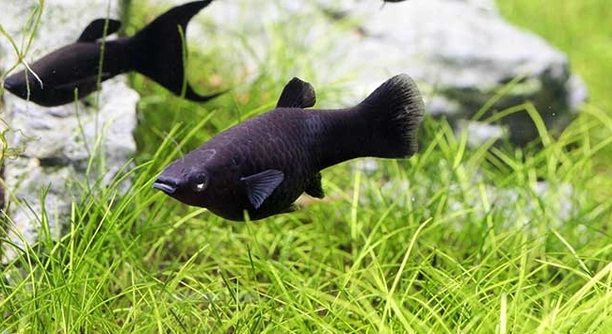
Black mollies are small, lively fish that bring color and movement to any aquarium. Caring for them properly means paying attention to their diet, which directly affects their growth and overall health in a noticeable way.
To support black molly growth, it is important to provide a balanced diet rich in protein, essential vitamins, and minerals. Incorporating high-quality flakes, live or frozen foods, and occasional vegetable matter promotes healthy development and vibrant coloration.
Feeding the right combination of foods will help your mollies thrive and remain active in your tank. A closer look at these options will guide you in making the best choices.
High-Protein Flakes
High-protein flakes are a staple for black mollies. These flakes are formulated to contain the nutrients necessary for strong growth and vibrant colors. Feeding your mollies flakes daily ensures they receive protein in a digestible form, supporting muscle development and overall health. It is important to choose high-quality brands to avoid fillers or low-nutrient options. Flakes can also be supplemented with occasional live or frozen foods to provide variety, which encourages natural foraging behaviors and helps reduce stress. Overfeeding can lead to water quality issues, so portion control is essential. Flakes should be stored properly to maintain freshness and nutritional value. Observing your mollies during feeding can help you adjust portions and ensure all fish are eating adequately. Over time, a consistent flake routine will show results in size, color, and activity level.
Feeding high-protein flakes daily strengthens black mollies’ growth and coloration while providing essential nutrients for their long-term health.
Adding flakes to a varied diet keeps black mollies healthy and active. Pairing flakes with occasional vegetables or live foods maintains interest and supports digestion, making your tank more balanced.
Live or Frozen Brine Shrimp
Live or frozen brine shrimp are a rich source of protein that promotes rapid growth in black mollies. These foods mimic natural prey and stimulate natural hunting instincts, which encourages activity. Mollies tend to respond eagerly to brine shrimp, making feeding time more engaging. Frozen options are convenient and safe if live food is not accessible. Brine shrimp are also small enough for juvenile mollies to eat comfortably, ensuring they get nutrients during early growth stages. Incorporating brine shrimp a few times a week supplements flakes and vegetables effectively, maintaining balanced nutrition. Regular use improves muscle development and enhances coloration without risking overfeeding. Brine shrimp also support reproductive health for adult mollies. Careful handling and storage prevent spoilage, keeping the food fresh. By combining this with a consistent feeding routine, mollies show noticeable growth and vitality.
Including brine shrimp improves diet quality and encourages natural behavior. They are an excellent supplement to daily flakes and vegetables.
Daphnia
Daphnia are tiny freshwater crustaceans that black mollies enjoy. They are high in protein and fiber, which supports growth and keeps digestion regular. Feeding daphnia a few times per week improves energy levels and helps maintain a healthy, active fish population in the tank.
Regularly including daphnia in your mollies’ diet promotes natural hunting behavior and provides essential nutrients not always found in flakes or vegetables. These small crustaceans are easy to digest, making them suitable for both young and adult fish. They help stimulate appetite, especially in picky eaters, and their movement in the water encourages mollies to swim actively. Offering daphnia alongside flakes or brine shrimp ensures a balanced diet that covers protein, fiber, and vitamins, supporting overall health. Over time, consistent feeding results in stronger, more vibrant fish with improved growth rates and coloration.
Daphnia also help maintain water quality indirectly. Uneaten daphnia tend to be minimal if feeding is controlled, reducing waste buildup. Their nutrient content complements other foods, and introducing them regularly keeps mollies engaged and healthy.
Blanched Vegetables
Blanched vegetables like spinach, zucchini, and peas provide essential vitamins and minerals for black mollies. Softened by blanching, these vegetables are easier to digest and prevent blockages while supporting overall health.
Adding vegetables to your mollies’ diet a few times per week ensures they receive fiber, vitamin C, and other micronutrients. Spinach is rich in iron, zucchini offers hydration and mild nutrients, and peas help regulate digestion. Preparing vegetables properly is important—blanching softens the fibers without removing nutrients, making it easier for mollies to consume. Vegetables supplement protein-rich foods, providing balance and preventing deficiencies. Over time, a diet that includes both animal and plant matter promotes vibrant colors and steady growth while supporting immune health. Mixing vegetables into flakes or feeding separately keeps meals varied and interesting for your fish.
Consistent vegetable supplementation can improve digestive health and provide a natural source of energy. It also helps reduce stress by offering variety, which keeps black mollies more active and engaged in their environment.
Bloodworms
Bloodworms are a high-protein treat for black mollies. They support growth and improve color, making them an excellent supplement to daily flakes. Feeding in moderation ensures mollies get nutrients without overfeeding or affecting water quality.
Frozen or live bloodworms are both effective. Live worms stimulate natural hunting instincts, while frozen options are convenient and easy to store. Bloodworms provide essential amino acids that aid in muscle development and overall vitality. Feeding small portions a few times per week balances nutrition and prevents digestive issues.
Pellets
Pellets provide concentrated nutrition for black mollies. High-quality pellets contain protein, vitamins, and minerals needed for steady growth. They can replace flakes or supplement other foods, depending on your feeding routine.
Pellets sink slowly, allowing mollies to eat at their own pace. Some pellets are formulated specifically for livebearers, supporting reproduction and overall health. Feeding pellets ensures consistent nutrient intake, especially when combined with vegetables and live foods. Over time, a pellet-based diet helps maintain size, color, and energy, reducing the risk of deficiencies that can occur with flakes alone. Proper portioning prevents waste and maintains clean water.
Algae Wafers
Algae wafers offer a plant-based nutrient source for mollies. They provide fiber and essential vitamins that support digestive health and balanced growth.
FAQ
What is the best diet for black mollies?
The best diet for black mollies combines high-protein flakes, live or frozen foods like brine shrimp and bloodworms, and occasional blanched vegetables. This mix ensures they receive essential proteins, vitamins, and minerals. Rotating food types keeps them engaged and prevents nutritional deficiencies while promoting steady growth.
How often should I feed black mollies?
Black mollies should be fed small portions two to three times daily. Overfeeding can lead to water quality problems and digestive issues. A consistent schedule helps regulate their metabolism and ensures all fish have access to food without overcrowding at feeding times.
Can black mollies eat only flakes?
Flakes can serve as a staple diet, but they should not be the only food. Flakes alone may lack some nutrients, and incorporating live or frozen foods and vegetables ensures balanced growth, better color, and improved immune health. Variety also stimulates natural foraging behavior.
Are vegetables necessary for mollies?
Yes, vegetables are necessary. They provide fiber and micronutrients that support digestion and overall health. Blanched spinach, zucchini, and peas are easy to digest and help prevent constipation, especially in young or small mollies. Vegetables also add variety and keep fish active.
Can I feed mollies bloodworms every day?
Bloodworms are high in protein and should be fed sparingly, two to three times per week. Daily feeding can lead to excess protein intake, affecting water quality and potentially causing digestive issues. Alternating with flakes, pellets, or vegetables ensures a balanced diet.
Do live foods improve growth faster than flakes?
Live foods like brine shrimp and daphnia can stimulate natural hunting instincts and provide high digestible protein. While flakes support basic nutrition, live foods may encourage more active feeding and contribute to faster muscle development and growth, especially in juvenile mollies.
How do I prevent overfeeding?
Offer small portions that your mollies can consume in two to three minutes. Remove uneaten food promptly. Observing their behavior helps gauge hunger levels. Using a feeding schedule and a variety of food types reduces the risk of overfeeding and maintains water quality.
Are algae wafers beneficial for mollies?
Algae wafers provide plant-based nutrients, including fiber and vitamins. They support digestion and complement protein-rich foods. Including algae wafers once or twice a week ensures mollies receive a balanced mix of animal and plant nutrients, which helps maintain overall health.
Can I mix live and frozen foods?
Yes, mixing live and frozen foods provides variety and ensures consistent nutrient intake. Live foods stimulate natural behavior, while frozen foods are convenient and safe to store. Alternating both types supports growth, color, and activity levels without overloading the tank.
How do I know if my mollies are getting enough nutrition?
Healthy black mollies are active, display vibrant color, and grow steadily. Regular observation during feeding helps identify picky eaters or nutrient deficiencies. If mollies appear lethargic, pale, or show stunted growth, adjust portions, diversify foods, or add supplements to their diet.
Can mollies survive on a vegetarian diet?
While mollies can digest plant matter, a purely vegetarian diet is not recommended. They require protein for growth and vitality. A mix of plant-based foods like blanched vegetables or algae wafers and protein sources like flakes, brine shrimp, or bloodworms ensures proper development and health.
How do I introduce new foods to black mollies?
Introduce new foods gradually by mixing them with familiar options. This reduces stress and encourages acceptance. Observe how they respond and adjust quantities to avoid waste. Gradual introduction helps mollies adapt to a varied diet, improving nutrition without upsetting their digestive system.
What role does protein play in molly growth?
Protein is essential for muscle development, tissue repair, and overall growth. High-quality flakes, brine shrimp, bloodworms, and daphnia provide the necessary amino acids. Adequate protein intake contributes to vibrant coloration and healthy activity levels, while deficiencies can slow growth and weaken immunity.
Can overfeeding affect water quality?
Yes, overfeeding produces uneaten food that decomposes, increasing ammonia and nitrate levels. This can stress mollies and lead to health problems. Controlling portion size and feeding frequency is crucial to maintain clean water and a healthy tank environment.
Are there specific foods for juvenile vs. adult mollies?
Juvenile mollies benefit from smaller, protein-rich foods like baby brine shrimp, finely crushed flakes, and daphnia. Adult mollies can handle larger flakes, pellets, and full-sized live or frozen foods. Adjusting portion size and food type ensures optimal growth and overall health at each stage.
How do I maintain variety in a molly diet?
Rotate flakes, pellets, live or frozen foods, and vegetables throughout the week. This ensures a balanced intake of protein, fiber, vitamins, and minerals. Variety prevents boredom, encourages activity, and supports strong growth, vibrant colors, and long-term health.
Can mollies eat fruit?
Small amounts of soft fruit like finely chopped melon or cucumber can be given occasionally. Fruit provides some vitamins but should not replace protein or vegetable sources. Moderation is key to prevent digestive upset and maintain balanced nutrition.
Is it necessary to soak pellets before feeding?
Soaking pellets is optional but can prevent them from swelling too much in the tank, which reduces digestive stress. Pre-soaking also softens them, making it easier for younger or smaller mollies to eat efficiently and digest properly.
How do I ensure all fish get food in a community tank?
Distribute food evenly across the tank and use a mix of floating and sinking foods. Observe feeding times to ensure smaller or slower mollies receive adequate nutrition. Rotating food types can help reduce competition and encourage balanced intake.
Can improper diet affect molly reproduction?
Yes, a diet lacking in protein or essential vitamins can reduce fertility, weaken fry survival, and affect adult health. Providing high-quality flakes, live or frozen protein sources, and vegetables ensures reproductive health and supports successful breeding.
Are homemade foods safe for mollies?
Homemade foods can be safe if prepared correctly with balanced ingredients. Avoid additives, excessive starch, or fatty content. Boiled vegetables, finely chopped seafood, or small portions of egg can supplement their diet. Ensure consistency and moderation to maintain health.
How long does it take to see results from a better diet?
Visible improvements in growth, color, and activity may appear within a few weeks of a consistent, balanced diet. Juvenile mollies tend to show results faster, while adults may require longer to reflect dietary changes fully. Observation ensures adjustments as needed.
Can mollies eat flakes intended for other fish?
Occasionally, mollies can eat general tropical fish flakes, but species-specific flakes provide optimal protein, vitamins, and minerals. Using flakes formulated for livebearers supports growth, color, and reproduction better than generic options.
What is the ideal feeding portion for a single molly?
Feed each molly an amount they can consume in 2-3 minutes. This usually equals a pinch of flakes or a small cluster of live or frozen foods. Adjust portions as needed based on tank size, population, and individual appetite to prevent waste.
How do I store molly food to maintain freshness?
Keep flakes, pellets, and frozen foods in airtight containers and store in a cool, dry place. Frozen foods should remain at consistent temperatures, and live foods require proper tanks or containers. Fresh storage preserves nutrients and prevents spoilage or contamination.
Are supplements necessary for mollies?
Supplements are generally not needed if a varied diet is provided. Occasional vitamin or mineral additions can be used if deficiencies appear. Balanced nutrition through flakes, live/frozen foods, and vegetables typically covers their dietary needs.
Can black mollies survive on frozen foods alone?
Frozen foods can sustain mollies but should not be the sole diet. They lack some nutrients found in flakes or vegetables. Combining frozen foods with flakes, pellets, and vegetables ensures complete nutrition and supports long-term health, growth, and coloration.
How do I adjust feeding for seasonal changes?
Mollies’ metabolism may slow in cooler temperatures, reducing appetite. Reduce portion sizes and feeding frequency accordingly. In warmer months, they may require slightly larger portions. Monitoring activity and growth helps guide proper adjustments to maintain health year-round.
Are some foods better for color enhancement?
Yes, foods rich in carotenoids, like brine shrimp and bloodworms, enhance coloration. Regular feeding of these foods alongside a balanced diet promotes vibrant black molly hues and healthy skin. Vegetables also provide micronutrients that support overall appearance.
How long can mollies go without food?
Healthy adult mollies can survive a few days without food, but regular feeding is essential for growth, reproduction, and vitality. Juveniles are less tolerant of fasting and require consistent daily feeding to ensure proper development.
Can overfeeding affect molly lifespan?
Yes, overfeeding increases waste, reduces water quality, and can cause obesity or digestive issues, shortening lifespan. Maintaining portion control and a varied diet helps mollies stay healthy and live longer, more active lives.
How do I deal with picky eaters?
Offer a variety of food types, alternating flakes, live/frozen foods, and vegetables. Observing preferences and providing small, frequent portions encourages eating. Gradual introduction and mixing foods can help reluctant mollies adapt and maintain proper nutrition.
Is it safe to feed mollies human food?
Most human food is not recommended due to additives, salt, or fat. Occasionally, plain boiled vegetables or finely chopped seafood can be given in very small amounts. Always prioritize fish-specific foods for balanced nutrition and safety.
What are the signs of malnutrition in mollies?
Signs include slow growth, faded color, lethargy, sunken belly, and poor fin condition. Observing these symptoms early allows dietary adjustments, such as adding protein, vegetables, or supplements, to restore health and growth.
How important is variety in a molly’s diet?
Variety ensures mollies get all necessary nutrients, encourages natural behavior, and prevents boredom. Alternating flakes, live/frozen foods, pellets, and vegetables supports growth, color, and overall health, maintaining active and healthy fish in your tank.
Can I combine flakes and pellets in one feeding?
Yes, combining flakes and pellets allows mollies to access both floating and sinking nutrients. This ensures balanced intake, supports growth, and accommodates fish of different sizes or feeding habits. Rotate with live or frozen foods for optimal nutrition.
Are there specific brands recommended for black mollies?
High-quality brands that provide protein-rich flakes or pellets formulated for livebearers are preferred. Look for options without excessive fillers, artificial dyes, or low nutrient content. Supplementing with live/frozen foods ensures complete nutrition and supports health and growth.
How do I make sure juvenile mollies get enough food?
Feed smaller, finely crushed flakes, baby brine shrimp, or daphnia. Offer small portions multiple times daily. Juveniles have faster metabolisms and need frequent, balanced feedings to support growth, color development, and healthy activity levels.
What is the role of fiber in molly diets?
Fiber aids digestion and prevents constipation. Blanched vegetables, peas, and algae wafers provide this essential component. Including fiber-rich foods alongside protein ensures a balanced diet and promotes healthy digestive function in black mollies.
How can I transition mollies to new foods?
Gradually mix new food with familiar items. Start with small amounts, slowly increasing over days. Monitor acceptance and adjust feeding frequency to ensure all mollies consume the new food comfortably without causing digestive stress.
Are frozen foods as nutritious as live foods?
Frozen foods retain most nutrients and are convenient, but live foods offer stimulation and natural behavior benefits. Both support protein intake and growth. Alternating between live and frozen ensures mollies receive complete nutrition and remain active.
Can black mollies survive on flakes alone for a short period?
Yes, flakes alone can sustain mollies temporarily, but prolonged reliance may lead to nutrient deficiencies. Combining with live, frozen, or vegetable supplements ensures proper growth, color, and overall health over time.
Do mollies need vitamin supplements?
If fed a varied diet of flakes, live/frozen foods, and vegetables, supplements are usually unnecessary. They can be added if deficiencies appear, but high-quality food typically provides sufficient vitamins and minerals.
Can improper diet cause disease in mollies?
Yes, deficiencies in protein, vitamins, or minerals weaken immunity, making mollies more susceptible to disease. A balanced, varied diet supports a strong immune system, healthy growth, and resistance to common fish illnesses.
How often should I rotate food types?
Rotating foods several times per week ensures mollies get a balanced diet. Alternate flakes, pellets, live or frozen foods, and vegetables to cover protein, fiber, and micronutrient needs while maintaining interest and activity.
Can mollies eat only plant-based foods temporarily?
Plant-based foods alone can sustain mollies short-term but lack sufficient protein for long-term growth and health. Including protein sources ensures proper development, energy, and coloration.
What is the best way to introduce vegetables?
Blanch vegetables like spinach, zucchini, or peas to soften them. Offer small portions a few times per week alongside flakes or pellets. Gradual introduction ensures mollies accept the new food without digestive issues.
Are feeding habits different in community tanks?
Yes, competition may affect access. Distribute food evenly, use floating and sinking options, and observe feeding. Ensuring all fish get food prevents malnutrition and supports consistent growth across the tank population.
How do I avoid overfeeding with live foods?
Offer only what mollies can eat in a few minutes. Remove excess immediately. Combining live foods with flakes or vegetables in rotation helps manage portions and maintain water quality.
Do black mollies need more protein than other tropical fish?
Black mollies require a moderate to high-protein diet due to their active nature and growth rate. Flakes, pellets, and live/frozen foods provide sufficient protein, ensuring development, color, and vitality compared to low-protein diets.
Can I use frozen peas to feed mollies?
Yes, frozen peas can be blanched and fed to mollies. They provide fiber and aid digestion. Serve in small portions a few times per week as part of a balanced diet.
How important is consistency in feeding?
Consistent feeding ensures mollies receive adequate nutrition, maintain steady growth, and develop strong immune systems. Irregular feeding can stress fish, affect appetite, and slow growth or coloration development.
Are high-fat foods safe for mollies?
Occasional high-fat foods are acceptable, but regular feeding can lead to obesity and water quality issues. Stick to protein-rich foods, vegetables, and controlled treats to maintain health and activity.
Do juvenile mollies need more frequent feeding than adults?
Yes, juveniles have higher metabolic rates and need small, frequent meals throughout the day. Adults can thrive with two to three feedings daily. Adjust portions to prevent waste and maintain water quality.
How do I prevent selective eating?
Provide variety and distribute food evenly across the tank. Mixing flakes, pellets, live/frozen foods, and vegetables encourages balanced intake and prevents dominant fish from consuming all the food. Observation helps ensure each molly eats sufficiently.
Can I use homemade fish flakes?
Homemade flakes can supplement diets if they provide balanced nutrients. Avoid excessive fillers or additives. They should complement, not replace, commercial flakes and protein sources to maintain proper nutrition and growth.
Is it safe to feed mollies shrimp pellets?
Yes, high-quality shrimp pellets can be used occasionally. They offer protein and minerals but should not replace a varied diet. Combine with flakes, vegetables, and live/frozen foods for complete nutrition.
Can mollies eat bloodworms with other foods?
Yes, bloodworms can be mixed with flakes, pellets, or vegetables. This ensures balanced nutrient intake while adding variety to the diet. Serve in moderation to prevent overfeeding and maintain water quality.
How do I know if my mollies are growing properly?
Healthy mollies show steady size increase, vibrant color, and active swimming. Regular observation and consistent feeding with a balanced diet indicate proper growth. Adjust food types or portions if growth appears slow or fish seem lethargic.
Are pellets better than flakes for adult mollies?
Pellets provide concentrated nutrition and sink slowly, which helps adult mollies feed comfortably. Flakes remain convenient and digestible. Using both, along with live/frozen foods and vegetables, ensures a complete diet.
Can I feed mollies tiny insects from my garden?
Occasionally, small insects can be offered if safe and pesticide-free. They provide protein, but commercial foods are more reliable for balanced nutrition. Insects should only supplement, not replace, a regular diet.
Is overfeeding the main reason for poor water quality?
Yes, excess food decomposes, raising ammonia and nitrate levels. Controlled portions and timely removal of uneaten food prevent water problems and maintain healthy conditions for mollies.
How long can I store frozen foods?
Frozen foods typically remain safe for several months if kept at consistent freezing temperatures. Check packaging for guidance and avoid thawing and refreezing, which reduces nutrient quality and safety.
Are flakes enriched with vitamins necessary?
Flakes enriched with vitamins support growth, color, and immunity, especially if live or vegetable foods are limited. Using high-quality enriched flakes helps cover nutritional gaps in a molly’s diet.
Can mollies eat small worms from soil?
Avoid feeding soil worms due to potential contamination, pesticides, or parasites. Stick to commercially available live or frozen worms, like bloodworms, to ensure safety and proper nutrition.
How do I prevent mollies from overeating when feeding multiple foods?
Offer each type in small portions and monitor consumption. Feed in rotation rather than all at once. Removing uneaten portions helps maintain water quality and prevents obesity.
Can mollies eat small pieces of fish?
Small, plain, cooked, or frozen fish pieces can be offered occasionally for protein. Avoid fatty or seasoned fish. They should supplement, not replace, regular flakes, pellets, or live foods.
What is the impact of a poor diet on coloration?
Insufficient protein, vitamins, or carotenoids can cause fading or dull color. A balanced diet including flakes, live/frozen foods, and vegetables enhances natural pigmentation and keeps black mollies vibrant and healthy.
Can mollies eat mosquito larvae?
Yes, mosquito larvae are safe and nutritious in small amounts. They provide protein and stimulate hunting behavior. Ensure larvae are collected from safe, pesticide-free water to prevent contamination.
Do black mollies need a high-protein diet more than other livebearers?
They require moderate to high protein to support active swimming and steady growth. A combination of flakes, pellets, live, and frozen foods ensures they meet protein needs without compromising health.
**How do I know if my mollies like a new food?
Black mollies are small, active fish that benefit greatly from a balanced and varied diet. Feeding them only one type of food can lead to nutritional gaps, slow growth, and dull coloration. Including a combination of high-protein flakes, live or frozen foods, and blanched vegetables ensures they get the essential nutrients needed for steady development. Flakes and pellets provide a reliable daily source of protein, vitamins, and minerals, while live and frozen foods like brine shrimp, daphnia, and bloodworms add extra protein and stimulate natural hunting behaviors. Vegetables and algae wafers supply fiber, vitamins, and minerals that support digestion and overall health. Paying attention to portion sizes and feeding frequency helps prevent overfeeding, which can harm water quality and reduce the health of your mollies.
Feeding black mollies requires observation and consistency. Watching how your fish respond to different foods helps you adjust portions and ensure that all mollies are eating adequately. Juvenile mollies often need smaller, more frequent meals, while adults can thrive with slightly larger portions two to three times per day. Introducing new foods gradually, mixing them with familiar items, and providing a variety of textures and flavors encourages acceptance and keeps them engaged. Balanced feeding practices contribute to strong growth, vibrant coloration, and active swimming patterns. Maintaining clean water and removing uneaten food is equally important, as poor water quality can lead to stress, disease, or stunted growth. By keeping track of feeding routines and observing fish behavior, you can make simple adjustments that have a big impact on the health and vitality of your black mollies.
Overall, supporting black molly growth is about providing a diet that combines protein, fiber, vitamins, and minerals in appropriate portions. Variety, consistency, and observation are key to ensuring they thrive in your tank. High-quality flakes and pellets form the foundation of their diet, while live and frozen foods add essential nutrients and encourage natural behaviors. Blanched vegetables and algae wafers provide fiber and additional micronutrients that keep their digestive system healthy. Regular monitoring, portion control, and gradual introduction of new foods help maintain water quality and prevent stress. With a thoughtful and consistent feeding approach, black mollies can grow steadily, develop vibrant coloration, and remain active and healthy for years. A proper diet is one of the simplest ways to ensure that your tank remains lively and your fish are thriving, making the care process rewarding and effective.

Hello,
If you enjoy the content that we create, please consider saying a "Thank You!" by leaving a tip.
Every little bit helps us continue crafting quality advice that supports the health, happiness, and well-being of pets around the world, for pets of all shapes, sizes, and species.
We really appreciate the kindness and support that you show us!