
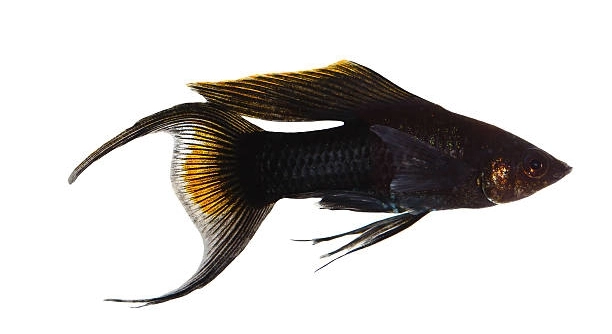
Are your black molly fry spending most of their time hiding in your aquarium? Observing them can be worrying, especially when they seem less active or avoid swimming in open areas. Understanding their behavior helps maintain a healthy tank.
The primary reason black molly fry hide all day is due to stress and environmental factors. Overcrowding, sudden changes in water conditions, or the presence of aggressive tank mates can cause fry to seek shelter and avoid open spaces, ensuring safety and survival.
Recognizing these hiding patterns is important for creating a safe environment and supporting the growth and wellbeing of your fry. Small adjustments can make a significant difference.
Common Reasons Black Molly Fry Hide
Black molly fry often hide due to stress, fear, or environmental conditions. New tanks or sudden changes in water temperature, pH, or hardness can make fry feel unsafe. Overcrowded tanks increase stress as fry compete for space and food. Fry also hide when larger or aggressive fish are nearby, as they instinctively avoid danger. Insufficient hiding spots, like plants or decorations, can make them feel exposed, causing constant retreat. Light intensity also affects their comfort; overly bright lighting can force fry to stay in shaded areas. Nutrition plays a role too. Inadequate or infrequent feeding may push fry to remain hidden while waiting for safer times to feed. Observing patterns and adjusting the environment gradually helps reduce hiding. Maintaining stable conditions, gentle feeding, and providing ample shelter encourages fry to explore and become more active. Consistency is key to helping them feel secure and thrive in your aquarium.
Providing adequate hiding spaces like moss or plants reduces stress and encourages natural behavior.
Monitoring water parameters and adjusting gradually ensures fry grow healthily and remain active without fear or stress.
How to Encourage Fry to Swim Freely
Start by adding small plants or floating decorations to create secure areas.
Gradually introducing mild light and feeding small, frequent meals reduces stress. Avoid overcrowding and remove aggressive fish that may intimidate fry. Maintaining stable water parameters like temperature, pH, and cleanliness supports overall health. Watching fry interact with their environment helps you identify if hiding is due to fear, stress, or environmental discomfort. Regular observation allows timely adjustments before issues escalate. Patience is important, as fry may take days or weeks to adapt to new conditions. Providing gentle water flow rather than strong currents also encourages exploration without overwhelming them. Consistent care and observation help fry become more confident swimmers. Over time, they will leave hiding spots more often, feed actively, and grow stronger, creating a lively and balanced tank. Small changes can have a major impact on their comfort and activity, ensuring long-term health and vitality.
Water Quality and Temperature
Stable water conditions are essential for black molly fry. Sudden changes in temperature or pH can cause them to hide constantly. Regular testing and slow adjustments help fry feel safe and reduce stress, promoting healthier growth and activity in the tank.
Poor water quality is a leading factor in fry hiding. High ammonia, nitrite, or nitrate levels can be harmful and stressful. Fry are especially sensitive because their small size makes them vulnerable to toxins. Frequent water changes, proper filtration, and careful monitoring of chemical levels maintain a healthy environment. Avoid abrupt changes, as sudden temperature drops or shifts in pH can trigger hiding behavior. Fry thrive in clean, stable water that mimics their natural conditions, allowing them to explore and feed confidently.
Maintaining consistent temperature is equally important. Sudden fluctuations can cause stress, lethargy, or hiding. Using a reliable heater and thermometer ensures water stays within the optimal range. Stability reduces energy spent on survival instincts and encourages active swimming. Black molly fry respond positively to gradual changes in their environment.
Tank Setup and Hiding Spots
Fry need plenty of small plants or decorations for shelter. Dense foliage or floating plants give them safe areas to retreat and feel secure.
Providing adequate hiding spots helps fry reduce stress while exploring. Moss, small caves, and dense plant clusters create microhabitats where they can hide from larger fish or strong currents. Fry feel more confident when they have options to retreat without being exposed. Tank layout matters as well; open spaces should be balanced with secure areas. Placement of feeding zones near cover encourages fry to feed without fear. Avoid overcrowding decorations, which can limit swimming space. Observing how fry use these shelters helps determine if adjustments are needed. Proper tank setup allows fry to grow actively while feeling protected.
Lighting and flow also impact hiding. Gentle water movement prevents fry from being swept into dangerous areas. Soft lighting reduces stress, allowing fry to gradually leave hiding spots. Experimenting with plant density, hiding spaces, and flow ensures an environment that balances safety with activity, helping fry become more confident swimmers over time.
Feeding and Nutrition
Small, frequent meals are best for black molly fry. They need tiny portions of high-quality food to grow and stay active. Overfeeding can pollute the water, while underfeeding makes them hide more often.
Live or powdered fry foods work well. Nutrient-rich diets encourage growth and confidence. Fry explore more when they know food is available and safe.
Reducing Stress Factors
Removing aggressive or larger tank mates reduces hiding. Fry feel safer and are more likely to swim freely when threats are minimized. Providing a calm, stable environment is key.
Stress can also come from sudden movements near the tank or loud noises. Keeping a consistent routine and minimizing disturbances helps fry feel secure. Environmental stressors like strong currents or overly bright lights also contribute to hiding behavior. Adjusting these factors gradually allows fry to adapt without panic, encouraging exploration and active feeding. Observing their behavior closely helps identify specific stress points that need correction. Consistent care supports long-term health and activity.
Observing Behavior Patterns
Monitoring fry behavior helps identify hiding triggers. Noting when and where they hide reveals patterns tied to water, food, or tank mates.
Growth and Development
As fry grow, they naturally become more confident and spend less time hiding. Gradual independence is part of healthy development.
FAQ
Why do black molly fry hide even in a well-maintained tank?
Even in a clean, stable tank, fry may hide due to natural instincts. They are small and vulnerable, so hiding is a survival strategy. Minor disturbances, sudden lighting changes, or the presence of larger fish can still trigger hiding behavior despite ideal water conditions.
How long do black molly fry usually hide?
The hiding period varies with age, environment, and stress levels. Newly hatched fry tend to hide more, often for several days to a few weeks. As they grow and feel safer, they gradually spend more time swimming in open areas. Patience and careful observation are essential.
Can overcrowding make fry hide more often?
Yes, overcrowding increases stress and competition for food and space. Fry hide to avoid larger or more aggressive fish. Reducing tank population and providing adequate hiding spots allows fry to feel secure and gradually explore the tank.
What types of hiding spots are best for fry?
Dense plants, moss, floating vegetation, and small caves are ideal. These spaces mimic natural habitats, providing safety from aggressive fish and strong water currents. Multiple small shelters are better than one large hiding place because fry can choose based on comfort and safety.
Does water temperature affect hiding behavior?
Temperature fluctuations can stress fry, causing them to retreat. Keeping water stable within the species’ ideal range encourages exploration and active feeding. Using a reliable heater and thermometer ensures consistent conditions that reduce stress-related hiding.
Do fry hide more at certain times of the day?
Fry may hide during brighter light periods or when the tank is disturbed. They often become more active during low-light conditions or feeding times. Observing daily patterns helps adjust lighting and feeding schedules to encourage confidence and swimming activity.
Can diet influence hiding behavior?
Yes, nutrition affects energy and confidence. Small, frequent meals of high-quality fry food prevent hunger-related stress. Live or powdered foods stimulate natural foraging behavior, encouraging fry to leave hiding spots safely and develop normally.
Are there health issues that cause hiding?
Illness can make fry lethargic and prone to hiding. Symptoms like discoloration, swelling, or unusual movement indicate possible disease. Maintaining water quality and observing fry closely allows early detection and treatment, reducing prolonged hiding caused by health problems.
Will fry always hide around larger fish?
They instinctively avoid larger or aggressive tank mates. Over time, as fry grow and stronger fish learn their boundaries, hiding may decrease. Temporary separation using a breeding box or dense plant areas helps fry gain confidence.
How can I safely encourage fry to swim more?
Provide gradual lighting, gentle water flow, frequent small meals, and adequate shelters. Minimize disturbances and aggressive fish presence. Over time, consistent care reduces fear and promotes active swimming. Observing and adjusting based on behavior helps fry become more confident in their environment.
Does hiding impact growth?
Extended hiding can reduce feeding opportunities, affecting growth. Ensuring accessible food near shelters and a stress-free environment supports proper development. Fry that feel safe and well-fed will grow more steadily and gradually spend more time exploring.
Is it normal for some fry to remain shy longer than others?
Yes, individual temperament varies. Some fry are naturally cautious and may take longer to explore open areas. Providing consistent care, shelter, and nutrition allows even shy fry to adapt at their own pace.
Can environmental changes reduce hiding behavior?
Gradual adjustments in tank layout, lighting, and water flow encourage exploration. Sudden changes can worsen hiding. Observing fry responses to modifications helps ensure they adapt safely and become more active over time.
How often should I check on hiding fry?
Regular observation is important, but avoid constant tapping or disturbing the tank. Monitoring behavior a few times daily is sufficient to notice trends, stress signs, or changes in activity, allowing timely intervention if needed.
Does hiding indicate the fry are unhappy?
Hiding is a natural protective behavior, not necessarily unhappiness. Fry feel safest in secure environments. Proper care, consistent feeding, and suitable shelter ensure they remain healthy and gradually more confident.
Can tank mates influence hiding patterns?
Yes, the presence of faster, larger, or aggressive fish increases hiding. Separating fry or providing dense plant coverage allows them to feed and explore without constant fear, encouraging gradual adaptation to the community tank.
Are there ways to make fry feel safer without moving them?
Adding floating plants, moss, or small caves gives security. Adjusting light intensity and minimizing sudden disturbances further reduces stress. Over time, these changes help fry leave hiding spots and actively explore their environment while remaining safe.
How can I tell if hiding is due to stress or illness?
Stress-induced hiding often coincides with environmental changes, tank mates, or overcrowding. Illness usually shows additional signs like discoloration, swelling, lethargy, or abnormal swimming. Observing water conditions and fry appearance helps distinguish the cause for proper action.
Will fry hide less as they get older?
Yes, growth and increased confidence generally reduce hiding behavior. Older fry can swim more confidently, access food easily, and interact safely with other fish, gradually spending less time in shelters while remaining cautious in new or potentially stressful situations.
Are there specific tank setups that minimize hiding?
Tanks with dense plants, gentle flow, moderate lighting, and minimal aggressive fish reduce hiding. Open swimming areas combined with secure shelters encourage exploration. Consistency in water quality, feeding, and lighting supports active, confident fry while providing safety when needed.
Does hiding behavior affect long-term survival?
Temporary hiding is natural and protective, aiding survival. Persistent stress or poor nutrition during hiding can affect growth and health. Proper tank conditions, nutrition, and observation ensure hiding is a safe strategy rather than a threat to long-term survival.
Final Thoughts
Black molly fry hiding is a natural and common behavior. They are small, vulnerable, and instinctively seek shelter to avoid threats. While it may seem concerning to see them staying in one spot most of the day, this behavior is a survival mechanism. Fry use hiding to protect themselves from larger fish, sudden movements, or environmental changes. Understanding this helps reduce unnecessary worry. Observing their patterns allows you to identify when hiding is normal and when it might indicate stress or health issues. Many fry gradually leave hiding spots as they grow and become more confident, showing that patience and careful care are important for their development.
Creating a safe environment is key to encouraging fry to explore and remain active. Stable water conditions, suitable temperature, and proper pH levels reduce stress significantly. Fry are sensitive to sudden changes, so gradual adjustments are necessary. Adequate hiding spots, such as plants, moss, and small decorations, give them options to retreat without feeling exposed. Balanced feeding with high-quality, small meals ensures they get the nutrients needed for growth while maintaining confidence to leave shelters. Reducing aggressive tank mates and minimizing disturbances, like sudden lighting changes or loud noises, also contributes to a calm environment. Attention to these details helps fry thrive and grow steadily.
Patience and observation remain essential throughout the process. Fry develop at their own pace, and some may remain shy longer than others. Consistent care, a safe environment, and proper nutrition gradually build their confidence. Monitoring water quality, feeding schedules, and interactions with other fish allows adjustments to support their comfort. Fry that feel secure are more likely to leave hiding spots, feed actively, and grow stronger. While hiding is a natural part of early development, careful management ensures it does not interfere with health or growth. Over time, a well-prepared tank and thoughtful care create an environment where black molly fry can thrive, swim actively, and develop into healthy adult fish.

Hello,
If you enjoy the content that we create, please consider saying a "Thank You!" by leaving a tip.
Every little bit helps us continue crafting quality advice that supports the health, happiness, and well-being of pets around the world, for pets of all shapes, sizes, and species.
We really appreciate the kindness and support that you show us!