
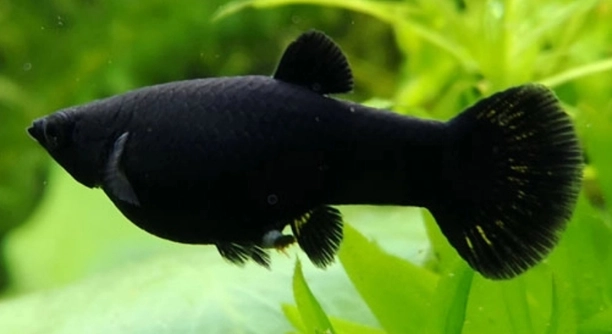
Can Black Molly fish thrive in simple, low-maintenance aquarium setups is a common concern for hobbyists. Many enjoy their striking appearance but worry about keeping them healthy without complex equipment or frequent maintenance routines.
Black Molly fish can survive in low-maintenance setups if key water parameters, diet, and tank conditions are consistently monitored. Proper filtration, stable temperature, and regular but minimal upkeep ensure their health, even in simplified aquarium environments.
Learning the essentials of Black Molly care can make fishkeeping more enjoyable. Maintaining the right conditions allows these vibrant fish to live comfortably without constant intervention.
Understanding Low-Maintenance Setups for Black Molly
A low-maintenance setup for Black Molly focuses on simplicity without compromising the fish’s health. It usually involves a moderately sized tank with a reliable filter, gentle water flow, and consistent temperature. Black Mollies prefer slightly brackish or hard water, so it is important to monitor pH and hardness levels. While live plants are optional, they can help reduce nitrate buildup and provide hiding spots. Substrate choice is flexible, but smooth gravel or sand is ideal for their active swimming. Feeding should be regular but moderate, offering a mix of flake food and occasional protein-based treats. Frequent full water changes are unnecessary, but partial water changes every one to two weeks help maintain water quality. Lighting should match plant requirements if live plants are present but should not be overly intense. Overall, this setup allows the fish to thrive without constant intervention, combining ease with responsible care.
Maintaining stable water conditions is crucial for Black Mollies. Even low-maintenance setups require basic monitoring of temperature, pH, and ammonia.
Simplifying the tank environment does not mean ignoring their needs. Black Mollies are adaptable but sensitive to sudden changes. Observing their behavior helps identify stress, illness, or poor water quality. A well-chosen filter and regular partial water changes reduce the risk of harmful buildup, while proper feeding prevents obesity or digestive issues. Providing minimal but functional décor supports natural swimming patterns and social behavior. Low-maintenance setups are most effective when routine checks are easy to perform and environmental adjustments are gradual. The goal is a stable habitat that supports long-term health and displays their natural coloration. Even without high-tech equipment, following these basic principles can lead to a thriving Black Molly population that is visually appealing and healthy.
Feeding and Care Practices
Black Mollies eat a variety of foods, making their diet easy to maintain.
A balanced feeding routine is essential for their growth and color. Flakes, pellets, and occasional frozen or live foods meet their nutritional needs. Overfeeding should be avoided to prevent water pollution, which can affect the tank’s balance. Consistent feeding times help establish routine, reducing stress and competition among fish. Observing their behavior during feeding ensures all fish receive enough food and remain healthy. Supplements or occasional treats can enhance their color and vitality, but these are not required daily. Clean feeding practices, such as removing uneaten food, help maintain low-maintenance conditions. With these practices, keeping Black Mollies healthy and vibrant becomes manageable, even in a simple aquarium setup.
Water quality, tank conditions, and feeding habits all interact to influence Black Mollies’ health. While they are adaptable, neglecting one factor can lead to stress or disease. Regular monitoring of water parameters ensures ammonia, nitrite, and nitrate levels remain safe. Black Mollies also require stable temperatures, ideally between 75 and 82 degrees Fahrenheit, to prevent immune stress. Overcrowding should be avoided, as it can lead to aggression or stunted growth. Incorporating gentle filtration prevents strong currents that may exhaust the fish. Proper care includes routine partial water changes, moderate feeding, and occasional observation of behavior and coloration. By keeping these elements consistent, even a low-maintenance setup supports thriving, active Black Mollies. The combination of simple equipment, stable conditions, and mindful care allows their natural behavior and appearance to flourish without complex interventions.
Tank Size and Social Behavior
Black Mollies thrive in tanks of at least 20 gallons. Overcrowding can cause stress and aggression. A small group of three to six fish is ideal, allowing them space to swim and display natural behavior. Providing hiding spots reduces tension and supports peaceful interactions.
Keeping the right tank size ensures their health and activity. Black Mollies are social fish that enjoy company but need space to avoid territorial disputes. Adding plants or décor provides shelter and encourages natural exploration, which keeps them stimulated. Observing group dynamics can help identify stress or dominant behavior early. Regular monitoring prevents overcrowding issues and supports a balanced, harmonious environment.
Proper social structure contributes to breeding success and overall well-being. Black Mollies communicate through subtle movements and positioning, which requires enough room for expression. Tanks that are too small or densely populated lead to stress-related problems, such as loss of appetite or weakened immunity. A thoughtfully arranged aquarium encourages swimming, hiding, and social interaction. Regular partial water changes, combined with adequate space, keep water quality high. This approach maintains their vibrant colors and energetic behavior, even in a low-maintenance setup, allowing the fish to live longer and healthier lives while reducing the need for constant intervention.
Water Parameters and Temperature
Maintaining stable water conditions is essential. Black Mollies prefer temperatures between 75 and 82 degrees Fahrenheit, a pH of 7.5 to 8.5, and moderately hard water. Sudden changes can cause stress and illness.
Temperature and water chemistry directly affect their metabolism and immune system. Inconsistent conditions can lead to weakened health, poor coloration, and susceptibility to disease. Filtration, aeration, and occasional partial water changes help maintain stability. Black Mollies tolerate slight variations but are sensitive to abrupt shifts, so monitoring equipment is necessary. Using a reliable thermometer and testing pH and hardness regularly ensures long-term health. Salt supplementation in small amounts may also benefit their overall condition, especially in freshwater setups. Keeping water clean prevents algae buildup and supports a stress-free environment for the fish.
Even in low-maintenance setups, monitoring is required to prevent issues. Filtration should be gentle but efficient, avoiding strong currents that exhaust the fish. Regular water changes remove toxins and maintain optimal mineral balance. Black Mollies are resilient but show signs of stress, such as clamped fins or reduced activity, when conditions decline. Choosing appropriate substrate and décor helps stabilize water chemistry and provides natural hiding spaces. Consistency in feeding, temperature, and water quality creates a low-maintenance environment that still meets the fish’s needs. This approach reduces illness risk while supporting their natural behavior and vibrant appearance.
Filtration and Aeration
A gentle filter is essential to maintain clean water without creating strong currents. Black Mollies thrive in well-oxygenated environments, so adding an air stone or sponge filter can help maintain adequate aeration in the tank.
Regular filter cleaning supports consistent water quality. Avoid deep cleaning that removes beneficial bacteria, as it can destabilize the tank.
Lighting and Plant Care
Moderate lighting encourages plant growth without stressing the fish. Live plants provide hiding spots, reduce nitrates, and improve water quality.
Healthy plants support a balanced ecosystem. Low-maintenance setups benefit from hardy plants like Java fern or Anubias, which require minimal trimming and tolerate varying water conditions. Adequate lighting and nutrient supplementation help plants thrive while keeping the tank simple to manage.
Breeding Considerations
Black Mollies are livebearers and breed easily in captivity. Males display more vibrant colors and chase females when ready to mate.
Providing hiding spaces for fry increases survival rates. Even in simple setups, separating fry or adding dense plants can protect them from adult fish.
FAQ
Can Black Mollies live in freshwater tanks?
Yes, Black Mollies can live in freshwater, but they thrive better in slightly brackish water. Adding a small amount of aquarium salt can mimic their natural conditions, support their immune system, and help maintain vibrant coloration. Freshwater-only setups are possible but require careful attention to water hardness and pH.
How often should I perform water changes?
Partial water changes of 20–25% every one to two weeks are usually sufficient. This helps remove accumulated waste, prevent nitrate buildup, and maintain stable water parameters. Avoid frequent full water changes, as they can shock the fish and disrupt the beneficial bacteria in the tank.
What is the ideal diet for Black Mollies?
A balanced diet includes high-quality flake food or pellets, supplemented occasionally with frozen or live foods like brine shrimp or daphnia. Vegetables, such as blanched zucchini or spinach, can provide additional fiber. Avoid overfeeding, as uneaten food can degrade water quality and cause digestive issues.
How many Black Mollies should I keep together?
A small group of three to six fish works best. Black Mollies are social but can become stressed if overcrowded. Providing enough space, hiding spots, and plants reduces aggression and encourages natural social behavior. Observing group dynamics can help identify if the tank is too crowded.
Can Black Mollies live with other fish?
Yes, they can live peacefully with other non-aggressive species of similar size. Avoid fin-nipping species or overly aggressive fish. Suitable tankmates include guppies, platies, and corydoras. Careful selection helps maintain a calm environment and reduces stress.
What temperature range is safe for Black Mollies?
Black Mollies prefer temperatures between 75 and 82 degrees Fahrenheit. Sudden fluctuations can weaken their immune system, so using a reliable heater and thermometer is essential. Consistency supports activity, growth, and reproduction.
Do Black Mollies need special lighting?
Moderate lighting is sufficient. It supports plant growth and enhances their natural coloration. Avoid intense or prolonged lighting, as it can stress the fish or encourage excessive algae growth. A standard aquarium light for six to eight hours per day works well.
How can I prevent disease in a low-maintenance setup?
Stable water parameters, moderate feeding, and proper filtration are key. Avoid overcrowding and quarantine new fish before adding them to the main tank. Observing fish for early signs of illness, such as clamped fins, spots, or reduced activity, allows timely intervention.
Will Black Mollies reproduce in a low-maintenance tank?
Yes, they breed easily under stable conditions. Males chase females and fertilize live young internally. Providing hiding spots or dense plants ensures fry survival, even without a separate breeding tank. Regular monitoring of population prevents overcrowding.
Is adding salt necessary in freshwater tanks?
Adding small amounts of aquarium salt can benefit Black Mollies in freshwater setups. It supports gill function, helps prevent certain parasites, and stabilizes osmotic balance. Too much salt can harm plants and other freshwater species, so careful measurement is important.
How long do Black Mollies typically live?
With proper care, Black Mollies live around three to five years. Maintaining stable water conditions, a balanced diet, and low-stress tank environments contributes to their longevity. Regular observation ensures any health issues are addressed promptly, supporting a full lifespan.
Can I keep Black Mollies in a low-maintenance tank without live plants?
Yes, they can survive without live plants, but adding hardy plants improves water quality and provides shelter. Fake plants can also work for hiding spaces, though they do not contribute to nitrate reduction. Plants enhance the environment without adding significant maintenance.
What signs indicate that my Black Mollies are stressed?
Stress signs include clamped fins, loss of appetite, erratic swimming, or hiding excessively. Poor water quality, overcrowding, sudden changes in temperature, or aggressive tankmates are common causes. Addressing the root issue quickly helps restore health and normal behavior.
How do I handle water hardness and pH?
Black Mollies prefer slightly hard, alkaline water. Using a test kit to monitor parameters ensures stability. Adjustments can be made with minerals or buffers if levels are outside the ideal range. Consistency is more important than achieving exact numbers.
Are Black Mollies compatible with low-maintenance filtration?
Yes, they do well with gentle, low-maintenance filters. Sponge or hang-on-back filters work well, providing aeration and waste removal without strong currents. Proper cleaning and occasional media replacement keep the system effective without frequent intervention.
Can Black Mollies tolerate small changes in water conditions?
They are somewhat adaptable, but sudden shifts in temperature, pH, or hardness can stress them. Gradual changes over several days are safer. Regular testing helps prevent extreme fluctuations, supporting a stable, healthy environment.
Do Black Mollies require special care in winter?
Indoor tanks usually maintain stable temperatures, but monitoring heaters is important. Avoid drafts or sudden temperature drops. Regular observation ensures they remain active and healthy even during colder months.
How often should I check on my Black Mollies in a low-maintenance setup?
Daily visual checks are recommended. Look for changes in behavior, activity, or appetite. Weekly water parameter tests help maintain stability, and addressing minor issues early prevents larger problems. Minimal but consistent attention keeps a low-maintenance tank effective and safe for the fish.
What is the easiest way to introduce new Black Mollies to a tank?
Quarantine new fish for at least two weeks to observe for disease. Slowly acclimate them to tank water by floating the bag and gradually mixing water. This reduces stress and prevents sudden shocks to both new and existing fish.
Can Black Mollies survive in small bowls or nano tanks?
Small bowls are not recommended. Limited space increases stress, reduces water quality, and shortens lifespan. Nano tanks can work if carefully managed, but a minimum of 20 gallons is preferable to ensure swimming space, social interaction, and stable water conditions.
How do I encourage natural behavior in a low-maintenance tank?
Providing open swimming space, minimal but functional décor, and consistent feeding supports activity and social interactions. Observing fish helps adjust the environment, encouraging natural swimming, exploring, and breeding behaviors without complex setups.
Is it necessary to remove uneaten food immediately?
Yes, removing uneaten food prevents water quality issues. Excess food decays, increasing ammonia and nitrate levels. Even in low-maintenance tanks, maintaining clean conditions is important for health and longevity.
Do Black Mollies need companions of the same species?
Yes, they benefit from being in small groups. Social interaction reduces stress and promotes natural behavior. Solo Black Mollies may become less active or stressed, so keeping at least three together is recommended for well-being.
How often should I clean the substrate?
Substrate can be lightly vacuumed during partial water changes. Deep cleaning is unnecessary in low-maintenance setups and can disturb beneficial bacteria. Regular light cleaning maintains water quality without disrupting the ecosystem.
Can Black Mollies tolerate brackish water in a freshwater tank?
Adding a small amount of salt to create slightly brackish conditions can be beneficial. It improves immune function, supports gill health, and can prevent parasites. Care should be taken not to exceed safe salt levels for freshwater setups.
Are there any common health issues in low-maintenance setups?
Stress-related issues, fungal infections, and fin rot can occur if water quality is poor. Stable conditions, proper feeding, and adequate space reduce the risk. Early observation and minor adjustments prevent serious health problems.
What is the best way to monitor tank conditions without complicated equipment?
Basic test kits for pH, hardness, and ammonia are sufficient. A thermometer ensures temperature stability. Observing fish behavior also provides insights into water quality. Consistent routine checks keep the tank healthy and low-maintenance.
Do Black Mollies need live food to stay healthy?
Live food is optional but beneficial. It provides protein and stimulates natural hunting behavior. Regular flake or pellet diets meet nutritional needs, while occasional live food can enhance vitality and coloration without increasing maintenance significantly.
How do I prevent algae in a low-maintenance tank?
Moderate lighting, controlled feeding, and partial water changes reduce algae growth. Hardy plants compete with algae for nutrients. Maintaining balance prevents overgrowth and keeps the tank visually clean without extensive effort.
Can Black Mollies adapt to different tank setups over time?
Yes, they are adaptable but require gradual adjustments. Sudden changes in water chemistry, temperature, or environment can stress them. Patience and careful observation allow them to thrive in a variety of low-maintenance setups.
How often should I trim plants in a simple aquarium?
Trimming depends on growth rate, typically every few weeks. Hardy, slow-growing plants require minimal maintenance, keeping the tank easy to manage while still providing shelter and hiding spots for the fish.
Do Black Mollies need a separate breeding tank?
Not always. Dense plants or decorations can protect fry in the main tank. A separate tank increases survival rates but is not strictly necessary for low-maintenance setups. Observing fry growth and population density helps manage breeding naturally.
Can I use artificial plants instead of live ones?
Yes, artificial plants provide hiding spaces and visual interest. They do not improve water quality but reduce maintenance. Combining artificial and live plants can balance aesthetics and ecosystem benefits.
How do I recognize a healthy Black Molly?
Healthy Black Mollies are active, display vibrant coloration, have intact fins, and eat regularly. Observing behavior and physical condition helps identify stress or illness early, ensuring prompt care and maintaining a thriving low-maintenance environment.
Is it necessary to have a heater in a low-maintenance tank?
A heater ensures stable temperatures, which is crucial for health. Even low-maintenance tanks benefit from consistent warmth, supporting metabolism, immune function, and breeding behavior. Stable heating reduces stress and prevents sudden temperature fluctuations.
Can Black Mollies tolerate community tanks with slow-moving fish?
Yes, they coexist well with calm species that do not compete aggressively for food. Proper space, hiding spots, and compatible species selection prevent stress and allow peaceful social interactions.
Black Mollies are a versatile and resilient fish species, making them suitable for aquariums that are easier to maintain. While they are often associated with more advanced care due to their natural preference for slightly brackish water, they can adapt to a variety of conditions if basic needs are met. A stable environment with proper temperature, water quality, and feeding routines forms the foundation for their health. Even in a simplified tank setup, consistent care allows Black Mollies to display their natural behavior, vibrant colors, and energetic activity. These fish are social creatures, so keeping them in small groups helps maintain their well-being. Providing open swimming areas and minimal décor ensures they can move freely while still having places to hide if needed.
Maintaining a low-maintenance tank for Black Mollies does not mean neglecting their care. Regular partial water changes, monitoring of pH and hardness, and moderate feeding are essential practices that support long-term health. Filtration and gentle aeration ensure clean water and sufficient oxygen, while moderate lighting and hardy plants contribute to a balanced habitat. Even without elaborate equipment or complicated routines, observing the fish for changes in behavior or appearance allows owners to catch minor issues before they become serious. Black Mollies are adaptable, but sudden changes in temperature, water chemistry, or tank population can lead to stress or illness. Consistency in these areas is more important than advanced technologies or frequent interventions. By establishing stable conditions and a simple care routine, owners can reduce maintenance while still providing an environment that encourages growth, activity, and breeding.
Low-maintenance setups are particularly appealing because they allow owners to enjoy the beauty and behavior of Black Mollies without feeling overwhelmed by constant upkeep. These tanks are practical for those with limited time or who are new to keeping livebearers, yet they still support the essential needs of the fish. Providing space for swimming, stable water parameters, and a balanced diet ensures that Black Mollies can thrive. Even in simplified aquariums, they can breed successfully when hiding spaces are available for fry. Over time, this approach helps owners maintain a healthy, vibrant population while keeping maintenance tasks manageable. By understanding the core needs of Black Mollies and applying straightforward care practices, anyone can maintain a successful low-maintenance setup that supports the longevity, vitality, and natural behavior of these fish.

Hello,
If you enjoy the content that we create, please consider saying a "Thank You!" by leaving a tip.
Every little bit helps us continue crafting quality advice that supports the health, happiness, and well-being of pets around the world, for pets of all shapes, sizes, and species.
We really appreciate the kindness and support that you show us!