
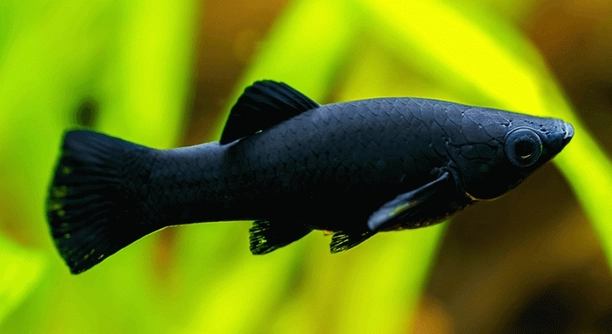
Are your black mollies losing their deep, vibrant color despite careful care? Many aquarists notice this change over time. Fading can happen slowly, often without clear signs. Understanding the causes can help maintain your fish’s natural beauty and vitality.
Black molly color can fade due to several factors including poor diet, inadequate lighting, water quality issues, stress, illness, aging, and genetic predispositions. Each of these elements affects pigmentation cells, reducing intensity and altering the fish’s overall appearance over time.
Learning the reasons behind fading color will help you create a healthier environment for your mollies and preserve their striking appearance. This knowledge ensures your aquarium remains visually appealing and your fish thrive.
Poor Diet
A poor diet is one of the main reasons black mollies lose their vibrant color. If they do not receive enough protein, vitamins, and minerals, their pigmentation can fade over time. Feeding only flakes or low-quality food limits essential nutrients, preventing proper color development. Mollies benefit from a varied diet including high-quality pellets, frozen or live foods such as brine shrimp and daphnia, and occasional vegetable matter. Vitamins like carotenoids directly influence pigment cells, so a deficiency can result in dull or faded colors. Overfeeding can also create problems, leading to obesity and poor water quality, indirectly affecting color. Observing your mollies’ behavior and appearance can help determine if their diet meets their needs. Adjusting portions, feeding frequency, and introducing diverse food options can significantly improve color vibrancy. Consistency is key. Gradually making changes ensures mollies adapt without stress. A balanced diet supports overall health, stronger immune systems, and restores some of the natural black sheen they may have lost.
Ensuring a nutrient-rich diet is simple but essential. Variety and quality directly influence color retention and fish health over time.
Proper feeding habits maintain mollies’ pigmentation, energy, and overall wellbeing. High-quality foods provide necessary nutrients for vibrant coloration. Vegetables, live foods, and pellets keep their immune system strong while supporting growth. Monitoring their intake prevents overfeeding and water quality issues.
Inadequate Lighting
Lighting affects pigment cells in black mollies, and insufficient light can cause colors to fade. Without proper illumination, pigmentation may dull over time, making the fish appear washed out or gray. Mollies thrive under a full-spectrum light that simulates natural daylight for 10–12 hours daily. Lights influence feeding habits, behavior, and metabolism. Proper lighting enhances appetite, promotes healthy growth, and strengthens immune responses. LED lights or fluorescent bulbs designed for freshwater aquariums are most effective. Positioning the light appropriately ensures all areas of the tank receive illumination. Too much light, however, can encourage algae growth and stress fish. Combining suitable light intensity with a balanced diet amplifies pigmentation, keeping black mollies visually striking. Regularly observing their appearance under natural or tank lighting helps track changes and adjust conditions as needed. A consistent lighting schedule reduces stress and supports natural color maintenance, promoting an overall healthier aquarium environment.
Regular, full-spectrum lighting helps maintain natural coloration and overall health in mollies. Lighting consistency is key.
Proper lighting works with diet and water quality to preserve black mollies’ color. Simulating daylight supports pigmentation and metabolism. Consistent illumination prevents stress while encouraging natural behaviors, helping mollies retain their deep, dark hue longer.
Stress
Stress in black mollies can cause noticeable fading in their coloration. Factors like overcrowding, sudden water changes, aggressive tank mates, or poor water conditions increase stress levels, directly impacting pigmentation. Reducing stress is crucial to maintaining their natural appearance.
Stress affects mollies’ immune system and metabolism. Crowded tanks or incompatible fish can lead to constant tension, which suppresses pigment production. Sudden changes in water temperature or pH shock the fish, causing fading over days or weeks. Even subtle disturbances, like loud noises or frequent handling, can contribute. Providing hiding spots, stable water parameters, and compatible companions helps mollies feel secure, reducing stress and supporting their natural coloration. Observation is important to identify signs of stress early, such as hiding, rapid gill movement, or reduced appetite, allowing timely corrective measures to restore both health and color.
A calm environment strengthens mollies’ resilience, keeping their colors bold. Stress management is as important as diet and lighting for maintaining vibrancy. Consistency and attention to tank conditions promote natural, deep pigmentation over time.
Water Quality
Poor water quality directly influences the fading of black mollies’ coloration. Accumulated waste, high ammonia, nitrite, or nitrate levels, and unbalanced pH levels disrupt their health, reducing pigmentation and energy.
Maintaining clean water with regular partial water changes and proper filtration helps preserve both color and overall wellbeing. Mollies are sensitive to fluctuations in temperature and chemical composition. Consistent monitoring with test kits ensures ammonia, nitrite, and nitrate levels remain within safe ranges. Chlorine or heavy metals in tap water can also stress fish, leading to dull colors. Using water conditioners and stabilizers mitigates these effects. A clean environment supports proper metabolism, encourages active swimming, and promotes healthy skin and scales, which directly influence pigmentation. Frequent maintenance combined with observation prevents gradual fading and keeps black mollies visually striking.
Optimal water conditions support health, behavior, and coloration. Balanced parameters prevent stress and color loss, making care and monitoring essential. Mollies thrive when water is consistently clean, stable, and free of harmful chemicals, ensuring long-term vibrancy.
Illness
Illness can quickly cause black mollies to lose their dark coloration. Bacterial, fungal, or parasitic infections weaken their immune system, making pigment cells less effective. Prompt identification and treatment are essential to prevent long-term color loss.
Sick mollies may show lethargy, clamped fins, or unusual swimming patterns. Quarantining affected fish and treating with appropriate medications restores health. Early intervention reduces stress and supports recovery, allowing colors to return gradually as the fish regains strength.
Aging
As black mollies grow older, their pigmentation naturally fades. Aging affects pigment cells, making colors less vibrant over time. Even with optimal care, some gradual loss of intensity is normal as part of the life cycle.
Genetic Factors
Genetics play a key role in determining how dark or vibrant a black molly’s color will be. Some mollies carry genes for lighter pigmentation, which can become more visible over time. Selective breeding can enhance or reduce natural coloration, but genetic limits always exist.
Temperature Fluctuations
Frequent changes in water temperature stress mollies, directly impacting color. Stable, appropriate temperatures help maintain natural pigmentation and overall health.
FAQ
Why is my black molly’s color fading even though I feed it well?
Even a well-fed molly can lose color if the diet lacks essential nutrients like carotenoids or proteins needed for pigmentation. Variety is important—combine high-quality pellets, frozen or live foods, and occasional vegetables to maintain vibrancy. Overfeeding or poor-quality foods can also dull their color.
Can water changes improve faded coloration?
Yes, regular partial water changes help maintain clean, stable water, which directly affects color. High ammonia, nitrite, nitrate levels, or fluctuating pH can stress mollies, reducing pigmentation. Consistent maintenance supports metabolism, immune function, and overall appearance.
Does tank lighting affect molly pigmentation?
Proper lighting is crucial. Black mollies need full-spectrum light for 10–12 hours daily to simulate natural daylight. Insufficient light can dull color, while too much light may stress fish and encourage algae growth. Balanced illumination enhances metabolism and supports natural pigmentation.
Can stress cause color fading?
Stress is a major factor in color loss. Overcrowding, aggressive tank mates, sudden water changes, or frequent disturbances weaken pigment cells. Providing hiding spots, stable water parameters, and compatible companions reduces stress, helping mollies retain their natural color.
Do diseases affect coloration?
Illnesses such as bacterial, fungal, or parasitic infections can cause fading. Sick fish may appear lethargic or show clamped fins. Early detection, proper quarantine, and treatment restore health and gradually bring back color.
Is aging responsible for color changes?
Yes, aging naturally reduces pigmentation. As mollies grow older, their cells produce less pigment, and some fading is normal. Even with optimal care, older mollies often appear lighter than younger ones.
How does genetics influence color?
Genetics determine the range of possible pigmentation. Some black mollies naturally carry genes for lighter colors, which may become more noticeable over time. Selective breeding can enhance color, but genetic limitations exist, so some fading may be unavoidable.
Do temperature fluctuations impact color?
Yes, inconsistent water temperatures stress mollies and can reduce pigmentation. Maintaining stable temperatures within their preferred range supports metabolism, immune function, and color retention. Sudden drops or spikes in temperature should be avoided to prevent fading.
How long does it take for color to return after issues are corrected?
Recovery depends on the cause. Improvements in diet, water quality, and stress reduction can show noticeable results in a few weeks. Illnesses or prolonged poor conditions may take longer. Patience and consistent care are key to restoring vibrancy.
Are there ways to prevent fading altogether?
While genetics set limits, maintaining a balanced diet, stable water conditions, proper lighting, and low-stress environments minimizes fading. Regular observation and timely intervention address potential problems early, helping black mollies retain their deep, dark coloration longer.
Can tank size influence color?
Yes, overcrowded tanks increase stress, reduce water quality, and limit space for natural behavior. Providing adequate room allows mollies to swim freely, reduces stress, and supports overall health and pigmentation.
Does breeding affect color intensity?
Breeding can temporarily affect coloration. Pregnant females may appear darker, while post-birth, stress or energy depletion can dull color. Ensuring proper nutrition and a calm environment after breeding helps restore vibrancy.
Can molly color fade during winter or colder months?
Temperature changes and lower light levels in winter can contribute to color fading. Using a stable heater and consistent lighting schedule helps mollies maintain natural pigmentation year-round.
Do tank decorations or substrate affect molly color?
Yes, very dark or reflective substrates can stress mollies if lighting is too harsh, while natural tones help reduce stress. Choosing tank elements that support comfort and natural behavior promotes healthy coloration.
How often should I monitor water parameters for color maintenance?
Regular monitoring, at least weekly, is recommended. Ammonia, nitrite, nitrate, pH, and temperature fluctuations directly affect stress and pigmentation. Prompt adjustments prevent fading and support long-term health.
Can supplements improve faded color?
Yes, carotenoid-rich supplements or foods like shrimp, spirulina, and certain vegetables enhance pigmentation. Introduce them gradually as part of a varied diet to avoid digestive issues while boosting natural coloration.
Is fading reversible?
In many cases, yes. Addressing diet, water quality, lighting, and stress can restore much of the lost color. However, age-related or genetic fading may be permanent, and improvements may be gradual rather than immediate.
Do black mollies need UV exposure for color?
Indirect UV from full-spectrum aquarium lighting helps pigment cells function properly. Direct sunlight can overheat or stress the tank, so carefully designed artificial lighting is preferred to support coloration safely.
How can I identify early signs of color fading?
Early fading often starts with dull edges on fins, lighter patches on the body, or a general grayish tone. Observing mollies regularly allows for timely adjustments to diet, environment, or care routines.
Can changing tank mates improve color?
Yes, removing aggressive or overly active tank mates reduces stress, allowing mollies to display natural pigmentation. Peaceful companions and sufficient space create an environment where color can thrive naturally.
What is the most important factor for long-term color retention?
Consistency in water quality, diet, lighting, and stress management has the biggest impact. While genetics and aging influence ultimate limits, reliable care ensures black mollies retain their deep, vibrant color as long as possible.
Black mollies are known for their striking, deep black color, which adds elegance and contrast to any freshwater aquarium. Maintaining this natural vibrancy requires consistent attention to several key aspects of care. Many factors, from diet to lighting, water quality, stress, and genetics, influence pigmentation. Each element works together to support the health and overall appearance of your fish. Observing mollies regularly allows you to notice changes early, ensuring timely adjustments before fading becomes severe. Small, consistent actions make a significant difference in long-term color retention. Providing a stable environment and meeting their basic needs is essential, as mollies are sensitive to abrupt changes in their surroundings.
Diet is one of the most direct ways to impact color. Black mollies need high-quality, nutrient-rich food that supports pigmentation. A varied diet with pellets, live or frozen foods, and occasional vegetables provides the vitamins, proteins, and carotenoids required for maintaining dark coloration. Overfeeding or relying solely on low-quality flakes can lead to dull colors and health issues. Proper portioning and feeding schedules also support digestion and water quality, indirectly helping color retention. Combined with clean water and proper lighting, a balanced diet strengthens immune function and keeps mollies active and healthy. Even age-related fading can be slowed with careful attention to nutrition and environmental conditions.
Environmental stability plays an equally important role. Stress from overcrowding, incompatible tank mates, sudden water changes, or fluctuating temperatures can quickly reduce pigmentation. Providing hiding spots, consistent water parameters, and a calm atmosphere allows mollies to display their natural color. Lighting should mimic natural daylight, supporting metabolism and pigment cells, while clean, filtered water prevents harmful chemicals or toxins from weakening their health. While genetics and aging naturally influence how dark mollies can appear, addressing modifiable factors like diet, lighting, water quality, and stress ensures the fish retain their best coloration. Maintaining these conditions consistently results in mollies that are both healthy and visually striking over time, creating a balanced and attractive aquarium environment.

Hello,
If you enjoy the content that we create, please consider saying a "Thank You!" by leaving a tip.
Every little bit helps us continue crafting quality advice that supports the health, happiness, and well-being of pets around the world, for pets of all shapes, sizes, and species.
We really appreciate the kindness and support that you show us!