
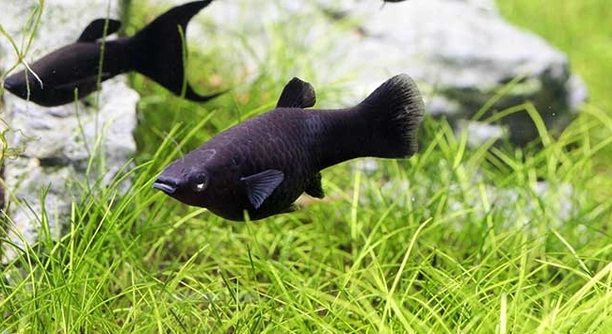
Black Mollies are lively freshwater fish that bring charm to any aquarium. Feeding them properly is essential for their health, growth, and vibrant coloration. Understanding their preferences can make caring for them easier and more rewarding.
Black Mollies respond best to a combination of high-quality flake foods, live or frozen brine shrimp, daphnia, and finely chopped vegetables. Providing a varied diet ensures proper nutrition, supports growth, and enhances their natural coloration consistently.
Exploring the best feeding techniques will help you maintain healthy, active, and happy Black Mollies in your tank. Proper care starts with knowing what they enjoy most.
Flake Foods for Daily Feeding
Flake foods are a convenient staple for Black Mollies. They provide balanced nutrition and essential vitamins, keeping your fish healthy and energetic. Choosing high-quality flakes ensures proper growth, strong immune systems, and vibrant colors. Feeding small amounts two to three times a day prevents overfeeding and water pollution. Always remove uneaten flakes to maintain clean water. Rotating different brands or types of flakes adds variety and helps avoid nutritional deficiencies. Incorporating flakes that contain spirulina or other natural color enhancers can make your Mollies’ black scales appear more vivid. Observe your fish during feeding to ensure all are eating properly, adjusting portions as needed. Flakes are not only convenient but also help establish a feeding routine that your Black Mollies can anticipate, reducing stress. Proper storage of flakes in a cool, dry place preserves their nutrients and prevents spoilage. Combining flakes with occasional live foods improves overall diet quality and satisfaction for the fish.
Flakes are simple to use daily, providing essential nutrients while supporting healthy growth and vibrant coloration in Black Mollies.
Introducing flake foods first helps establish a feeding pattern. Consistent portions, removed uneaten pieces, and occasional rotations with fortified flakes maintain nutritional balance, keeping the fish active and their scales bright.
Live and Frozen Foods
Live and frozen foods are highly stimulating for Black Mollies. Brine shrimp, daphnia, and bloodworms encourage natural hunting behavior and provide excellent protein. These foods support growth, energy, and reproductive health. Introduce them gradually to avoid digestive issues and supplement with flakes for a balanced diet. Thaw frozen foods properly to retain nutrients, and rinse them if necessary to remove excess preservatives. Offering live foods a few times a week prevents boredom and enhances natural instincts. Monitor your fish to ensure all individuals access the food evenly, especially if some are shyer or smaller. Overfeeding these protein-rich options can cause water quality problems, so feed in moderation. Combining live or frozen foods with plant-based options ensures a complete diet that promotes longevity and vitality. Providing variety also encourages healthy appetite and reduces selective eating habits, keeping Black Mollies energetic and healthy over time.
Live and frozen foods supplement flakes, providing protein, activity stimulation, and dietary variety for Black Mollies, ensuring their health and vitality consistently.
Feeding live or frozen foods encourages natural behavior, supplements protein needs, and adds excitement to mealtimes. Mixing these with vegetables and flakes ensures a balanced, nutritious diet while keeping your fish active and healthy.
Vegetable Matter and Greens
Vegetables like zucchini, spinach, and peas are essential for Black Mollies. They provide fiber, vitamins, and minerals that support digestion and overall health. Finely chop or blanch vegetables before feeding.
Vegetable matter prevents constipation and promotes healthy digestion in Black Mollies. Peas, in particular, are helpful for clearing the digestive tract. Spinach and zucchini offer vitamins A and C, which boost immunity and contribute to color vibrancy. Introducing vegetables gradually allows fish to adjust to new flavors. Chop them finely to make consumption easier and avoid uneaten pieces that can foul the water. Mixing vegetables with flakes or live foods encourages your Mollies to accept plant matter consistently. Regular inclusion of greens creates a more balanced diet, supporting long-term health, growth, and natural activity levels. Observing which vegetables your fish prefer can help refine feeding routines.
Black Mollies enjoy a mix of vegetables and protein sources. Combining both ensures proper nutrition, healthy digestion, and enhanced coloration. Offering small, chopped pieces prevents waste and keeps the tank clean.
Feeding Frequency and Portion Control
Feeding small amounts multiple times a day prevents overfeeding and maintains water quality.
Feeding frequency and portion control are crucial for Black Mollies’ health. Providing two to three small meals daily ensures all fish receive adequate nutrition while avoiding overfeeding. Overfeeding leads to uneaten food that decomposes, reducing water quality and increasing stress. Adjust portions based on fish size, activity, and tank population. Observe your Mollies during each feeding session to ensure everyone eats properly.
Maintaining consistent portion sizes supports steady growth and energy levels. Gradually increasing portions for growing Mollies ensures they remain healthy without polluting the tank. Monitoring water parameters and adjusting feeding practices as needed prevents digestive issues and maintains a stable, thriving aquarium environment.
Freeze-Dried Foods
Freeze-dried foods like bloodworms and brine shrimp are convenient protein sources. They are easy to store and provide nutrients without frequent trips to buy live food.
These foods should be soaked in tank water before feeding to prevent digestive issues. They offer variety and can supplement daily flakes.
Algae and Spirulina
Algae and spirulina are excellent sources of plant-based nutrition. They enhance Black Mollies’ coloration, support immunity, and provide essential vitamins. Incorporating algae wafers or spirulina flakes a few times a week ensures a balanced diet. These options also encourage natural grazing behavior, keeping the fish active and healthy.
Avoid Overfeeding
Overfeeding can lead to obesity, water quality problems, and health issues. Feed only what your Black Mollies can consume within a few minutes.
FAQ
How often should I feed my Black Mollies?
Black Mollies do best with small, frequent meals. Feeding them two to three times a day helps maintain energy levels and prevents overfeeding. Give only what they can eat in about three minutes to avoid leftover food polluting the tank. Adjust portions based on activity and number of fish.
Can Black Mollies eat only flakes?
Flakes can be the main part of their diet, but they should not be the only food. Variety is key for nutrition. Supplement flakes with live, frozen, or vegetable-based foods to support growth, color, and overall health. A mixed diet prevents deficiencies and keeps fish active.
What vegetables are safe for Black Mollies?
Peas, zucchini, spinach, and lettuce are safe choices. Blanch or finely chop vegetables before feeding to make them easier to eat. Introducing vegetables gradually ensures they accept the new food, and regular inclusion promotes proper digestion and a balanced diet.
Are live foods necessary?
Live foods are not required but highly beneficial. Brine shrimp, daphnia, and bloodworms encourage natural hunting behavior and provide protein. Offering live foods a few times a week improves growth, energy, and reproductive health while keeping feeding interesting for your fish.
Can Black Mollies eat freeze-dried foods?
Yes, freeze-dried foods like bloodworms and brine shrimp are excellent protein supplements. Soak them in tank water before feeding to prevent digestive problems. Freeze-dried foods are convenient, store well, and add variety to your fish’s diet without the risk of contamination.
How do I prevent overfeeding?
Feed only what your Black Mollies can finish in a few minutes. Remove uneaten food promptly. Monitor fish activity and body condition. Overfeeding can cause obesity, digestive problems, and water quality issues. Regularly adjusting portions and observing feeding behavior ensures a healthy balance.
Can Black Mollies eat algae?
Yes, algae and spirulina are good for Black Mollies. Algae wafers or spirulina flakes support immune health, promote color vibrancy, and encourage natural grazing behavior. Incorporating plant-based foods a few times a week ensures balanced nutrition and keeps fish active.
Is it necessary to vary food types?
Variety is very important. Rotating flakes, live or frozen foods, and vegetables prevents selective eating and ensures all nutritional needs are met. Providing different textures and flavors keeps feeding interesting, supports overall health, and enhances natural coloration over time.
How much live food should I give at once?
Feed live foods in small amounts, just enough for all fish to eat within a few minutes. Overfeeding protein-rich foods can reduce water quality and cause digestive issues. Combine live foods with flakes or vegetables for a balanced diet.
Do Black Mollies require supplements?
If feeding a varied diet of flakes, live or frozen foods, and vegetables, supplements are usually unnecessary. Occasional vitamin-rich flakes or spirulina additions can help maintain color and health, but consistent variety in the main diet covers most nutritional needs.
Can baby Black Mollies eat the same foods as adults?
Baby Mollies need smaller, finely crushed flakes and appropriately sized live or frozen foods like baby brine shrimp. Frequent, smaller meals support growth. Vegetables should be soft and finely chopped to avoid choking. Gradually introduce adult-sized foods as they grow.
What are signs of poor nutrition?
Signs include faded color, lethargy, slow growth, and irregular swimming. Digestive issues like bloating or constipation can also appear. Adjusting the diet with more variety, protein, or vegetables usually resolves these problems. Observing daily behavior helps catch nutritional deficiencies early.
Can I feed Black Mollies once a day?
Feeding once a day is possible but not ideal. It can lead to overeating during a single feeding and uneven nutrient absorption. Dividing food into two or three small meals improves digestion, energy levels, and overall health.
Should I remove uneaten food immediately?
Yes. Uneaten food decomposes and reduces water quality, causing stress and health problems. Removing leftovers promptly keeps the tank clean and prevents algae growth. Regular observation during feeding ensures all fish are eating and prevents waste.
Is it safe to feed commercial frozen foods every day?
Frozen foods are safe but should be part of a varied diet. Feeding them every day without other foods may cause nutritional imbalance. Use frozen foods a few times a week in combination with flakes, vegetables, and algae to maintain overall health and growth.
How do I know if my Mollies like a new food?
Observe their behavior during feeding. If they eagerly swim to and consume the food, they accept it. Gradually introducing new foods and monitoring responses helps integrate variety without causing stress or refusal.
Can Black Mollies overeat vegetables?
Vegetables are generally safe, but excessive amounts can cause digestive issues or water pollution. Feed small, manageable portions and monitor consumption. Rotate vegetable types and combine with protein sources for a balanced diet.
Is it necessary to feed at the same time daily?
Consistency helps maintain regular feeding behavior and reduces stress. Feeding at roughly the same times each day encourages Mollies to eat efficiently and supports stable digestion and activity levels.
Can Black Mollies eat frozen vegetables?
Yes, frozen vegetables like peas or spinach can be used. Thaw and chop them before feeding. They provide the same nutrients as fresh vegetables and are convenient for regular use, ensuring a balanced diet for your fish.
What should I do if my Mollies refuse food?
Try offering different food types or smaller portions. Check water quality and temperature, as stress or poor conditions can reduce appetite. Gradual introduction and variety often resolve feeding issues and encourage healthy eating habits.
Black Mollies are resilient, lively fish that thrive when their dietary needs are met consistently. Providing a balanced diet is the foundation of keeping them healthy, energetic, and displaying vibrant coloration. A varied feeding routine that includes high-quality flakes, live or frozen foods, and vegetable matter ensures they receive the nutrients necessary for growth, immune support, and long-term well-being. Each type of food contributes differently: flakes provide a reliable source of vitamins and minerals, live and frozen foods supply protein that supports activity and development, and vegetables offer fiber and essential micronutrients that improve digestion and overall health. Understanding the balance between these food types makes caring for Black Mollies simpler and more effective. Regularly observing their feeding behavior can help identify preferences, ensuring all fish in the tank receive adequate nutrition.
Feeding frequency and portion control are equally important as the types of food provided. Overfeeding, even with the best-quality foods, can create water quality issues and lead to digestive problems or obesity in the fish. Small, frequent meals two to three times a day are ideal for maintaining energy levels and preventing uneaten food from accumulating in the tank. Portion sizes should be adjusted based on the number of fish, their size, and their activity levels. Removing leftover food promptly helps maintain clean water, which is crucial for healthy fish. Observing how your Mollies interact with their food also provides insights into their well-being. Fish that are active, swim confidently, and eagerly eat are usually thriving, while hesitation or refusal to eat can indicate stress or environmental problems. Maintaining a consistent schedule helps Black Mollies establish predictable routines, which reduces stress and encourages healthy feeding habits.
Variety is key to long-term health and satisfaction. Combining flakes, live or frozen foods, and vegetables not only covers nutritional needs but also keeps feeding time interesting for the fish. Algae or spirulina additions provide additional plant-based nutrients and help enhance natural coloration. Gradually introducing new foods and rotating them prevents selective eating habits and ensures a balanced diet. Attention to detail, such as chopping vegetables finely, soaking freeze-dried foods, and monitoring portions, contributes to the overall success of feeding practices. By following these feeding techniques, Black Mollies can maintain strong health, active behavior, and vibrant appearance over time. Consistent care, observation, and variety in diet allow these fish to thrive, creating a lively and visually appealing aquarium.

Hello,
If you enjoy the content that we create, please consider saying a "Thank You!" by leaving a tip.
Every little bit helps us continue crafting quality advice that supports the health, happiness, and well-being of pets around the world, for pets of all shapes, sizes, and species.
We really appreciate the kindness and support that you show us!