
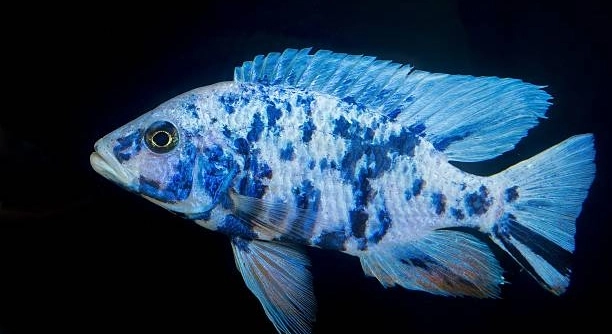
African cichlids are popular aquarium fish known for their vibrant colors and lively behavior. Sometimes, these fish can become skittish and shy, making it hard to enjoy their usual activity. Understanding their behavior helps improve their care.
African cichlids often act skittish due to stress from environmental changes, poor water quality, overcrowding, or sudden movements around the tank. These factors trigger their natural survival instincts, causing them to hide or swim nervously.
Learning about these causes can help you create a calmer environment for your cichlids and improve their well-being in your aquarium.
Common Causes of Skittish Behavior in African Cichlids
African cichlids can become skittish for several reasons related to their environment. One major cause is sudden changes in water quality. When parameters like pH, temperature, or ammonia levels shift quickly, these fish react nervously. Overcrowding also makes cichlids feel threatened because they need space to establish territories. Too many fish in one tank increases stress and leads to hiding or erratic swimming. Another cause is excessive noise or vibrations near the tank, which can startle them. Bright or flashing lights can also make cichlids uncomfortable, especially if they are used to dimmer conditions. Even sudden movements by people walking close to the tank can cause them to dart away. Understanding these common factors helps to create a stable environment where African cichlids feel secure and behave naturally.
Regular monitoring of water quality and tank conditions can greatly reduce stress in your fish.
Keeping your tank environment calm and consistent makes a big difference in your cichlids’ behavior.
Adjusting Tank Conditions for a Calmer Aquarium
Small changes in the tank setup can help reduce your African cichlids’ skittishness. Start by checking water parameters regularly to avoid sudden shifts. Use a water test kit to monitor pH, ammonia, nitrite, and nitrate levels. Maintaining stable temperatures between 74°F and 82°F suits most cichlids well. Avoid overcrowding by limiting the number of fish in the tank based on its size. Provide plenty of hiding places using rocks, plants, or decorations to give them secure spots to retreat. Reduce noise and vibrations by placing the tank in a quiet area away from heavy foot traffic or loud appliances. Also, keep lighting soft and avoid sudden changes in brightness. Moving slowly around the tank when feeding or cleaning can prevent startling the fish. These steps help your cichlids feel safer, encouraging them to be more active and less nervous.
Feeding and Diet Impact on Behavior
Poor diet can make African cichlids restless and skittish. Feeding the wrong food or overfeeding may upset their digestive system and stress them out.
A balanced diet is essential for healthy, calm cichlids. These fish need a mix of proteins, vegetables, and sometimes pellets designed specifically for cichlids. Overfeeding leads to poor water quality, which increases stress and causes nervous behavior. Feeding them too little or with low-quality food can weaken their immune system and make them more vulnerable to illness. Feeding small amounts regularly helps maintain stable water conditions and keeps them feeling secure.
Sometimes, changing the type or schedule of feeding can improve their overall mood. Watching how they respond after adjustments is important to find what suits them best.
Tank Maintenance and Its Role in Skittishness
Poor tank maintenance can contribute heavily to your cichlids’ anxiety. Dirty tanks with excess waste affect their comfort and health.
Regular cleaning helps keep water quality high and reduces toxins like ammonia and nitrites. Removing uneaten food and cleaning the substrate prevent buildup that harms fish health. Changing 20-30% of the water weekly supports stable conditions. Avoid harsh chemicals when cleaning to protect beneficial bacteria essential for filtration. Proper filtration and aeration ensure the water stays oxygen-rich and clear. Neglecting maintenance can cause a stressed tank environment, which makes fish more prone to erratic, skittish behavior. A well-maintained tank encourages calm, healthy fish that behave more naturally and actively explore their surroundings.
Social Dynamics and Tank Mates
Aggressive tank mates often cause African cichlids to act skittish. Stress from bullying or constant chasing affects their behavior.
Choosing compatible species and balancing numbers reduces conflicts. Providing hiding spots helps fish escape tension and feel safe.
Lighting and Environment Control
Proper lighting influences cichlid comfort and activity. Too bright or inconsistent light can stress them out, causing skittish behavior.
Using adjustable lights and mimicking natural day-night cycles helps fish settle. Dimmer lighting in the evening can calm nervous cichlids.
Stress from Handling or Moving
Frequent tank rearrangements or handling can frighten cichlids and increase nervous activity.
Avoid moving decorations or fish often to help them adapt and feel secure in their space.
Recognizing Illness in Skittish Fish
Sudden skittishness may signal illness. Watch for other symptoms like loss of appetite or discoloration.
Early detection and treatment are vital for your cichlids’ health and comfort.
FAQ
Why are my African cichlids hiding all the time?
African cichlids hide often when they feel threatened or stressed. This behavior can be caused by poor water quality, aggressive tank mates, or sudden changes in their environment. Providing plenty of hiding places like rocks and plants can help them feel safer. Checking water parameters and ensuring the tank is not overcrowded reduces stress that leads to hiding.
How can I tell if my cichlids are stressed?
Signs of stress include constant hiding, rapid breathing, loss of appetite, and unusual swimming patterns like darting or staying near the surface. Stress can weaken their immune system, making them prone to illness. Keeping the tank stable with good water quality, proper feeding, and compatible tank mates lowers stress levels.
Can water temperature affect their behavior?
Yes, water temperature is crucial. African cichlids generally prefer temperatures between 74°F and 82°F. If the water is too cold or too hot, they may become sluggish or overly nervous. Use a reliable heater and thermometer to maintain steady temperatures.
Is tank size important for their calm behavior?
Tank size matters a lot. Small tanks can cause overcrowding, which leads to stress and aggression. A larger tank gives each fish enough space to establish territories, reducing tension and skittishness. For most African cichlids, a minimum of 30 gallons is recommended, but bigger is better.
How often should I clean the tank to reduce skittishness?
Regular cleaning helps keep your cichlids calm. Changing 20-30% of the water weekly removes waste and toxins. Clean the substrate and filter regularly, but avoid over-cleaning which can disrupt beneficial bacteria. Proper maintenance keeps water conditions stable and fish comfortable.
Does feeding affect their nervous behavior?
Feeding directly impacts behavior. Overfeeding can foul the water and stress fish, while underfeeding can weaken them. Feed small portions once or twice daily with a balanced diet designed for cichlids. Avoid sudden changes in diet, as this can upset their digestion and mood.
Can tank decorations help reduce skittishness?
Yes, decorations like rocks, caves, and plants provide hiding spots and break line of sight between fish. This reduces aggression and helps shy fish feel secure. Arrange decorations carefully to create territories and plenty of shelter throughout the tank.
Are certain species of African cichlids more skittish than others?
Some species are naturally more timid. For example, shell dwellers tend to be shy compared to more aggressive species like Mbuna. Knowing your specific cichlid’s behavior helps set up the tank to meet their needs and reduce stress.
How do sudden noises or vibrations affect my cichlids?
Loud noises, banging on the tank, or nearby vibrations can startle African cichlids, causing them to dart or hide. Place the aquarium in a quiet spot away from heavy foot traffic or loud appliances. Minimizing disturbances creates a peaceful environment.
Can illness cause sudden changes in behavior?
Yes, sickness often makes fish act nervously or hide more than usual. Watch for signs like faded colors, white spots, or labored breathing. Early treatment is important. Keeping water clean and stable helps prevent many common diseases.
Is it normal for cichlids to be more active at certain times?
African cichlids are usually more active during the day when the tank is lit. Activity may decrease at night or in dim lighting. Sudden changes in activity might signal stress or illness and should be monitored closely.
What should I do if my cichlids are still skittish after all adjustments?
If your cichlids remain nervous despite good water quality, diet, and tank setup, consider testing for disease or checking for aggressive tank mates. Sometimes, moving fish to a new tank with better conditions can help. Consulting with a local aquarium expert may provide more specific advice.
African cichlids are beautiful and lively fish, but they can sometimes act skittish or nervous. This behavior often happens because of changes or problems in their environment. Things like water quality, tank size, tank mates, and feeding habits all affect how comfortable and calm these fish feel. When their surroundings are not right, cichlids may hide, swim quickly, or seem restless. It’s important to watch them closely to understand what might be causing their stress and to make the needed changes.
Keeping African cichlids calm takes effort and attention to detail. Regularly checking and maintaining water quality is one of the most important steps. These fish are sensitive to things like ammonia, nitrite, and temperature changes. Providing enough space in the tank and avoiding overcrowding helps reduce stress and aggression between fish. Also, having hiding places like rocks and plants gives them a safe spot when they feel threatened. Feeding them the right food, in the right amounts, helps keep them healthy and less anxious. Small changes can have a big effect on their behavior and overall health.
Patience is key when dealing with skittish African cichlids. It might take some time to find the best setup for your tank and for the fish to adjust. Avoid sudden changes or frequent moves in the tank, as this can make them more nervous. Watching how they act after making improvements will guide you on what works best. With steady care, most African cichlids will start to show their true colors and active personalities. A calm environment not only helps your fish feel secure but also makes your aquarium a more enjoyable and peaceful place to watch.

Hello,
If you enjoy the content that we create, please consider saying a "Thank You!" by leaving a tip.
Every little bit helps us continue crafting quality advice that supports the health, happiness, and well-being of pets around the world, for pets of all shapes, sizes, and species.
We really appreciate the kindness and support that you show us!