
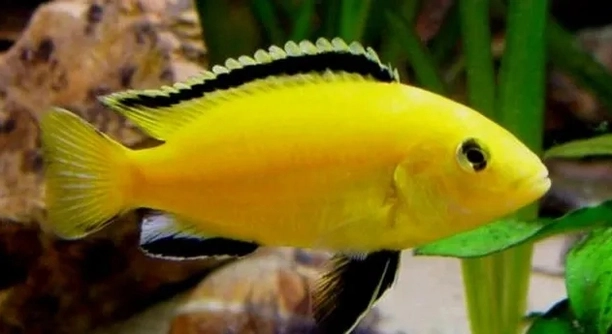
Raising cichlid fry can be a rewarding but challenging experience for aquarium enthusiasts. Knowing the essential care requirements helps ensure the fry grow healthy and strong. Many new breeders face uncertainty when starting this delicate process.
Successfully raising cichlid fry requires understanding their specific needs, such as proper water conditions, feeding schedules, tank setup, and monitoring growth closely. Attention to these factors greatly increases the chances of healthy development and survival.
These seven important tips provide clear guidance to support your journey in nurturing young cichlids effectively and responsibly.
Preparing the Tank for Cichlid Fry
Setting up the tank correctly is the first step when raising cichlid fry. The tank should be clean and free of any chemicals or contaminants. Use a sponge filter to provide gentle filtration without sucking in the tiny fry. The water temperature needs to be stable, ideally between 78 and 82 degrees Fahrenheit, as cichlid fry are sensitive to temperature changes. Maintain good water quality by performing frequent water changes, about 20 to 30 percent weekly, to keep ammonia and nitrate levels low. Avoid overcrowding the tank since fry need space to swim and grow without stress. Adding hiding places like small plants or decorations helps fry feel secure and reduces aggression from adult fish. Proper lighting and a calm environment will also contribute to healthier fry development.
A well-prepared tank prevents common health issues and supports fry growth effectively. Consistency in tank conditions is key for success.
Feeding the fry correctly is just as important as tank setup. Young cichlids require small, frequent feedings of specialized foods like infusoria, baby brine shrimp, or crushed flakes to ensure they get enough nutrition during early development.
Monitoring Fry Health and Growth
Regular observation is necessary to catch any signs of illness or poor growth early. Healthy fry should be active and show steady increases in size. Watch for any abnormal swimming, discoloration, or lack of appetite, which may indicate stress or disease. Separation of sick fry helps prevent spreading infections to others. Keep track of growth milestones and adjust feeding accordingly. If fry are not growing as expected, consider testing water parameters and reviewing feeding schedules. Consistent monitoring helps maintain a stable environment, reducing the risk of sudden problems. Documenting progress allows better understanding of each batch’s needs and can improve future breeding results. Patience and attention to detail are essential for raising strong, healthy cichlid fry.
Feeding Frequency and Nutrition
Cichlid fry need to be fed small amounts frequently throughout the day. Feeding 3 to 5 times daily ensures they get enough nutrients without overfeeding.
Providing the right nutrition is crucial for healthy growth. Start with finely crushed flakes or powdered fry food that the fry can easily consume. Live foods like baby brine shrimp or infusoria are excellent protein sources and encourage natural hunting behaviors. Avoid feeding adult fish food, as it may be too large or nutrient-poor for fry. Consistently offering high-quality food supports strong development and helps prevent common health issues related to poor diet.
Monitoring how much the fry eat during each feeding helps prevent water quality problems caused by leftover food. Uneaten food should be removed to keep the tank clean. Feeding small portions reduces waste and stress on the tank environment.
Water Quality Maintenance
Maintaining stable and clean water conditions is vital for fry survival. Frequent water changes help keep ammonia and nitrate levels low.
Regular testing of water parameters such as pH, ammonia, nitrites, and nitrates should be done at least twice a week. Cichlid fry are sensitive to fluctuations, so keeping these values within safe ranges is necessary. Use dechlorinated water during changes and maintain a temperature around 80 degrees Fahrenheit. Avoid harsh chemicals or sudden changes to prevent stress. Proper aeration and filtration also contribute to a healthy environment. Staying on top of water quality prevents disease and supports steady growth, making it easier to raise healthy fry successfully.
Controlling Tank Mates
Tank mates can stress cichlid fry or compete for food. Choose peaceful species or keep the fry separate to avoid aggression. Avoid large or aggressive fish that may harm the fry.
Separating fry into a dedicated breeding tank is often the safest option. This reduces stress and improves survival rates. Controlled environments make monitoring easier.
Lighting and Environment
Moderate lighting helps fry adjust and reduces stress. Avoid overly bright or direct light that can cause discomfort. Soft lighting encourages natural behavior and feeding activity.
Providing a calm, stable environment with minimal disturbances supports healthy fry growth. Loud noises or sudden movements should be minimized near the tank.
Identifying Healthy Fry
Healthy fry are active swimmers with clear eyes and vibrant coloration. They respond quickly to feeding and show steady growth.
Weak or sick fry may appear lethargic, have cloudy eyes, or show irregular swimming patterns. Early detection is essential for intervention.
FAQ
How often should I feed cichlid fry?
Cichlid fry need small, frequent meals throughout the day, ideally 3 to 5 times daily. Their tiny mouths require easily digestible food in small amounts to prevent waste buildup. Feeding too much at once can pollute the water and harm the fry.
What is the best food for cichlid fry?
Start with finely crushed flakes or specialized powdered fry food. Live foods like baby brine shrimp and infusoria are excellent protein sources and encourage natural hunting instincts. Avoid adult fish food as it can be too large or lacking essential nutrients for fry.
How often should I change the water?
Changing about 20 to 30 percent of the water weekly is recommended to maintain good water quality. For tanks with very young fry or higher stocking, water changes may need to be more frequent to keep ammonia and nitrate levels low.
What water temperature is ideal for cichlid fry?
Maintain water temperature between 78 and 82 degrees Fahrenheit. Stable temperatures are important because fry are sensitive to fluctuations, which can cause stress or illness. Use a reliable heater and thermometer to monitor temperature consistently.
Can adult fish live with fry?
Adult fish can pose a threat to fry by outcompeting them for food or displaying aggression. It is usually safer to keep fry in a separate breeding tank or with only peaceful tank mates that won’t harm them.
How can I tell if my fry are healthy?
Healthy fry swim actively, have clear eyes, and show steady growth. They eagerly respond to feeding. Signs of illness include lethargy, cloudy eyes, or erratic swimming patterns. Early identification helps prevent spread of disease.
Why are my fry not growing?
Poor growth is often due to inadequate nutrition, poor water quality, or stress from tank mates. Ensure proper feeding with nutritious foods and maintain clean water. Reducing stress and overcrowding also improves growth rates.
What filtration method is best for fry tanks?
A sponge filter is ideal for fry tanks because it provides gentle filtration without sucking in the fry. It also supports beneficial bacteria growth, which helps maintain water quality.
How important is hiding space for fry?
Hiding places like plants or small decorations reduce stress and aggression by offering fry a safe retreat. This improves their survival chances and encourages natural behavior.
Should I feed live or frozen foods?
Live foods are excellent because they stimulate natural hunting instincts and provide essential nutrients. Frozen foods can be a convenient alternative but should be finely crushed or thawed properly to be suitable for fry.
How long does it take for cichlid fry to become free-swimming?
Most cichlid species’ fry become free-swimming within 5 to 7 days after hatching. During this time, they rely on their yolk sacs for nutrition before needing external food.
Is it necessary to separate sick fry?
Separating sick fry prevents disease spread and allows targeted treatment. Quarantine tanks help manage health issues without risking the entire batch.
What is the ideal pH for raising cichlid fry?
A stable pH between 6.5 and 7.5 works well for most cichlid species. Sudden pH changes should be avoided as fry are sensitive to water chemistry fluctuations.
Can I use tap water for water changes?
Tap water can be used if properly treated to remove chlorine and chloramine. Use water conditioners before adding it to the tank to prevent harming the fry or beneficial bacteria.
How often should I test water parameters?
Testing at least twice a week is recommended, especially in tanks with young fry. Monitoring ammonia, nitrites, nitrates, pH, and temperature helps catch problems early and maintain a healthy environment.
What are common diseases in cichlid fry?
Common diseases include fungal infections, ich, and bacterial issues. Poor water quality and stress often contribute. Maintaining clean water and stable conditions reduces risk.
Can I raise multiple batches of fry in one tank?
Raising multiple batches together can increase stress, competition, and disease risk. It’s better to separate batches or increase tank size to ensure enough space and resources for all fry.
How can I prevent overcrowding?
Plan the number of fry per tank based on size and filtration capacity. Remove or separate excess fry early to avoid stress and poor water quality.
When can I start feeding fry adult fish food?
Wait until fry are large enough to handle adult flakes or pellets, usually after 6 to 8 weeks. Gradually introduce larger foods as they grow to avoid digestive issues.
What signs indicate water quality problems?
Cloudy water, strong odors, sluggish fry, or sudden deaths often indicate poor water quality. Test water parameters and perform immediate water changes if needed.
Is it necessary to use a breeding mop?
A breeding mop can help certain cichlid species lay eggs safely and keep fry contained. It’s not required for all species but can be useful in specific cases.
How do I know when fry are ready to be moved to a community tank?
Fry should be at least 1.5 to 2 inches long, healthy, and strong enough to compete for food. Introducing them too early risks predation or stress from larger fish.
What role does lighting play in fry development?
Moderate lighting encourages feeding and natural activity. Too much light causes stress, while too little may reduce visibility for feeding.
Can I use plants in the fry tank?
Yes, live plants improve water quality, provide hiding spots, and create a more natural environment. Choose hardy plants that tolerate the conditions of a fry tank.
How can I reduce stress in cichlid fry?
Keep tank conditions stable, avoid sudden changes, limit noise and vibrations near the tank, and provide adequate space and hiding spots. Stress reduction improves survival and growth.
Raising cichlid fry requires careful attention to several important factors. From preparing the tank and maintaining water quality to feeding the fry properly and choosing suitable tank mates, each step plays a role in ensuring the fry grow healthy and strong. Consistency in care is essential. Small changes in water conditions or feeding routines can affect the fry’s development, so staying vigilant helps prevent problems before they start. While the process can feel demanding, understanding what the fry need at each stage makes the task manageable.
One of the key points to remember is that cichlid fry are delicate and require a stable environment. This includes keeping the temperature steady and the water clean. Using a gentle filtration system and providing hiding spaces creates a safe place for the fry to thrive. It’s also important to feed them the right foods in small amounts, multiple times a day. This supports steady growth and helps avoid water pollution. Patience is necessary because fry grow slowly and may require extra care during the early weeks.
Finally, monitoring the fry regularly helps catch any issues early. Watching their behavior and appearance allows timely intervention if illness or stress arises. Separating sick fry and maintaining ideal tank conditions improves survival rates. Raising cichlid fry is a process that rewards attention to detail and care. By following basic guidelines and being consistent, you can support your fry’s health and enjoy watching them develop into healthy adult fish.

Hello,
If you enjoy the content that we create, please consider saying a "Thank You!" by leaving a tip.
Every little bit helps us continue crafting quality advice that supports the health, happiness, and well-being of pets around the world, for pets of all shapes, sizes, and species.
We really appreciate the kindness and support that you show us!