
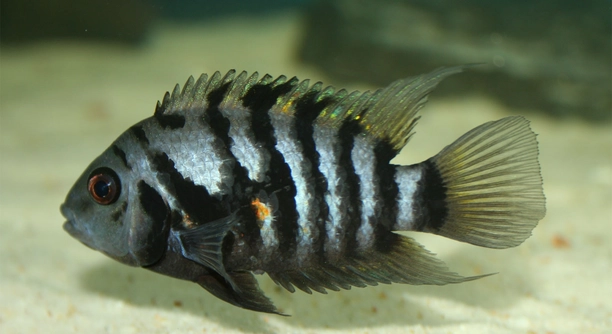
Algae can quickly take over a cichlid tank, making it look messy and unhealthy. Many fishkeepers face this common challenge and want effective ways to keep algae under control. Managing algae is important for a clean and balanced aquarium environment.
Controlling algae in a cichlid tank involves maintaining proper lighting, regular water changes, and balancing nutrients. Using algae-eating fish and avoiding overfeeding also help limit algae growth. Consistent tank maintenance reduces algae buildup and promotes fish health.
Learning how to manage algae properly will improve your tank’s appearance and create a better habitat for your cichlids. This article explains key steps to help you keep algae growth in check.
Understanding Algae Growth in Cichlid Tanks
Algae growth in cichlid tanks happens because of a mix of factors. Light, nutrients, and water conditions all play a role. When tanks get too much light or excess nutrients, algae can multiply quickly. Uneaten food and fish waste add nutrients that feed algae. Cichlids themselves produce waste, which adds to this problem. The type of lighting you use and how long it stays on each day can influence algae growth. Water temperature also affects algae, with warmer water encouraging faster growth. Algae can be green, brown, or even reddish, depending on these conditions. Keeping a balance of light and nutrients is key to preventing algae from taking over your tank. Regular monitoring helps spot algae early before it spreads. Understanding these basic factors gives you control over algae and helps create a healthier environment for your cichlids.
Proper lighting and water quality are the foundation for managing algae in your tank.
Maintaining the right balance means adjusting your lighting schedule and avoiding overfeeding. Using a timer for lights ensures consistent periods without light, which slows algae growth. Regular water tests for nitrates and phosphates help you know when nutrient levels are too high. Feeding only what your cichlids can eat in a few minutes reduces leftover food. Frequent partial water changes dilute excess nutrients and keep water clear. Adding live plants can also compete with algae for nutrients. Watching your tank’s conditions closely allows you to act before algae spreads. These steps work together to create a stable environment where algae struggles to grow, keeping your tank cleaner and healthier for your fish.
Using Algae-Eating Fish and Clean-Up Tools
Algae-eating fish can be a natural way to control algae in your cichlid tank. Many cichlid owners choose species like plecos or certain types of catfish that eat algae. These fish help keep algae off tank surfaces and decorations. Clean-up tools such as scrapers and brushes are also useful for removing algae manually. Regular tank cleaning combined with algae-eating fish creates a strong defense against algae buildup. Keeping the tank tidy reduces the chances of algae becoming a big problem. Algae-eating fish should be chosen carefully to avoid conflicts with your cichlids. They add to the overall balance by eating algae that might otherwise grow out of control.
Manual cleaning paired with algae-eaters gives you reliable control over algae growth.
Consistent maintenance is essential for success. Clean tank walls, decorations, and substrate with algae scrapers to physically remove algae before it spreads. Using tools regularly prevents thick algae layers that are harder to remove later. Algae-eating fish won’t completely eliminate algae, but they reduce its presence and help maintain a cleaner tank. Combining these methods creates a balanced approach where algae stays manageable. It also keeps your cichlids healthy and comfortable in their environment. Proper care and attention allow you to enjoy a clear, attractive tank without algae taking over.
Adjusting Lighting to Reduce Algae
Too much light encourages algae to grow quickly in your cichlid tank. Reducing the lighting period to about 6–8 hours a day helps control algae. Using a timer ensures a consistent schedule without leaving lights on too long.
Adjust the brightness by using lower-wattage bulbs or switching to LED lights with adjustable settings. Bright, intense light can promote algae growth, especially if it shines directly on tank surfaces for long periods. Natural sunlight near windows can also increase algae, so placing the tank away from direct sunlight helps. Consistency in light timing is important to prevent algae spikes.
Some tank owners find that a gradual dimming period instead of sudden light on/off reduces algae growth. Using plants that tolerate low light can help absorb nutrients that algae would otherwise use. Managing light carefully balances your tank’s ecosystem and keeps algae under control.
Regular Water Changes and Nutrient Control
Frequent water changes remove excess nutrients that algae feed on. Changing 20-30% of the water weekly is a good practice to keep nitrate and phosphate levels low.
Maintaining water quality is vital to controlling algae. Over time, fish waste and leftover food cause nutrient buildup that fuels algae growth. Partial water changes dilute these nutrients, keeping the tank environment stable. Testing water regularly for nitrates and phosphates helps you understand when changes are needed. Avoid using tap water with high mineral content without proper treatment. Using a quality water conditioner makes the process safer for your cichlids. Regular cleaning of the filter also prevents nutrient buildup and maintains water flow. Together, these practices reduce the food supply for algae and create a healthier tank overall.
Proper Feeding Practices
Overfeeding is a major reason algae grow in cichlid tanks. Uneaten food breaks down and adds nutrients that feed algae.
Feed your cichlids only what they can eat in a few minutes. Remove leftover food promptly to keep water clean and reduce algae growth.
Using Live Plants
Live plants compete with algae for nutrients, which helps control algae growth. Fast-growing plants absorb nitrates and phosphates, limiting what algae can use. Adding plants like hornwort or java fern creates a natural balance in the tank, reducing algae problems without extra chemicals.
Avoiding Overcrowding
Too many fish in a tank increase waste and nutrient buildup. Overstocking can quickly lead to poor water quality and more algae growth. Keeping an appropriate number of cichlids supports a healthier, cleaner tank environment.
FAQ
How often should I clean my cichlid tank to control algae?
Cleaning frequency depends on your tank size, fish load, and algae growth rate. Generally, a partial water change of 20-30% once a week is recommended. Regularly wiping tank walls and removing debris every one to two weeks helps prevent algae buildup. Consistency is key to maintaining clear water and a healthy environment.
Can algae harm my cichlids?
Algae itself is usually not harmful, but excessive growth can reduce oxygen levels and block light needed by plants and fish. Thick algae layers can trap waste and cause poor water quality, which stresses fish and increases the risk of disease. Keeping algae controlled helps maintain a healthy tank environment.
Are algae-eating fish safe for all cichlid species?
Not all algae-eating fish get along with every cichlid species. Some algae eaters are peaceful, while others can be territorial or aggressive. It’s important to research compatible species before adding them. Popular choices like plecos, otocinclus, or siamese algae eaters usually coexist well but check your cichlid’s behavior and tank size first.
Will reducing feeding help control algae growth?
Yes, feeding less prevents leftover food from decomposing and releasing nutrients that algae thrive on. Feed only small amounts your fish can finish in a few minutes. Remove any uneaten food promptly. Proper feeding habits reduce excess nutrients and limit algae growth.
Is it better to use chemical algae treatments?
Chemical treatments can reduce algae temporarily but often don’t solve the underlying causes. Many chemicals can stress or harm fish and plants if not used carefully. It’s better to manage algae by adjusting light, nutrients, and tank maintenance. Use chemicals as a last resort and follow instructions closely.
How does lighting affect algae growth?
Algae need light to grow, so too much light encourages growth. Using a timer to limit light exposure to 6–8 hours daily helps control algae. Avoid placing the tank in direct sunlight. Dimming or lowering light intensity also slows algae development.
Can live plants completely stop algae?
Live plants compete with algae for nutrients, which slows algae growth, but they usually don’t eliminate it entirely. Healthy plants reduce available nutrients and help maintain balance in the tank. Adding fast-growing plants improves water quality and decreases algae chances.
What are the signs of algae problems in a cichlid tank?
Visible signs include green, brown, or red patches on glass, decorations, and plants. Water may appear cloudy or greenish. Excess algae often coincides with increased odors or reduced oxygen levels. Regular tank checks help catch algae early before it spreads.
How does overcrowding affect algae growth?
More fish produce more waste, which raises nutrient levels and encourages algae growth. Overstocking also stresses fish, weakening their health. Keeping fish numbers within the tank’s capacity helps maintain water quality and reduce algae buildup.
Are there natural ways to control algae besides algae eaters?
Besides algae-eating fish, controlling light exposure, feeding habits, and water changes are natural methods. Using live plants and maintaining proper filtration also helps. These steps together create a balanced tank environment where algae struggles to thrive.
Controlling algae in a cichlid tank is important for keeping the aquarium clean and healthy. Algae can grow quickly if conditions are right, but by managing light, nutrients, and tank maintenance, you can keep algae under control. Regular water changes, proper feeding, and using algae-eating fish all play a role in maintaining balance. These steps help prevent algae from taking over the tank and keep the environment comfortable for your cichlids.
Consistent care is key when dealing with algae. It’s not a one-time fix but an ongoing process. Watching your tank closely and adjusting lighting or feeding as needed makes a big difference. Removing algae manually when it appears also helps reduce its spread. Live plants can support this effort by competing with algae for nutrients. Overcrowding should be avoided because too many fish create extra waste, increasing nutrients that feed algae. Paying attention to these factors over time will improve your tank’s appearance and health.
It’s important to remember that some algae is normal and even beneficial in small amounts. It can provide oxygen and help break down waste. The goal is to keep algae growth balanced so it does not harm your fish or make the tank look dirty. By following good tank management practices, you create a stable environment where your cichlids can thrive and algae remains manageable. Taking simple, steady steps will keep your aquarium clear and enjoyable.

Hello,
If you enjoy the content that we create, please consider saying a "Thank You!" by leaving a tip.
Every little bit helps us continue crafting quality advice that supports the health, happiness, and well-being of pets around the world, for pets of all shapes, sizes, and species.
We really appreciate the kindness and support that you show us!