
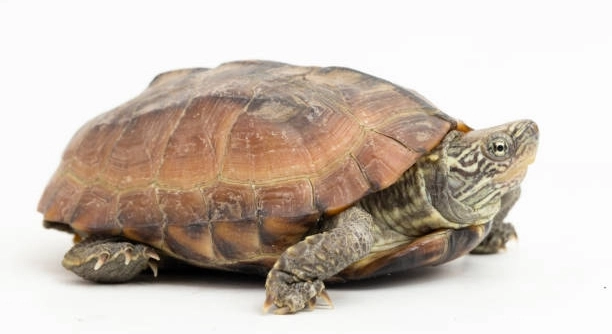
Musk turtles are fascinating little creatures, but they are often smaller than other types of turtles. Their size sets them apart, sparking curiosity about what might cause this difference in the animal world.
Musk turtles are smaller than other turtles due to their unique genetic makeup and environmental factors. These factors include limited growth potential, predation pressures, and evolutionary traits specific to their species that favor a more compact size.
Understanding why musk turtles are smaller than other species helps in appreciating their special adaptations. This insight can also inform us about their behavior, habits, and how they thrive in their environments.
The Genetic Factors Behind Their Size
Musk turtles are naturally smaller due to their genetics. Over time, these turtles have evolved to be compact for survival purposes. Their smaller size can be traced back to their ancestors who thrived in environments where being smaller offered advantages like easier hiding from predators or better maneuverability in water. Their genes are specifically tailored to keep them small, which influences their growth and development throughout their lives. It’s not an accident that they’re smaller than other species; it’s a result of millions of years of evolutionary shaping.
This smaller size also helps them live in environments where space and resources may be limited. Musk turtles are efficient in utilizing their environment, and being smaller means they don’t need as much space or food to survive.
Their small size plays a big role in their ability to thrive. The limited energy needs of musk turtles make them well-suited to environments where food may not be abundant. Being smaller also helps them avoid larger predators. Musk turtles are known for their ability to retreat into their shells quickly, making their small size an effective defensive strategy. Over time, their genetic traits have continued to pass down, ensuring that these turtles remain small and well-adapted to their surroundings.
Environmental Influences on Size
Environmental conditions also affect the size of musk turtles. In some cases, the habitat they live in may determine how large or small they grow.
Temperature, food availability, and space all impact their growth. In colder or less resource-rich areas, musk turtles tend to stay smaller. Warmer environments with plentiful food can sometimes lead to slightly larger turtles. However, their overall genetic makeup still limits their size, making them consistently smaller compared to other species. This balance of genetics and environment helps create the ideal conditions for musk turtles to survive and reproduce.
Evolutionary Benefits of Smaller Size
Smaller size offers certain evolutionary advantages. Musk turtles are more agile in the water, which helps them avoid predators. Their compact size also makes it easier to find shelter in tight spaces, keeping them safe from larger animals. This has helped them adapt and thrive in specific environments, ensuring their survival over generations.
Musk turtles have evolved to stay small, and this has allowed them to occupy niches that larger turtles cannot. In murky waters or densely vegetated areas, being small makes it easier to hide from predators. Their smaller size also means they require fewer resources, so they can survive in environments with limited food. This is a key reason why musk turtles have remained small, as it allows them to maintain a stable population where food and shelter are not always abundant.
Their size also helps them avoid other threats like larger reptiles or birds of prey. By staying small, they are less likely to be targeted, giving them a better chance of survival. Over time, this trait has become ingrained in their genetics, ensuring that future generations continue to be small and well-suited to their habitats.
Diet and Its Role in Growth
The diet of musk turtles influences their growth, but they are naturally smaller due to their unique metabolism. While they do eat various foods, including insects, small fish, and plants, their small size means they do not require large amounts of food.
Because their energy needs are lower, musk turtles can survive on a diet that might not be enough for larger species to thrive. Their smaller size is often enough to help them meet their nutritional needs without overconsumption. By being efficient eaters, they can make the most of the food available in their environment, contributing to their survival and small size. Their bodies are designed to adapt to the amount of food they have access to, ensuring they don’t grow too large.
Predation and Survival Strategies
Smaller size helps musk turtles avoid predators. Being small allows them to hide in tighter spaces, such as under rocks or in aquatic vegetation. This gives them a better chance to escape from animals that might otherwise pose a threat.
Their ability to quickly retreat into their shells also plays a role in avoiding danger. Musk turtles are known for their agility, and when faced with danger, they can swiftly move into places where larger turtles would not fit. This speed and flexibility are key reasons why their small size helps them survive.
Reproduction and Size Impact
Musk turtles have a unique way of reproducing that’s linked to their small size. They mature quickly, which allows them to reproduce at a younger age compared to larger turtles. This fast reproduction rate helps maintain their population despite their smaller size.
Being smaller also allows them to have fewer but more frequent offspring. Smaller eggs are easier to produce and lay, and the mother doesn’t require as much energy for reproduction. This is an important adaptation that ensures they can continue to thrive despite the challenges they may face in their environment.
Habitat and Space Considerations
Musk turtles typically live in smaller, confined habitats where their size is an advantage. They are commonly found in freshwater environments such as ponds, lakes, and slow-moving rivers. Their small size helps them navigate these spaces more easily.
FAQ
Why are musk turtles so much smaller than other turtles?
Musk turtles are smaller due to a combination of genetics and environmental factors. Over time, evolution has favored smaller sizes because it helps these turtles avoid predators and find shelter more easily. Their genetic makeup has evolved to favor smaller body sizes, which makes them better adapted to their environments. Being small also requires less energy, which allows them to survive in habitats where food and space may be limited.
Are musk turtles a specific species, or are they a group of species?
Musk turtles refer to a group of species within the family Kinosternidae. These species are characterized by their smaller size, more compact shape, and the ability to emit a musky odor when threatened. Some of the most common species within the musk turtle family include the common musk turtle (Sternotherus odoratus) and the loggerhead musk turtle (Sternotherus minor). Each of these species shares certain traits that make them distinct from larger turtle species.
Do musk turtles grow to a specific size?
Musk turtles typically grow to around 4 to 5 inches in length, though some species may grow a little larger. Their small size is one of their most defining characteristics. Despite being relatively small, they are well-adapted to their environment and capable of surviving in conditions that might be challenging for larger turtles. Their growth is often influenced by factors like diet, environmental conditions, and their genetics.
How do musk turtles survive in smaller habitats?
Musk turtles are perfectly suited to life in smaller, confined habitats. Their small size means they can fit into tight spaces that larger turtles cannot, such as under rocks or in dense aquatic vegetation. This ability to hide helps protect them from predators. Additionally, their diet and low energy requirements allow them to thrive in environments where food might not be abundant. Musk turtles are often found in ponds, slow-moving rivers, and marshes where they can take advantage of these smaller spaces.
Are musk turtles aggressive?
Musk turtles are not particularly aggressive, but they can display defensive behaviors if threatened. When feeling endangered, they may try to retreat into their shells or release a musky scent to deter predators. While not aggressive by nature, they may bite if they feel cornered or stressed. These behaviors are primarily defensive mechanisms aimed at protecting themselves from larger predators.
What do musk turtles eat?
Musk turtles are omnivores, meaning they eat both plants and animals. Their diet typically includes aquatic insects, small fish, snails, and plants. They have a varied diet that allows them to adapt to the food available in their environment. While they are small, their diet ensures they get enough nutrients to survive and maintain their size. They are opportunistic feeders and will consume whatever they can catch, depending on what’s available in their habitat.
How long do musk turtles live?
Musk turtles typically have a lifespan of 30 to 40 years in the wild. Their relatively long lifespan is a result of their small size, which helps them avoid many of the dangers faced by larger turtles. In captivity, with proper care, they can live even longer. Their longevity is helped by their efficient metabolism and adaptability to their environment.
Do musk turtles require a lot of care in captivity?
Musk turtles do not require a lot of care compared to other species of turtles, but they do need a proper environment to thrive. In captivity, they need a clean, well-maintained tank with access to fresh water and a suitable temperature. They also need a diet that includes both animal and plant matter. While they are relatively low-maintenance, like all turtles, they still require regular care and attention to stay healthy.
Are musk turtles endangered?
While musk turtles are not generally considered endangered, some species within the family Kinosternidae are listed as vulnerable or threatened. Habitat loss, pollution, and over-collection for the pet trade have posed threats to certain musk turtle species. Conservation efforts are in place to protect their habitats and ensure their survival. It is important to protect their natural environments to prevent further population decline.
Can musk turtles be kept as pets?
Musk turtles can be kept as pets, but potential owners need to understand their specific needs. They require a tank with both water and a dry area for basking, as well as proper filtration to keep the water clean. It’s also essential to provide a diet that mimics their natural food sources. While musk turtles are relatively easy to care for, they still require attention and proper habitat management to ensure they live healthy lives in captivity.
What makes musk turtles unique compared to other turtles?
Musk turtles are unique because of their small size, musky scent, and behavior. Unlike many larger turtle species, they are more secretive and often hide in crevices or under rocks. Their ability to release a strong musky odor when threatened is another distinct characteristic. Their size allows them to fit into places that larger turtles cannot, and this helps them avoid predators. Musk turtles’ behavior and physical traits make them stand out from other types of turtles.
Final Thoughts
Musk turtles are small for a reason, and their size plays an important role in their survival. Over time, these turtles have evolved to be compact, allowing them to live in environments where larger turtles might struggle. Their smaller size helps them avoid predators, find shelter, and thrive in tight spaces. This adaptability is key to their success, and it shows how evolution has shaped them to be the perfect fit for their habitats. Though smaller than other turtles, musk turtles are well-suited to their environment and continue to survive and reproduce in these conditions.
While their small size may seem like a disadvantage compared to larger species, it actually offers several benefits. Musk turtles are agile swimmers, able to navigate through dense vegetation and tight spaces that might be hard for larger turtles to maneuver through. This ability helps them stay hidden from predators and find food more efficiently. Their diet is also easier to maintain because they require less food to survive. This makes them better equipped to handle environments where food might be limited. In the wild, these advantages have helped musk turtles thrive despite their size.
Musk turtles might be small, but they are a perfect example of how nature works to create animals that are well-adapted to their surroundings. Whether in the wild or in captivity, their compact size, quick movements, and unique abilities have allowed them to survive for generations. For those interested in keeping musk turtles as pets, understanding their needs and respecting their natural behaviors is important to ensure they live healthy lives. Whether in nature or in a home tank, these turtles are fascinating creatures that deserve our respect and care.

Hello,
If you enjoy the content that we create, please consider saying a "Thank You!" by leaving a tip.
Every little bit helps us continue crafting quality advice that supports the health, happiness, and well-being of pets around the world, for pets of all shapes, sizes, and species.
We really appreciate the kindness and support that you show us!