
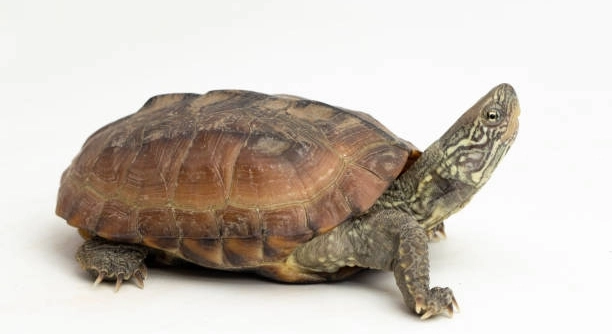
If you’re planning to bring home a musk turtle, it’s important to choose a healthy one. Knowing how to spot a well-cared-for turtle will ensure it thrives in your home. Here’s how to tell if a musk turtle is in good health.
To determine if a musk turtle is healthy, check its eyes, shell, and behavior. Clear, bright eyes and an intact, smooth shell are signs of good health. Active movement and a strong appetite also indicate a healthy turtle ready for a new home.
Recognizing the signs of a healthy musk turtle can make a big difference in its care and longevity. Keep reading to learn what to look for when selecting the best turtle to welcome into your life.
Check for Clear, Bright Eyes
Healthy musk turtles will have clear, bright eyes. If the eyes appear cloudy, swollen, or sunken, it might indicate an infection or dehydration. Healthy eyes should be free from discharge and not show any signs of irritation. A turtle’s eyes are a clear reflection of its general well-being, and changes can signal a problem. Make sure to observe their eyes closely before purchasing. If the turtle shows any signs of discomfort, it’s better to look elsewhere.
Turtles with healthy eyes are active and aware of their surroundings. Pay attention to any unusual behavior, such as keeping their eyes closed or avoiding light, as these can be warning signs.
If a turtle’s eyes are in good shape, it’s a sign that the turtle is likely well-cared-for. However, always consider other factors such as behavior and shell condition, as a healthy eye doesn’t always guarantee overall health. Inspect the eyes thoroughly and move forward only if they seem clear and undisturbed.
Inspect the Shell for Damage
A healthy shell is firm and intact. Look for cracks, soft spots, or signs of damage. Damage could lead to infections or health complications.
The shell is an essential part of the turtle’s body and can reveal a lot about its health. A smooth, hard shell is a positive sign. Any deformities or softness could indicate malnutrition or injury. Make sure the shell is well-maintained and not compromised before buying.
Observe the Turtle’s Movement
Active movement is a key sign of a healthy musk turtle. A turtle that is sluggish or doesn’t react to its surroundings may have health issues. A healthy turtle should move around the tank, swim with ease, and respond to stimuli. Any sign of stiffness, limping, or hesitation in movement could indicate problems like injury or illness.
When inspecting the turtle, pay close attention to its ability to move freely. A healthy turtle should navigate easily both in and out of the water. If the turtle is sluggish or seems reluctant to move, it could be suffering from an underlying health issue.
Look for signs of hesitation or a lack of response to its environment. A healthy turtle will react to light changes, water movement, and even your presence. Avoid buying a turtle that shows poor mobility or unusual behavior, as this might signal underlying problems that could be difficult to treat.
Check for Appetite and Feeding Habits
A healthy musk turtle has a strong appetite. It should eagerly eat food, whether it’s pellets, insects, or greens. If the turtle refuses to eat, it could be a sign of stress, illness, or improper care. A healthy appetite indicates that the turtle is in good condition and ready to thrive in its new home.
Observe the turtle during feeding time. If the turtle is uninterested or doesn’t seem to recognize food, this is a red flag. Turtles that have trouble eating may have digestive issues or could be stressed from the environment. A good sign is a turtle that actively hunts for food or eats without hesitation.
In some cases, a turtle may eat but appear lethargic or weak during feeding. Be sure to look for overall energy and interest in food. A healthy turtle will show enthusiasm, indicating it’s in the right condition for a new home.
Look for Healthy Skin
A healthy musk turtle should have smooth, clear skin. Check for any signs of irritation, discoloration, or lesions. Redness or swelling could be signs of an infection. Healthy skin will be free of visible cuts or scratches.
Turtles with damaged or inflamed skin may struggle to heal properly, making them more vulnerable to infections. If you notice peeling or blisters, it’s best to avoid purchasing the turtle. Healthy, clear skin is a basic indicator of overall well-being.
Examine the Breathing
Watch how the turtle breathes. A healthy turtle should breathe easily without wheezing or labored movements. Any visible signs of difficulty breathing are concerning.
If a turtle is struggling to breathe, it could indicate respiratory issues like an infection or an environmental problem. A turtle that breathes smoothly shows that its lungs and overall health are in good shape. Make sure there are no signs of distress before considering it as a potential pet.
FAQ
What should I do if the musk turtle’s shell appears soft?
A soft shell is a clear sign of poor nutrition or health. It could indicate a calcium deficiency, which is essential for shell hardness. If you notice the shell is soft, it’s important to check its diet and habitat. Make sure the turtle has access to proper UVB lighting, which is necessary for calcium absorption. Consult a vet for further evaluation if the softness persists.
How can I tell if the turtle is dehydrated?
Dehydration in turtles can cause lethargy and sunken eyes. If the turtle isn’t moving much, has trouble swimming, or seems overly sluggish, it might be dehydrated. Another sign is skin that doesn’t wrinkle when gently pressed. Ensure that the turtle has access to clean, fresh water at all times. You can also mist the turtle’s shell to provide extra moisture.
What are signs that my musk turtle is stressed?
Stress in musk turtles can manifest in various ways, including loss of appetite, erratic movements, or hiding for extended periods. If the turtle refuses to eat or is overly aggressive, it could be stressed by environmental factors like water temperature, tank size, or sudden changes in its surroundings. Stress can lead to health problems, so addressing the cause promptly is essential.
Should I be concerned if the turtle’s eyes are slightly cloudy?
Cloudy eyes can sometimes be a normal reaction to environmental changes, such as lighting or water conditions. However, if the cloudiness is persistent and paired with other symptoms like lethargy or poor appetite, it could be a sign of an infection. It’s best to monitor the eyes closely and consult a vet if the condition doesn’t improve within a few days.
How do I know if the turtle is getting the right food?
Musk turtles are omnivores and need a balanced diet of both animal protein and plant matter. They enjoy foods like insects, fish, and high-quality pellets, along with leafy greens, like lettuce or dandelion greens. A healthy turtle should eat a variety of foods and show interest in meals. Avoid feeding them solely one type of food, as this can lead to nutritional imbalances.
Is it normal for a musk turtle to sleep a lot?
Musk turtles are known for being somewhat active but also need rest. They may sleep for long periods, especially at night. However, if a turtle is overly inactive or sleeps more than usual during the day, it could be a sign of illness or poor conditions. Always check for other signs like changes in appetite or behavior to rule out health issues.
What temperature should the water be for a musk turtle?
Musk turtles need water that is between 72°F and 78°F (22°C – 26°C). Too cold or too hot water can cause stress or health problems. Use a water heater to maintain a steady temperature and ensure the water isn’t too warm, which can affect their breathing or make them sluggish.
How often should I clean the turtle’s tank?
Cleaning the turtle’s tank regularly is essential for maintaining a healthy environment. The tank should be cleaned at least once a week, and the water should be changed completely every 1-2 weeks. If the tank has a filter, it should be cleaned regularly as well. Keeping the tank clean helps prevent infections and other health issues.
Can I keep multiple musk turtles together?
While musk turtles can live together, it’s essential to ensure they have enough space. Overcrowding can cause stress and territorial behavior, leading to injuries. Ideally, each turtle should have its own space to swim and bask comfortably. If keeping multiple turtles, ensure the tank is large enough to accommodate them without causing conflict.
Why is my musk turtle not basking?
Musk turtles enjoy basking to regulate their body temperature. If your turtle isn’t basking, it might not be feeling well or could be stressed. Check the temperature of both the water and basking area to ensure they are at the right levels. Lack of basking may also signal poor water quality or an improper setup.
How can I tell if my musk turtle has an infection?
Signs of infection in musk turtles can include swollen or red eyes, a runny nose, lethargy, or a loss of appetite. Infections can affect the skin, shell, eyes, or respiratory system. If you notice these symptoms, it’s important to take the turtle to a vet as soon as possible for treatment.
How much should a musk turtle eat daily?
Musk turtles should be fed a varied diet, consisting of animal protein and vegetables. Typically, a small turtle will eat every day, while an adult turtle may only need food every other day. Be sure to avoid overfeeding, as it can lead to obesity. Monitor your turtle’s behavior to adjust its feeding schedule as necessary.
Can musk turtles live without UVB light?
UVB light is crucial for musk turtles to process calcium and maintain a healthy shell. Without it, they can develop serious health problems like shell deformities and metabolic bone disease. If your turtle does not have access to natural sunlight, it’s essential to provide a UVB bulb to mimic the sun’s rays.
What should I do if my musk turtle isn’t moving much?
If your musk turtle is not moving or seems unusually lethargic, it could be a sign of an underlying health issue, stress, or improper water conditions. First, check the tank’s water temperature, cleanliness, and UVB lighting. If the turtle remains inactive despite these adjustments, it’s best to consult a vet.
When selecting a musk turtle, it’s essential to keep an eye out for key signs of health. Observing the turtle’s eyes, shell, movement, and overall behavior can give you a clear idea of its well-being. A healthy turtle will show bright, clear eyes and a smooth, firm shell. It will also be active and responsive to its environment, indicating that it is comfortable and in good condition. If you notice any signs of injury, illness, or poor movement, it’s best to look for a healthier option. A proper examination before purchasing can help avoid future issues and ensure that the turtle adapts well to its new home.
Besides external signs, always consider the environment the turtle has been kept in. A well-maintained tank with clean water, proper temperature, and adequate lighting is crucial for the turtle’s overall health. It’s important to replicate these conditions as closely as possible once the turtle is brought into its new home. Proper diet, access to UVB light, and the right water temperature will make a significant difference in the long-term health of your turtle. This way, you can avoid problems like malnutrition, dehydration, or shell deformities that arise from improper care.
Taking the time to thoroughly inspect a musk turtle before bringing it home will lead to a healthier and happier experience for both you and the turtle. It’s always better to spend extra time ensuring the turtle is well-cared-for rather than dealing with avoidable health issues down the road. By choosing a healthy turtle from the start, you’re setting up both yourself and your new pet for a positive experience. Being proactive with care and observation will help your turtle thrive and ensure that it remains a joyful part of your life for many years to come.

Hello,
If you enjoy the content that we create, please consider saying a "Thank You!" by leaving a tip.
Every little bit helps us continue crafting quality advice that supports the health, happiness, and well-being of pets around the world, for pets of all shapes, sizes, and species.
We really appreciate the kindness and support that you show us!