
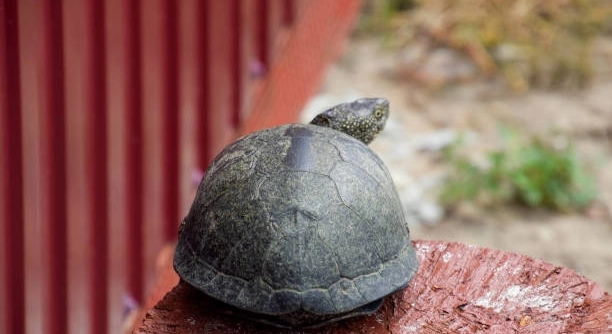
Musk turtles are popular pets due to their unique look and behavior. To keep them healthy, it’s important to provide a balanced diet. This ensures their well-being and helps prevent common health problems associated with improper nutrition.
Creating a balanced diet for musk turtles requires providing a variety of foods, including protein, vegetables, and occasional treats. It’s essential to mimic their natural diet, offering both aquatic and terrestrial food sources to support growth, energy, and overall health.
By following simple tips, you can easily meet your musk turtle’s nutritional needs. Understanding their specific dietary requirements will help ensure they live a long, healthy life. Keep reading to find out how to get started!
Understanding Musk Turtle Diets
Musk turtles are omnivores, meaning they eat both animal and plant-based foods. In the wild, they hunt small fish, insects, and plants, making their diet quite varied. When keeping them as pets, it’s important to offer a mix of these foods to ensure they receive all the necessary nutrients. Protein is vital for their growth and energy, while vegetables provide fiber and essential vitamins. Water quality is just as important, as it affects their digestion and overall health. A well-balanced diet not only supports their physical health but also boosts their immunity and longevity.
To create a balanced meal plan, ensure that protein makes up a large part of their diet. You can offer live or frozen foods like mealworms, small fish, or crickets. These mimic their natural prey and provide essential nutrients.
In addition to protein, musk turtles need greens such as lettuce, dandelion greens, and aquatic plants. These help with digestion and offer important vitamins. It’s also beneficial to give them occasional fruits like berries. Variety is key to meeting all their dietary needs, so try rotating foods to keep them interested and well-nourished.
How to Offer Food
Offering food at the right times and in the right way is important for keeping your musk turtle healthy. Try feeding them twice a week with a mix of protein and vegetables.
Make sure to offer food in shallow water, where your turtle can easily access it. Avoid offering too much food at once, as this can lead to waste and affect water quality.
Importance of Water Quality
Clean water is essential for musk turtles. Poor water quality can cause health issues, making it harder for them to digest their food.
Ensure the water is filtered and changed regularly to keep it clean. You can also use a water test kit to monitor the pH, ammonia, and nitrate levels. Musk turtles thrive in slightly acidic to neutral water, with a temperature range of 75-80°F. Regular maintenance helps prevent diseases and ensures they’re able to absorb the nutrients from their food.
Keep in mind that musk turtles are messy eaters, so uneaten food can quickly degrade water quality. Remove any leftover food after feeding to prevent contamination. Adding aquatic plants to the tank can also help absorb excess nutrients and improve water quality.
Offering Variety in Their Diet
A variety of foods keeps your musk turtle healthy and engaged. Too much of one food type can lead to nutrient imbalances, which may result in health problems.
For example, feeding only protein could cause kidney issues, while feeding only vegetables might not provide enough nutrients like calcium. Offering a mix of different proteins, greens, and occasional treats will help maintain a healthy balance. Rotating different types of food throughout the week helps prevent boredom and ensures they get a variety of nutrients.
Also, make sure to add variety in terms of food texture. Some turtles prefer soft foods like worms, while others like crunchy items like shrimp. Experimenting with different foods will help you discover your turtle’s preferences.
Supplementing Their Diet
Adding supplements can help ensure your musk turtle gets all the essential nutrients. Calcium is especially important for their shell development.
Use a calcium powder supplement that can be sprinkled on their food. You can also provide cuttlebone or calcium blocks for them to nibble on. These supplements are easy to add and can significantly improve their overall health.
Be cautious with other supplements, though, as overuse can lead to health issues. Always follow recommended guidelines for dosage to avoid harming your turtle.
Treats and Special Foods
Treats like worms, crickets, or small fish are great for rewarding your musk turtle. These should be offered occasionally.
Feeding them too many treats can lead to obesity, so it’s best to offer them in moderation to keep your turtle healthy.
FAQ
What should I feed my musk turtle daily?
Musk turtles don’t need to be fed daily. Instead, offer them food 2-3 times a week. A good mix of protein and vegetables is essential. You can give them live food like mealworms, small fish, or crickets. For vegetables, include lettuce, dandelion greens, and aquatic plants. Ensure the protein source is diverse to provide all the nutrients they need. Offer fresh, clean food every time to keep them healthy.
How often should I give my musk turtle vegetables?
Vegetables should be offered 2-3 times a week, alternating with protein. It’s best to provide a mix of greens like lettuce, kale, and dandelion greens. Musk turtles prefer softer leaves over hard or thick ones. You can also add aquatic plants to their tank for them to graze on.
Can I feed my musk turtle fruit?
Fruits can be offered occasionally, about once a week. You can try giving them small pieces of berries, apples, or melon. These foods are high in sugars, so offering them too often can lead to weight gain or upset stomach. Fruit is best used as a treat rather than a staple food.
Should I feed my musk turtle live food?
Live food is an excellent source of protein for musk turtles. It mimics their natural diet in the wild and provides the nutrients they need to stay healthy. Offer live foods like mealworms, crickets, or small fish. However, avoid overfeeding live food as it may lead to obesity.
Is it safe to feed my musk turtle shrimp?
Shrimp is a great source of protein for musk turtles. It provides essential nutrients like calcium and phosphorous, helping maintain healthy shell growth. You can offer frozen or live shrimp. Just ensure the shrimp is properly prepared and cleaned before feeding it to your turtle.
How much food should I feed my musk turtle at once?
Feed your musk turtle enough food to last them 10-15 minutes. Remove any leftover food after feeding to maintain water quality. Overfeeding can cause waste and pollute their environment, so be sure to avoid excessive portions. It’s better to feed smaller amounts more often than to overfeed them.
Can I feed my musk turtle commercial turtle food?
Commercial turtle food can be used as a supplement but should not be the primary source of nutrition. While some pellets are designed to provide all the necessary nutrients, they lack the variety and texture found in fresh food. Combine commercial food with live foods, vegetables, and occasional treats for a balanced diet.
Can I feed my musk turtle mealworms?
Mealworms are a good source of protein for musk turtles. They should be offered in moderation, as they are high in fat. You can feed them mealworms once or twice a week, but make sure to provide a variety of protein sources, such as fish or crickets, for a more balanced diet.
Do musk turtles need vitamin supplements?
Vitamin supplements are generally not needed if you are already providing a varied and balanced diet. However, if your turtle seems to have a nutritional deficiency or is not eating a balanced range of foods, a supplement might be necessary. Consult a vet before introducing supplements to ensure your turtle’s health needs are properly met.
How do I prepare food for my musk turtle?
Most food for your musk turtle should be cut into small, bite-sized pieces, especially if you are feeding fruits, vegetables, or fish. Remove any uneaten food after 15-20 minutes to prevent contamination in the tank. Always wash fresh produce before offering it to avoid pesticides or chemicals.
What can I feed my musk turtle if I don’t have live food?
If live food is unavailable, you can feed your musk turtle frozen or freeze-dried options like shrimp, bloodworms, or fish. You can also offer them fresh vegetables, such as lettuce, kale, or dandelion greens. Ensure they still receive enough protein from other sources like insects or fish.
How can I tell if my musk turtle is overfed?
Signs of overfeeding include an increase in body size, lethargy, or a change in behavior. Overfeeding can lead to obesity and health issues like shell deformities. If your turtle starts becoming less active or has difficulty swimming, reduce the food portions and offer healthier options.
Can I feed my musk turtle pellets every day?
While pellets can be part of your musk turtle’s diet, they shouldn’t be the primary food. Pellets are convenient but lack the variety of natural foods. Offer them no more than 2-3 times a week, and always provide fresh greens and protein sources as well.
Should I feed my musk turtle insects?
Insects like crickets, mealworms, or waxworms are great protein sources for your musk turtle. These can be fed to them 1-2 times a week, but always remember to vary their diet with vegetables and other protein sources. Insects are high in fat, so balance is key to their nutrition.
How can I encourage my musk turtle to eat new foods?
If your musk turtle is hesitant to try new foods, try offering them in different forms. For instance, chop vegetables into smaller pieces or offer them live food. You can also warm up the food slightly to make it more appetizing. Be patient, as turtles may take some time to adjust.
Can musk turtles eat human food?
Musk turtles should not eat human food, especially processed or cooked items. Foods like bread, pasta, and chocolate can be harmful to them. Stick to foods that are natural and nutrient-rich for reptiles, like fresh vegetables, fruits, and live insects. Always check if a food is safe before offering it.
How do I keep my musk turtle’s diet interesting?
Variety is the best way to keep your musk turtle engaged with their meals. Try rotating different vegetables, protein sources, and treats. Offering different textures, like soft worms or crunchy insects, can make their feeding experience more exciting. A little experimentation will help you find what your turtle enjoys most.
Final Thoughts
Creating a balanced diet for your musk turtle is essential for their health and well-being. A diet rich in protein, vegetables, and occasional treats will ensure they grow strong and remain active. By offering a variety of foods, you help prevent nutritional deficiencies and keep your turtle engaged with mealtime. Providing a mix of fresh greens, live food like worms or fish, and sometimes fruits will mimic their natural diet and support their overall health.
It’s equally important to maintain clean water and offer food at the right intervals. Musk turtles are sensitive to water quality, and poor conditions can affect their ability to digest food properly. Regular water changes and a proper filtration system will prevent waste buildup, which can lead to infections or digestive issues. Be mindful of the amount of food you offer, as uneaten food can quickly pollute the water. Keeping their habitat clean is just as vital as providing the right food.
Lastly, remember to monitor your turtle’s health regularly. Overfeeding or underfeeding can cause problems, and it’s important to adjust their diet based on their activity level and size. If you’re ever uncertain about what foods to offer or how to balance their meals, consulting with a vet can help guide you. A well-fed, healthy musk turtle can live a long life with the right care, so taking the time to properly feed and care for them will lead to a happier, healthier pet.

Hello,
If you enjoy the content that we create, please consider saying a "Thank You!" by leaving a tip.
Every little bit helps us continue crafting quality advice that supports the health, happiness, and well-being of pets around the world, for pets of all shapes, sizes, and species.
We really appreciate the kindness and support that you show us!