
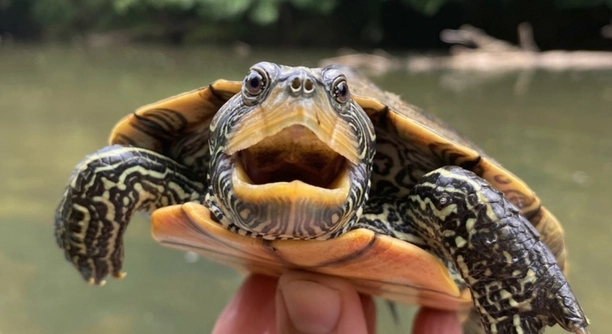
Have you ever wondered how certain turtles play a role in keeping ecosystems healthy and balanced?
Map turtles are crucial to ecosystems because they help maintain aquatic plant populations, regulate insect numbers, and distribute nutrients, contributing to a thriving and balanced environment for other species.
These shy and patterned turtles may seem unassuming, but their presence has a remarkable impact on rivers and lakes. Understanding their importance can give us a deeper appreciation of the ecosystems they help support.
The Role of Map Turtles in Aquatic Ecosystems
Map turtles are essential for maintaining balance in aquatic environments. By feeding on mollusks, insects, and vegetation, they help control these populations, preventing overgrowth or infestations. Their presence contributes to a stable ecosystem where plants, animals, and water quality thrive in harmony.
In addition to managing populations, map turtles distribute nutrients as they forage and excrete. This natural fertilization process supports the growth of aquatic plants, which are vital for oxygen production and habitat stability. Their activities create a ripple effect that benefits the entire ecosystem, making them an invaluable part of aquatic health.
Protecting map turtles and their habitats is crucial. They face threats like pollution, habitat destruction, and predation, which can disrupt their ability to support ecosystems. Learning about their role helps us appreciate and preserve the delicate balance they help maintain.
Challenges Map Turtles Face
Map turtles are particularly sensitive to environmental changes. Pollution, water contamination, and the destruction of nesting areas can severely impact their populations, threatening the ecosystems they support.
Human activities, such as river development and recreational boating, disturb their natural habitats, making it harder for them to thrive. Conservation efforts, like habitat restoration and pollution control, are essential to protecting these turtles. By supporting these initiatives, we can ensure their survival and the health of our aquatic ecosystems.
Educating communities about map turtles’ importance fosters awareness and action. Simple steps, like reducing waste and respecting natural habitats, can make a significant difference. Together, these efforts can safeguard the balance these turtles help create, ensuring thriving ecosystems for future generations.
How Map Turtles Impact Water Quality
Map turtles indirectly improve water quality by controlling populations of algae-feeding mollusks and insects. Overabundant mollusks can lead to nutrient imbalances, while insects may spread diseases. By keeping these populations in check, map turtles help maintain a healthier aquatic environment.
As they forage, map turtles disturb sediment in water bodies, a process that can aid in nutrient cycling. This movement distributes organic matter evenly, providing plants with essential nutrients while preventing buildup in one area. This balance supports the growth of aquatic vegetation, which is vital for water oxygenation and clarity.
Furthermore, map turtles contribute to cleaner water by indirectly supporting fish populations. By controlling insects and other prey species, they prevent harmful outbreaks that could affect fish and other aquatic life. This interconnected system highlights their importance to overall water quality and the stability of freshwater ecosystems.
Threats to Map Turtle Populations
Pollution, habitat destruction, and human activity are significant threats to map turtles. Contaminated waterways impact their food sources, while nesting areas are lost to development. These issues reduce their ability to maintain ecological balance, endangering both the turtles and the ecosystems they support.
Conservation programs focusing on habitat restoration and stricter pollution controls are essential for protecting map turtles. Efforts like creating protected areas and educating communities can mitigate threats. Simple actions, such as reducing litter and respecting waterways, can also contribute to their survival. Safeguarding map turtles ensures the continued health of the ecosystems they influence.
The Importance of Protecting Nesting Areas
Nesting areas are critical for map turtles to reproduce successfully. Without safe, undisturbed locations, hatchling survival rates drop, threatening the future of their populations and the ecosystems they support.
Preserving nesting areas means limiting human interference and protecting shorelines. Simple measures like fencing off habitats and reducing recreational activities can make a significant impact.
Supporting Conservation Efforts
Volunteering with local conservation programs helps restore habitats and protect map turtles. These initiatives often involve habitat restoration, monitoring populations, and educating the public. Collective efforts ensure these turtles continue playing their ecological role.
Simple Actions You Can Take
Avoid polluting waterways, respect natural habitats, and reduce waste to support map turtles. Even small steps, like cleaning up after outdoor activities, contribute to their protection and the ecosystems they help sustain.
FAQ
What do map turtles eat?
Map turtles have an omnivorous diet, feeding on mollusks, insects, and aquatic vegetation. They play a vital role in controlling these populations, which helps maintain a balanced ecosystem. Their feeding habits vary based on availability and the season.
Where do map turtles live?
Map turtles are typically found in freshwater environments like rivers, lakes, and streams. They prefer habitats with clean water, abundant vegetation, and plenty of basking spots. These areas provide the necessary conditions for feeding, nesting, and overall survival.
How do map turtles contribute to ecosystems?
Map turtles regulate populations of aquatic species, like mollusks and insects, preventing overgrowth or infestations. They also aid nutrient cycling by disturbing sediment and fertilizing aquatic plants through their excretions. This promotes healthier ecosystems for other species to thrive.
Are map turtles endangered?
Some species of map turtles are considered vulnerable or endangered due to habitat loss, pollution, and human interference. Conservation efforts, such as habitat restoration and stricter environmental protections, are crucial to preserving their populations and ecological roles.
What threats do map turtles face?
Pollution, habitat destruction, and climate change are significant threats. Contaminated water impacts their food sources, while shoreline development destroys nesting sites. Increased human activity in freshwater environments further disturbs their habitats, making survival difficult.
How can I help protect map turtles?
Support conservation programs, reduce pollution, and respect natural habitats. Simple actions like cleaning up litter near water bodies and avoiding disturbances in turtle nesting areas can contribute to their protection and the health of freshwater ecosystems.
Do map turtles need specific conditions to thrive?
Yes, they require clean water, plenty of aquatic vegetation, and safe nesting areas. These conditions ensure they have enough food, shelter, and suitable spots to lay eggs. Protecting these environments is essential for their survival.
Why are map turtles important for biodiversity?
Map turtles maintain biodiversity by keeping aquatic populations in balance. Their presence supports plant growth, stabilizes food chains, and creates healthier habitats for various species, ensuring a thriving and diverse ecosystem.
What do conservation efforts for map turtles involve?
Conservation efforts include habitat restoration, pollution control, and public education. Programs may involve creating protected nesting areas, monitoring turtle populations, and reducing harmful human activities near freshwater ecosystems. Community participation plays a significant role in these initiatives.
Can map turtles adapt to environmental changes?
While map turtles can adapt to minor changes, rapid or severe environmental shifts, like pollution or habitat destruction, are challenging for them. Protecting their environments and addressing threats are crucial for ensuring their resilience and long-term survival.
Final Thoughts
Map turtles are more than just fascinating creatures; they are key players in maintaining the health and balance of aquatic ecosystems. By controlling populations of insects, mollusks, and vegetation, they help ensure that rivers and lakes remain stable and productive. Their role in nutrient cycling further supports plant growth and water quality, benefiting countless other species that share their habitat. These contributions highlight their importance and the need to protect them.
Despite their vital role, map turtles face significant challenges. Habitat destruction, pollution, and human interference continue to threaten their populations. These issues not only put the turtles at risk but also disrupt the ecosystems they support. Conservation efforts are essential to ensuring their survival, from protecting nesting areas to reducing pollution. Every small step we take to safeguard their environment contributes to preserving the delicate balance they help maintain.
Protecting map turtles is about more than just conserving one species; it’s about supporting an entire ecosystem. Understanding their role inspires appreciation for the interconnectedness of nature and the impact each species has on the environment. By working together to protect map turtles, we also protect the health of our rivers, lakes, and the many species that depend on them, including ourselves.

Hello,
If you enjoy the content that we create, please consider saying a "Thank You!" by leaving a tip.
Every little bit helps us continue crafting quality advice that supports the health, happiness, and well-being of pets around the world, for pets of all shapes, sizes, and species.
We really appreciate the kindness and support that you show us!