
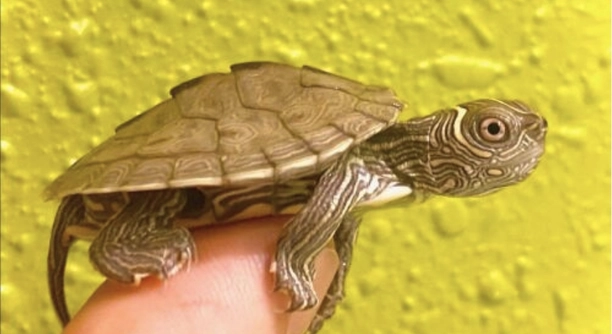
Photographing map turtles can be a rewarding experience for any nature enthusiast. These reptiles, with their unique markings and behaviors, offer plenty of opportunities for captivating shots. Learning the right techniques is key to capturing them effectively.
To photograph map turtles like a professional, focus on their natural habitat and behavior. Use a fast shutter speed to capture movement and avoid blur. Ensure proper lighting, angle, and focus on their unique features, such as their shells and skin patterns.
Mastering these techniques will help you take stunning photographs of map turtles, whether they are basking in the sun or swimming.
Preparing for the Shot
When photographing map turtles, the first step is preparing the environment. These turtles are often found in habitats like ponds, rivers, or lakes. Choosing the right spot is essential to capture their natural behavior. Ideally, look for areas where the turtles are basking, as they are easier to photograph in this state. A peaceful setting, free from distractions or excessive movement, will also make it easier to focus on your subject.
Sometimes, it’s worth getting into a position where the turtles can be captured at eye level. This brings out the details in their expressions and markings. Patience is important in these situations, as they tend to be cautious creatures, often withdrawing into their shells when startled. Take your time to stay calm and still, allowing them to relax and continue with their natural activities.
For outdoor settings, it’s best to shoot during the golden hour, when the light is soft and diffused. This will prevent harsh shadows and highlight the turtle’s details, making for more flattering photos. Consider your composition as well, framing the turtles with their surroundings in a way that feels balanced and natural.
Camera Settings
To get the most out of your camera, certain settings are crucial. Using a fast shutter speed of around 1/500 or higher will help prevent any blurriness caused by movement. With map turtles, especially when they are swimming or moving quickly, it is important to keep the camera steady.
Adjust your aperture for depth of field. A wider aperture like f/4 to f/5.6 will allow for a sharp focus on the turtle while softly blurring the background. Be sure to also increase the ISO if shooting in lower light conditions to avoid underexposed images. Keep an eye on the focus, ensuring the turtle’s face and shell are crisp and clear.
Getting Close Without Disturbing
While map turtles can be approachable, it’s important to maintain a respectful distance. Use a zoom lens to get close shots without disturbing them. This helps keep the turtles relaxed, preventing them from retreating into their shells. Remember that patience is key in wildlife photography. Whether they are basking or swimming, let them move naturally without interruption. The closer you can get without disturbing them, the better the photo will be.
The goal is to capture their true nature without influencing their behavior. With time and observation, you’ll find the right moments to capture striking photos while respecting the turtle’s space.
Lighting Tips for Perfect Photos
Good lighting is essential when photographing map turtles. Natural light is often the best choice, especially in the early morning or late afternoon. Avoid harsh midday sunlight, as it can cause harsh shadows and overexposure.
To get the best shot, position yourself in a way that the light falls softly on the turtle’s shell and face. If you’re shooting outdoors, try using the natural diffused light under trees or near rocks. When possible, shoot when the light is coming from the side to create a natural highlight on the turtle’s features.
If you’re indoors, consider using reflectors to bounce light onto the turtle, softening the shadows. This can give you more control over the lighting and help reduce unwanted contrasts.
Angle and Composition
When photographing map turtles, consider the angle and composition of the shot. A lower angle, ideally at eye level with the turtle, gives you a more intimate view. This approach brings out the turtle’s natural features, such as its shell texture and facial details.
Position the turtle off-center within the frame for a more dynamic shot. Using the rule of thirds can create balance and guide the viewer’s eyes toward the subject. Keep the background simple, allowing the turtle to be the focal point. Too much clutter can distract from the image.
Focus on capturing the essence of the turtle’s behavior, whether it’s basking on a log or swimming in water. A clean, unobstructed view will always make for a more striking image.
Focus and Depth of Field
When photographing map turtles, achieving the right focus is crucial. Make sure the turtle’s face or shell is the focal point. This will draw attention to the key details. Keep the focus sharp on the eyes if possible, as they’re a key feature of the turtle’s expression.
A shallow depth of field can help isolate the turtle from its background, making it stand out. Use a wide aperture, such as f/4 or f/5.6, to create a blurred background, keeping the focus entirely on the turtle. This technique will help bring the subject to the forefront.
Capturing Movement
Capturing a turtle in motion requires quick reflexes. Use a faster shutter speed to avoid blurring. Setting it around 1/500 or higher ensures the photo stays sharp. Whether the turtle is swimming or walking, this technique allows you to freeze the action.
It’s important to keep an eye on the turtle’s behavior and anticipate the moment. If the turtle is about to move or swim, be ready to press the shutter. This will help you capture natural movement, adding life to your photos. Patience is key here, as the right moment may take time to arrive.
Background Considerations
The background is just as important as the turtle itself. Avoid distracting elements, such as clutter or other animals. A natural setting, like water, rocks, or plants, complements the turtle without overpowering it.
Ensure that the background adds to the shot rather than taking attention away from the subject. Sometimes, using a shallow depth of field can help blur the background, keeping it simple and unobtrusive. The goal is to maintain a balanced image where the turtle remains the focal point.
FAQ
What’s the best time of day to photograph map turtles?
The best time to photograph map turtles is during the early morning or late afternoon. This is when the light is soft, creating a warm, flattering glow. Midday sun can be too harsh and result in shadows that distract from the turtle’s features. Early morning light also tends to be less intense, which allows for clearer, more vibrant images.
How can I avoid disturbing the turtles while photographing them?
The key is to maintain a safe distance and stay still. Turtles are sensitive to movement and noise, so it’s important to move slowly and quietly. If you’re using a zoom lens, you can capture close-up shots without getting too close, reducing the risk of startling them. Staying low and blending into the environment will also help you go unnoticed.
What type of camera equipment is best for photographing map turtles?
A DSLR or mirrorless camera with a fast shutter speed and a zoom lens is ideal for capturing map turtles. A zoom lens (such as 70-200mm) allows you to get close without disturbing the turtle. A fast shutter speed of 1/500 or higher will help you capture the turtles in motion with clarity. If you’re shooting in low light, consider using a camera with good low-light performance or increase your ISO to prevent underexposure.
What settings should I use when photographing map turtles?
Use a fast shutter speed of 1/500 or faster to freeze motion, especially if the turtle is moving or swimming. For the aperture, choose a mid-range setting like f/4 to f/5.6 to achieve a sharp focus on the turtle while slightly blurring the background. Adjust the ISO based on the light conditions—raise it in darker environments to maintain the right exposure, but keep it low to avoid grain in bright conditions. Finally, shoot in RAW format for more flexibility during post-processing.
How can I photograph a turtle underwater?
To capture a turtle underwater, use a waterproof camera housing or a dedicated underwater camera. A wide-angle lens is ideal for underwater shots, allowing you to capture more of the turtle’s environment. Use a faster shutter speed to avoid motion blur as the turtle swims. If the water is murky, try to get as close as possible to minimize the effects of water distortion.
How do I photograph turtles in their natural habitat?
Photographing turtles in their natural habitat requires patience and observation. Spend time watching their behavior before snapping any pictures, so you can predict their movements. Capture them basking on rocks, swimming, or interacting with their surroundings. Focus on framing them within their environment, showing the natural beauty of both the turtle and its habitat. Use a longer lens to avoid disturbing them and to keep a respectful distance.
What can I do to ensure my photos are sharp?
To ensure sharp photos, use a tripod or stabilize yourself to minimize camera shake. If shooting handheld, try to keep your arms close to your body for added stability. Use the camera’s autofocus feature, but consider manually focusing when shooting close-ups, especially if the turtle is moving. In low-light conditions, use a higher ISO or wider aperture to allow more light into the camera and prevent motion blur.
Should I use flash when photographing turtles?
Avoid using flash when photographing turtles, especially in natural settings. Flash can startle the turtles and cause them to retreat into their shells. If you’re photographing indoors or in darker conditions, consider using a soft, diffused light source instead of a direct flash. A reflector can also help bounce natural light onto the turtle without disturbing it.
How can I capture a map turtle’s unique features?
Map turtles are known for their distinct markings, especially on their shells. To highlight these features, focus on getting close-up shots of the turtle’s face and shell. Use a shallow depth of field to blur the background and draw attention to the turtle’s unique patterns. Consider shooting at different angles to emphasize different details, like the texture of the shell or the eye’s reflection.
What do I do if the turtle is not cooperating for the shot?
If the turtle is not cooperating, don’t force the shot. Patience is key. Let the turtle move at its own pace. If the turtle is nervous, back off and give it space to feel comfortable. You can also try using a longer lens to get closer without getting too near. Over time, the turtle may become more relaxed and more natural shots will emerge.
Is it necessary to use a tripod?
While a tripod can provide stability for sharper shots, it’s not always necessary when photographing map turtles. If you’re using a fast shutter speed and are shooting handheld, you may not need a tripod. However, if you’re in low light or shooting for long periods, a tripod can help reduce shake and allow for steadier, clearer images.
Final Thoughts
Photographing map turtles can be an enjoyable and rewarding experience. These creatures, with their unique features and natural behavior, offer endless opportunities for captivating photos. By understanding the right techniques and equipment to use, you can capture them in a way that highlights their natural beauty. It’s important to approach the subject with patience, taking time to observe and respect their space. With the right mindset and tools, you can create stunning images that showcase both the turtles and their environment.
It’s also crucial to be mindful of the turtle’s well-being. Always maintain a safe distance and avoid disturbing their natural habitat. The best photos often come when you let the turtles behave naturally without trying to force a particular shot. Using a telephoto lens allows you to keep a respectful distance while still capturing sharp, detailed images. Whether you are photographing them in the wild or in a controlled setting, always prioritize their comfort over getting the perfect shot. Being considerate and aware of their needs will ensure the experience is enjoyable for both you and the turtles.
In conclusion, photographing map turtles is not just about taking great photos, but also about appreciating and respecting these fascinating creatures. With practice and the right techniques, you’ll become more skilled at capturing their unique features. Every turtle offers a new challenge and a chance to improve your skills. So, whether you’re a beginner or an experienced photographer, take your time and enjoy the process. The more you observe, the better your chances of capturing a beautiful, memorable image of a map turtle.

Hello,
If you enjoy the content that we create, please consider saying a "Thank You!" by leaving a tip.
Every little bit helps us continue crafting quality advice that supports the health, happiness, and well-being of pets around the world, for pets of all shapes, sizes, and species.
We really appreciate the kindness and support that you show us!