
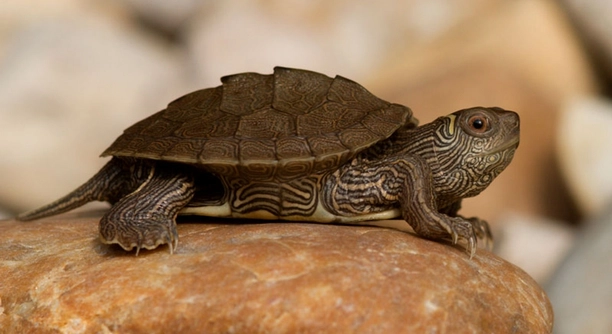
Do you find yourself wondering how to make your map turtle’s daily life more engaging and playful?
Encouraging playfulness in your map turtle involves introducing stimulating activities, creating an enriching environment, and interacting with them regularly. These efforts foster mental and physical health while building trust.
From toys to habitat upgrades, explore how to add fun to your turtle’s routine, ensuring they stay happy and healthy.
Setting Up the Perfect Play Space
Creating an engaging habitat is the foundation of encouraging playfulness in your map turtle. Ensure their tank includes elements like floating platforms, hiding spots, and smooth rocks for climbing. Adding live plants or soft artificial ones can offer visual stimulation. Avoid overcrowding to allow space for swimming and exploration.
An enriching tank setup mimics your turtle’s natural environment, promoting curiosity and active behavior. Ensure water quality is maintained and provide appropriate lighting and basking areas. These essentials make the habitat both safe and enjoyable.
Switch up decorations occasionally to maintain interest. Introducing small changes can keep your turtle entertained and eager to explore their surroundings. Remember, a clean and well-maintained tank enhances their health and mood.
Introducing Toys and Stimulating Activities
Toys like floating objects or sinking treats are great for encouraging playful behavior. They can pique your turtle’s curiosity and keep them active.
Experiment with simple items like ping pong balls or aquarium-safe mirrors to stimulate interaction. Rotating toys or hiding food in creative ways keeps the activities fresh. Always supervise when introducing new items to ensure they’re safe and appropriate.
Playtime also strengthens your bond with your turtle. Consistent effort makes a noticeable difference in their activity levels and overall happiness.
Encouraging Interaction and Play
Regular interaction helps your map turtle stay engaged. Use gentle hand movements outside the tank to capture their attention. Over time, they’ll associate your presence with positive experiences, fostering trust and playfulness.
Try feeding them with tongs to encourage interaction. Offering treats like leafy greens or protein snacks by hand can make them more comfortable with you. Use feeding time as an opportunity to engage. This creates a routine that your turtle will look forward to and associate with fun.
Introduce simple games like moving objects through the water for them to follow. You can guide floating toys or sink small food items to challenge their instincts. Keeping the activities varied ensures your turtle remains curious and entertained, improving their physical activity and overall well-being.
Maintaining Variety in Play
Changing toys and activities regularly prevents boredom. Rotating items like floating logs, shells, or interactive feeders keeps their environment dynamic and stimulating.
Observe how they interact with different objects and activities. Their preferences can guide you in choosing the most effective toys or games. Encouraging natural behaviors, such as foraging or basking, helps them stay healthy and engaged. A varied routine ensures long-term interest in their environment and interactions.
Encouraging Natural Behaviors
Place small, safe objects like smooth stones or shells in the tank to encourage foraging instincts. Hiding food around these objects keeps them mentally and physically active. Simple additions can mimic their natural environment effectively.
Incorporate floating platforms to promote basking behavior. Proper basking is essential for their health and adds to their daily activity.
Monitoring Playful Behaviors
Observe how your turtle reacts to different activities and toys. Adjustments based on their preferences ensure the environment stays engaging and enjoyable. Regular observation also helps you notice any changes in their activity levels or health.
Importance of Consistency
Consistency in interaction and environment encourages long-term playfulness. Regular efforts in maintaining their routine and activities ensure they stay active and happy in the tank.
FAQ
How can I tell if my map turtle is playing or just swimming?
Map turtles display playful behavior through curiosity and interaction with objects in their environment. If your turtle seems to follow moving objects, explore areas of the tank that they don’t usually visit, or seem interested in your movements, these are signs of playfulness. Simply swimming around the tank doesn’t necessarily indicate play, especially if they’re just going through their usual routine. Playfulness is characterized by active engagement and exploration.
What should I do if my map turtle isn’t showing any interest in play?
If your map turtle isn’t engaging in playful activities, it could be due to stress or an environment that isn’t stimulating enough. Start by assessing their habitat. Ensure they have proper lighting, water quality, and appropriate space. Sometimes, turtles can also become inactive if they are not feeling well. Try offering new toys or changing the layout of their tank to spark curiosity. If the lack of play continues, consider a vet visit to rule out health issues.
Can I leave my map turtle alone with toys in the tank?
Yes, you can leave your turtle alone with toys, but it’s important to ensure that the toys are safe and will not pose a choking hazard or cause harm. Always use aquarium-safe toys and avoid items with small parts that could be ingested. Supervision is necessary when introducing new items, especially if they haven’t interacted with them before. Regularly check for wear and tear on the toys and remove anything that could become a danger.
How often should I change the decorations in my turtle’s tank to encourage play?
You don’t have to change decorations constantly, but switching them up every few weeks can help keep your map turtle engaged. Turtles thrive on novelty and may lose interest in their environment if nothing changes. You can rotate items such as rocks, plants, or floating platforms to create new hiding spots or swimming challenges. The goal is to maintain a balance between familiarity and novelty to keep them curious and active.
Is it normal for my map turtle to be active only during certain times of the day?
Yes, map turtles are naturally diurnal, meaning they are active during the day and rest at night. However, their activity levels can vary depending on factors like temperature, water quality, and diet. If you notice that your turtle is less active than usual, it could be due to environmental factors or health issues. Make sure their basking area is warm enough, as turtles need heat to regulate their body temperature and stay active.
Can my map turtle play with other turtles or tank mates?
While some turtles may tolerate tank mates, map turtles are generally solitary animals and may not engage in play with others. It’s important to monitor their interactions closely, as territorial disputes or stress can arise when they share a tank. If you plan to keep multiple turtles, ensure the tank is large enough to provide each turtle with its own space. Avoid overcrowding, and be mindful of each turtle’s behavior.
Are there any specific foods I can use to encourage my map turtle to play?
Food can be a great way to encourage interaction. You can use treats like small fish, worms, or leafy greens to lure your turtle into play. Try placing the food in different areas of the tank to stimulate their foraging instincts. You can also hide food inside aquarium-safe toys or puzzle feeders to make them work for their treats. Just be sure to offer food in moderation to avoid overfeeding.
How do I know if my turtle is getting enough exercise?
Exercise is essential for your map turtle’s health. A good indicator of adequate exercise is active swimming, climbing, and foraging. Turtles that are engaged with their environment will often move around their tank, investigating new items or looking for food. If your turtle is mostly stationary or shows no interest in exploring, it might not be getting enough exercise. Consider introducing new activities or toys to encourage movement and interaction.
Can I train my map turtle to do specific tricks or behaviors?
While map turtles can learn to associate certain actions with rewards, they are not as trainable as some other animals. You can encourage specific behaviors, like coming to the surface for food or following a hand motion, by using positive reinforcement. Start by rewarding them with food or treats when they display the desired behavior. Keep training sessions short and consistent to avoid stressing your turtle. Remember, patience is key, and not all turtles will respond in the same way.
What should I do if my map turtle isn’t eating and seems uninterested in play?
Loss of appetite and disinterest in play could indicate stress, illness, or poor water quality. Start by checking the water temperature, filtration system, and cleanliness. If your turtle’s environment is in good condition and they still aren’t eating or playing, it might be time for a vet visit to rule out any health issues. Additionally, check if they’re receiving the correct diet and are being offered a variety of foods. Sometimes, turtles may go through phases of reduced activity, but if the behavior persists, professional care may be necessary.
Final Thoughts
Encouraging playfulness in your map turtle is an important step toward keeping them healthy and happy. By creating an enriching environment, you help stimulate their natural instincts and ensure they stay mentally and physically active. Providing the right toys, decorations, and regular interaction all contribute to their well-being. Play isn’t just about entertainment; it’s about promoting a balanced lifestyle for your turtle that mimics their natural behavior. Regular play also helps reduce stress and boredom, which can lead to better health and a more content turtle.
Monitoring your turtle’s reactions to new activities and making adjustments as needed ensures that they remain engaged. Not all turtles will respond the same way, so it’s important to be patient and observant. Each map turtle is unique, and figuring out what interests them the most will help you maintain a stimulating environment. Additionally, being consistent with their daily routine and offering variety in their habitat or toys can keep them from becoming complacent. Changing things up occasionally keeps your turtle curious and active.
Lastly, don’t forget that your involvement matters. While your turtle is an independent animal, your attention and care play a large role in their overall happiness. Positive interactions, feeding routines, and thoughtful playtime all strengthen the bond between you and your turtle. Regularly checking on their tank and making sure their environment remains safe is key to their health and longevity. A little effort in encouraging play can go a long way in improving their life and keeping them engaged for years to come.

Hello,
If you enjoy the content that we create, please consider saying a "Thank You!" by leaving a tip.
Every little bit helps us continue crafting quality advice that supports the health, happiness, and well-being of pets around the world, for pets of all shapes, sizes, and species.
We really appreciate the kindness and support that you show us!