
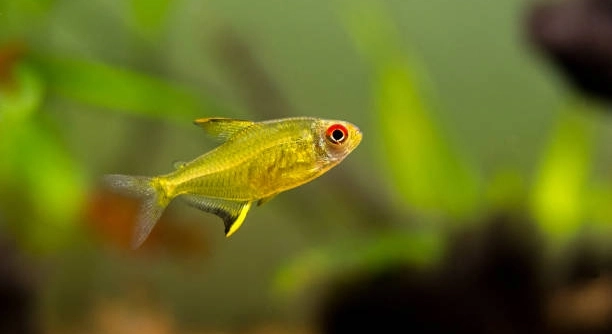
Lemon tetras are usually calm, small fish that swim together in peaceful harmony. Recently, many owners have noticed sudden bursts of energetic and erratic behavior in their aquariums, leaving them puzzled and concerned about their pets.
The primary cause of wild behavior in lemon tetras is often environmental stress. Factors such as poor water quality, sudden temperature changes, overcrowding, or improper lighting can trigger heightened activity and erratic swimming, impacting both their health and natural behavior patterns.
Recognizing the reasons behind these sudden changes is key to restoring calm and balance in your aquarium. Proper care and attention can help your tetras feel safe and comfortable once again.
Water Quality and Its Effects
Lemon tetras are very sensitive to water conditions. If the water has high levels of ammonia, nitrites, or nitrates, they can become stressed quickly. Chlorine and heavy metals from tap water can also irritate them. Even small changes in pH or hardness can make them swim erratically. Regular water testing is crucial, as it helps you identify problems early before they escalate. Weekly partial water changes keep toxins at a safe level and maintain a stable environment. Filters are important, but they need cleaning and proper maintenance. Overfeeding can also reduce water quality, as uneaten food decomposes and releases harmful substances. Observing your fish daily can show subtle signs of distress, like hiding or rapid gill movement. Healthy tetras are active, but calm and coordinated. Maintaining balanced water parameters ensures they remain energetic in a natural, healthy way, without sudden bursts of wild swimming that signal stress or discomfort.
Proper water care prevents erratic behavior and keeps lemon tetras comfortable in their environment.
Monitoring temperature, pH, and ammonia levels consistently can make a significant difference in their activity and overall health. Regular maintenance builds stability, preventing sudden environmental shocks that often cause wild behavior. Establishing a routine for water checks, changing filters, and feeding appropriate amounts creates a predictable and secure habitat. Even slight disturbances in water chemistry can trigger stress responses, so careful attention is necessary. Using a quality water test kit, performing weekly partial water changes, and avoiding overcrowding all contribute to calmer fish. Temperature fluctuations can be particularly harmful, as lemon tetras are tropical and need stable warmth. Combining proper filtration with gentle water flow reduces anxiety and excessive swimming. Understanding the specific needs of your tetras and maintaining a consistent environment ensures that they remain active but not stressed, allowing you to enjoy their natural, peaceful behavior over time.
Overcrowding and Tank Size
Too many lemon tetras in a small tank can cause stress and aggressive swimming. They need space to move freely, and overcrowding can lead to chaotic behavior, poor health, and even injuries among the fish.
Providing adequate space is essential for lemon tetras to maintain calm swimming patterns. A small school in a properly sized tank allows them to interact naturally without constant collisions or competition for territory. Overcrowding can increase stress hormones, making them hyperactive or restless. Observing their swimming patterns can reveal if space is an issue, as frenzied movements or hiding are common indicators. Larger tanks with sufficient hiding spots help reduce these stress behaviors, giving the tetras room to explore while maintaining a healthy social structure.
Tank setup also matters. Decorations, plants, and hiding areas break up lines of sight, preventing dominance disputes. Open swimming areas balanced with shelter allow tetras to feel secure while expressing natural schooling behavior. Consistent observation ensures that overcrowding or territorial issues are managed before they affect the fish’s well-being. Proper planning of tank population is vital to avoid erratic or wild swimming.
Lighting and Environmental Changes
Sudden changes in lighting or excessive brightness can startle lemon tetras, causing frantic swimming. They respond best to consistent light cycles and gradual adjustments.
Lemon tetras are sensitive to light intensity and duration. Abrupt switching from darkness to full brightness can trigger stress responses, while inconsistent light cycles disrupt their internal rhythms. Proper lighting encourages natural behavior and supports plant growth, indirectly benefiting the fish. Observing reactions during lighting changes can help identify discomfort. Too much direct light often makes them seek shaded areas, while gentle, stable illumination promotes calm schooling.
Environmental shifts such as rearranging tank decorations or adding new plants can also create stress. Fish rely on familiar landmarks to navigate their space. Sudden changes confuse them, causing erratic swimming or hiding. Gradual introduction of decorations or plants allows them to adjust without extreme reactions. Maintaining a consistent, predictable environment with stable lighting and layout helps tetras remain calm, reducing wild or frantic behaviors. Careful monitoring during environmental changes ensures their health and comfort over time.
Diet and Feeding Habits
Improper feeding can lead to sudden bursts of activity in lemon tetras. Overfeeding or inconsistent feeding schedules can make them restless, as they compete for food or react to hunger.
A balanced diet is important. Providing small, frequent meals with high-quality flakes or frozen foods keeps them healthy. Uneaten food should be removed to prevent water pollution, which can stress fish further. Observing their eating habits helps identify if diet is contributing to erratic behavior.
Temperature Fluctuations
Lemon tetras are tropical fish and need stable water temperatures. Sudden changes can cause stress, making them swim frantically or hide. Maintaining a consistent temperature between 74-78°F ensures calm behavior and supports their immune system. Regular checks prevent unexpected drops or rises in heat.
Stress from Tank Mates
Aggressive or overly active tank mates can trigger panic in lemon tetras. They respond better to peaceful species and benefit from calm companions. Avoid housing them with large or territorial fish, as this increases stress and erratic behavior.
Why are my lemon tetras swimming erratically all of a sudden?
Erratic swimming in lemon tetras is usually caused by stress or environmental changes. Poor water quality, temperature swings, overcrowding, or aggressive tank mates can trigger these sudden bursts of energy. Observing water parameters, tank conditions, and social dynamics helps identify the main source of stress.
Can overfeeding make lemon tetras act wild?
Yes, overfeeding can affect both water quality and fish behavior. Uneaten food decomposes, releasing toxins that stress fish. High-calorie meals can also make them hyperactive immediately after feeding. Providing small, controlled portions reduces waste, maintains water balance, and promotes calmer behavior.
How does water temperature affect their activity?
Lemon tetras are tropical fish that require stable temperatures between 74-78°F. Sudden changes, even a few degrees, can cause stress, rapid swimming, and frantic hiding. Using a reliable heater and thermometer ensures consistent warmth and reduces erratic behavior.
Does tank size influence their mood?
Absolutely. Overcrowding or insufficient space increases stress and competition for territory. A properly sized tank allows tetras to swim freely, maintain social hierarchies, and reduce sudden bursts of activity. Adding plants and hiding spots also improves their sense of security.
Can lighting cause hyperactive behavior?
Bright or inconsistent lighting can startle lemon tetras, making them swim frantically. Maintaining a consistent light schedule, with gradual transitions between dark and light periods, helps stabilize behavior. Avoid direct sunlight or sudden, intense artificial lighting.
Are certain tank mates responsible for their wild actions?
Yes, aggressive or overly large fish can stress lemon tetras, prompting erratic swimming or hiding. Peaceful, similarly sized species are better companions. Observing interactions and separating incompatible fish ensures a calm environment.
How often should I test my water?
Weekly testing for ammonia, nitrite, nitrate, pH, and hardness is recommended. Regular checks allow early detection of harmful changes, preventing stress and erratic swimming. Partial water changes and proper filtration keep the tank safe and stable.
Could sudden changes in decorations or plants affect them?
Yes, lemon tetras rely on familiar landmarks to navigate. Rearranging the tank suddenly can cause confusion and frantic swimming. Introduce decorations gradually and ensure open swimming spaces alongside hiding spots to maintain comfort.
How do I know if stress is the main issue?
Signs include rapid swimming, hiding, clamped fins, and loss of appetite. Observing behavior patterns in relation to water quality, tank mates, and feeding schedules helps pinpoint stress. Correcting these factors typically restores calm and normal swimming.
What is the best approach to calm them down?
Maintain stable water parameters, avoid sudden environmental changes, and provide adequate space. Consistent feeding schedules, gentle lighting, and peaceful tank mates all contribute to reducing stress. Monitoring behavior regularly ensures the tetras stay comfortable and healthy over time.
Is it normal for them to act wild occasionally?
Occasional bursts of energy are natural, especially during feeding or social interactions. However, frequent or prolonged hyperactivity usually indicates stress or environmental issues. Consistent care and a balanced tank environment help prevent excessive wild behavior.
How long does it take for them to settle after changes?
Adjustment time varies, usually a few hours to several days, depending on the severity of stress. Gradual introductions, proper water conditions, and minimal disruptions accelerate recovery. Patience and observation are key to restoring normal behavior in lemon tetras.
Are there signs of illness that look like wild behavior?
Yes, some illnesses can cause unusual swimming patterns. Symptoms like discoloration, fin damage, lethargy combined with erratic movements may indicate disease. Early detection and treatment are critical, alongside maintaining clean and stable tank conditions.
Does water flow in the tank affect them?
Strong currents can make tetras appear frantic, as they struggle to swim against the flow. Gentle circulation that mimics natural streams is ideal, allowing energy-efficient swimming and reducing stress-related hyperactivity.
What role does diet variety play in behavior?
A balanced diet with a mix of flakes, frozen, and live foods supports overall health. Nutritional deficiencies can make fish weak or more reactive to stress. Providing variety ensures calm, consistent energy levels and reduces sudden bursts of wild behavior.
Can I prevent wild behavior completely?
While occasional energetic swimming is normal, consistent care prevents chronic stress-related episodes. Stable water parameters, proper tank size, peaceful companions, and a balanced diet minimize erratic behavior and maintain healthy, predictable patterns in lemon tetras.
This FAQ covers the main reasons lemon tetras may act wild and provides practical guidance for keeping their environment stable, reducing stress, and promoting calm, healthy swimming habits.
Lemon tetras are small, peaceful fish that bring life and color to an aquarium. When they start swimming erratically, it can be concerning, but it is usually a sign that something in their environment needs attention. These fish are highly sensitive to changes in water quality, temperature, tank size, lighting, and social dynamics. Stress from poor conditions often shows through wild or frantic swimming, hiding, or sudden bursts of energy. Observing these behaviors closely is the first step in identifying the cause. Once the problem is recognized, making adjustments to the tank can quickly restore calm and balance. Maintaining stable conditions and providing the right care allows lemon tetras to thrive and display their natural, coordinated schooling behavior.
A well-maintained aquarium is essential for reducing stress and preventing erratic behavior. Water quality is one of the most important factors. Regular testing of ammonia, nitrites, nitrates, and pH levels helps detect potential issues before they affect the fish. Partial water changes and proper filtration are simple but effective ways to keep the water clean and stable. Overfeeding should be avoided, as uneaten food can pollute the water and trigger stress. Tank size also matters. Lemon tetras need enough space to swim freely and form a natural social hierarchy. Overcrowding increases tension and can lead to aggression or panic swimming. Adding plants and decorations provides hiding spots and reduces territorial disputes, giving the fish a sense of security. Peaceful tank mates are equally important, as aggressive or large species can cause anxiety and erratic behavior.
Consistency in care is another key aspect of keeping lemon tetras healthy and calm. Lighting should follow a regular cycle, avoiding sudden bright lights that can startle the fish. Temperature should remain stable within the appropriate range for tropical fish. Gradual changes in tank layout or new additions should be introduced carefully to minimize stress. A balanced diet with high-quality flakes, frozen, or live foods keeps them healthy and energetic without overstimulation. Observing the fish daily allows you to notice subtle changes in behavior that may indicate early signs of stress or illness. By maintaining a stable and well-planned environment, most instances of wild behavior can be prevented. Over time, lemon tetras become more comfortable, swim in coordinated schools, and display their natural, peaceful behavior, making the aquarium a healthier and more enjoyable space for both the fish and the caretaker.

Hello,
If you enjoy the content that we create, please consider saying a "Thank You!" by leaving a tip.
Every little bit helps us continue crafting quality advice that supports the health, happiness, and well-being of pets around the world, for pets of all shapes, sizes, and species.
We really appreciate the kindness and support that you show us!