
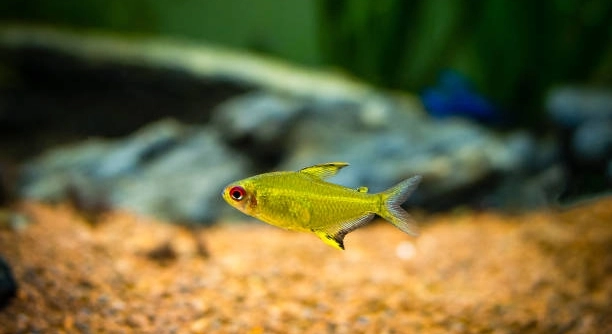
Lemon tetras are small, lively fish that thrive in groups. Observing them can be rewarding, but their natural behaviors often go unnoticed in standard aquarium setups. Encouraging these behaviors helps create a healthier environment for them.
To encourage natural behavior in lemon tetras, provide a well-planted tank with plenty of hiding spots, open swimming areas, and a stable water environment. Regular feeding with varied, high-quality food supports their natural activity and social interactions.
Learning how tank design and daily care impact your fish can improve their well-being and make your aquarium more engaging and balanced.
Setting Up the Right Aquarium
Creating a comfortable environment is key to encouraging natural behavior in lemon tetras. A tank of at least 20 gallons works best for small groups, providing enough space for swimming and schooling. Soft, neutral-colored substrates reduce stress, and live plants give hiding spots and resting areas. Floating plants help diffuse light, mimicking their natural habitat and encouraging exploration. Driftwood or smooth rocks can create territories and break up open spaces, giving fish areas to retreat when needed. Maintaining consistent water temperature between 75 and 80°F, along with stable pH levels around 6.5 to 7.0, supports healthy behavior. Regular water changes and good filtration ensure water quality, preventing stress that can suppress activity. Choosing a quiet location away from constant vibration or sudden disturbances also helps them feel secure. A well-planned tank encourages natural swimming patterns, feeding behavior, and social interactions. Small adjustments in décor and conditions can make a noticeable difference in their comfort and activity levels.
A proper tank setup directly influences how active and social lemon tetras become, supporting both health and natural behavior patterns.
Observing a tank with plants, hiding spots, and open swimming areas shows the difference in behavior. Fish explore more, school together, and feed actively when they feel safe. This setup reduces aggression and stress, promoting overall vitality. Even subtle changes, like adding floating plants or rearranging driftwood, can stimulate natural instincts. Lemon tetras respond to environmental enrichment by displaying more vibrant colors and interacting with each other in coordinated movements. Careful attention to water parameters, such as temperature, pH, and cleanliness, is crucial. Neglecting these factors may result in hiding, lethargy, or disrupted schooling. By consistently providing a stable and enriched environment, owners can encourage behaviors that are closer to what these fish exhibit in their native habitats. Small investments in setup and maintenance produce lasting benefits for both the fish and the overall aquarium experience.
Encouraging Natural Feeding Habits
Offering varied food encourages lemon tetras to engage in their natural foraging behavior. Flake, frozen, and live foods replicate what they would find in the wild.
Feeding multiple small portions throughout the day helps stimulate natural activity. Avoid overfeeding to prevent stress and maintain water quality.
Lemon tetras enjoy hunting tiny insects or infusoria in the water column. Incorporating live or frozen foods like daphnia, brine shrimp, or bloodworms allows them to display natural hunting behavior. Rotating different types of food ensures they receive balanced nutrition and remain interested in feeding. Even occasional flake or pellet food works when paired with more dynamic options. Observing their feeding patterns can help identify preferred foods and behaviors. Over time, they may show more coordinated schooling, darting together toward food while avoiding competition. This approach not only encourages activity but also strengthens social bonds within the group. Maintaining proper feeding routines alongside clean water conditions helps sustain energy levels and overall health. By focusing on natural feeding habits, owners can promote instinctive behaviors that keep lemon tetras active and engaged in their environment.
Maintaining Water Quality
Regular water changes are essential to keep lemon tetras healthy and active. Removing 20–25% of water weekly prevents toxin buildup and supports stable water parameters, encouraging natural behavior.
Water testing should be consistent, checking ammonia, nitrite, nitrate, and pH levels. Lemon tetras are sensitive to fluctuations, and sudden changes can cause stress. Using a reliable filtration system and avoiding overstocking the tank ensures a balanced environment. Clean equipment, careful feeding, and removing uneaten food all contribute to maintaining water quality. Stability in water conditions promotes schooling, exploration, and natural activity, helping these fish thrive.
Even small neglects, like irregular water changes or overfeeding, can reduce activity levels. Consistency in maintenance keeps fish healthy, active, and displaying normal social behavior.
Proper water management directly influences their coloration and energy. Lemon tetras show more vibrant colors and are more likely to explore when water conditions remain stable. Stress from poor water quality can lead to hiding, loss of appetite, or weakened immune systems. By prioritizing filtration, regular testing, and timely water changes, owners can foster a safer environment. Stability allows natural swimming patterns, feeding, and schooling behavior to occur more freely. Even minor improvements in water management can significantly enhance the overall health and happiness of the fish. Observing these changes over time demonstrates the importance of a clean, stable aquarium.
Encouraging Social Interaction
Lemon tetras are schooling fish, and keeping them in groups of six or more promotes natural social behavior.
Small group sizes or isolation can lead to stress and lethargy. When kept in proper groups, lemon tetras coordinate movements, follow one another, and display playful behaviors. Social interaction reduces aggression and supports mental stimulation.
Placing multiple individuals together allows them to form a hierarchy and interact naturally. A larger group encourages schooling, which provides safety and confidence. Observing their synchronized swimming patterns can indicate a healthy, balanced tank environment. Group dynamics also affect feeding behavior, as fish compete gently for food without overaggression. Providing enough space, hiding spots, and plants ensures that interactions remain positive. Social enrichment promotes natural instincts, like darting, hovering, and exploring together. Even subtle environmental enhancements, such as rearranging plants or adding floating elements, can increase group activity. Consistent care and attentive observation support both social cohesion and individual health, ensuring lemon tetras display the behaviors they would naturally exhibit in their native habitats.
Providing Hiding Spots
Lemon tetras feel safer and display natural behaviors when there are plants, rocks, and driftwood in the tank. Hiding spots reduce stress and encourage exploration.
Dense planting along the edges and scattered decorations in open areas allow fish to rest or retreat while still swimming freely.
Light and Temperature Control
Maintaining stable temperature and light cycles is essential. Lemon tetras thrive at 75–80°F with a 10–12 hour light period. Sudden changes can stress them, affecting activity and color. Use a reliable heater, thermostat, and timer for lighting to mimic natural day-night rhythms, promoting normal behavior and energy.
Observing and Adjusting
Regular observation helps identify if fish are comfortable. Changes in swimming, hiding, or feeding indicate adjustments may be needed in environment or care.
Encouraging Exploration
Introducing new objects or rearranging decorations occasionally stimulates curiosity and activity. Simple changes can enhance mental and physical engagement, promoting healthier, more natural behavior in lemon tetras.
FAQ
How many lemon tetras should I keep together?
Lemon tetras are schooling fish and feel safest in groups of at least six. Smaller numbers can cause stress, hiding, or lethargy. A larger group encourages natural swimming, coordinated movement, and social behavior. Tank size should match the group to allow enough swimming space and reduce territorial conflicts.
What is the ideal tank size for lemon tetras?
A tank of at least 20 gallons works well for a small group. This size provides enough open swimming space and room for plants, hiding spots, and decorations. A larger tank is better if you plan to keep more fish or add other compatible species. Proper space reduces stress and promotes natural activity.
What kind of plants are best for hiding spots?
Live plants like Java fern, Anubias, and Amazon sword provide excellent coverage. Floating plants, such as duckweed or hornwort, diffuse light and create safe zones. Dense plants along the edges with some open swimming areas encourage exploration while offering places to retreat when stressed.
How often should I change the water?
Weekly water changes of 20–25% are recommended. Regular changes remove toxins, control nitrate levels, and stabilize pH. In combination with proper filtration, consistent water changes keep the tank clean, reduce stress, and help fish maintain vibrant colors and natural behavior.
What foods support natural behavior?
A mix of flake, frozen, and live foods works best. Live or frozen foods like brine shrimp, daphnia, or bloodworms encourage foraging behavior. Rotating different foods keeps them interested and ensures proper nutrition. Overfeeding should be avoided to prevent water quality issues and stress.
Can lemon tetras live with other fish?
Yes, but choose peaceful species. Other small, non-aggressive fish, like rasboras or guppies, are good companions. Avoid larger or aggressive fish that may stress tetras. Proper social environment encourages schooling, active swimming, and reduces hiding behavior.
How do I know if my lemon tetras are healthy?
Healthy tetras are active, swim in coordinated groups, have bright colors, and feed readily. Lethargy, hiding, loss of color, or irregular swimming may indicate stress, illness, or poor water quality. Regular observation helps detect issues early.
Do they need special lighting?
Moderate, consistent lighting supports natural behavior. Around 10–12 hours of light per day mimics day-night cycles. Too much light can stress fish, while too little reduces activity. Using a timer helps maintain stability and encourages normal swimming and feeding patterns.
How can I reduce stress in my tank?
Stable water conditions, hiding spots, proper group sizes, and avoiding sudden movements or loud noises reduce stress. Observing their behavior and adjusting tank setup, decorations, or feeding routines can help maintain a safe and comfortable environment.
How often should I check water parameters?
Testing at least once a week is recommended for ammonia, nitrite, nitrate, and pH. Sudden changes can affect behavior and health. Regular monitoring helps catch problems early, ensuring fish remain active, colorful, and display natural schooling and feeding behaviors.
Can lemon tetras breed in a home aquarium?
Yes, they can, if conditions are right. Soft, slightly acidic water, plants for egg-laying, and a separate breeding tank increase success. Removing adults after spawning prevents them from eating eggs. Breeding encourages natural reproductive behavior but requires preparation and careful observation.
Is it necessary to rearrange tank decorations?
Occasional changes stimulate exploration and activity. Rearranging plants, rocks, or adding new elements encourages curiosity and natural behavior. Subtle changes prevent boredom and promote physical and mental engagement without causing stress.
How do I manage aggression or bullying?
Lemon tetras are generally peaceful, but stress can trigger minor aggression. Ensure proper group size, provide hiding spots, and avoid overstocking. Observing interactions helps identify if adjustments are needed. Aggression usually decreases with adequate space, environmental enrichment, and compatible tank mates.
What temperature range is optimal?
Keep the water between 75–80°F. Stability is more important than exact numbers. Sudden drops or rises can stress fish, suppress activity, and affect feeding. Using a reliable heater and thermometer maintains safe, consistent conditions that support natural behavior and coloration.
How can I encourage schooling behavior?
Maintain proper group sizes and open swimming areas. Stable water conditions, social interaction, and gradual feeding routines support coordinated swimming. Observation and a comfortable environment help tetras feel secure enough to move together naturally, reinforcing their instinctive social patterns and promoting overall health.
Are lemon tetras sensitive to water chemistry?
Yes, they are. Sudden changes in pH, hardness, or temperature can cause stress or illness. Maintaining consistent water parameters and monitoring weekly supports vibrant coloration, activity, and normal social behavior. Avoid drastic adjustments and introduce changes gradually if needed.
What are signs of stress I should watch for?
Hiding excessively, loss of appetite, faded colors, erratic swimming, or staying at the bottom of the tank can indicate stress. Identifying causes, such as poor water quality, small group size, or lack of hiding spots, and correcting them promptly helps maintain natural behavior and overall health.
How can I keep feeding interesting?
Offering a variety of foods and feeding in small amounts throughout the day stimulates foraging instincts. Live or frozen options encourage natural hunting, while occasional flakes or pellets ensure balanced nutrition. Regularly rotating food types keeps them engaged and promotes active behavior.
Do they need companions of the same species?
Yes, keeping them in groups of at least six is important. Companions provide social interaction, schooling, and safety. Isolated fish can become stressed, hide more, and show less activity. Proper grouping supports natural instincts and healthy behavior.
What equipment is essential for their well-being?
A reliable filter, heater, and thermometer are necessary. Stable water, proper temperature, and clean conditions support natural behavior. Plants, decorations, and open swimming areas enrich the environment, allowing lemon tetras to express instincts like foraging, exploring, and schooling effectively.
How do I prevent disease?
Maintain clean water, avoid overfeeding, quarantine new fish, and monitor behavior regularly. Stable water parameters, proper diet, and minimal stress help prevent illness. Early detection of symptoms ensures timely treatment and preserves healthy, natural behavior.
Can lemon tetras live in a community tank?
Yes, with peaceful, similar-sized species. Proper group size, compatible tank mates, and environmental enrichment support normal schooling, feeding, and exploration behavior. Avoid aggressive or much larger fish to maintain a safe, stress-free environment.
How do I encourage activity in a small tank?
Provide open swimming areas, plants, and decorations for hiding and exploration. Stable water conditions, consistent feeding, and social grouping promote activity. Small adjustments in layout can stimulate curiosity and natural behaviors even in limited space.
What is the best way to observe natural behavior?
Watch schooling, feeding, and exploration in a stable, enriched tank. Avoid sudden movements or loud noises. Observing over time reveals patterns like darting, hovering, and group coordination, helping you understand their needs and adjust care for optimal health and behavior.
Final Thoughts
Lemon tetras are small, lively fish that bring color and movement to a home aquarium. Their natural behavior can be seen clearly when they feel safe, have enough space, and live in a stable environment. Providing a well-planted tank with open swimming areas and hiding spots encourages exploration, social interaction, and schooling. When these fish have a secure environment, they are more likely to display active swimming, coordinated group movement, and natural feeding habits. Observing these behaviors can be rewarding because it shows the fish are healthy, comfortable, and thriving. A simple setup with live plants, gentle lighting, and stable water conditions can make a big difference in how lemon tetras behave and interact with each other. Even small adjustments, like rearranging decorations or adding floating plants, can stimulate curiosity and encourage them to move naturally. Paying attention to their surroundings and making thoughtful improvements helps them feel at home and allows you to enjoy their full range of behaviors.
Maintaining proper water quality is one of the most important factors in supporting natural behavior. Regular water changes, proper filtration, and consistent monitoring of ammonia, nitrite, nitrate, and pH levels prevent stress and support overall health. Lemon tetras are sensitive to sudden changes, so stability is key. Feeding them varied food, including flake, frozen, and live options, encourages natural foraging behavior and keeps them engaged. Overfeeding should be avoided because leftover food can reduce water quality and create stress. Social interaction is equally important. Keeping lemon tetras in groups of at least six allows them to school properly, which is a core part of their natural behavior. Observing them in a group highlights their coordinated swimming patterns and helps identify any fish that may be stressed or unwell. When tank conditions are balanced and care is consistent, lemon tetras display a range of behaviors that are closer to what they would do in the wild.
Attention to detail in daily care makes a lasting impact on these fish. Lighting, temperature, hiding spots, and tank layout all influence how lemon tetras behave. Maintaining a stable temperature of 75–80°F and a consistent light cycle encourages activity and feeding at natural times. Providing plenty of plants and decorations allows them to explore safely and retreat when needed, reducing stress. Occasional changes to the tank, such as rearranging plants or adding new objects, can keep the environment stimulating without overwhelming them. Observing their behavior regularly helps identify potential problems early, whether it is a water quality issue, an illness, or social stress. Taking the time to understand and respond to their needs ensures that lemon tetras remain healthy, active, and vibrant. A carefully maintained tank not only improves their quality of life but also makes the experience of keeping these fish more enjoyable and fulfilling. Proper care, attention, and observation allow lemon tetras to thrive and display the behaviors that make them engaging and fascinating pets.

Hello,
If you enjoy the content that we create, please consider saying a "Thank You!" by leaving a tip.
Every little bit helps us continue crafting quality advice that supports the health, happiness, and well-being of pets around the world, for pets of all shapes, sizes, and species.
We really appreciate the kindness and support that you show us!