
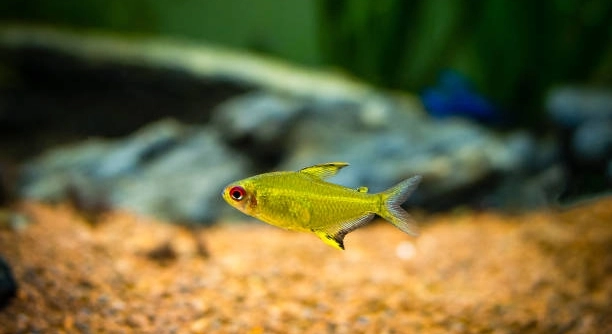
Have you ever watched your lemon tetra zip across the tank with sudden bursts of energy that seem almost unpredictable, leaving you curious about what might be influencing their behavior during these little lively moments?
Lemon tetra often dart around due to territorial cues, shifting water conditions, and natural vigilance that prompts sudden motion. This behavior reflects instinctive reactions shaped by social structure and environmental change, influencing how they navigate and respond within the aquarium.
These details offer a starting point for understanding quick movements, encouraging you to notice factors guiding activity in the aquarium.
Understanding Sudden Bursts of Movement
When lemon tetra dart across the tank, their movements often reflect a mix of natural instincts and simple reactions to small changes around them. I have noticed this in my own tank, where even slight shifts in light or flow can spark a quick dash. These fish stay alert by nature, and their bodies respond fast to anything that feels different or unexpected. Sometimes their behavior comes from playful energy, and other times it comes from a need to keep space between themselves and other fish. Many owners see this activity when the group adjusts to new objects, plants, or sounds. Each short burst can tell you something about how secure they feel. When the tank is steady and familiar, they tend to move with gentle patterns, but sudden activity reminds you to pay attention to the signals they share through movement in their daily lives inside the tank today.
Their quick bursts can also appear when they react to shifting social patterns in the group. Small displays like this help them find balance, create space, and manage subtle tension that may rise when they sense changes in movement, sound, or light around them in their calm and active routines.
Learning how these movements connect to different triggers can help you understand your lemon tetra with a bit more ease. I have found that watching them closely makes it easier to see patterns linked to light, feeding, and group behavior. Their sudden dashes often reveal how they handle small surprises, and observing these moments can guide you toward simple adjustments. When you notice repeated bursts, it may signal that something in the tank could be improved. From water flow to decoration placement, each detail shapes how they feel. Paying attention to these signs supports their comfort and keeps the group.
How Tank Conditions Shape Their Activity
Tank conditions often guide how active your lemon tetra become, and even small shifts can lead to quick movement. Changes in temperature, lighting, or flow may spark sudden motion, showing you how closely these fish respond to their surroundings during normal activity in ways you might notice over time daily.
When lemon tetra live in a balanced tank, their movements usually follow smooth patterns, but shifts in the setup can influence how they behave. I often notice that even slight changes like a stronger filter flow or new plants can make them dart more than usual. These fish respond to anything that affects their comfort, and sudden movement may reflect confusion, stress, or simple alertness. If the water temperature drifts too far from their ideal range, their activity can rise because they are trying to adjust. Lighting is another factor that shapes their behavior, since bright or inconsistent light can make them more reactive. A stable routine helps them feel secure, so keeping the tank consistent is one of the most helpful steps you can take. Regular cleaning, steady feeding times, and gentle flow all support a calm group. When you watch how they move from day to day, you can learn which changes affect them most, and use that understanding to create a space where they feel safe and stay active without sudden bursts that cause worry. This steady approach keeps their environment predictable and allows them to settle into gentle activity that reflects their natural rhythm each day.
Social Dynamics Within the Group
Lemon tetra respond strongly to social shifts in their group, and quick movements can appear when they sense small changes. I often see this when a new fish enters the tank or when the group adjusts to a different rhythm during the day.
When their group structure changes, they react fast to maintain balance. Some darting helps them manage space and decide their place within the school. If one fish becomes pushy, others may move quickly to avoid tension. I notice these patterns most when feeding schedules shift or when a fish behaves differently due to mild stress. Their movements help them communicate in subtle ways, showing how they handle small conflicts or new dynamics around them. Watching these moments helps you understand how they protect their comfort within the group.
Darting can also show up when they feel unsure about the behavior of nearby fish. If one becomes overly active or displays unusual patterns, others may respond with quick movement to create room. These reactions help them regain balance and keep a comfortable distance. I have seen this happen after rearranging decorations or adjusting plants, because space changes can make them reevaluate their paths. Their social structure depends on predictable movement, so any disruption may lead to short bursts until they feel secure again.
Environmental Triggers That Spark Quick Movements
Sudden bursts often appear when environmental factors shift, especially during maintenance or after small changes in the tank. I see this most when light brightness changes too fast or when sounds near the tank startle them during calm moments.
Strong water flow, bright lighting, or unfamiliar sounds can influence their behavior quickly. When the filter output increases even slightly, they may react with quick dashes until they adjust to the new sensation. I have also noticed that sudden shadows from passing movement in the room make them more alert. Temperature swings can raise their sensitivity as well, especially if the tank warms or cools faster than expected. These triggers remind you to keep conditions steady. Consistent lighting, gentle flow, and slow adjustments help them feel safe. When changes happen gradually, they respond with smoother movement instead of sharp bursts that suggest discomfort. This stability supports their natural rhythm and keeps the group calm.
Feeding-Related Movement
Lemon tetra may dart around more during feeding when food spreads quickly through the tank. I notice this most with flake food, because it drifts and encourages fast motion. Their quick bursts help them reach pieces before others, creating lively but harmless competition during mealtime.
They may also react this way when feeding routines change. If food appears earlier or later than usual, some become more alert and move quickly in anticipation. These short bursts help them respond to shifting patterns, and watching their reactions can guide you toward a feeding schedule that keeps them comfortable.
Stress Signals to Notice
Darting can sometimes signal mild stress caused by sudden changes in the environment. I often see this when maintenance tools enter the tank or when plants are moved unexpectedly. Their reactions may seem small at first, but repeated bursts show they are trying to process what feels unfamiliar. Stable routines help reduce these moments. Gradual adjustments in temperature, lighting, and water flow can prevent sudden movement linked to tension. I have found that giving them quiet time after cleaning or rearranging helps them settle faster. Their behavior becomes calmer once they feel that their surroundings have returned to a familiar rhythm.
How Light Changes Affect Them
Quick movements often appear when light intensity shifts too suddenly, especially during early hours. Gradual lighting changes help them stay calm and avoid sharp bursts that reflect surprise or uncertainty. I have seen smoother transitions make their activity steadier and more predictable.
FAQ
Why do my lemon tetra dart suddenly even when the tank seems calm?
Sudden movement can appear even in a calm tank because lemon tetra stay naturally alert. I often see mine react quickly to small changes I barely notice at first. A slight shift in lighting, a faint sound, or a tiny shadow can make them move fast. Their instincts guide them to respond quickly to anything that feels different. This does not always mean something is wrong. Many times, they are simply reacting to their environment in a normal way. When their surroundings stay steady, the darting usually becomes less frequent over time.
Is darting a sign of aggression in lemon tetra?
Darting does not always mean aggression, but it can show mild tension in the group. I notice these moments most around feeding or when one fish becomes more active than the rest. If a fish tries to claim space, others may react with quick bursts to move away. These movements help them keep distance and protect their comfort. It usually settles on its own once the group finds balance again. Watching how often it happens and when it appears helps you understand whether it is simple social adjustment or something that needs attention in the tank.
Can bright or uneven lighting make them dart more?
Lighting has a big impact on how lemon tetra behave. Fast changes or harsh brightness can startle them and lead to quick movement. I have seen this happen when lights switch on too suddenly or when daylight shifts across the room. Their eyes react strongly to changes, so smooth transitions work much better. Soft lighting, gradual brightness, and a consistent schedule help them feel safe. When lighting is steady, their swimming becomes smoother and their reactions calmer, which makes the entire group more comfortable.
How does water flow affect their movement?
Stronger water flow can cause more darting, especially if the current pushes against them. I have noticed my lemon tetra become more active when the filter output is too strong. They swim harder to adjust, and quick bursts help them find calmer spots. Gentle flow supports smoother swimming and reduces the need for sudden movement. It helps to check the direction and strength of the filter often. A balanced flow keeps them comfortable and makes the tank feel more natural. When they settle into a steady current, their activity becomes relaxed and predictable.
Can new tank mates cause lemon tetra to dart around more?
New fish always influence the group. Lemon tetra react fast to unfamiliar movement, and darting is a natural part of that adjustment. I often see these reactions when adding peaceful species that swim differently or use space in new ways. The tetra observe them closely and respond with quick movements while figuring out whether the newcomers feel safe to be near. With time, the group settles and the darting becomes less frequent. Slow introductions and giving them space to adjust usually help them regain comfort sooner.
Does feeding time cause them to move faster than usual?
Feeding often brings out quick movement because they want to reach food before it sinks or drifts away. I notice this most with flake food, which spreads across the surface and encourages fast swimming. Their darting is normal during feeding, especially in groups where mild competition appears. A calm feeding routine helps reduce tension. Adding small amounts of food at a time can prevent frantic bursts and keep their activity steady. Knowing their habits makes feeding more predictable and easier for both the fish and the owner.
How can I tell if darting is linked to stress rather than normal behavior?
Stress-related darting usually appears alongside other signs. I watch for fading color, unusual hiding, or clustering in one area. When darting repeats often or seems more intense than usual, it can mean something in the tank feels uncomfortable for them. Sudden temperature shifts, loud noises, or rough movements during maintenance can raise stress. Gentle handling of the tank and slow adjustments help a lot. When their environment stays stable, they regain smooth, calm movement more quickly. Over time, understanding their patterns makes it easier to tell when reactions are normal or when they reflect stress.
Do lemon tetra dart when the temperature is off?
Temperature plays a large role in how they behave. If the water becomes too warm or too cool, you may notice more darting as they try to adjust. I have seen this happen after water changes that were a bit too fast. Slow, controlled adjustments keep them steady. A reliable heater and regular checks help maintain comfortable conditions. When the temperature stays within their preferred range, they move with ease and show fewer sudden bursts.
Can tank rearrangements lead to more sudden movement?
Any change in the tank layout can influence their behavior. Moving plants, decorations, or equipment may confuse them at first. I often see quick bursts right after rearranging because they examine new shapes and paths in the water. Their reactions fade once they map out the space again. Introducing changes slowly or in small steps helps them settle faster and reduces the need for sudden movement.
Why do they dart when someone walks by the tank?
Lemon tetra respond strongly to motion outside the tank. If someone walks past quickly, they may dart because the shadow or movement feels unexpected. I see this most in quieter rooms where sudden activity stands out. With time, they learn your normal patterns and react less. A stable environment and predictable movement around the tank help them feel more secure.
Final Thoughts
Caring for lemon tetra becomes easier when you understand how their quick movements connect to the small details in their environment. I have noticed that even simple changes can influence how they react, and these reactions become clearer the more time you spend watching them. Their natural alertness plays a large role in why they move the way they do, and this alertness often shows through short bursts of speed that may seem surprising at first. When you pay attention to the rhythm of their daily activity, you begin to see how light, sound, temperature, and group behavior all blend together to shape their patterns. These movements are a normal part of their behavior, and they help you see how they interpret the space around them. The more familiar you become with their habits, the easier it becomes to understand what makes them comfortable and what unsettles them.
A stable environment helps them feel safe, and that safety shows in smoother, calmer swimming. I have found that keeping lighting consistent, maintaining steady water conditions, and making slow changes all support their natural behavior. It does not take complicated steps to create a space they enjoy, only thoughtful routines and gentle adjustments when needed. When they move with ease, it often means they trust the environment around them. Their darting becomes more predictable and less intense when the tank feels familiar to them. Watching their reactions can guide you in deciding when to shift something in the tank or when to leave things as they are. These observations slowly build a clear picture of what supports their comfort. In time, their behavior becomes something you can read with more confidence, and that understanding makes caring for them more rewarding. Their reactions, even the quick ones, are small signals that help you see what they need each day.
As you continue caring for them, their behavior will start to feel less confusing and more like a natural part of the tank. The quick bursts that once seemed random begin to make sense when placed in the context of their instincts and environment. I often feel that their sudden movement is simply another part of their communication, a way of responding to the world around them. When you keep their environment steady and observe how they interact with small changes, you create a space where they can thrive with fewer signs of stress. Their activity shows you how they experience the tank, and understanding that experience helps you support them in a gentle and thoughtful way. Caring for lemon tetra is not complicated when you learn to watch for these small signs. Over time, you build a simple, steady routine that keeps them secure, active, and comfortable in the space you share with them.

Hello,
If you enjoy the content that we create, please consider saying a "Thank You!" by leaving a tip.
Every little bit helps us continue crafting quality advice that supports the health, happiness, and well-being of pets around the world, for pets of all shapes, sizes, and species.
We really appreciate the kindness and support that you show us!