
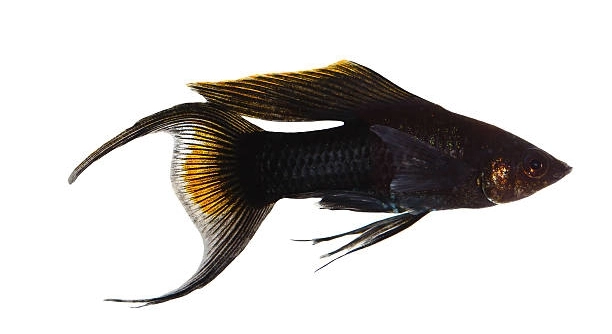
Fry often gather at the glass of their tank, moving constantly and appearing restless. Observing this behavior can be both fascinating and puzzling for fish owners, especially when the fry seem to focus only on the walls.
Fry pressing against the glass is usually a response to environmental factors such as water quality, overcrowding, or insufficient food. This behavior can indicate stress, curiosity, or attempts to explore their surroundings, and it requires careful attention from the caretaker.
Monitoring these behaviors closely can help ensure the fry grow healthy. Small adjustments to their habitat often lead to noticeable improvements in activity.
Understanding Fry Behavior
Fry are small and delicate, and their behavior often reflects their environment. Pressing against the glass can be linked to water conditions, light levels, and tank layout. Observing them closely helps identify patterns that may indicate stress or curiosity. Some fry are naturally more active, while others prefer hiding near surfaces. Temperature also plays a role, as fry may move toward warmer or cooler areas to regulate their body functions. Feeding routines can influence movement too; if they are hungry, they may explore the tank edges more aggressively. Overcrowding often causes constant movement along the glass, as fry compete for space and food. Tank decorations, plants, and hiding spots can either calm or excite them. Regular monitoring of water quality, including ammonia and nitrate levels, helps prevent unhealthy stress. Behavior changes are often subtle at first, and recognizing them early can make a significant difference in their health.
Observing fry at the glass can indicate their comfort level, health, and how they interact with their environment and each other.
Fry behavior can vary widely between species. Some are naturally active, moving constantly, while others are shy and prefer hiding. By noting these differences, you can tailor care, adjust feeding schedules, and make small environmental changes. Even minor adjustments in water flow, light, or tank decor can reduce stress. Consistent observation allows you to notice early signs of illness, malnutrition, or stress, ensuring the fry grow strong.
Environmental Factors Affecting Fry
Water quality is a major factor in fry behavior. Poor conditions can cause stress, illness, or lethargy.
Monitoring temperature, pH, and cleanliness helps maintain a stable environment. Filtration systems and gentle water flow can prevent agitation. Fry are sensitive to sudden changes, so maintaining consistency is crucial. Overcrowding can lead to increased glass pressing, as fry compete for space and resources. Adding plants and hiding spots creates secure areas, reducing stress and encouraging natural behaviors. Light intensity affects activity, with brighter light sometimes causing fry to retreat or explore edges more. Feeding patterns impact movement; frequent small feedings often keep fry calmer, while sporadic feeding increases frantic exploration. Regular observation is essential to notice changes early. Removing debris and maintaining proper nutrition improves overall health and reduces anxiety-driven behavior.
Consistent care and attention allow fry to thrive, grow, and display natural, healthy behaviors. It also helps prevent long-term stress and ensures a balanced, supportive environment for their development.
Common Stressors in Fry
Fry press against the glass often due to stressors in their tank. Overcrowding, sudden movements, or loud vibrations can cause them to seek safety near the edges. Monitoring these factors helps reduce anxiety and promotes calmer behavior in the tank.
Water quality issues are a major source of stress for fry. High ammonia, nitrite, or nitrate levels irritate their delicate systems, prompting restless behavior like pressing against the glass. Inadequate filtration or infrequent water changes can exacerbate these problems. Temperature fluctuations also play a role, as fry are sensitive to even small changes. Sudden light changes, excessive noise, or too many tank mates can increase stress. Providing hiding spaces and maintaining stable conditions allows fry to feel secure and reduces these edge-pressing behaviors.
Feeding practices influence fry behavior as well. Overfeeding can pollute the water and create competition, while underfeeding leaves fry restless and searching for food. Small, frequent meals are ideal. Observing how fry respond to feeding helps identify hunger-driven activity. Adjusting portions, maintaining proper water conditions, and ensuring the tank is not overcrowded allows fry to explore naturally without constant edge pressing. Environmental enrichment, such as plants and gentle water flow, also supports calmer, healthier development.
Health Indicators from Behavior
Fry pressing against the glass can signal health concerns. Sudden changes in behavior often point to illness or nutritional deficiencies.
Fry are delicate and can display stress or disease through subtle movements. Constant edge-pressing, lethargy, or rapid gill movement may indicate infections, parasites, or poor water conditions. Observing these patterns helps detect problems early. Monitoring growth rates, coloration, and activity levels alongside tank parameters provides insight into their health. Proper feeding and stable water conditions prevent many common issues. Regular observation allows for timely interventions, improving survival rates.
Behavior patterns can reveal specific health issues. If fry cluster at the glass, it may reflect oxygen deficiency, ammonia buildup, or internal stress. Slow or erratic swimming can suggest disease or weakness. Early detection is crucial, as fry are vulnerable and can deteriorate quickly. Adjusting water conditions, ensuring proper nutrition, and isolating affected fry if necessary can prevent further complications. Maintaining a clean tank and monitoring activity closely supports strong, healthy growth and reduces stress-induced behaviors.
Adjusting Tank Conditions
Small changes in tank conditions can greatly affect fry behavior. Adjusting temperature, water flow, and light intensity often reduces stress. Providing plants or decorations creates safe spaces, helping fry feel secure and less likely to press against the glass.
Feeding routines impact fry activity. Offering smaller, more frequent meals prevents frantic searching and competition. Monitoring how they respond allows adjustments that promote calmer behavior and healthier growth. Consistent feeding schedules help fry develop regular patterns and reduce stress-induced edge pressing.
Tank Layout Considerations
Open areas with little cover can make fry feel exposed, prompting constant movement along the glass. Adding plants or hiding spots breaks the open space and offers security, allowing them to explore naturally without stress or fear.
Monitoring Water Quality
Maintaining clean, stable water is essential. Frequent testing of ammonia, nitrites, and nitrates ensures a safe environment. Regular water changes and gentle filtration reduce harmful buildup, supporting fry health and minimizing restless behaviors like pressing against the glass.
FAQ
Why are my fry constantly pressing against the glass?
Fry pressing against the glass usually indicates stress, curiosity, or environmental discomfort. Overcrowding, poor water quality, and sudden changes in light or temperature can trigger this behavior. Providing hiding spots and maintaining stable conditions helps reduce edge-pressing activity and supports calmer movement.
Is this behavior a sign of illness?
Sometimes, yes. If fry press the glass while showing lethargy, rapid gill movement, or abnormal swimming, it may indicate health issues such as parasites, bacterial infections, or ammonia poisoning. Regular monitoring of water parameters and observing physical signs allows for early detection and treatment.
Can overfeeding cause fry to press against the glass?
Overfeeding can contribute indirectly. Excess food pollutes the water, which increases ammonia and nitrate levels, stressing the fry. Underfeeding can also cause constant searching behavior. Providing small, frequent meals ensures fry stay nourished without creating unhealthy water conditions.
Does tank size matter for this behavior?
Yes, tank size directly affects fry behavior. Overcrowded tanks limit space and increase competition, causing constant movement along the edges. Ensuring adequate space per fry and arranging hiding spots reduces stress and allows for more natural swimming patterns.
Will adding plants or decorations help?
Absolutely. Plants and decorations offer shelter and visual barriers that make fry feel safe. These additions break up open areas, reduce constant glass-pressing, and encourage natural exploration, providing both physical and psychological comfort.
How important is water quality for fry behavior?
Water quality is critical. High ammonia, nitrite, or nitrate levels can irritate fry, leading to restless or erratic movements. Regular testing, gentle filtration, and partial water changes create a stable environment that keeps fry healthy and less likely to press against the glass.
Should I adjust lighting for my fry?
Yes, lighting influences fry activity. Bright, harsh light can cause them to retreat or move along the tank edges, while soft, natural lighting helps maintain calm behavior. Providing shaded areas or floating plants can improve comfort and reduce stress.
Does temperature fluctuation affect this behavior?
Fry are highly sensitive to temperature changes. Sudden increases or decreases can stress them, resulting in edge-pressing behavior. Keeping the water temperature consistent within the species’ preferred range helps maintain normal activity and reduces stress-related movements.
How can I tell if fry are stressed or just exploring?
Observing patterns is key. Exploratory behavior is usually steady and calm, with fry moving around but returning to open areas naturally. Stress-induced pressing is persistent, often paired with rapid movement, lethargy, or clustering at tank edges, signaling the need for environmental adjustments.
Can social behavior cause glass pressing?
Yes. Fry may press against the glass when interacting with tank mates, either due to competition or curiosity. Watching their interactions helps determine if the behavior is normal social activity or stress-related, guiding any changes in tank layout, feeding, or population density.
How often should I monitor fry behavior?
Daily observation is best. Regular monitoring helps detect early signs of stress, illness, or environmental issues. Keeping a simple log of behavior, feeding, and water parameters allows timely interventions and promotes healthy growth and development.
Is it necessary to isolate fry if they press against the glass constantly?
Isolation is only needed if fry show signs of illness or aggression. For normal exploratory or stress-related pressing, improving water quality, adjusting tank layout, and providing hiding spots is usually sufficient. Isolating healthy fry unnecessarily can add stress and disrupt social learning.
What are long-term effects if this behavior continues?
Persistent stress can stunt growth, weaken the immune system, and increase vulnerability to disease. Maintaining clean water, adequate space, and environmental enrichment helps fry develop properly, ensuring healthier, more resilient fish in the long term.
Can feeding frequency influence this behavior?
Yes. Irregular feeding can increase restlessness and glass-pressing behavior. Providing consistent, small meals encourages regular activity, reduces competition, and keeps fry engaged without causing stress-related edge pressing.
Are there species-specific behaviors I should know about?
Certain species are naturally more active or curious and may press the glass more often than others. Researching species-specific traits helps distinguish normal exploratory behavior from stress, guiding proper tank management and care practices.
Final Thoughts
Fry pressing against the glass is a behavior that can tell a lot about their environment and overall wellbeing. Observing them carefully is key to understanding what they need. In most cases, this behavior is linked to environmental factors like water quality, temperature, lighting, and tank layout. Fry are very sensitive to changes, and even minor fluctuations can cause stress or restless movements. By paying attention to these details, you can provide a stable and safe environment, which encourages natural and healthy behavior. Small adjustments often make a noticeable difference in their activity and comfort levels.
Maintaining proper tank conditions is essential to reduce stress-related behavior. Regular water testing, partial water changes, and gentle filtration help create a stable environment that supports fry growth and development. Feeding routines also play a significant role. Small, frequent meals ensure that fry receive enough nutrients without overloading the water with excess food. Overcrowding is another factor to consider, as too many fry in a limited space increases competition for resources and leads to constant glass pressing. Providing hiding spots, plants, and decorations creates areas of security, allowing fry to explore at their own pace without feeling exposed or stressed.
Consistent monitoring of behavior, water conditions, and feeding practices is crucial for long-term fry health. Edge-pressing behavior can be an early warning sign of stress or potential illness, and addressing these issues promptly can prevent complications. Fry that feel safe and secure grow more steadily and develop stronger immune systems. Understanding their needs, providing a stable environment, and making small, thoughtful adjustments ensures that fry not only survive but thrive. Observing these behaviors closely also allows caretakers to notice subtle changes and respond quickly, which is vital for maintaining a healthy, balanced tank. By focusing on environmental stability and attentive care, fry can develop naturally, exhibit normal behavior, and grow into healthy, active fish.

Hello,
If you enjoy the content that we create, please consider saying a "Thank You!" by leaving a tip.
Every little bit helps us continue crafting quality advice that supports the health, happiness, and well-being of pets around the world, for pets of all shapes, sizes, and species.
We really appreciate the kindness and support that you show us!