
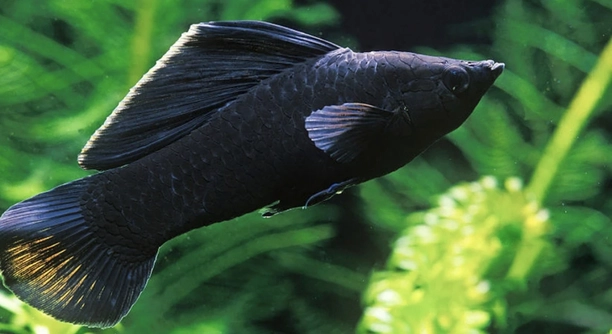
Black Mollies are small, lively fish that bring color and energy to home aquariums. Caring for them properly during quarantine ensures they remain healthy and active, even when regular routines are disrupted or supplies are limited.
During quarantine, Black Mollies require consistent water quality, adequate nutrition, temperature stability, proper tank space, mental stimulation, occasional health monitoring, and careful observation of social behavior. These factors collectively support their physiological well-being and behavioral balance in isolation.
Maintaining these essentials can help your Black Mollies thrive and prevent common health or stress issues in a home aquarium environment.
Consistent Water Quality
Maintaining clean water is essential for Black Mollies, especially during quarantine. These fish are sensitive to toxins and fluctuations in water parameters. Regular partial water changes help remove waste, uneaten food, and excess chemicals. Using a proper filtration system supports biological balance and prevents harmful ammonia or nitrite buildup. Testing water for pH, hardness, and temperature ensures a stable environment, reducing stress and illness risks. Even small tanks benefit from weekly monitoring, as changes can occur quickly in confined spaces. Avoid overfeeding, as leftover food can decay and pollute the water. If possible, use a water conditioner to neutralize chlorine and chloramines, making tap water safe. Observing the fish daily helps detect early signs of water-related issues, such as lethargy, faded colors, or unusual swimming patterns. By staying proactive with water quality, Black Mollies can maintain healthy gill function, proper metabolism, and vibrant coloration throughout quarantine.
Clean water is the backbone of a healthy aquarium, keeping your Black Mollies active and stress-free.
Regular attention to water quality prevents disease, supports immune function, and ensures a stable environment for growth. Even minor fluctuations in temperature or pH can affect behavior, appetite, and overall health. Consistent monitoring and care make it easier to notice early warning signs of illness. Combining routine water changes, proper filtration, and chemical testing creates a safe habitat. In addition, maintaining cleanliness reduces algae growth, which can deplete oxygen and increase waste. Understanding how each factor interacts allows you to respond quickly to any issues before they become serious. Black Mollies thrive when they live in an environment that mimics natural conditions as closely as possible. Temperature stability between 72–82°F, slightly alkaline pH, and moderate hardness are ideal. Regular observation of swimming patterns, gill movement, and fin condition provides insight into their well-being. By keeping water consistently clean, you ensure your fish stay vibrant, energetic, and resilient during periods of limited activity outside the tank.
Adequate Nutrition
Providing a balanced diet is critical for Black Mollies. Quality flakes, pellets, and occasional live or frozen food meet their nutritional needs.
Balanced nutrition prevents deficiencies and supports growth, reproduction, and immune strength.
Feeding small portions multiple times a day helps maintain healthy weight and prevents overfeeding. Black Mollies benefit from variety, including protein sources like brine shrimp or daphnia and plant matter such as spirulina. Avoid letting uneaten food sit for long, as it can degrade water quality and cause digestive issues. During quarantine, observing feeding behavior helps identify stress or illness early. Adjusting diet based on appetite ensures fish receive adequate energy without polluting the tank. Vitamins and supplements can be introduced occasionally to strengthen coloration and immune function. With proper feeding habits, Black Mollies remain lively, show natural behaviors, and have better resilience to environmental changes, making nutrition a cornerstone of care.
Temperature Stability
Black Mollies need stable water temperatures to remain healthy. Sudden changes can stress them and weaken their immune systems. Keeping the tank consistently between 72–82°F helps them stay active and reduces the risk of disease.
Temperature fluctuations can cause lethargy, loss of appetite, and susceptibility to infections. Using a reliable heater and thermometer ensures the tank remains within the proper range. Avoid placing the aquarium near windows, air conditioners, or heaters that could cause rapid changes. Monitoring daily allows for quick adjustments and prevents stress-induced health problems. Even small swings in temperature can impact metabolism, color, and behavior. Maintaining consistency supports natural activity levels and overall well-being.
During quarantine, uninterrupted temperature control becomes even more important since access to equipment and immediate intervention may be limited. A stable environment allows Black Mollies to focus energy on feeding, swimming, and social interactions rather than adjusting to environmental stress. It is beneficial to check water temperature multiple times daily, particularly after power outages or maintenance. Using reliable heaters with built-in thermostats reduces risks of overheating or cooling. Combining temperature stability with proper filtration and nutrition ensures the fish remain resilient. Proper temperature management during extended periods of limited attention helps prevent stress-related diseases and keeps the fish healthy and vibrant.
Proper Tank Space
Black Mollies need enough room to swim comfortably. Overcrowding can lead to stress, aggression, and stunted growth. Adequate space allows each fish to establish territories and reduces conflict.
A well-sized tank with sufficient swimming area and hiding spots encourages natural behaviors and social interaction. Each adult Black Molly requires roughly 3–5 gallons of water. Including plants and décor provides shelter and visual barriers, which help minimize stress. Overcrowding increases waste accumulation, affecting water quality and health. A spacious environment supports healthy growth, strong immune function, and normal reproductive behaviors. Proper tank planning is essential during quarantine to ensure fish remain active, avoid disease, and maintain mental stimulation.
Mental Stimulation
Black Mollies need activities to prevent boredom during quarantine. Plants, hiding spots, and gentle water currents provide engagement and encourage natural behaviors.
Interactive elements like floating toys or rearranged décor can keep them active. Stimulating their environment reduces stress and supports overall health.
Health Monitoring
Regularly checking for signs of illness is vital. Look for changes in color, fins, swimming patterns, or appetite. Early detection allows prompt treatment, preventing minor issues from becoming serious.
Monitoring behavior includes observing social interactions and noting unusual lethargy. Consistent attention ensures timely intervention, supporting long-term well-being.
Social Behavior
Black Mollies are social fish that benefit from companionship. Keeping them in small groups reduces stress and promotes natural interactions.
Observing interactions helps prevent aggression and supports a balanced, harmonious aquarium environment.
FAQ
How often should I change my Black Mollies’ water during quarantine?
Water changes are essential to keep Black Mollies healthy. Ideally, perform a 20–25% water change once a week. This removes waste, uneaten food, and harmful chemicals that can accumulate. If the tank is smaller than 10 gallons, consider slightly more frequent changes to maintain stability. Always use dechlorinated water at a similar temperature to avoid stressing the fish. Regular monitoring of water parameters like ammonia, nitrite, and pH will help determine if adjustments are needed. Consistency is key, especially during quarantine when other environmental changes might be limited.
What is the best diet for Black Mollies in isolation?
A varied diet supports health, color, and immune function. High-quality flakes or pellets should form the staple diet. Supplementing with live or frozen foods like brine shrimp or daphnia provides protein and encourages natural hunting behaviors. Occasional vegetables like blanched spinach or spirulina can support digestion and provide necessary fiber. Feed small amounts two to three times daily, only what they can consume in a few minutes, to prevent overfeeding. Rotating food types keeps the diet balanced and reduces boredom. Monitoring appetite can indicate stress or illness early, allowing for timely intervention.
Can Black Mollies live alone during quarantine?
Black Mollies are social fish and generally do better in groups of at least three. Alone, they may become stressed, exhibit unusual behaviors, or lose appetite. If isolation is unavoidable, provide extra environmental enrichment like plants, hiding spots, and gentle water currents to reduce stress. Frequent observation is necessary to detect early signs of lethargy or behavioral issues. Even with enrichment, prolonged isolation is not ideal for long-term health and social well-being.
How do I prevent diseases while quarantining my Black Mollies?
Maintaining clean water, stable temperature, and a balanced diet are critical to disease prevention. Avoid overcrowding and stress-inducing conditions, as stress weakens immune systems. Regular observation helps detect early signs of illness such as white spots, fin rot, or unusual swimming. Quarantine new fish before introducing them into the main tank to reduce the risk of introducing pathogens. Using a high-quality filtration system and avoiding overfeeding also minimizes waste buildup and bacterial growth.
What tank size is appropriate for Black Mollies in quarantine?
Each adult Black Molly needs 3–5 gallons of water. For a small group, a 15–20 gallon tank provides sufficient swimming space and reduces stress. Include plants and décor to offer hiding spots and visual barriers. Adequate space ensures proper growth, natural behaviors, and social interaction. Overcrowding increases aggression, waste buildup, and health risks. During quarantine, a properly sized tank simplifies water maintenance and allows for safer monitoring of each fish’s behavior and health.
How can I keep my Black Mollies active in a limited space?
Provide vertical and horizontal swimming areas by arranging plants and décor thoughtfully. Gentle water currents encourage movement and mimic natural conditions. Rearranging decorations occasionally stimulates exploration and curiosity. Feeding in different areas of the tank encourages activity. Even in smaller tanks, enrichment like floating objects or live plants can reduce boredom, support mental stimulation, and promote natural behaviors during quarantine.
What are the signs of stress in Black Mollies?
Stress in Black Mollies may show as faded coloration, clamped fins, lethargy, loss of appetite, or erratic swimming. Increased hiding or aggression can also indicate stress. Monitoring these signs allows early intervention through water quality adjustments, temperature stabilization, or improved diet. Stress reduction is vital during quarantine to prevent illness.
Can Black Mollies breed during quarantine?
Yes, Black Mollies can breed if conditions are optimal. Provide stable water parameters, balanced nutrition, and hiding places for fry. If overcrowding occurs, separate adults from fry to prevent predation. Breeding may increase stress on the main population, so careful observation and management are necessary. Ensuring adequate space and resources supports both adult fish and fry health.
How do I maintain water temperature consistently?
Use a reliable heater with a built-in thermostat to keep temperatures between 72–82°F. Place the tank away from drafts, air conditioners, or direct sunlight. Regularly check the thermometer to detect fluctuations. Stable temperature supports metabolism, immune function, and natural behavior patterns. Sudden changes can cause stress and illness.
Are there supplements that help Black Mollies during quarantine?
Occasional vitamin or mineral supplements can strengthen coloration and immunity. Use sparingly and follow manufacturer instructions. Overuse can pollute water and harm fish. Supplements are most effective when combined with a balanced diet, clean water, and a stable environment. They act as support, not a replacement for proper care.
Black Mollies are delicate but resilient fish that respond well to consistent care, even during quarantine. Providing them with clean water, a balanced diet, stable temperatures, and proper tank space helps ensure they remain healthy and active. Paying attention to their environment and behavior allows for early detection of potential problems, reducing the risk of disease or stress-related issues. These small steps, when done consistently, can make a significant difference in their overall well-being. Even minor changes in water quality or diet can affect their color, energy, and appetite, so monitoring these factors closely is essential. Creating a calm and predictable environment helps the fish adapt to the temporary limitations that quarantine may impose, keeping them vibrant and lively throughout the period.
In addition to physical care, mental stimulation is equally important for Black Mollies. Providing plants, hiding spots, or gentle water currents encourages natural exploration and swimming behavior, which reduces boredom and stress. Observing social interactions within the tank can help maintain harmony, as these fish are naturally social and often rely on small groups for comfort. Even simple changes, like rearranging décor or offering live or frozen foods, can engage their senses and support mental well-being. Stress reduction is crucial because prolonged anxiety or lack of stimulation can weaken their immune system and make them more susceptible to illness. By combining environmental enrichment with proper nutrition and water maintenance, Black Mollies are better able to stay healthy, energetic, and exhibit natural behaviors, even in a restricted quarantine setting.
Finally, regular monitoring and observation are key components of successful Black Molly care during quarantine. Watching for changes in color, fin condition, swimming patterns, and appetite allows for prompt intervention if something seems off. Maintaining appropriate tank size, water parameters, and a balanced diet prevents common health problems and supports long-term vitality. While quarantine may limit interactions outside the tank, consistent attention to these fundamental needs ensures that the fish thrive in a controlled environment. Thoughtful, steady care builds a strong foundation for their health and well-being, creating a supportive habitat where they can continue to swim actively and interact naturally. These practices not only protect their physical health but also promote a sense of stability that keeps Black Mollies calm, engaged, and resilient during periods of limited external activity.

Hello,
If you enjoy the content that we create, please consider saying a "Thank You!" by leaving a tip.
Every little bit helps us continue crafting quality advice that supports the health, happiness, and well-being of pets around the world, for pets of all shapes, sizes, and species.
We really appreciate the kindness and support that you show us!