
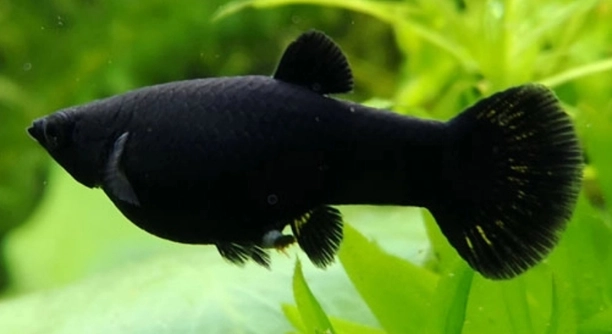
Black Mollies are usually peaceful fish, but sometimes they show aggression toward tank mates. Their behavior can be surprising, leaving aquarists unsure how to keep the tank calm and balanced for everyone. Observing them closely is important.
Aggressive behavior in Black Mollies often arises from competition for food, territory, or breeding rights. Providing adequate space, hiding spots, and a consistent feeding routine can reduce aggression and maintain a stable social structure within the aquarium environment.
Learning how to manage these behaviors can make your tank more peaceful and enjoyable for all fish in the long term.
Understanding Black Molly Aggression
Black Mollies may act aggressively for several reasons. They are naturally territorial, and overcrowding can make them more likely to chase or nip other fish. Males are often more dominant, especially during breeding periods. Competition for food also triggers aggression, as stronger fish push weaker ones aside. Stress from poor water quality or sudden changes in the tank environment can increase irritability. Providing a stable environment with consistent temperature, clean water, and proper filtration reduces stress and helps mollies behave more calmly. Observing fish behavior regularly helps identify early signs of tension, like chasing, tail nipping, or hiding. Adding plants, rocks, and decorations can create hiding spots, allowing fish to escape aggressive peers. Balancing male-to-female ratios also minimizes conflicts during breeding. Recognizing the triggers for aggression helps aquarists adjust tank conditions before issues escalate. Small changes can make a big difference, making the tank more peaceful and improving fish health and longevity.
Aggression usually decreases when the tank is spacious, and hiding places are abundant. Mollies need room to swim and escape confrontations.
Adjusting the tank layout can dramatically reduce conflicts. Adding floating plants and ornaments gives timid fish shelter, while rearranging decorations occasionally prevents established territories from becoming too rigid. Providing multiple feeding stations reduces competition for food. Keeping only a few males with more females minimizes fights over mates. Monitoring water parameters is key—poor quality stresses fish and increases aggression. Even slight changes in pH or temperature can cause tension among mollies. Regular observation lets you see patterns and act before small disputes escalate. Over time, fish adapt to improved conditions and display calmer social behavior. It takes patience and careful attention, but creating a stable, enriched environment ensures mollies coexist peacefully. These steps not only lower aggression but also promote healthier, happier fish. Consistency is essential, as sudden changes can undo progress.
Feeding Strategies to Reduce Aggression
Feeding Black Mollies properly can prevent fights and competition in the tank. Balanced portions and scheduled feeding times are essential to keep everyone satisfied.
Distributing food in multiple spots helps reduce aggression during meals, allowing weaker fish to eat without being chased.
Overfeeding or underfeeding can both worsen aggression. Feeding once or twice daily with high-quality flakes, pellets, or frozen foods ensures fish receive enough nutrients. Spreading food throughout the tank prevents dominant mollies from monopolizing meals. Observing how mollies eat helps identify timid fish that might need extra attention. Supplementing with vegetables like zucchini or spinach provides variety and supports health. Feeding in consistent amounts reduces anxiety, as fish know when to expect meals. Uneaten food should be removed to maintain water quality, as decaying food increases stress and irritation. Over time, mollies become less competitive during feeding, creating a calmer tank atmosphere. Proper feeding also boosts immunity, helping fish resist disease and cope with minor conflicts. Adjusting the diet and feeding methods is a practical, effective way to manage aggression without altering tank composition.
Tank Size and Environment
A spacious tank helps mollies reduce aggressive behavior. Crowded tanks increase chasing and nipping, while hiding spots give timid fish a chance to escape.
Providing at least 20 gallons for a small group of mollies is ideal. Plants, rocks, and decorations create territories and break lines of sight, reducing constant confrontation. Mollies feel safer with space to swim freely and areas to hide. Regularly rearranging decorations prevents fish from claiming fixed territories, which can lead to repeated fights. Open swimming areas combined with shelter give both dominant and shy mollies balance, encouraging peaceful interactions. Proper water circulation and stable parameters also contribute to a calmer tank, as sudden changes can stress fish and trigger aggression. Observing behavior after adjustments helps refine tank setup further.
Even small changes in the environment can dramatically influence aggression levels. Adding a few more hiding places or moving decorations slightly often calms the tank.
Changing the layout periodically discourages rigid territorial behavior. Mollies are territorial by nature, and established boundaries can increase conflict. By introducing new plants or rearranging rocks, fish must explore and adapt, which spreads out their attention and reduces aggression. Floating plants provide shade and extra cover, while taller plants create vertical layers for swimming. Mollies benefit from both open space and concealed areas, balancing dominance and safety. Maintaining clean water and stable temperatures prevents stress-induced fights. With careful observation, you can notice which areas are favored and adjust accordingly. Over time, mollies settle into a more peaceful social order, making the aquarium environment healthier for everyone.
Compatible Tank Mates
Choosing the right tank mates reduces bullying and stress among Black Mollies. Peaceful, similarly sized fish work best.
Small, calm fish like guppies, platies, or tetras coexist well. Avoid aggressive or very territorial species that provoke conflicts.
When selecting tank mates, consider size, temperament, and activity level. Mollies thrive with fish that swim in similar areas without constantly challenging them. Avoid overcrowding to reduce competition for space and food. Introduce new fish gradually and monitor interactions closely. Fish that are too timid may hide constantly, while overly assertive species can escalate aggression. Having multiple fish of the same type spreads attention and prevents dominance over a single individual. Choosing compatible species creates a balanced, peaceful community, improving health and reducing stress. Over time, mollies adjust to their tank mates, and overall aggression decreases, allowing for a calmer aquarium atmosphere.
Monitoring Behavior
Regular observation helps prevent small disputes from escalating. Watching fish daily allows you to catch aggressive behavior early.
Look for chasing, nipping, or hiding patterns. Noticing these signs quickly lets you adjust tank conditions before stress becomes serious.
Male-to-Female Ratio
Keeping more females than males reduces constant fighting. A ratio of at least two or three females per male helps spread attention. This prevents any single female from being harassed excessively. Balancing the ratio also makes breeding less stressful and lowers territorial disputes.
Water Quality
Stable water conditions are essential for calm mollies. Maintaining proper pH, temperature, and cleanliness reduces stress-induced aggression.
Separation When Needed
Aggressive individuals may require temporary isolation. A separate tank or divider prevents injuries and gives fish time to calm down.
FAQ
Why is my Black Molly so aggressive?
Aggression in Black Mollies often comes from competition for territory, food, or mates. Males are more likely to chase others during breeding periods. Stress from overcrowding, poor water quality, or sudden changes in the tank can also increase irritability. Observing behavior and adjusting conditions early helps reduce tension.
How can I tell if aggression is serious?
Serious aggression includes repeated chasing, nipping, and hiding of weaker fish. Injuries like torn fins, constant stress, or loss of appetite indicate that the tank environment needs attention. Early intervention prevents long-term health problems for all fish in the aquarium.
Can tank decorations help reduce aggression?
Yes. Adding plants, rocks, and hiding spots breaks lines of sight and provides safe areas for timid fish. Rearranging decorations occasionally prevents fish from claiming fixed territories, which helps reduce repeated conflicts. Floating plants and tall vegetation also create vertical layers for swimming.
What is the ideal male-to-female ratio?
A good balance is at least two or three females for every male. This reduces the chances of a single female being harassed constantly and lowers male competition. Proper ratios make breeding less stressful and encourage calmer social behavior.
How important is tank size?
Tank size is crucial. Crowded tanks increase aggression, while spacious setups give fish room to swim and escape confrontations. A minimum of 20 gallons for a small group is recommended, with larger tanks needed for bigger groups. Open swimming areas combined with hiding spots create a balanced environment.
How should I feed aggressive Black Mollies?
Distribute food in multiple spots to reduce competition. Feed once or twice daily with high-quality flakes, pellets, or frozen foods. Include vegetables like zucchini or spinach for variety. Observing feeding behavior ensures timid fish get enough food without being bullied. Remove uneaten food to maintain water quality.
Can water quality affect aggression?
Yes. Poor water quality stresses fish, making them more irritable. Stable temperature, proper pH, and clean water reduce aggression. Regular water changes and monitoring of water parameters are essential. Even slight fluctuations can trigger tension and lead to fights.
Should aggressive mollies be separated?
Sometimes, yes. Temporarily isolating particularly aggressive fish in a separate tank or using a divider prevents injuries and allows them to calm down. Isolation should be short-term while adjustments are made to tank size, decorations, or social balance.
Do mollies calm down over time?
With proper tank management, mollies often become less aggressive. Space, hiding spots, balanced ratios, compatible tank mates, and good feeding routines help them establish a peaceful social structure. Careful observation and consistent conditions encourage calmer behavior over time.
Are there fish that should never be kept with Black Mollies?
Avoid aggressive or territorial species that may provoke fights. Fish much larger or more aggressive than mollies can stress or injure them. Peaceful, similarly sized species like guppies, platies, and tetras are better companions. Proper selection prevents unnecessary aggression in the tank.
Can stress make mollies sick?
Yes. Chronic stress from aggression, overcrowding, or poor water quality weakens the immune system. Stressed mollies are more prone to diseases like fin rot, fungal infections, or internal parasites. Reducing stress through tank management improves both behavior and overall health.
How often should I observe my tank?
Daily observation is ideal. Short checks help identify early signs of aggression or illness. Watching interactions regularly allows you to adjust conditions, food distribution, or decorations before problems escalate. Consistent monitoring ensures a healthier, calmer aquarium environment for all fish.
Is rearranging the tank decorations helpful?
Yes. Moving plants, rocks, or ornaments disrupts established territories, reducing repeated confrontations. Mollies must adapt to new layouts, which spreads attention and decreases dominance disputes. Periodic rearrangement combined with adequate hiding spots keeps the tank environment dynamic and peaceful.
Can adding more fish reduce aggression?
Adding more fish of the same type can spread attention, preventing one fish from being targeted repeatedly. However, this only works if the tank is large enough to prevent overcrowding. More space and hiding areas are necessary for this approach to be effective.
Do Black Mollies fight more during breeding?
Yes. Males become more competitive and territorial when breeding. Providing more females than males, sufficient space, and hiding places reduces constant harassment. Careful observation during breeding periods is important to prevent injuries and stress.
How do I know if hiding spots are enough?
If timid fish rarely get chased and can retreat comfortably, hiding spots are sufficient. Multiple small shelters, tall plants, and floating cover help fish feel safe. Adjust the layout if chasing continues or certain areas are overcrowded.
Can aggression be completely eliminated?
Aggression can rarely be eliminated entirely, as it is natural behavior. The goal is to reduce stress and fighting through proper tank management, hiding spaces, feeding strategies, and social balance. With consistent care, most fish coexist peacefully.
Does tank lighting affect behavior?
Lighting impacts activity levels. Bright or sudden changes in lighting may increase stress and aggression. Soft, consistent lighting with natural day-night cycles helps mollies feel secure and less irritable.
Is monitoring water temperature necessary?
Yes. Fluctuating temperatures stress fish and can trigger aggression. Keep the tank within 75–82°F for optimal comfort. Stable water conditions support calm behavior and overall health.
What signs indicate a peaceful tank?
Fish swim freely without constant chasing. Fin damage is minimal, and timid fish explore the tank confidently. Balanced feeding and calm interactions indicate a healthy social environment.
How long does it take for mollies to settle?
With proper tank management, mollies usually adjust within a few weeks. Space, hiding spots, compatible mates, and stable water conditions all contribute to calmer, predictable behavior over time. Regular observation ensures continued balance.
This FAQ provides detailed answers to common issues and strategies for managing aggressive Black Mollies, helping create a calmer, healthier aquarium environment.
Would you like me to continue with the next header in the article?
Black Mollies are generally peaceful fish, but their occasional aggression can make managing a community tank challenging. Understanding why they act aggressively is the first step toward creating a balanced environment. Aggression often comes from competition for food, territory, or mates. Males can become more dominant during breeding, and overcrowded tanks can increase stress levels for all fish. Stressful conditions, like poor water quality or sudden changes in the tank, also make mollies more irritable. Observing their behavior closely and taking preventive steps early can reduce the chance of serious conflicts. Small adjustments, like adding hiding spots or rearranging decorations, can make a noticeable difference in how fish interact. Over time, with proper care, mollies tend to settle into a calmer social order, allowing all fish to coexist peacefully.
Proper tank management is essential for reducing aggressive behavior. Space, hiding spots, and balanced male-to-female ratios play a critical role in keeping the tank calm. A minimum of 20 gallons is recommended for a small group, and more space is needed for larger numbers of fish. Adding plants, rocks, and ornaments provides safe areas for timid fish to retreat while also breaking up the tank visually to reduce territorial disputes. Rearranging decorations occasionally prevents fish from establishing fixed territories, which can lead to repeated conflicts. Feeding practices also matter. Distributing food in multiple locations ensures weaker fish can eat without being chased, while high-quality diets keep all fish healthy. Consistent water parameters, including temperature, pH, and cleanliness, reduce stress and aggression further. Monitoring behavior regularly allows you to spot early warning signs, such as chasing, fin nipping, or hiding, so adjustments can be made before serious injuries occur.
Even with proper care, some aggression is natural and cannot be completely eliminated. The goal is to manage behavior so that conflicts are minimal and fish remain healthy. Temporary separation of overly aggressive individuals may be necessary at times, but with a well-planned tank layout, compatible tank mates, and careful attention to feeding and water quality, most issues can be resolved. Mollies respond well to environments that combine open swimming areas with plenty of cover, balanced social groups, and stable living conditions. Patience and consistency are key. By taking these steps, your aquarium can become a calmer, more enjoyable space, allowing Black Mollies to thrive alongside other fish. Observing their interactions, adjusting the tank setup as needed, and maintaining stable water conditions ensures both peace and long-term health for all the inhabitants of your aquarium.

Hello,
If you enjoy the content that we create, please consider saying a "Thank You!" by leaving a tip.
Every little bit helps us continue crafting quality advice that supports the health, happiness, and well-being of pets around the world, for pets of all shapes, sizes, and species.
We really appreciate the kindness and support that you show us!