
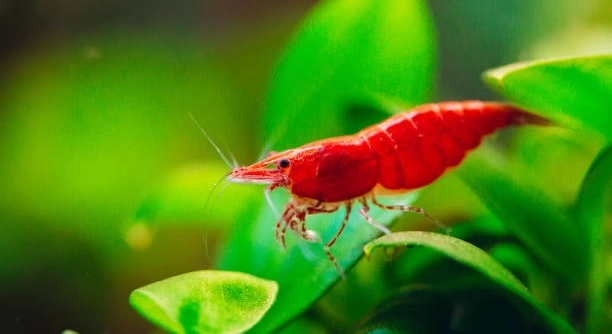
Cherry shrimp are fascinating little creatures that often display unusual behaviors in aquariums. Observing them stacking on top of each other can be surprising for new shrimp keepers. This behavior is more common than many realize.
Stacking among cherry shrimp is typically linked to molting, stress, or social interaction. When preparing to shed their exoskeleton, shrimp may cluster for protection or balance. Environmental factors such as water quality and overcrowding can also influence this stacking behavior.
Understanding why your shrimp behave this way can help maintain a healthy tank environment and ensure their well-being. Proper observation can reveal patterns and improve shrimp care.
Reasons Cherry Shrimp Stack on Each Other
Cherry shrimp often stack on top of each other due to molting, social behavior, or stress. During molting, they shed their exoskeleton, and clustering provides safety from potential threats. Overcrowded tanks or sudden changes in water parameters can also trigger this behavior. It is common to see smaller shrimp climbing over larger ones as they search for secure spaces. Some shrimp stack simply for stability while feeding or resting. Water temperature, pH, and hardness may subtly influence how often stacking occurs, making it important to maintain consistent conditions. Observation helps identify whether stacking is normal or a sign of stress. By understanding these behaviors, caretakers can adjust tank conditions and create a safer environment. Even minor changes in lighting or decorations can affect shrimp movement and interactions. Monitoring shrimp regularly ensures any concerning patterns are addressed quickly, promoting overall tank health and shrimp comfort.
Stacking is generally harmless if water conditions are stable and shrimp are eating well.
Careful monitoring and maintaining stable water conditions are key to preventing stress-related stacking. Providing hiding spots, spreading food evenly, and keeping tank density moderate reduces competition and encourages natural behaviors. Regular water testing helps catch any issues early. Over time, shrimp adapt to their environment, and stacking may occur less frequently.
How to Support Healthy Shrimp Behavior
Maintaining stable water parameters is essential for cherry shrimp health. Regular testing for ammonia, nitrite, nitrate, pH, and temperature helps prevent stress. Adequate hiding spaces such as plants, moss, or small ornaments give shrimp areas to retreat during molting or social interactions. Feeding small, consistent portions reduces competition and overcrowding near food, which can increase stacking incidents. Gentle water flow and moderate tank density also encourage natural movement. Observation is important; noticing changes in color, activity, or clustering patterns can indicate issues before they escalate. A balanced approach to tank care ensures shrimp thrive without excessive stress.
Providing consistent water conditions, hiding spots, and proper nutrition supports natural shrimp behavior. Monitoring shrimp interactions allows caretakers to identify potential issues early and adjust tank care. Maintaining moderate stocking levels and distributing food properly reduces stacking and competition, helping shrimp feel secure. Adjusting lighting, decorations, and flow creates a calmer environment. Understanding shrimp behavior and responding to subtle changes promotes long-term health. These steps also improve breeding success and reduce aggressive interactions. Observing shrimp during feeding or molting gives insight into their comfort and helps maintain a balanced aquarium. Proper care ensures that stacking becomes a normal, non-problematic behavior rather than a sign of stress or imbalance.
Common Signs of Stress in Cherry Shrimp
Shrimp may display unusual stacking, lethargy, or color fading when stressed. Molting problems or hiding excessively are also signs. Stress can come from poor water quality, overcrowding, or sudden changes in temperature or pH. Observing these behaviors early is key to intervention.
Stress in cherry shrimp often shows through physical changes and altered behavior. They may stack more frequently or cling to surfaces for safety. Dull colors or lack of appetite can indicate poor water conditions or disease. Overcrowded tanks increase competition and aggression, while sudden temperature swings or pH shifts can trigger stress responses. Providing stable water parameters, adequate hiding spots, and a balanced diet helps reduce stress. Regularly checking water quality and maintaining tank hygiene can prevent most environmental stressors. Observing shrimp behavior daily allows caretakers to notice subtle changes before they become severe.
Identifying stress quickly helps improve shrimp health and prevents more serious problems. Adjustments in tank care, like spacing and filtration, can reduce stacking behavior caused by discomfort. Consistent feeding and gentle maintenance encourage natural activity and support molting. Stress management improves survival rates and keeps shrimp active. By paying attention to shrimp responses, it is possible to maintain a calmer, healthier aquarium. Over time, shrimp will adapt to their environment and stacking behavior may decrease naturally, reflecting their comfort and safety in the tank.
Environmental Factors Affecting Stacking
Water quality, tank size, and decorations influence shrimp stacking. Poor filtration or fluctuating parameters can make shrimp seek higher or safer areas. Overstocked tanks increase physical contact and competition, prompting clustering. Natural hiding spots and stable conditions help maintain normal behavior and reduce unnecessary stacking.
Environmental factors play a major role in how cherry shrimp interact. Shrimp are sensitive to ammonia, nitrite, and nitrate levels; even minor imbalances can lead to unusual behaviors like stacking. Limited space or insufficient shelter increases stress, as shrimp have fewer areas to retreat during molting or feeding. Smooth surfaces, moss, and plants provide climbing and resting spaces, reducing the need for shrimp to pile on each other. Water flow and temperature consistency also affect comfort levels, influencing activity patterns and social interactions. Observing how shrimp distribute themselves in the tank can indicate whether the environment meets their needs. Properly designed habitats support normal movement, prevent overcrowding, and encourage natural behaviors.
Maintaining stable conditions, adequate space, and well-placed decorations allows shrimp to behave naturally. Regular monitoring of water quality and observing shrimp distribution can prevent stacking caused by environmental stress. Adjusting tank parameters and providing plenty of hiding spots encourages calmer behavior. Proper tank design reduces competition and promotes healthier interactions.
Molting and Stacking
Molting is a critical process for cherry shrimp, during which they shed their exoskeleton. Shrimp often stack to protect themselves while vulnerable. They may cling to surfaces or each other for stability until their new shell hardens.
During molting, shrimp are soft and defenseless. Stacking can provide safety by reducing exposure to potential threats. Ensuring hiding spots and gentle water flow helps shrimp molt successfully. Stress-free conditions reduce the need for excessive clustering and promote healthy growth.
Feeding Behavior and Clustering
Cherry shrimp often gather when food is introduced. They may climb over each other to reach the best spots. Properly distributed feeding reduces competition and excessive stacking. Regular, small portions help maintain calm feeding habits and ensure all shrimp get enough nutrition.
Tank Size and Population Density
Smaller tanks or overstocked environments increase stacking behavior. Limited space forces shrimp into closer contact, raising stress levels. Maintaining moderate population density allows shrimp to move freely and reduces competition for territory, feeding, and hiding spaces.
Observing Natural Behavior
Regular observation helps identify whether stacking is normal or stress-related. Watching shrimp interactions over time provides insight into their comfort and environment.
FAQ
Why do cherry shrimp stack on top of each other?
Cherry shrimp often stack due to molting, stress, or social interaction. During molting, they are vulnerable and may cling to each other or nearby surfaces for protection. Stress from poor water conditions, overcrowding, or sudden changes in temperature or pH can also lead to more frequent stacking. Observing behavior closely helps determine the cause.
Is stacking harmful to my shrimp?
In most cases, stacking is harmless. It is a natural behavior, especially during molting or when feeding. However, if shrimp are stacking excessively, it can indicate stress or environmental issues. Ensuring stable water parameters, adequate hiding spots, and moderate population density can prevent harmful effects.
How can I reduce stacking caused by stress?
Maintaining stable water quality is essential. Regular testing of ammonia, nitrite, nitrate, pH, and temperature helps prevent stress. Providing enough hiding spaces and spreading food evenly reduces competition. Gentle water flow and moderate tank density also encourage calmer behavior. Observing shrimp daily allows you to spot subtle signs of stress early.
Does tank size affect stacking behavior?
Yes, smaller tanks or overcrowded conditions often lead to more stacking. Limited space forces shrimp into closer contact, increasing competition and stress. Maintaining a moderate population density and providing enough hiding spots allow shrimp to move freely and reduce unnecessary clustering.
Can water quality issues cause stacking?
Poor water quality is a common trigger for stacking. Ammonia, nitrite, or nitrate spikes, unstable pH, or sudden temperature changes can stress shrimp, prompting clustering for security. Regular water testing and consistent maintenance help ensure a safe environment and reduce stress-induced stacking.
Is stacking related to feeding behavior?
Yes, feeding can encourage stacking. Shrimp may pile on each other to reach food, especially if it is concentrated in one area. Offering small, evenly distributed portions helps all shrimp eat comfortably and reduces excessive clustering during mealtime.
How does molting influence stacking?
Molting shrimp are soft and defenseless, making them more likely to stack for protection. They may cling to other shrimp or decorations to stay safe until their new exoskeleton hardens. Providing hiding spaces and gentle water flow reduces stress during molting and encourages successful shell shedding.
Can decorations or tank layout affect stacking?
Yes, tank setup can influence stacking. Shrimp need adequate surfaces to climb and hiding spots to retreat. Dense plant coverage, moss, and small ornaments allow shrimp to spread out. A thoughtful tank layout minimizes overcrowding in one area and encourages natural movement.
Should I separate shrimp if they stack too much?
Separating shrimp is rarely necessary unless stacking leads to aggression or severe stress. Adjusting environmental factors like water parameters, feeding practices, and tank density is usually more effective. Creating more hiding spaces and spreading food evenly often resolves stacking issues without moving shrimp.
When should I be concerned about stacking?
Stacking becomes concerning if it is accompanied by lethargy, color fading, refusal to eat, or molting problems. These signs indicate stress or illness. Promptly testing water quality, checking for overcrowding, and observing shrimp behavior can help prevent serious problems and keep your tank healthy.
Does temperature impact stacking?
Temperature changes can affect shrimp activity and stress levels. Sudden drops or spikes in water temperature may increase stacking as shrimp seek comfort or safety. Maintaining a consistent temperature appropriate for cherry shrimp helps reduce stress-related behaviors and supports healthy activity levels.
How can I encourage natural behavior in my shrimp?
Providing stable water conditions, a moderate population, and plenty of hiding spots encourages natural movement and reduces unnecessary stacking. Regular observation helps you notice changes in behavior, allowing adjustments to tank setup or care routines. This promotes calm, active shrimp and a healthier aquarium overall.
Can breeding influence stacking?
Breeding shrimp may stack more often, as females carrying eggs or males competing for mates may cluster. Ensuring sufficient space, hiding spots, and evenly distributed food helps reduce competition and allows breeding shrimp to interact naturally without stress.
Does the type of food affect stacking?
Yes, the way food is offered influences stacking. Large or concentrated food portions can lead to competition and piling. Using small, dispersed feedings ensures all shrimp can access food comfortably and reduces clustering during mealtime.
Are younger shrimp more likely to stack?
Juvenile shrimp may stack more frequently as they are smaller, more vulnerable, and still learning to navigate the tank. Providing plenty of moss, plants, and hiding areas allows young shrimp to explore safely and reduces stress-induced stacking.
How long does stacking usually last?
Stacking behavior is often temporary, lasting from a few minutes to several hours, depending on the cause. Molting or feeding-related stacking is brief, while stress-induced stacking may persist until environmental conditions improve. Monitoring patterns helps determine the reason and necessary adjustments.
Can tankmates influence stacking?
Yes, other shrimp or fish can impact stacking. Aggressive or fast-moving tankmates may stress shrimp, causing them to cluster for protection. Choosing compatible tankmates and providing plenty of hiding spaces minimizes stress and reduces excessive stacking behavior.
Is stacking more common at certain times of day?
Shrimp activity varies with light cycles and feeding schedules. Stacking may increase during feeding or molting times. Observing shrimp over several days helps identify normal patterns and distinguishes temporary clustering from stress-related behavior.
What equipment helps reduce stacking?
Good filtration, stable heaters, and gentle water flow promote a healthy environment. Proper equipment ensures water quality remains consistent and reduces stress that can lead to stacking. Avoid strong currents that may force shrimp into tight spaces or cause unnecessary climbing.
Can stacking indicate disease?
While stacking alone is usually not a sign of illness, combined with lethargy, discoloration, or poor molting, it can indicate health problems. Promptly checking water parameters and monitoring shrimp closely helps detect and address potential disease early.
Final Thoughts
Cherry shrimp stacking is a common behavior that can happen for a variety of reasons, including molting, feeding, or stress. Observing them pile on top of each other might seem unusual at first, but it is often a normal part of their behavior. Molting is a vulnerable time for shrimp, and clustering provides protection until their new exoskeleton hardens. Feeding can also lead to temporary stacking, especially if food is concentrated in one area. Environmental factors, such as tank size, population density, and water quality, influence how often this behavior occurs. By paying attention to these factors, caretakers can ensure that stacking remains a natural and safe behavior rather than a sign of ongoing stress. Regular observation is key to understanding your shrimp and responding to their needs effectively.
Maintaining stable water parameters is one of the most important steps to keep your shrimp comfortable and healthy. Ammonia, nitrite, nitrate, pH, and temperature should be monitored regularly, as fluctuations in any of these can trigger stress and clustering. Providing hiding spots like moss, plants, or small decorations gives shrimp spaces to retreat during molting or when they need to feel secure. Tank layout and population density also play a role in shrimp behavior. Overcrowded tanks or limited hiding areas increase competition and can lead to more frequent stacking. Ensuring that food is offered in small, evenly distributed portions prevents competition-related stacking and promotes calmer feeding behavior. A balanced approach to tank care supports both physical health and natural behavior.
Stacking behavior, while sometimes surprising, can provide insight into the overall condition of your tank and the well-being of your shrimp. Observing patterns over time helps identify whether stacking is temporary, related to molting or feeding, or if it indicates stress that needs to be addressed. Adjustments such as improving water quality, adding hiding spaces, moderating tank population, or distributing food more evenly can reduce unnecessary stacking and support a healthier environment. Understanding these behaviors allows shrimp to thrive, encourages natural activity, and improves long-term survival rates. With consistent care, attention, and a well-maintained tank, stacking becomes a harmless part of cherry shrimp life rather than a problem. Maintaining this balance helps ensure that your shrimp remain active, comfortable, and safe, making your aquarium a stable and thriving habitat.

Hello,
If you enjoy the content that we create, please consider saying a "Thank You!" by leaving a tip.
Every little bit helps us continue crafting quality advice that supports the health, happiness, and well-being of pets around the world, for pets of all shapes, sizes, and species.
We really appreciate the kindness and support that you show us!