
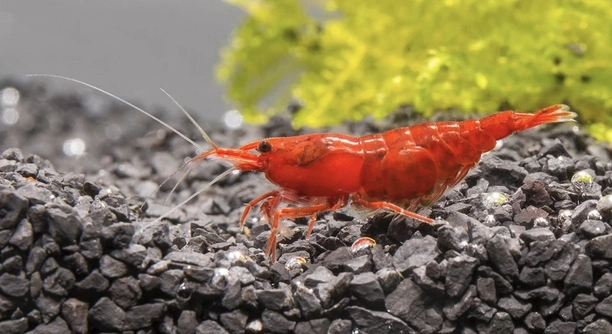
Have you ever thought about keeping cherry shrimp at home but wondered how much equipment they really need to thrive? Many new shrimp owners find themselves questioning whether every accessory in the tank is truly necessary.
Cherry shrimp can survive without an air pump, as they obtain oxygen directly from the water. However, maintaining proper water circulation and cleanliness is essential to prevent oxygen depletion and ensure the shrimp remain healthy over time.
Maintaining the right environment involves more than just an air pump, and understanding these subtle factors can improve the shrimp’s well-being significantly.
How Cherry Shrimp Breathe Without an Air Pump
Cherry shrimp rely on gills to extract oxygen directly from the water, which allows them to survive even in tanks without an air pump. Still, they need clean, well-maintained water because stagnant water can reduce oxygen levels quickly. I’ve noticed that in smaller tanks, proper filtration and occasional water movement from gentle currents make a noticeable difference. Plants also play a helpful role. Live plants release oxygen during the day, supporting the shrimp naturally. Even a few small snails or moss decorations can improve circulation around the tank. While air pumps help by adding bubbles and movement, they are not strictly required if you maintain water quality, temperature, and some form of mild circulation. Observing the shrimp carefully will let you know if they are comfortable. Shrimp that stay near the surface for long periods may indicate low oxygen, signaling a need for extra water flow or aeration.
Without strong water flow, cherry shrimp can still thrive if tank care is consistent and regular.
Maintaining the right environment means focusing on water changes, tank cleaning, and balancing temperature and pH levels. I learned that regular partial water changes, even weekly, prevent buildup of waste that can reduce oxygen. Adding live plants helps keep oxygen levels stable, while gentle filtration ensures movement without stressing the shrimp. Shrimp prefer calm water, so heavy currents or aggressive pumps can cause harm. Even without an air pump, small interventions like floating plants or occasional stirring of the water surface can improve oxygen distribution. Observing their behavior is key; healthy shrimp are active, feed normally, and don’t cling to the surface constantly. Choosing a tank with some natural plants, moss, and gentle decoration makes it easier for them to hide and feel secure. Proper feeding, without overfeeding, also prevents water quality problems. It’s a simple balance: clean water, mild circulation, and attentive observation will keep cherry shrimp thriving naturally.
Signs Your Cherry Shrimp Needs More Oxygen
Shrimp that cling to the water surface or gasp frequently may need additional oxygen or water movement.
Low oxygen can lead to stress, slow growth, and even death. Cherry shrimp are small and sensitive, so small changes in water quality matter a lot. Adding floating plants, moss, or even a sponge filter can improve oxygen levels without creating strong currents. Watch their behavior daily. Active, moving shrimp indicate healthy oxygen levels, while lethargic shrimp signal a problem. Tanks with high stocking density need more careful monitoring because more shrimp consume more oxygen. Temperature also affects oxygen levels; warmer water holds less oxygen, so be mindful during hot days. Simple maintenance like partial water changes, removing uneaten food, and checking filter efficiency will keep conditions safe. Even without an air pump, these small adjustments ensure your shrimp live in a stable, healthy environment.
Regular observation and proactive care are essential for shrimp health. I’ve found that keeping a consistent schedule for water changes and cleaning helps me notice small changes before they become serious problems. Temperature control is crucial; cherry shrimp prefer slightly cooler water, as warm water reduces oxygen and increases stress. Stocking density affects both oxygen and overall tank cleanliness, so avoid crowding the tank. Providing plants, moss, and gentle decorations not only creates hiding spaces but also contributes to oxygenation. Even subtle water movement from a sponge filter or gentle stirring can prevent stagnant zones. Feeding habits matter too; overfeeding leads to decaying food that depletes oxygen and pollutes the tank. By combining observation with these small, regular interventions, the shrimp remain active, vibrant, and reproduce successfully. It’s less about complicated equipment and more about consistent, thoughtful care to maintain a balanced tank environment.
Tank Setup Without an Air Pump
Cherry shrimp can thrive in small tanks without air pumps if the setup is carefully planned. Proper filtration, stable temperature, and regular water changes are more important than bubbles. Plants and decorations also improve water circulation naturally.
A good tank setup starts with a reliable filter that does not create strong currents. Sponge filters work well because they provide gentle water movement and surface agitation, helping oxygen levels without stressing the shrimp. Live plants release oxygen and absorb waste, keeping water quality stable. Using moss, driftwood, or rocks helps create hiding spots and encourages natural exploration, which reduces stress. Regular partial water changes remove toxins that can accumulate and lower oxygen levels. Monitoring water parameters like pH, ammonia, nitrite, and nitrate ensures the tank remains safe. Even without an air pump, these combined steps maintain healthy conditions for the shrimp, encouraging activity, feeding, and reproduction.
Temperature stability is equally crucial. Cherry shrimp thrive in slightly cooler water, around 68–78°F (20–25°C). Warmer water holds less oxygen and can make shrimp lethargic. Using a thermometer helps track fluctuations. Avoid direct sunlight or heat sources that might spike temperatures. Light circulation and moderate plant density prevent stagnant zones. Feeding small portions ensures food does not decay and consume oxygen. By carefully planning the tank setup, shrimp can live comfortably without any additional aeration devices.
Feeding Considerations
Overfeeding can reduce oxygen and water quality, making shrimp more stressed. Small, measured portions are ideal to maintain balance in the tank.
Cherry shrimp feed on biofilm, algae, and prepared shrimp foods. Providing a variety ensures proper nutrition and prevents overgrowth of uneaten food, which can lower oxygen levels. I usually spread tiny portions across the tank to encourage natural foraging behavior. Observing feeding habits shows whether the shrimp are active and healthy. Some foods sink quickly, so hiding spots and plant-covered areas allow all shrimp to reach meals. Overfeeding not only reduces water quality but increases cleaning frequency. A balanced feeding routine helps maintain stable oxygen levels, reduces stress, and supports molting and reproduction.
Consistency in feeding supports overall tank health. Cherry shrimp thrive when meals are predictable and portions are controlled. Too much food decays and consumes oxygen, affecting shrimp behavior and survival. I often rotate biofilm supplements, algae wafers, and occasional blanched vegetables, ensuring variety. Feeding in small increments prevents spikes in ammonia and nitrite, maintaining water clarity and quality. Hiding spots and moss mats allow shrimp to feed safely, reducing competition and stress. Monitoring leftovers after feeding helps adjust future portions and maintain a clean tank. This approach keeps shrimp active, vibrant, and healthy, even without extra aeration devices.
Water Quality Maintenance
Maintaining clean water is key for cherry shrimp survival without an air pump. Regular partial water changes remove waste and prevent harmful buildup. Checking parameters like ammonia, nitrite, and nitrate keeps the environment stable and safe for the shrimp.
Filtration and gentle water circulation complement water changes. A sponge filter or mild internal filter ensures debris is removed without stressing the shrimp. I like to clean the filter every few weeks to avoid clogging while keeping beneficial bacteria intact. Adding plants and moss helps absorb excess nutrients naturally. Observing the shrimp daily shows early signs of stress from poor water quality, allowing quick action before problems escalate. Even without aeration, these small routines maintain healthy oxygen levels and overall tank balance.
Shrimp Behavior Indicators
Shrimp staying at the surface or moving slowly can indicate low oxygen or stress. Active shrimp are usually healthy and comfortable.
Observing how cherry shrimp behave gives clues about tank conditions. If they constantly cling to decorations or float near the top, it may signal insufficient oxygen or poor water quality. Normal behavior includes foraging, climbing on plants, and occasional resting on the substrate. Changes in color or lethargy should not be ignored, as they often precede more serious health issues. By paying attention to these behaviors, adjustments to water circulation, cleaning, or feeding can be made promptly to keep shrimp thriving.
Temperature and Oxygen Levels
Temperature affects how much oxygen water can hold, influencing shrimp health. Cooler water generally supports higher oxygen levels.
Maintaining a stable temperature is essential. Sudden changes stress shrimp and reduce oxygen availability. I monitor the tank with a thermometer and avoid placing it near heat sources or direct sunlight. Even small fluctuations can impact shrimp activity and feeding patterns. Combining stable temperature with clean water and mild circulation helps shrimp live comfortably without an air pump.
Plant Benefits
Plants naturally release oxygen and create hiding spots, supporting shrimp well-being.
FAQ
Can cherry shrimp survive long-term without an air pump?
Yes, cherry shrimp can live long-term without an air pump if water quality is maintained and mild circulation exists. I’ve found that using a gentle sponge filter, adding live plants, and performing regular partial water changes are enough to keep them healthy. Observing shrimp behavior daily helps catch any oxygen issues early, ensuring they remain active and reproduce successfully.
What are the signs that my shrimp need more oxygen?
Shrimp that stay near the water surface, move slowly, or cling to decorations often indicate low oxygen. I noticed that shrimp also become less active during feeding or hide excessively when oxygen is low. Color changes, like fading red intensity, can also signal stress. Acting quickly by improving water circulation or performing partial water changes usually resolves the issue.
Do plants really help without an air pump?
Absolutely. Live plants naturally release oxygen during daylight hours and absorb waste that could otherwise reduce water quality. I like moss, Java fern, and floating plants because they provide cover and enhance circulation. Plants also help shrimp forage naturally, which reduces stress and encourages normal behavior, supporting a stable tank environment.
How often should I perform water changes?
Partial water changes of about 20–30% weekly are ideal. In smaller tanks or heavily stocked setups, I sometimes increase the frequency to twice a week. Consistent water changes remove accumulated toxins, prevent oxygen depletion, and maintain stable pH. This routine is more important than adding an air pump because shrimp rely on clean, oxygen-rich water.
Can I use other methods to improve oxygen without a pump?
Yes. Gentle stirring of the water surface, adding floating plants, and using sponge filters are effective. I occasionally use an air stone for temporary boosts but it’s not essential. Even minor adjustments like redistributing decorations or trimming plants to improve flow can make a difference. The key is maintaining slow, steady movement without stressing the shrimp.
Will temperature affect oxygen levels in the tank?
Yes, warmer water holds less oxygen, and cherry shrimp are sensitive to temperature fluctuations. I maintain 68–78°F (20–25°C) to ensure oxygen stays sufficient. Avoiding direct sunlight or heater proximity prevents spikes that reduce oxygen and stress shrimp. Stable temperatures combined with clean water and mild circulation allow shrimp to thrive without extra aeration.
How does feeding impact oxygen and water quality?
Overfeeding reduces oxygen as uneaten food decays. I feed small portions, spaced throughout the week, to avoid excess waste. Shrimp forage naturally on biofilm and plants, so feeding little ensures clean water and steady oxygen levels. Observation of leftovers after feeding helps adjust amounts for the next meal, keeping conditions balanced.
Is tank size important when skipping an air pump?
Yes, smaller tanks can become oxygen-depleted faster. I recommend a minimum of 5 gallons for a few shrimp without an air pump. Larger tanks hold more oxygen and are easier to maintain stable conditions. Adding plants and gentle circulation further supports oxygen levels and prevents stagnant zones.
Do hiding spots affect shrimp oxygen intake?
Indirectly, yes. Hiding spots like moss, rocks, and plants provide areas for resting and reduce stress, which improves oxygen usage efficiency. I’ve seen shrimp in well-decorated tanks spend less time at the surface, indicating they feel safe and oxygen is adequate. Proper decoration also encourages natural foraging and movement.
Can I use a filter without adding bubbles?
Yes, sponge filters or filters with gentle flow work well. They remove debris, support beneficial bacteria, and slightly agitate the surface, increasing oxygen transfer without stressing the shrimp. I prefer this method because it keeps water quality high while avoiding the strong currents that many air pumps create.
What happens if I completely skip water movement and air pumps?
Without water movement, oxygen can drop, especially in warm or crowded tanks. I tried a setup without any circulation, and shrimp tended to cling to the surface or hide excessively. Minimal water movement, even from plants or slow filtration, prevents stagnant zones and ensures oxygen is distributed evenly throughout the tank.
How can I monitor shrimp health without technical equipment?
Observation is key. Active, foraging shrimp with bright coloration indicate good conditions. Lethargy, clinging to surfaces, or unusual hiding patterns suggest stress or low oxygen. I check daily during feeding, and adjusting water changes, plant placement, or mild filtration usually resolves issues without needing sensors.
Are shrimp less active without an air pump?
Not necessarily. As long as water quality, temperature, and mild circulation are maintained, shrimp remain active and healthy. I’ve seen shrimp in well-planted tanks with no air pumps explore, forage, and molt normally, showing that proper maintenance is more important than constant bubbling.
Do I need to worry about pH without an air pump?
Yes. Stable pH is important for shrimp health. I maintain pH between 6.5 and 7.5. Sudden drops or spikes can stress shrimp, reduce oxygen efficiency, and increase mortality risk. Plants and consistent water changes help buffer pH naturally, reducing the need for artificial aeration.
Can shrimp reproduce without an air pump?
Yes, they can. I have had breeding success in tanks without air pumps, as long as water quality, temperature, and oxygen levels are maintained. Females need stable conditions and clean water to carry eggs, and mild circulation or plant coverage ensures juveniles thrive once hatched.
How long can shrimp survive if oxygen drops temporarily?
Short-term low oxygen can be tolerated, but prolonged depletion is dangerous. I usually see stress signs within a few hours if oxygen drops too low. Quick water changes, stirring, or temporary aeration restores oxygen and prevents serious health issues. Monitoring behavior helps respond promptly before it becomes critical.
Can snails or other tankmates help oxygen levels?
Indirectly, yes. Snails and other small organisms consume algae and detritus, helping keep the water clean. Cleaner water supports better oxygen levels. I’ve added a few snails, and while they don’t directly oxygenate, they help maintain a stable environment that supports shrimp without air pumps.
Is it possible to rely entirely on plants for oxygen?
Partially. Plants contribute oxygen during the day but don’t provide a constant supply at night. I combine plants with mild filtration or surface agitation to ensure oxygen is available 24/7. Observation is critical, as shrimp may show signs of low oxygen if only relying on plants.
How do I know when the tank is fully balanced?
Healthy shrimp, clear water, stable temperature, and normal behavior indicate balance. I track activity, color, and feeding patterns daily. If shrimp remain active, forage, and reproduce normally, the tank is stable even without an air pump. Adjustments are only needed if water parameters or shrimp behavior change.
Can I use an air pump occasionally instead of constantly?
Yes. I sometimes run an air pump temporarily during cleaning or very hot days. Short bursts of aeration help maintain oxygen without stressing the shrimp. This method can supplement natural circulation but isn’t necessary for daily maintenance if water quality and plant coverage are good.
Does lighting affect oxygen levels?
Yes. Plants need light to photosynthesize and produce oxygen. I use moderate lighting for a few hours a day, which improves oxygen during daylight. Too little light limits plant oxygen production, while excessive light can overheat the tank, reducing oxygen and stressing shrimp.
How do I prevent sudden oxygen drops?
Stable temperature, regular water changes, moderate plant coverage, and mild circulation prevent sudden drops. I avoid overcrowding and monitor behavior daily. Quick intervention at the first sign of stress keeps shrimp safe without relying on continuous air pumping.
Are shrimp more sensitive than other small fish?
Yes. Cherry shrimp are highly sensitive to oxygen and water quality. I noticed they react faster than fish to changes in temperature, pH, or ammonia levels. This makes observation and preventive maintenance critical for keeping them healthy without an air pump.
What is the minimum setup for shrimp without an air pump?
A small tank with a sponge filter, live plants, stable temperature, and regular water changes is sufficient. I’ve kept 10–15 shrimp in a 5-gallon tank successfully. Decorations and moss provide hiding spots, and careful feeding ensures water stays clean and oxygen levels remain stable.
How often should I check water parameters?
Weekly checks for ammonia, nitrite, nitrate, and pH are usually enough. I also monitor temperature daily. Observing shrimp behavior between tests helps catch any changes early. Regular checks maintain balance and prevent oxygen-related problems without needing constant aeration.
Can shrimp live without any equipment at all?
They can survive temporarily but not reliably. I tried a bare tank without filtration or plants, and shrimp showed stress within days. Minimal equipment like a sponge filter or plants is essential to maintain oxygen, water quality, and overall tank stability.
How do I introduce new shrimp safely without an air pump?
Quarantine new shrimp and acclimate them slowly to the tank. I drip water gradually to match temperature and pH. Introducing them carefully prevents stress and ensures they adapt well even without additional aeration.
Does tank decoration affect oxygen circulation?
Yes, decorations can create stagnant areas if placed densely. I arrange moss, rocks, and plants to encourage gentle water flow while giving hiding spaces. Proper placement supports oxygen distribution and reduces the risk of low-oxygen zones.
Are there any risks in skipping an air pump entirely?
The main risk is oxygen depletion if the tank is small, crowded, or poorly maintained. I minimize this by ensuring mild circulation, clean water, stable temperature, and plant coverage. Regular observation lets me act quickly if signs of stress appear.
Can I mix shrimp with other species without aeration?
Yes, but choose peaceful species that don’t consume much oxygen or produce excessive waste. I’ve kept small snails or tiny fish with shrimp successfully, ensuring that oxygen and water quality remain stable without an air pump.
How long can I leave shrimp alone without checking the tank?
I recommend daily observation. Even a day or two without monitoring can let water quality drop unnoticed, especially in small tanks. Checking shrimp activity and water clarity prevents oxygen-related issues before they become serious.
Does tank lid affect oxygen levels?
Yes, a tightly sealed lid can reduce surface oxygen exchange. I leave a small gap for air exchange or use a lid that allows airflow. This helps maintain oxygen without adding mechanical aeration.
Can I rely on natural biofilm for oxygen?
Biofilm provides food, not oxygen. I ensure biofilm growth supports feeding, while plants and mild circulation handle oxygenation. Observing shrimp behavior indicates whether oxygen is sufficient, regardless of biofilm presence.
Do shrimp need more oxygen when molting?
Yes. Molting is stressful, and oxygen demand increases slightly. I make sure water is clean and mildly circulated during molting periods. Healthy shrimp usually molt successfully without an air pump if the environment is stable.
What’s the simplest routine for maintaining shrimp without a pump?
Weekly water changes, daily observation, moderate plant coverage, gentle filtration, controlled feeding, and stable temperature. I follow this routine, and my shrimp thrive without constant aeration. Consistency is more important than equipment complexity.
How can I tell if my tank is overcrowded?
Shrimp hiding excessively, slow movement, or frequent surface clinging can indicate overcrowding. I keep density low relative to tank size and ensure sufficient hiding spots. Overcrowding reduces oxygen, so proper monitoring prevents stress even without an air pump.
Is it okay to add more shrimp gradually?
Yes. I introduce a few at a time to prevent sudden oxygen depletion or waste buildup. Gradual additions allow the tank ecosystem to adjust naturally, maintaining balance without requiring an air pump.
Can I skip checking water hardness and minerals?
No, minerals affect shrimp health and molting. I test GH and KH occasionally to ensure proper levels. Stable water chemistry supports shrimp vitality and oxygen efficiency, even without an air pump.
How long can shrimp go without water changes?
A few days may be fine, but beyond that, waste accumulates and oxygen decreases. I never skip more than a week, even with plants and mild filtration, to ensure shrimp remain healthy and active.
Do shrimp require night oxygen?
Yes, oxygen drops slightly at night since plants stop photosynthesizing. Mild filtration, floating plants, and regular water changes help maintain oxygen levels so shrimp stay healthy overnight without aeration.
Can small fans or water movement devices replace an air pump?
Yes, gentle water movement devices or even surface stirring work. I occasionally tilt decorations or adjust sponge filters to improve circulation. Shrimp respond well to subtle flow without needing continuous bubbles.
How do I prevent disease without an air pump?
Clean water, controlled feeding, moderate density, and observation prevent stress-related disease. I quarantine new shrimp and maintain plants and moss to reduce pathogen buildup. Healthy water and mild circulation are key to disease prevention without extra aeration.
Are there any special considerations for breeding shrimp without an air pump?
Stable water, proper temperature, hiding spots, and clean water are essential. I provide dense moss and plants for females to carry eggs. Oxygen levels remain adequate through plants and gentle circulation, supporting healthy reproduction.
How important is substrate choice?
Substrate affects water chemistry and biofilm growth. I use fine gravel or sand, which supports shrimp foraging and helps maintain oxygen distribution near the bottom. Proper substrate contributes to a balanced, pump-free tank.
Can shrimp survive in tap water without aeration?
Only if water is conditioned to remove chlorine, chloramines, and stabilized for pH and minerals. I always treat tap water before adding it to the tank. Properly conditioned water allows shrimp to thrive without an air pump.
Does tank location affect oxygen?
Yes. Direct sunlight, drafts, or heat sources impact temperature and oxygen. I place my tanks in stable, shaded areas to reduce stress and oxygen fluctuations, keeping shrimp safe without extra aeration.
Can I rely on daily observation instead of equipment?
Daily observation helps catch early issues, but equipment like filters and plants are still essential. I combine careful monitoring with minimal setup to maintain oxygen, water quality, and shrimp health without an air pump.
Are some shrimp more tolerant of low oxygen?
Red cherry shrimp are moderately tolerant but still need stable conditions. I avoid overcrowding and maintain mild circulation. Some variations may be slightly more resilient, but overall care requirements remain similar.
What’s the most common mistake when skipping an air pump?
Neglecting water changes or overfeeding. I’ve seen tanks fail because owners assumed plants alone were enough. Regular cleaning, observation, and proper feeding prevent oxygen depletion and stress.
How do I balance oxygen, plants, and shrimp in a small tank?
I use a small sponge filter, moderate plant density, careful feeding, and partial water changes. Observing shrimp behavior ensures oxygen is sufficient while providing natural hiding and foraging areas.
Can shrimp survive cold nights without a pump?
Yes, if temperature stays within 68–78°F (20–25°C). I use a heater or insulated placement to prevent drops that reduce oxygen and stress shrimp.
Is it okay to leave a tank unattended for a weekend?
Yes, if the tank is stable, water clean, and oxygen levels adequate. I ensure partial water changes beforehand and monitor the environment, knowing mild circulation and plant coverage maintain balance over short periods.
Do cherry shrimp ever need supplemental aeration?
Only temporarily, during extreme heat or emergency situations. I usually rely on plants, sponge filters, and gentle water movement. Supplemental aeration is a backup, not a daily necessity, in a well-maintained tank.
Can I combine multiple small tanks without pumps?
Yes, each tank must be individually balanced. I maintain separate water quality, plant coverage, and mild circulation. Linking tanks without considering oxygen and waste levels can stress shrimp, so each setup needs attention.
Do tank mates affect oxygen consumption significantly?
Some species consume more oxygen or produce excess waste. I keep shrimp with small, peaceful tank mates, like snails, to avoid oxygen depletion. Monitoring water and behavior ensures the ecosystem remains stable without pumps.
Is there a difference between adult and juvenile shrimp regarding oxygen?
Juveniles are more sensitive to low oxygen. I pay close attention to their activity and growth, providing plants and mild circulation to support them while avoiding stress. Adults tolerate minor fluctuations better but still need stable conditions.
How can I adjust tank care seasonally?
Temperature and oxygen vary with seasons. I adjust water changes, monitor temperature, and provide mild circulation as needed. In summer, I ensure cooling or increased plant coverage; in winter, I prevent drops that reduce oxygen.
Can I rely solely on algae for food and oxygen?
Algae provide nutrition but minimal oxygen. I maintain plants and mild water movement to support oxygen levels. Relying only on algae risks low oxygen and poor nutrition, so balance is essential.
Do I need a backup air pump?
Not for daily use, but having one for emergencies is wise. I’ve never needed it regularly, but a pump can quickly restore oxygen during unexpected problems or equipment failure.
How do I prevent stagnant zones in a tank without a pump?
Arranging plants, moss, and decorations to encourage gentle water flow works well. I adjust filter placement and occasionally stir the surface to prevent dead zones, maintaining oxygen distribution naturally.
Is oxygen monitoring necessary?
Not constantly. Observing shrimp behavior, activity, and feeding gives reliable indications. I test oxygen only if stress signs appear or tank conditions change significantly.
Do cherry shrimp need more attention than fish without a pump?
Yes, they are smaller and more sensitive to oxygen, water quality, and temperature. I monitor them daily, maintain mild circulation, and ensure clean water. Proper care prevents stress without relying on mechanical aeration.
Can shrimp thrive in a minimalist tank without pumps?
Yes, with careful maintenance, stable water, plants, mild circulation, and observation. I keep shrimp healthy in small tanks using these simple strategies, proving pumps are optional with proper care.
Are there any signs of overpopulation in a pump-free tank?
Excessive hiding, slow movement, and surface clinging indicate overcrowding. I monitor shrimp density, adjust feeding, and maintain plants to prevent oxygen depletion and stress without air pumps.
What’s the easiest way to maintain oxygen in a small tank?
Combine live plants, gentle filtration, stable temperature, regular water changes, and controlled feeding. I’ve found this method keeps shrimp thriving without an air pump, relying on natural processes and attentive observation.
How long can I go between water checks?
I recommend weekly checks for ammonia, nitrite, nitrate, and pH, plus daily observation of shrimp. This routine keeps the tank stable, ensuring oxygen and water quality remain adequate without mechanical aeration.
Can cherry shrimp survive extreme heat or cold without a pump?
Not reliably. Extreme temperatures reduce oxygen and stress shrimp. I monitor seasonal changes carefully, adjusting placement, water changes, and mild circulation to protect shrimp without needing an air pump.
How do I introduce plants to maximize oxygen?
Cherry shrimp are surprisingly adaptable creatures. They can live and even thrive without an air pump if the tank conditions are managed carefully. Clean water, stable temperature, and mild circulation are the most important factors. I have kept shrimp in small tanks without any mechanical aeration, and observing them closely helped me ensure they were comfortable. Plants, moss, and decorations play a bigger role than many people realize. They not only improve oxygen levels naturally but also provide hiding spots, reduce stress, and encourage natural behaviors like foraging. A well-planted tank with a sponge filter or gentle water movement is often enough to maintain a healthy environment for shrimp. Over time, I noticed that consistent care and attention to water quality were more important than the presence of bubbles from an air pump.
Feeding habits also impact shrimp health significantly. Cherry shrimp rely on biofilm, algae, and small portions of prepared food. Overfeeding can cause leftover food to decay, which lowers oxygen and pollutes the water. I make it a point to feed small amounts and watch how much the shrimp eat. This simple routine keeps the tank clean and oxygen levels stable. Observing shrimp behavior during feeding is one of the easiest ways to tell if conditions are healthy. Active shrimp exploring plants, foraging, and climbing decorations indicate sufficient oxygen and balanced water quality. Lethargy or surface clinging can signal stress or oxygen issues, allowing for quick intervention. With careful feeding and regular water changes, shrimp maintain good health, reproduce successfully, and show vibrant coloration.
Maintaining a balanced tank without an air pump is more about understanding the shrimp’s needs than relying on equipment. Temperature stability, water changes, and observation are the key parts of care. I learned that even in warmer months or with small tanks, maintaining clean water, moderate plant coverage, and gentle water flow prevents oxygen depletion. Gradually adding shrimp, avoiding overcrowding, and providing proper hiding spaces reduce stress and support overall health. While air pumps can be helpful in some setups, they are not essential for keeping cherry shrimp healthy. By focusing on consistent care, natural oxygenation from plants, and attention to behavior, shrimp can live comfortably and reproduce without extra aeration. This approach keeps the tank simple, manageable, and safe for the shrimp over the long term.

Hello,
If you enjoy the content that we create, please consider saying a "Thank You!" by leaving a tip.
Every little bit helps us continue crafting quality advice that supports the health, happiness, and well-being of pets around the world, for pets of all shapes, sizes, and species.
We really appreciate the kindness and support that you show us!