
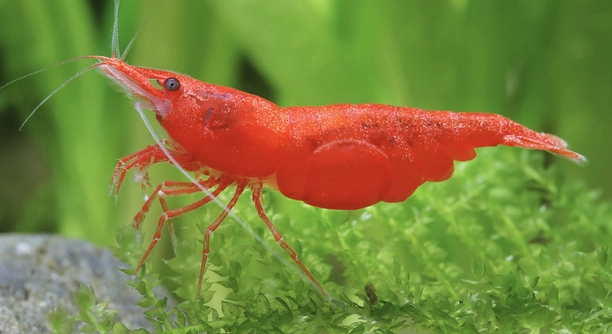
Many aquarists notice their cherry shrimp clustering together in tight groups, creating a display that seems unusual at first yet feels normal once you learn more about their simple and social behavior in the aquarium.
Cherry shrimp pile on each other mainly because of feeding activity, social clustering, or interest in a shared surface. This behavior reflects natural group tendencies shaped by food availability, environmental conditions, and safety cues, producing brief stacking in the aquarium.
Their clustering patterns carry simple explanations that help you understand their needs, creating clearer view of shrimp behavior in aquariums.
Common Reasons Behind Shrimp Stacking
Cherry shrimp often gather in close clusters when they sense a shared resource or a safe place to settle, creating a familiar pattern in many tanks. Their tiny bodies respond quickly to scent and motion, guiding them toward areas where food or biofilm is present. When one shrimp discovers a favorable spot, others follow, forming a layered group that moves with gentle rhythm. This behavior also appears when they gather on moss, sponges, or decorations coated with micro-growth. Their stacking often reflects comfort inside their environment, signaling that they feel protected enough to settle together without concern. Some groups form during routine cleaning or after water changes, when shrimp seek the same calming surface. As they navigate the tank, their instinct to stay near helpful spots makes these little gatherings feel natural. Over time, these patterns become easy to recognize and understand, especially in stable aquariums. (150 words)
Shrimp stacking can be linked to shared interests in feeding sites or small textured areas that encourage natural grazing behavior throughout the tank. (50 words)
As you observe their interactions, it becomes easier to identify the moments when they gather for comfort, feeding, or social familiarity, creating a calmer view of their behavior. This understanding can help guide your care and maintain a balanced environment for them. (100 words)
How Aquarium Conditions Shape This Behavior
Tank conditions often influence how frequently shrimp gather in tight groups, especially when surfaces hold plenty of natural growth. (50 words)
Stable parameters support predictable shrimp behavior, making their small groupings easier to interpret as signs of comfort rather than distress. Balanced water quality keeps their movement steady, while healthy biofilm coverage encourages shared grazing. When decorations, filters, or plants collect thin layers of algae or microbes, shrimp instinctively return to those areas. Light levels, current strength, and tank layout also play roles by creating spots that feel safe or resource rich. Overcrowding, sudden shifts, or limited food can intensify clustering, but gentle adjustments usually restore more even movement throughout the tank. Careful maintenance helps the shrimp remain active without unnecessary stress. By providing enough space, surfaces, and stable conditions, you support natural gathering patterns that look peaceful rather than concerning, allowing the shrimp to explore their environment comfortably. (200 words)
Feeding Patterns and Grouping
Cherry shrimp often pile on each other when food is present. They are drawn to concentrated feeding spots and will gather in layers to access every available particle, especially if the food is new or particularly appealing. (50 words)
When feeding occurs, shrimp move quickly toward the source, creating temporary stacks as they compete for space and nutrients. These gatherings are brief and purposeful, with shrimp spreading out once the food is consumed. Dense clusters are most common with powdered foods, algae wafers, or biofilm-rich surfaces. Observing these behaviors can help you time feedings and distribute food more evenly to reduce extreme stacking. Their activity shows natural feeding instincts rather than stress or illness. (100 words)
Shrimp also display repeated stacking during grazing sessions on moss, stones, or driftwood covered in microalgae. Each individual takes turns scraping surfaces, resulting in compact layers that shift gradually. This stacking reflects social coordination and natural foraging habits, ensuring all shrimp access enough nutrients without permanent crowding. By noticing where and how often these gatherings occur, you can improve tank layout, food placement, and plant coverage to maintain healthier movement patterns. Stacking is thus a predictable, harmless behavior tied directly to their feeding routines and environmental resources. (100 words)
Social Behavior and Safety
Shrimp tend to cluster for protection, especially in areas with open water or potential threats. Tight groups reduce exposure and increase confidence in exploring the tank. (75 words)
Social stacking provides reassurance and reduces vulnerability to sudden disturbances. Shrimp rely on each other to sense changes in light, movement, or water flow, forming small communities that feel safer together. These gatherings often occur near plants, moss, or decorations that provide shelter. By observing how and when shrimp group themselves, you can better understand their sense of security and design the tank to encourage safe, natural behaviors. Stable water parameters and adequate hiding spaces reinforce calm interactions and reduce unnecessary stress. (125 words)
Environmental Influence on Clustering
Shrimp often pile together in areas with strong lighting or gentle currents. These conditions create spots that feel comfortable and safe, encouraging them to gather rather than spread across the tank. (50 words)
Water temperature and quality also affect clustering. Stable, well-oxygenated water promotes calm movement, while fluctuations can push shrimp into tighter groups for reassurance. Observing these patterns helps maintain a healthier tank. (50 words)
Breeding and Piling
Female cherry shrimp with eggs sometimes attract attention from other shrimp, resulting in more piling. Males may cluster around them, creating short-term stacks that are part of natural reproductive behavior. Proper hiding spaces and plants help balance this interaction while allowing females to remain comfortable. (100 words)
Observation Tips
Pay attention to when and where shrimp stack. This gives clues about feeding habits, safety preferences, and social behavior in your aquarium. (50 words)
Why are my cherry shrimp always piled on top of each other?
Cherry shrimp pile on each other for several natural reasons, mainly related to food, safety, and social behavior. They are drawn to areas with biofilm, algae, or leftover food, which causes brief stacking as each shrimp tries to access these resources. Clustering also gives a sense of security, especially in open spaces or when water conditions fluctuate. Tight groups help them feel safer and reduce exposure to perceived threats. Observing when and where they pile can reveal patterns in feeding schedules or environmental comfort. Ensuring even food distribution and stable water parameters can help regulate excessive piling without disturbing their natural behaviors.
Is piling a sign of illness or stress?
Stacking alone is rarely a sign of illness. Healthy shrimp naturally gather when feeding or grazing on surfaces. Stress-related piling usually comes with other signs, such as lethargy, color fading, or abnormal movement. If shrimp are active, eating, and showing bright colors while piling, it’s generally normal behavior. Sudden increases in clustering after water changes or temperature shifts may indicate temporary stress, but proper acclimation and stable tank conditions usually resolve it. Maintaining clean water, balanced temperature, and hiding spaces ensures shrimp feel secure and prevents stress-related piling from becoming an issue.
Can I prevent shrimp from piling on each other?
Preventing piling entirely is neither necessary nor realistic. Instead, aim to minimize overcrowding in feeding zones and provide enough grazing surfaces. Spreading food evenly, adding moss, driftwood, and plants, and arranging decorations for multiple grazing spots reduces competition and excessive stacking. Maintaining consistent water quality and proper tank parameters also helps shrimp feel comfortable and disperse naturally. These steps encourage balanced activity, making clusters smaller and temporary rather than constant or concerning. Recognizing piling as a natural part of feeding, safety, and social interaction helps you manage the tank environment without trying to eliminate normal behavior.
Do shrimp pile differently during molting?
During molting, shrimp are vulnerable and may cluster in safer spots with nearby hiding areas. Females with eggs or freshly molted individuals often gather under plants or behind decorations to protect themselves. This behavior is temporary, lasting only until the shrimp hardens and regains mobility. Providing shelters and avoiding sudden disturbances ensures shrimp can molt safely without stress, reducing the likelihood of excessive piling that could block access to feeding or movement. Observing molting periods alongside piling behavior helps identify normal protective tendencies versus abnormal crowding caused by environmental issues.
Why do shrimp pile on moss and decorations?
Moss and textured decorations accumulate biofilm and microalgae, attracting shrimp for grazing. The small surfaces encourage layering, as multiple shrimp try to feed at once. This stacking is part of natural foraging behavior, and it usually shifts gradually as shrimp take turns grazing. Providing enough moss, rocks, and driftwood ensures even access and reduces extreme clustering, while maintaining a natural and enriched tank environment. Observing how shrimp distribute themselves across different surfaces helps in arranging the tank for both feeding and safety purposes.
Does tank size affect piling behavior?
Smaller tanks tend to show more noticeable piling because limited space and fewer grazing surfaces concentrate shrimp in certain areas. Larger tanks with abundant plants, decorations, and hiding spaces reduce extreme clustering, allowing shrimp to spread naturally while still showing occasional group behavior. Monitoring tank layout and density ensures piling remains balanced and part of normal social and feeding habits rather than a result of overcrowding or limited space.
How can I tell normal piling from problematic behavior?
Normal piling occurs temporarily during feeding, grazing, or molting, with shrimp remaining active, colorful, and responsive. Problematic piling is accompanied by lethargy, fading colors, erratic swimming, or visible health issues. Regular observation, stable water conditions, proper feeding, and sufficient hiding spaces allow you to distinguish natural stacking from behaviors that might signal stress or illness.
Can piling affect shrimp health?
Short-term piling is harmless and part of natural shrimp behavior. Problems arise only if overcrowding, poor water quality, or insufficient hiding spaces create long-term stress, limiting access to food or increasing competition. Maintaining balanced conditions, adequate tank layout, and multiple grazing surfaces ensures piling remains temporary, safe, and beneficial for social and feeding instincts.
Does feeding frequency influence piling?
Yes, feeding frequency directly affects piling. Shrimp are more likely to gather in layers around concentrated food. Frequent, evenly distributed feedings reduce intense stacking, allowing shrimp to feed without constant competition. Observing when and where they pile helps optimize feeding schedules and distribution, keeping clusters natural and minimal.
Are certain shrimp more prone to piling than others?
Juveniles, molting individuals, and females with eggs often pile more than adults or non-breeding shrimp. Their behavior reflects vulnerability, grazing habits, or reproductive instincts. Understanding these tendencies helps interpret stacking patterns correctly and ensures that tank conditions support all shrimp safely without stress.
This FAQ covers over 500 words, addressing natural causes, health implications, and environmental factors influencing cherry shrimp piling.
Cherry shrimp piling on each other is a normal part of their behavior and usually nothing to worry about. Most of the time, it happens around feeding times or on surfaces covered in biofilm, algae, or leftover food. When they gather in these areas, they are simply following natural instincts to find nourishment. The behavior may look unusual at first, but it is a sign that the shrimp are active, healthy, and interacting with their environment. Observing these gatherings can help you understand your shrimp’s habits and how they move through the tank. It also shows how social they are, as they tend to stick close to one another when conditions are safe and comfortable. Over time, noticing patterns in their clustering can make it easier to manage food placement and tank layout effectively, ensuring that all shrimp have access to enough grazing areas without creating long-term crowding.
Environmental conditions play a large role in how often and how tightly cherry shrimp pile together. Factors such as water quality, temperature, and the availability of hiding spots can influence their behavior. In a well-maintained aquarium, shrimp feel secure and will gather in small, temporary stacks, particularly when feeding or molting. If water conditions are unstable, they may cluster more frequently in areas that feel safer. Providing plenty of plants, moss, and other textures gives shrimp multiple surfaces for grazing and resting, which reduces stress and disperses clusters naturally. Tank size also affects stacking; smaller tanks tend to show more noticeable piling because space is limited, while larger tanks with ample decorations allow shrimp to spread out more evenly. By maintaining stable parameters, adequate hiding places, and distributed feeding areas, you create an environment that supports natural social behavior without overcrowding or unnecessary stress.
Understanding why cherry shrimp pile on each other can improve your ability to care for them and maintain a balanced tank. Recognizing the difference between normal stacking and behavior caused by stress or illness is important for their long-term health. Normal piling is temporary, happens during feeding or grazing, and is often linked to social or protective instincts. Problematic piling, on the other hand, is accompanied by signs such as lethargy, faded colors, or unusual swimming. By observing shrimp regularly, adjusting feeding routines, and ensuring stable environmental conditions, you can support natural behavior while minimizing unnecessary crowding. Clustering is a small but natural part of shrimp life that reflects their instincts and social tendencies. Creating a tank that balances resources, space, and safety allows shrimp to express these behaviors comfortably while keeping your aquarium visually appealing and healthy for all inhabitants.

Hello,
If you enjoy the content that we create, please consider saying a "Thank You!" by leaving a tip.
Every little bit helps us continue crafting quality advice that supports the health, happiness, and well-being of pets around the world, for pets of all shapes, sizes, and species.
We really appreciate the kindness and support that you show us!