
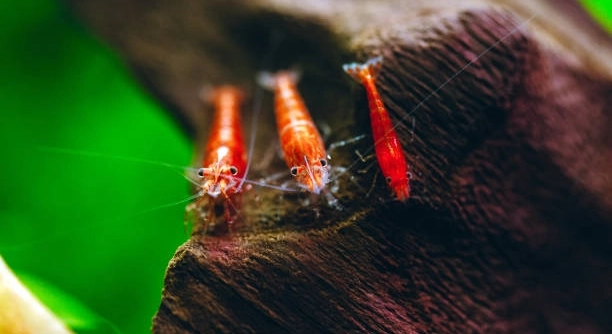
Cherry shrimp are small, colorful freshwater creatures that brighten home aquariums. Observing their behavior can be fascinating, especially when it comes to their eating habits and daily routines. They often show patterns that reflect their environment and care.
Cherry shrimp can recognize feeding times through repeated exposure to cues such as movement, light changes, or the presence of food. This recognition is a learned behavior, supported by their ability to associate external signals with predictable feeding events.
Understanding these behaviors can improve how you care for your shrimp. Learning their patterns ensures a healthier and more responsive aquarium environment.
How Cherry Shrimp Learn Feeding Patterns
Cherry shrimp are surprisingly observant. Over time, they start to notice when food is introduced to their tank. The movement of a hand, a shift in lighting, or even the slight ripple of water can signal that feeding is near. I’ve watched my own shrimp gather near the corner of the tank just before I drop food, almost like they are anticipating it. This behavior is not instinctive alone; it is reinforced through repetition. When shrimp are fed consistently at the same times, they begin to associate certain cues with food availability. Their small brains are capable of forming simple associations, allowing them to adapt to a schedule. It’s interesting to see how these tiny creatures adjust their activity levels throughout the day, conserving energy until it is time to eat. Over days and weeks, the pattern becomes more pronounced.
This learned behavior helps shrimp maximize their feeding efficiency, ensuring they do not miss a meal and stay healthy.
Observing these patterns can also provide insight into tank health. If shrimp stop responding to feeding cues, it may indicate stress, illness, or water quality issues. Regular observation allows for early detection of problems. Maintaining consistent routines not only supports shrimp well-being but also strengthens their predictable patterns. For me, this interaction makes feeding a quiet, rewarding experience, seeing how small changes in their environment can influence behavior. Monitoring their responses over time allows better care and a deeper understanding of their habits. Feeding becomes more than a task; it becomes a way to notice subtle behaviors that might otherwise go unseen.
Recognizing Feeding Signals
Shrimp often respond to movement or changes in light, which act as reminders of upcoming meals.
By observing closely, you can identify individual shrimp behaviors. Some shrimp may swim actively, while others hover near the substrate. Their response to cues can vary with age, health, and tank conditions. Younger shrimp may be more reactive, darting toward food quickly, while older shrimp may take a slower approach. Even water temperature and current can influence how promptly they react. These subtle differences make each feeding session unique. By understanding these signals, you can adjust feeding techniques to suit your shrimp’s habits, ensuring that all individuals get their share. Consistent observation also allows you to notice any irregularities in behavior, which can be early indicators of stress or illness. Over time, recognizing these signals becomes second nature, helping maintain a stable, thriving tank environment. Feeding then becomes an opportunity to connect with their routines, reinforcing care practices that support their health and activity.
Timing and Consistency
Cherry shrimp quickly adjust to regular feeding schedules. Feeding at the same time daily reinforces their recognition and encourages them to anticipate meals. Even small variations can cause minor confusion, but overall, they respond well to predictable routines.
Consistency in timing strengthens shrimp behavior patterns and reduces stress. I noticed that when my shrimp were fed irregularly, some would linger near the substrate, appearing hesitant. Once I established a fixed schedule, they became more active and eager around feeding time. Predictable routines not only support their learning but also promote healthier eating habits, as all shrimp have an equal opportunity to access food. Timing also helps maintain a balanced tank ecosystem by preventing overfeeding and water quality issues, as uneaten food accumulates less when shrimp feed regularly.
Maintaining a schedule also aids in monitoring shrimp health. Sudden changes in feeding behavior can indicate illness or stress. By sticking to consistent timing, I can quickly notice any deviations, making it easier to address potential problems before they escalate. Regular feeding becomes a tool for both observation and care.
Environmental Cues
Shrimp rely on subtle changes in their surroundings to anticipate feeding. Movements near the tank, water currents, and light shifts act as indicators.
Lighting changes, in particular, play a big role. In my tank, shrimp start to gather near the top when the light brightens slightly before feeding. Even small water movements from adding food signal them to become more active. Environmental cues help shrimp connect specific stimuli to meals, reinforcing learned behaviors. These signals can vary depending on tank setup, including plants, decorations, and water flow. Paying attention to how shrimp react to these cues allows me to adjust placement of food or feeding techniques to ensure all shrimp are aware and can respond efficiently.
Recognizing Your Presence
Cherry shrimp quickly notice when someone approaches the tank. They often become more active as a result, moving toward familiar feeding areas.
Over time, they associate human presence with food. I have observed my shrimp reacting the same way each time I reach for the feeding container, gathering near the surface or corners of the tank. This behavior reflects learned anticipation and reinforces their daily routines.
Feeding Frequency
Providing meals at regular intervals helps maintain shrimp health. Overfeeding can harm water quality, while underfeeding slows growth and activity. A balanced schedule ensures they receive proper nutrition without stress. Observing their reactions allows adjustments to timing and portion sizes, improving overall well-being in the tank.
Subtle Signs of Hunger
Shrimp display small but noticeable signals when hungry. Increased movement, searching behavior, and clustering near food spots indicate they are ready to eat.
FAQ
Do cherry shrimp really know when feeding time is coming?
Yes, cherry shrimp can recognize feeding times through repetition and environmental cues. Over days and weeks, they learn to associate movement, light changes, or hand presence with food. I’ve noticed my shrimp gather near the top of the tank even before I sprinkle food, showing they anticipate the event rather than reacting purely instinctively. This recognition is reinforced when feeding occurs consistently at similar times, helping them form predictable behavior patterns that make mealtime smoother for both the shrimp and the caretaker.
How do I know if my shrimp are reacting to food cues?
Observing shrimp closely is key. Signs include increased movement, clustering near feeding areas, and active swimming toward where food is usually introduced. In my tank, I see some shrimp hover near the substrate or plants, while others immediately approach the surface. Their reactions vary depending on age, health, and previous feeding experiences. Paying attention to these patterns allows you to understand how your shrimp perceive cues and whether all shrimp are equally responsive. This insight helps adjust feeding methods and ensures everyone gets adequate nutrition.
Can shrimp get stressed if feeding is inconsistent?
Yes, inconsistent feeding schedules can cause stress. Shrimp rely on routine and repeated signals to anticipate meals. When food arrives at irregular times, some shrimp may linger or hide, reducing activity. I noticed that once I switched to a fixed daily schedule, they became more confident and energetic during feeding. Stress can also affect molting cycles and overall health, so maintaining consistency is essential. Simple routines help shrimp feel secure and make it easier to monitor their behavior for any early signs of illness.
Do all shrimp in a tank recognize feeding time the same way?
Not exactly. Younger or smaller shrimp may react more quickly, while older or less dominant individuals may take longer to respond. In my observation, dominant shrimp often reach food first, while others hover and wait for leftovers. Environmental factors, such as water flow, light, and hiding spots, also influence response times. By providing evenly distributed food and monitoring interactions, all shrimp can participate in feeding, reducing stress and competition. Understanding these differences allows for better care and ensures no shrimp is left without nutrition.
What cues are most effective for teaching shrimp feeding times?
Movement near the tank, light changes, and water ripples are all strong indicators. I often tap lightly on the lid or use a consistent hand motion before adding food. These signals, combined with routine timing, reinforce their recognition. Over weeks, shrimp start moving toward anticipated food locations even before these cues occur, showing how reliably they can learn associations. The key is repetition and consistency. By providing the same signals in the same sequence, shrimp develop predictable behaviors that make feeding more efficient.
How often should I feed my shrimp?
Feeding frequency depends on tank size, population, and food type. In my experience, one small portion once or twice a day is sufficient. Overfeeding can cause water quality issues, while underfeeding slows growth and activity. Observing how quickly shrimp consume food helps determine the right amount. Feeding should encourage natural foraging without leaving excess debris. Consistency in both timing and quantity ensures shrimp remain healthy and active.
Can shrimp survive if I feed at irregular times occasionally?
Yes, occasional variation won’t harm them, but consistent patterns are more beneficial. I sometimes feed a little earlier or later due to schedule changes, and my shrimp adjust quickly. However, frequent irregularity can disrupt their routine, leading to stress or uneven food distribution. Consistency allows shrimp to establish predictable behaviors and supports optimal health and energy levels. Regular feeding patterns also make it easier to monitor their growth and activity.
Do shrimp remember feeding cues long-term?
Shrimp have short-term memory measured in hours to days, but consistent reinforcement strengthens learned behaviors. I’ve noticed that even after a short break in feeding, they quickly resume anticipation when routine is restored. Their ability to recognize repeated cues is sufficient for daily care, helping them adjust to feeding schedules effectively. Regular observation and repeated association ensure shrimp reliably anticipate meals, enhancing both their health and the feeding experience.
What should I do if my shrimp ignore feeding cues?
Ignoring cues may indicate stress, illness, or water quality problems. I first check water parameters, temperature, and tank conditions. Observing behavior, such as hiding or lethargy, can reveal underlying issues. Adjusting feeding locations, providing more evenly distributed food, or improving tank conditions often restores responsiveness. Regular monitoring allows me to address these issues quickly and maintain shrimp health. Understanding their behavior ensures feeding routines remain effective and stress-free.
Can environmental changes affect feeding recognition?
Absolutely. Changes in lighting, tank layout, or water current can temporarily confuse shrimp. I noticed that rearranging decorations caused them to approach food more slowly. Reintroducing familiar cues and maintaining consistent feeding times helps shrimp adapt. Gradual adjustments prevent prolonged stress and maintain their learned feeding behavior. By observing reactions closely, I can restore routines quickly and ensure shrimp continue to recognize cues efficiently.
How can I encourage shy or less active shrimp to recognize feeding time?
Providing multiple feeding points and distributing food evenly encourages participation. In my tank, shy shrimp often stay near plants, so placing food nearby helps them engage. Gradually reinforcing cues like gentle hand movement or water ripples also assists in learning. Patience and consistency are essential. Over time, less active individuals become more responsive, ensuring all shrimp benefit from scheduled feedings.
What types of food reinforce recognition best?
Shrimp respond well to small, nutrient-rich foods that sink slowly. I use algae wafers, blanched vegetables, and specialized shrimp pellets. The movement of food entering water also acts as a visual cue, reinforcing anticipation. Using familiar food consistently strengthens learned behaviors, making feeding time predictable and rewarding for shrimp. Varying textures occasionally keeps them interested while maintaining routine.
Does tank size impact how shrimp recognize feeding time?
Yes, larger tanks may require multiple feeding points to ensure all shrimp detect cues. In my experience, smaller tanks allow shrimp to notice hand movement and food placement more easily. Regardless of size, consistent timing, repeated cues, and proper food distribution remain key to establishing reliable recognition. Observation ensures adjustments meet each tank’s needs.
Can shrimp learn to expect feeding from specific people?
Yes, shrimp can associate specific individuals with food introduction. I’ve seen my shrimp react faster when I approach the tank compared to others. While not as advanced as higher animals, their associative learning allows recognition of familiar caregivers. This behavior reinforces anticipation and strengthens predictable feeding patterns in the tank.
How long does it take for shrimp to learn feeding cues?
Learning time varies, but generally, a consistent schedule for one to two weeks is enough for noticeable patterns. In my tank, shrimp began gathering predictably near food within a few days, with behavior becoming more pronounced over time. Patience and repetition are essential for establishing reliable recognition.
Are there signs that shrimp are overstimulated by feeding cues?
Yes, excessive clustering, aggressive nudging, or frantic swimming can indicate overstimulation. I observed that spreading food gradually and maintaining calm cues reduces stress. Ensuring food is not introduced too quickly allows all shrimp to feed comfortably, promoting healthier routines. Balanced feeding minimizes chaos and supports natural behavior patterns.
Can shrimp differentiate between types of food during feeding?
Shrimp can show preferences. I noticed they react more quickly to certain algae wafers or blanched vegetables than pellets. This recognition is based on smell, movement in water, and previous experiences. Using preferred foods occasionally reinforces feeding anticipation while providing nutritional variety.
Do shrimp remember feeding cues after a long absence of food?
Short breaks may temporarily disrupt behavior, but shrimp quickly readjust when feeding resumes. I have taken a day off feeding, and by the next scheduled meal, shrimp were already gathering at usual spots. Reestablishing cues restores anticipation effectively, showing how learned behaviors remain adaptable with reinforcement.
How can I track shrimp feeding recognition effectively?
Observation and note-taking work best. I track activity levels, response times, and food distribution. Noting changes helps identify stress, illness, or behavior shifts. This method ensures shrimp remain responsive to cues, maintain healthy routines, and allows me to adjust feeding practices when needed.
Do shrimp ever ignore feeding cues intentionally?
Generally, shrimp respond unless hindered by health or environmental stress. Occasionally, a shrimp may explore or remain hidden. In my tank, shy individuals sometimes avoid the initial food drop but gradually join once confident. Monitoring behavior ensures these shrimp still receive nutrition without disrupting the group.
What is the best way to introduce new shrimp to established feeding routines?
Introduce them gradually with familiar cues and small portions of food. I place food near new shrimp and allow them to acclimate while observing responses. Reinforcing cues slowly helps newcomers recognize feeding times without stress, integrating them into the existing routine effectively.
Can overfeeding affect shrimp recognition of cues?
Yes, excessive food reduces urgency and attention to cues. I observed that when too much food is added, shrimp are less responsive and slower to gather. Feeding in measured portions maintains anticipation, reinforces learned behaviors, and prevents water quality problems. Consistency in quantity is as important as timing.
How important is water quality for feeding recognition?
Water quality directly impacts shrimp activity and responsiveness. Poor conditions can reduce movement and interest in food. I regularly check ammonia, nitrite, and nitrate levels to ensure shrimp remain healthy and attentive. Clean, stable water supports predictable behavior and reliable feeding responses.
Can feeding cues help in monitoring shrimp health?
Absolutely. Changes in reaction speed, clustering, or interest can indicate illness or stress. I use feeding as a regular check to observe behavior patterns. Deviations from normal responses often signal early problems, allowing timely intervention and care.
Are there ways to make feeding more stimulating for shrimp?
Yes, small variations in food placement or gentle water movement can make feeding engaging. I occasionally move food slightly or add floating foods to encourage foraging. These adjustments reinforce anticipation, support natural behavior, and maintain interest without disrupting routines.
How long should a typical feeding session last?
Feeding should be brief enough to prevent overfeeding but long enough for all shrimp to access food. In my tank, two to three minutes is sufficient. This duration maintains engagement, ensures nutrition, and reinforces recognition without overstressing the shrimp.
Can shrimp learn multiple feeding times per day?
Yes, they can adapt to multiple scheduled meals. I feed once in the morning and once in the evening, and shrimp respond predictably to both. Consistency and clear cues are essential for establishing multiple feeding times without confusion.
Do shrimp ever forget feeding cues completely?
Complete forgetting is rare if feeding has been consistent. Even after short breaks, shrimp quickly resume anticipation once cues and schedules are reintroduced. Regular reinforcement ensures their learned behaviors remain reliable over time.
Can shrimp recognize feeding cues in new tanks?
Yes, but adjustment is needed. New environments may alter cues like light and water flow. I transfer shrimp carefully, maintaining familiar feeding routines to help them adapt quickly. Observation ensures they resume predictable feeding behavior in the new setup.
How do I know if my shrimp are getting enough food?
Shrimp should be active, healthy, and gradually increasing in size. I observe how quickly food is consumed and monitor individual shrimp behavior. Balanced portions distributed properly ensure all shrimp receive adequate nutrition while maintaining anticipation and learning cues effectively.
Can feeding routines help reduce aggressive behavior in shrimp?
Yes, predictable routines minimize competition. I provide evenly distributed food to reduce conflicts, allowing shy or smaller shrimp to access meals. Consistent schedules help establish calm behavior patterns and support a healthier tank environment overall.
Are there signs that shrimp are overfed?
Uneaten food accumulating, cloudy water, or reduced activity are key indicators. I monitor portions carefully to prevent these issues. Maintaining balance supports health and ensures shrimp continue responding to feeding cues consistently.
How do shrimp communicate during feeding?
Shrimp primarily use movement and positioning to signal presence and dominance. In my tank, dominant shrimp often reach food first, while others hover nearby. Understanding these subtle interactions helps manage feeding distribution and maintain peaceful behavior.
Can shrimp feeding cues be combined with other training techniques?
Yes, cues can be paired with environmental changes or food placement to reinforce learning. I sometimes add gentle water currents or reposition food gradually to strengthen anticipation. Consistency in approach ensures shrimp learn effectively while maintaining natural behavior.
Do shrimp react differently to live versus prepared food?
Live food often elicits quicker responses due to movement, while prepared food may require stronger cues. I balance both types to reinforce recognition and provide proper nutrition. The visual and sensory aspects of food help shrimp associate cues with feeding reliably.
Is it possible for shrimp to anticipate multiple types of food?
Yes, shrimp can learn to recognize different foods if introduced consistently. I vary between algae wafers, vegetables, and pellets, and shrimp react predictably once each type becomes familiar. This learning shows their ability to associate cues with multiple feeding experiences.
Can shrimp anticipate feeding even when the tank is dark?
They rely more on water movement and vibrations in low light. I’ve noticed my shrimp become active even under dim conditions when food is introduced, showing they use multiple sensory inputs to recognize feeding events.
How quickly do shrimp adjust to new feeding cues?
Adjustments can take a few days to a week. I change feeding cues gradually, and shrimp begin responding consistently within this time frame. Repetition and patience are key to reinforcing new behaviors without causing stress.
Do shrimp remember previous caretakers’ feeding styles?
Shrimp can associate specific routines with familiar individuals. I’ve observed differences in response when others feed them. They respond faster to routines they have learned, demonstrating associative memory. Maintaining consistent techniques ensures continued recognition regardless of the person feeding them.
Are there behaviors that indicate shrimp are not hungry?
Shrimp ignoring food, hiding, or reduced movement can signal satiety. I adjust portions accordingly to prevent overfeeding and maintain water quality. Observing these behaviors helps balance nutrition and reinforces predictable feeding routines.
Can feeding cues influence breeding behavior?
Yes, predictable routines and proper nutrition support healthy activity levels and readiness to breed. In my tank, consistent feeding seems to encourage natural behavior cycles, indirectly promoting breeding without direct intervention.
How do I handle new shrimp that don’t respond to cues immediately?
Patience is essential. I introduce them gradually, using familiar food and repeated cues, allowing time to observe and adjust. Over days, they begin to recognize feeding patterns, integrating smoothly into the established routine.
Do shrimp ever overreact to feeding cues?
Yes, rapid clustering or frantic movement can occur. I control portion size and introduce food gradually to reduce stress. Overreaction is temporary and manageable with consistent, calm feeding practices.
Can shrimp distinguish between hand movements for feeding versus cleaning?
Yes, repeated experiences allow shrimp to differentiate cues. In my tank, they respond faster to familiar feeding motions than to general tank maintenance movements. Predictable patterns help reinforce proper behavior recognition without confusion.
Is there a way to make feeding more predictable for shrimp?
Consistent timing, repeated hand signals, and even water movement all reinforce anticipation. I follow the same sequence daily, ensuring shrimp recognize the routine reliably. Predictable patterns reduce stress, encourage participation, and support overall health.
Do shrimp react differently when fed in groups versus individually?
Group feeding encourages natural clustering and foraging behaviors, while individual feeding may reduce competition but requires careful observation. I usually feed all shrimp together, distributing food evenly to ensure each shrimp participates and maintains predictable recognition of cues.
Can changes in water temperature affect feeding recognition?
Yes, temperature shifts impact metabolism and responsiveness. I maintain stable water conditions to ensure shrimp remain active and react predictably. Sudden changes can slow their response, highlighting the importance of consistent tank conditions alongside feeding cues.
Do shrimp ever ignore cues if they are sick?
Yes, illness reduces activity and responsiveness. I monitor for changes in feeding behavior as an early indicator of health problems. Prompt attention ensures shrimp recover while maintaining predictable routines for healthy individuals.
How can I reinforce feeding cues over time?
Repetition, consistent timing, and clear environmental signals strengthen recognition. I maintain the same cues daily, gradually reinforcing behaviors without introducing confusion. Over weeks, shrimp reliably anticipate meals, making feeding smoother and healthier for the tank ecosystem.
Can shrimp anticipate feeding if the tank is noisy or disturbed?
They rely on multiple cues, so moderate noise may not disrupt recognition. In my experience, movement and water changes remain effective indicators, allowing shrimp to anticipate feeding even in slightly disturbed conditions.
Are some shrimp more responsive than others?
Yes, dominance, age, and personality influence reaction. I observe variation in how quickly shrimp approach food. Adjusting feeding methods and placement ensures all shrimp respond and receive proper nutrition without stress.
Does feeding at the same time daily improve shrimp activity levels?
Absolutely. Consistent feeding schedules increase anticipation, movement, and overall energy. I noticed more active foraging and healthier interactions once a fixed routine was established. This consistency supports both behavior and well-being.
Can shrimp adapt to seasonal changes in feeding routines?
Yes, gradual adjustments help maintain recognition. I slightly alter timing or quantity as environmental factors change, and shrimp adapt effectively. Patience and observation ensure continued predictable behavior despite seasonal variations.
How important is patience when establishing feeding recognition?
Extremely important. I allow shrimp time to observe, learn, and adjust without rushing. Gradual reinforcement ensures they develop consistent, reliable responses, supporting healthy routines and reducing stress.
Do shrimp react differently to food introduced from above versus below?
Yes, position affects response speed. I noticed shrimp approach faster when food enters from familiar angles. Alternating slightly can engage foraging instincts while maintaining recognition of cues.
Can feeding cues be used to monitor shrimp growth?
Yes, tracking responsiveness and activity provides insight into development. I observe how quickly shrimp react and cluster during feeding, helping assess growth, health, and energy levels over time.
Is visual stimulation important for shrimp feeding recognition?
Yes, shrimp respond to movement, light changes, and visible food. I maintain clear water and consistent lighting to reinforce cues effectively, ensuring predictable recognition during each feeding session.
Do shrimp ever forget feeding cues if left alone for weeks?
Short breaks are manageable, but longer absences may require reinforcement. I reintroduce cues gradually, and shrimp quickly resume anticipation, showing adaptability and resilience in learned behaviors.
How can I prevent shrimp from becoming too dependent on human cues?
Encouraging natural foraging alongside cues helps maintain independence. I scatter small food portions throughout the tank, allowing shrimp to explore while still recognizing scheduled feeding signals. This balance promotes natural behavior and reduces overreliance on caretakers.
Are there differences in recognition between cherry shrimp and other shrimp species?
Yes, behavior varies by species. Cherry shrimp are particularly responsive to cues due to their social and active nature. I notice other species may be slower or less predictable, requiring tailored feeding strategies to reinforce recognition effectively.
Can stress from other tank inhabitants affect feeding recognition?
Yes, aggressive or larger tank mates may reduce responsiveness. I monitor interactions and adjust feeding locations to ensure all shrimp feel safe and can recognize cues without competition or intimidation.
Do shrimp ever refuse food for reasons other than health?
Yes, temporary disinterest can occur
Final Thoughts
Cherry shrimp are small but observant creatures that can learn to recognize feeding times. Their ability to associate repeated cues, such as hand movements, water ripples, or lighting changes, with food allows them to anticipate meals. I have seen my shrimp respond to the slightest movement near the tank, gathering near the surface even before the food is added. This behavior is not purely instinctive; it develops through consistent routines and repetition. By feeding at the same times each day and providing clear environmental cues, shrimp quickly form predictable patterns. This recognition makes feeding a more organized and efficient process, reducing wasted food and ensuring all shrimp have the opportunity to eat. Observing these patterns also provides a window into their overall behavior, activity levels, and health, allowing caretakers to detect any changes that might require attention.
Maintaining consistency is key to reinforcing feeding recognition. Irregular feeding times can cause confusion or minor stress, as shrimp rely on routine to anticipate meals. In my experience, once a regular schedule is established, shrimp become noticeably more active and confident during feeding. They learn to navigate their environment efficiently, moving toward familiar food locations and adjusting their activity levels in anticipation. Environmental factors, including tank layout, water flow, and light, play a role in shaping these behaviors. Proper cues help shrimp form reliable associations between external stimuli and feeding events. Consistency in timing, combined with careful observation, ensures that all shrimp benefit from structured routines. Over time, this approach supports both their physical health and natural behavior, creating a more stable and balanced tank ecosystem.
Feeding recognition is also a valuable tool for monitoring shrimp well-being. Changes in how they respond to cues can indicate stress, illness, or water quality issues. In my tank, I use feeding times to observe behavior patterns, noting activity levels, clustering, and responsiveness. Adjustments to food distribution, timing, or placement can help accommodate shy or less active shrimp, ensuring they receive proper nutrition. Providing the right type and amount of food further reinforces recognition, as shrimp respond more readily to familiar foods introduced in a predictable manner. Ultimately, understanding and supporting feeding behavior strengthens the caretaker’s ability to maintain a healthy, thriving tank. Regular routines, clear cues, and close observation work together to create a harmonious environment where shrimp anticipate meals, remain active, and display natural behaviors, making their care both manageable and rewarding.

Hello,
If you enjoy the content that we create, please consider saying a "Thank You!" by leaving a tip.
Every little bit helps us continue crafting quality advice that supports the health, happiness, and well-being of pets around the world, for pets of all shapes, sizes, and species.
We really appreciate the kindness and support that you show us!