
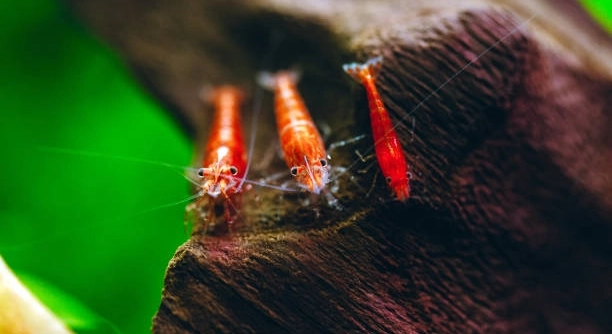
Are your cherry shrimp spending a lot of time clinging near the water line? Many shrimp owners notice this behavior and wonder if it signals a problem. Observing their patterns can provide insight into their health and environment.
Cherry shrimp hanging by the water line is usually a response to water quality issues, including low oxygen levels, high ammonia, or other chemical imbalances. This behavior can also occur when shrimp are molting or stressed by environmental changes.
Monitoring water parameters and adjusting tank conditions can help your shrimp feel more comfortable. Maintaining stable and clean water is key to their overall health and well-being.
Understanding Water Surface Behavior
Cherry shrimp often linger near the water surface when oxygen levels are low. Their gills need sufficient oxygen to function, and stagnant or crowded tanks can limit the amount available in lower areas. Observing them along the surface is an indication that they are seeking better oxygenation. Temperature fluctuations can also contribute, as warmer water holds less oxygen. Additionally, water quality plays a significant role. Ammonia, nitrites, and nitrates, even at moderate levels, can irritate shrimp, prompting them to seek cleaner water near the top. Stress from overcrowding or sudden changes in lighting can also trigger this behavior. Maintaining a gentle filter flow and providing plenty of hiding spots can help shrimp feel secure while ensuring that oxygen levels remain adequate throughout the tank. Regular testing of water parameters and careful observation can prevent long-term health problems and create a more stable environment for your shrimp to thrive.
Proper oxygenation and tank care significantly reduce surface-hanging behavior. Small adjustments can make a noticeable difference.
Creating a balanced aquatic environment involves consistent monitoring and minor interventions. Air stones or surface agitation can help distribute oxygen evenly. Avoid sudden changes in temperature or water chemistry, as shrimp are highly sensitive to shifts. Maintaining appropriate population density and hiding spaces allows shrimp to feel secure and reduces stress-driven behaviors. Observing their activity and responsiveness to changes provides insight into overall tank health. Regular partial water changes can remove harmful chemicals, while gentle filtration ensures circulation without causing excessive disturbance. Diet and feeding schedules also influence shrimp behavior; overfeeding can reduce water quality and lead to more surface activity. By combining careful observation, water testing, and subtle environmental adjustments, you can create a stable and comfortable habitat. Over time, these practices encourage shrimp to explore more of the tank, improving their natural behaviors and longevity.
Signs of Stress and Molting
Surface-hanging can indicate molting or mild stress in shrimp. Shrimp may isolate themselves during this vulnerable period to avoid disturbances.
During molting, cherry shrimp shed their exoskeletons to grow, which leaves them soft and defenseless. Seeking calmer, oxygen-rich areas at the surface can help them survive this delicate stage. Stress factors, including water quality, overcrowding, or aggressive tank mates, can exacerbate this behavior. Observing shrimp closely can reveal whether they are actively molting or reacting to environmental stress. Healthy shrimp will usually return to normal activity once conditions stabilize. Preventing stress involves maintaining clean water, stable temperatures, and adequate hiding spaces. Feeding small amounts regularly reduces sudden changes in water quality and keeps shrimp nourished. It is important to handle tank changes gently, as sudden movements or chemical adjustments can disrupt their molting process. By prioritizing stability and observing subtle cues, you can support shrimp health and minimize prolonged surface-hanging behaviors.
Common Water Quality Issues
Poor water quality can cause cherry shrimp to cling near the surface. High ammonia, nitrite, or nitrate levels irritate their gills. Low oxygen combined with these chemicals makes the upper water layers more attractive, as they offer slightly better conditions for breathing and comfort.
Maintaining clean water requires regular testing and partial water changes. Ammonia and nitrite should always remain at zero, while nitrates should stay low. Overfeeding contributes to chemical buildup, so feed small amounts and remove uneaten food promptly. Filters should provide gentle circulation without stressing shrimp, and air stones or surface agitation can improve oxygen levels. Monitoring these parameters consistently helps shrimp stay healthy and reduces surface-hanging behavior.
Temperature and pH fluctuations also impact water quality. Sudden increases in heat or acidic shifts can stress shrimp, prompting them to seek more stable areas near the water line. Stable, clean, and oxygenated water minimizes these behaviors and supports overall tank health. Ensuring proper care allows shrimp to exhibit normal, relaxed activity throughout the tank rather than clustering at the surface.
Tank Setup and Environment
Tank design can influence shrimp behavior. Low oxygen zones, lack of hiding places, or strong currents push shrimp toward calmer, better-oxygenated surface areas.
Dense planting helps create a comfortable environment, offering shelter and natural filtration. Rocks, driftwood, and moss reduce stress and give shrimp places to explore without feeling exposed. Filtration systems should provide gentle flow while keeping debris suspended for removal. Light placement and intensity matter too, as overly bright tanks can drive shrimp to shaded surface edges. Regular observation allows adjustment of decorations and equipment to match shrimp activity. Balancing population density prevents overcrowding, which often forces weaker or stressed shrimp to the top. Consistent care, monitoring, and minor adjustments to tank layout create a stable environment, reducing surface-hanging behavior and encouraging shrimp to move freely across all tank levels.
Feeding and Nutrition
Overfeeding can reduce water quality and prompt shrimp to stay near the surface. Uneaten food decomposes, raising ammonia and nitrite levels, which irritate gills and encourage surface-hanging behavior.
Providing a balanced diet in small portions helps maintain water quality. Shrimp benefit from a mix of pellets, blanched vegetables, and occasional protein supplements.
Oxygenation and Circulation
Poor circulation can create low-oxygen zones near the bottom. Cherry shrimp instinctively move to areas with higher oxygen, often near the water line, to breathe comfortably. Properly adjusted filters and gentle water movement improve oxygen distribution throughout the tank, supporting shrimp health and activity.
Observing Behavior Changes
Changes in shrimp activity, such as clustering at the surface, indicate environmental or health issues. Monitoring patterns helps identify underlying causes like water quality, temperature, or stress. Early observation allows for timely interventions to prevent long-term problems and maintain overall tank stability.
Adjusting Tank Conditions
Slight modifications, such as adding an air stone or rearranging plants, can improve water flow and oxygen levels. These changes reduce surface-hanging behavior and help shrimp feel secure in their habitat.
FAQ
Why are my cherry shrimp hanging at the water surface constantly?
This usually indicates low oxygen levels or water quality problems. High ammonia, nitrite, or nitrate levels irritate shrimp, causing them to seek cleaner, oxygen-rich areas. Temperature fluctuations and overcrowding can make the problem worse. Ensuring stable water parameters and gentle filtration helps them return to normal activity.
Is it normal for shrimp to occasionally stay near the surface?
Yes, occasional surface-hanging is natural, especially during molting or after feeding. Shrimp may explore the upper water layers or look for oxygen if tank conditions temporarily change. This behavior becomes concerning only when it is prolonged or frequent.
How do I check if the water quality is affecting my shrimp?
Use test kits to monitor ammonia, nitrite, nitrate, pH, and temperature. Ammonia and nitrite should always read zero, nitrates should remain low, and pH should stay within 6.5–7.5. Observing shrimp movement alongside these tests helps identify stress triggers.
Can overfeeding cause shrimp to hang at the surface?
Yes, excess food decomposes, raising ammonia and nitrite levels, which irritates shrimp and forces them to seek cleaner water near the surface. Feeding small, measured portions and removing uneaten food reduces this problem.
Do shrimp need air stones or extra aeration?
Air stones and gentle water circulation can improve oxygen distribution, especially in warmer tanks or high-density setups. They are not always required but help shrimp stay comfortable and reduce prolonged surface-hanging behavior.
Can tank temperature affect surface-hanging behavior?
Absolutely. Warmer water holds less oxygen, which can drive shrimp to the surface. Maintaining a stable temperature and avoiding rapid fluctuations helps keep shrimp comfortable and reduces stress.
How does molting influence surface-hanging?
Shrimp are vulnerable during molting and may seek calm, oxygen-rich areas. They often isolate themselves and stay near the surface until their new exoskeleton hardens. Providing hiding spots ensures they feel safe during this time.
Will overcrowding cause shrimp to hang at the surface?
Yes, too many shrimp in one tank can reduce oxygen levels and increase stress. Overcrowding forces weaker shrimp toward the surface where conditions are slightly better. Maintaining appropriate population density is essential for healthy behavior.
How long should shrimp stay near the surface before it becomes a concern?
Short periods, such as a few minutes after feeding, are usually harmless. Prolonged surface-hanging over several hours or days signals a water quality, oxygen, or stress issue that requires immediate attention.
Can plants help reduce surface-hanging behavior?
Live plants increase oxygen production and provide hiding spaces, lowering stress. Well-planted tanks encourage shrimp to explore all tank levels, reducing the need to stay at the water surface. Proper placement also improves water circulation and overall tank health.
Is it safe to make sudden changes to water conditions if shrimp are hanging at the surface?
No, sudden changes in temperature, pH, or water chemistry can worsen stress. Gradual adjustments, small water changes, and careful monitoring are necessary to improve conditions safely.
How often should I test water to prevent surface-hanging behavior?
Testing once or twice a week is recommended for small tanks. High-density or heavily planted tanks may require more frequent monitoring. Consistent testing helps identify problems early and keeps shrimp healthy.
Are certain shrimp more prone to surface-hanging?
Younger or weaker shrimp, and newly introduced shrimp, are more likely to hang near the surface. Stress, acclimation, and environmental changes affect behavior. Observing new additions closely helps prevent prolonged surface activity.
Can diet affect shrimp behavior at the surface?
Yes, a balanced diet is crucial. Insufficient nutrients or overfeeding can stress shrimp, impacting water quality and encouraging surface-hanging. Providing high-quality pellets, blanched vegetables, and occasional protein supports health and reduces abnormal behavior.
What should I do if my shrimp continue to hang at the surface despite good water quality?
Check for hidden stressors, such as aggressive tank mates, inadequate hiding spots, or lighting issues. Gradually adjust tank setup, improve circulation, and ensure stable conditions to encourage normal movement throughout the tank.
How can I make my tank more comfortable for shrimp?
Ensure stable water parameters, provide hiding spaces, maintain gentle flow, and feed appropriately. Regular observation helps identify stress triggers, allowing adjustments to create a secure, oxygen-rich environment where shrimp explore all levels.
Are certain tank decorations better for preventing surface-hanging?
Dense plants, moss, and driftwood create shaded, secure areas and improve oxygenation. Avoid overcrowding decorations that restrict circulation. Proper layout encourages shrimp to use the entire tank instead of staying at the surface.
Is surface-hanging ever a sign of disease?
Yes, in rare cases, infections or parasites can cause shrimp to behave unusually. Combine behavioral observation with water testing to determine whether health issues or environmental factors are responsible. Quarantining affected shrimp can prevent spread.
Does lighting affect surface-hanging behavior?
Bright or uneven lighting can stress shrimp, prompting them to stay near shaded surface areas. Adjusting light intensity and providing gradual day-night cycles can encourage more normal movement and reduce stress-driven surface activity.
Can seasonal changes affect shrimp behavior?
Yes, seasonal temperature shifts and changes in room airflow can impact oxygen levels and water chemistry. Monitoring conditions and making gradual adjustments ensures shrimp remain comfortable and reduces surface-hanging behavior.
How long does it take for shrimp to return to normal activity after addressing issues?
Once water quality, oxygen, and stress factors are corrected, most shrimp resume normal behavior within a few hours to a day. Continuous monitoring ensures that improvements are maintained and that shrimp remain healthy and active.
Final Thoughts
Cherry shrimp hanging near the water line is a behavior that can signal a variety of environmental or health issues. Observing shrimp closely provides important information about their well-being. While occasional surface activity is natural, prolonged or repeated hanging usually indicates a problem with water quality, oxygen levels, temperature, or stress. By paying attention to where and when shrimp cluster at the surface, owners can identify potential triggers and take steps to correct them. Monitoring their behavior alongside water parameters gives a clear picture of the tank’s overall health.
Maintaining stable water conditions is the most effective way to prevent shrimp from lingering near the surface. Regular water testing for ammonia, nitrites, nitrates, and pH is essential to keep these levels within safe ranges. Partial water changes and careful feeding routines help prevent chemical buildup that can irritate shrimp gills. Temperature stability is also crucial, as warmer water holds less oxygen and can trigger surface-hanging behavior. Gentle filtration and adequate circulation ensure that oxygen reaches all parts of the tank, reducing the need for shrimp to seek oxygen-rich areas at the top. Hiding spaces and dense planting also contribute to a more comfortable environment, helping shrimp feel secure while encouraging normal movement throughout the tank.
Addressing surface-hanging behavior involves a combination of observation, water management, and tank adjustments. Stressors such as overcrowding, sudden changes in lighting, or aggressive tank mates can make shrimp more likely to stay near the surface, so creating a calm and well-structured environment is important. Molting periods also require extra care, as shrimp become soft and vulnerable, seeking quieter areas to recover safely. By consistently monitoring shrimp, making small adjustments to water quality, tank setup, and diet, owners can improve shrimp comfort and health. With time and attention, shrimp typically return to normal activity levels, exploring all parts of the tank rather than lingering at the surface. Consistent care and careful observation ensure a balanced habitat where cherry shrimp can thrive naturally and display their usual behaviors.

Hello,
If you enjoy the content that we create, please consider saying a "Thank You!" by leaving a tip.
Every little bit helps us continue crafting quality advice that supports the health, happiness, and well-being of pets around the world, for pets of all shapes, sizes, and species.
We really appreciate the kindness and support that you show us!