
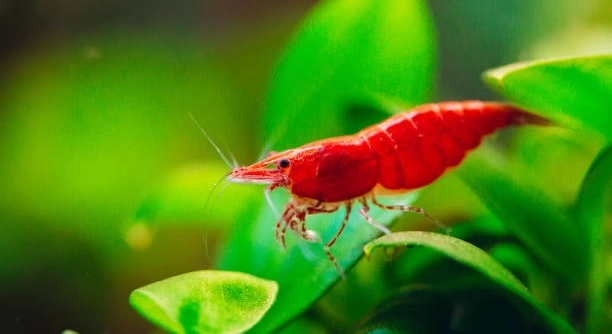
Cherry shrimp are small, colorful freshwater shrimp that bring life to any aquarium. Many shrimp owners notice them constantly fanning, waving their tiny legs and tails, which can be both fascinating and puzzling to observe.
Cherry shrimp fan their tails primarily to circulate water over their gills, allowing for better oxygen intake. This fanning behavior also helps clean debris from their bodies and senses changes in water currents or the presence of food particles.
Observing this behavior can reveal a lot about your shrimp’s health, water quality, and daily habits, offering insight into their needs and well-being.
Why Cherry Shrimp Fan Their Tails
Cherry shrimp use tail-fanning as a natural way to breathe and stay clean. The movement creates a small water current over their gills, improving oxygen intake. Fanning also helps remove tiny particles from their bodies. Watching them, I realized that even small changes in water flow affect their behavior. When the tank is calm, shrimp fan more slowly, but in stronger currents, their movements become faster. Fanning is often paired with antenna movement, helping them sense food or nearby activity. If the water quality is poor, shrimp may fan constantly, trying to increase oxygen intake. Overfeeding or leftover food can make particles settle on their bodies, encouraging extra cleaning. Shrimp also fan when stressed by sudden changes in light, temperature, or the presence of other tank mates. Observing the pattern of fanning over time gives insight into their comfort and health levels, making it easier to maintain a stable environment.
This behavior is mostly normal and indicates active shrimp.
Keeping an eye on fanning helps monitor oxygen levels and tank cleanliness, ensuring shrimp remain healthy and comfortable.
Signs of Stress in Cherry Shrimp
Excessive fanning can be a sign of stress.
Stress in cherry shrimp shows through rapid or continuous fanning. Poor water quality, sudden temperature changes, or overcrowding can trigger this behavior. Shrimp may also hide more often or appear lethargic when stressed. Noticing these patterns early allows you to take corrective actions, such as checking ammonia, nitrite, and nitrate levels.
When stress occurs, the shrimp’s immune system may weaken, making them more susceptible to disease. It is important to keep water conditions stable, maintain proper filtration, and avoid sudden changes in the tank environment. Introducing new tank mates slowly and ensuring plenty of hiding spaces can reduce stress. Observing shrimp behavior regularly provides clues about their well-being. By understanding fanning as a response to environmental factors, you can adjust lighting, flow, and feeding routines to support their health. Healthy shrimp display gentle, rhythmic fanning, moving with the water flow without frantic motions. Consistency in care keeps the shrimp active, colorful, and more likely to thrive in a home aquarium.
Water Quality and Fanning
Poor water quality makes cherry shrimp fan their tails more often. High ammonia, nitrite, or nitrate levels reduce oxygen in the tank, prompting shrimp to increase water flow over their gills.
Maintaining stable water parameters is essential for their health. Regular testing helps catch problems before they escalate. Shrimp are sensitive to even small shifts in pH, hardness, or temperature. Frequent water changes remove waste and uneaten food, preventing spikes in harmful chemicals. Filtration also plays a key role in keeping the water clear and oxygenated. I noticed that when I improved my tank’s filtration and reduced leftovers, the shrimp’s fanning slowed to a natural, calm rhythm.
Temperature changes also affect fanning. Warmer water holds less oxygen, making shrimp fan more, while cooler water slows metabolism. Consistent, moderate temperatures support steady fanning and overall activity.
Feeding and Fanning
Cherry shrimp often fan when searching for food. Small particles in the water trigger gentle tail movements to bring food closer.
Overfeeding can increase fanning. When excess food sinks to the bottom, shrimp move constantly to clean and eat the particles. I observed that feeding too much caused them to fan almost nonstop, especially near moss or substrate. Using small portions reduces stress and keeps fanning at a healthy pace.
Shrimp also respond to the type of food. Powdered or finely crushed food spreads through the water more easily, encouraging more frequent fanning. In contrast, larger pellets require less water movement, resulting in slower fanning. Observing their behavior during feeding helped me adjust portions and food type to match their natural rhythm, improving both health and tank cleanliness.
Oxygen Levels in the Tank
Low oxygen levels make cherry shrimp fan their tails more frequently. They instinctively try to move water over their gills to get enough oxygen, especially in crowded or warm tanks.
Adding live plants or increasing surface agitation can improve oxygenation. Proper aeration reduces constant fanning and keeps shrimp active and healthy.
Tank Flow and Fanning
Strong currents can change how cherry shrimp fan. They adjust their movements to maintain balance and stay in place. Observing their position and tail motion shows how they interact with the water flow. Maintaining moderate flow prevents stress and allows natural fanning patterns to emerge.
Breeding and Tail Fanning
Female cherry shrimp often fan their tails to circulate water around their eggs. This keeps eggs clean and helps them develop properly, ensuring healthy hatching.
Why are my cherry shrimp fanning constantly?
Cherry shrimp fan constantly mostly to improve oxygen flow over their gills. In my experience, tanks with low oxygen or stagnant water see more frequent fanning. It can also happen when the shrimp are trying to clean debris from their bodies or sense particles in the water. Constant fanning doesn’t always mean something is wrong, but it can signal water quality issues, temperature changes, or stress from other tank conditions. Watching their behavior over time helps identify whether it’s normal or a response to environmental changes.
Is constant fanning a sign of stress?
Yes, it can be. When I noticed my shrimp fanning faster than usual or nonstop, it often coincided with poor water quality or sudden changes in temperature. Stress can make shrimp more vulnerable to illness and reduce their activity. Providing stable water parameters, hiding spaces, and proper tank mates usually reduces excessive fanning. Observing fanning alongside other behaviors like hiding or lethargy gives a clearer picture of their stress levels.
Can water changes reduce constant fanning?
Absolutely. In my tank, regular water changes helped stabilize oxygen levels and remove waste, which reduced constant fanning. Removing uneaten food and debris also prevents the shrimp from overworking to clean themselves. Consistency matters—small, frequent changes are better than occasional large ones. Using dechlorinated water at the same temperature avoids shocking the shrimp. Over time, fanning becomes calm and rhythmic once conditions improve.
Does tank size affect fanning behavior?
Tank size can play a role. Smaller tanks heat up and lose oxygen faster, causing more frequent fanning. In larger tanks with good filtration and plants, shrimp often fan at a steady pace. I noticed that adding plants in a medium tank helped oxygen levels and reduced frantic movements. Ensuring enough space for swimming and hiding lowers stress and keeps fanning natural.
Can feeding habits impact fanning?
Yes. When I overfeed, shrimp fan constantly to collect scattered food particles. Powdered or crushed foods spread in the water, encouraging more movement, while larger pellets require less fanning. Feeding small portions multiple times a day helps shrimp feed efficiently and reduces unnecessary tail movement. Watching their behavior during feeding helps adjust portions to match their natural habits.
Do females fan more than males?
Female cherry shrimp tend to fan more, especially when carrying eggs. Fanning helps circulate water around the eggs to keep them clean and oxygenated. I’ve seen females increase tail movement significantly after mating, which is normal and indicates healthy reproductive behavior. Males fan less frequently unless reacting to water conditions or food particles.
Is tank flow important for fanning?
Yes. I noticed shrimp adjust their fanning according to water currents. Strong currents make them fan harder to maintain position, while gentle flow allows relaxed movements. Too strong a flow can stress shrimp, leading to frantic fanning or hiding. Maintaining moderate flow balances oxygen distribution and natural tail movement.
Should I be worried if fanning suddenly increases?
A sudden increase can indicate changes in water quality, temperature, or stress. I always test for ammonia, nitrites, nitrates, and pH when noticing spikes in fanning. Sudden overfeeding or adding new tank mates can also trigger it. Observing the shrimp closely and correcting any environmental issues usually brings fanning back to normal levels.
Does temperature affect fanning?
Yes. Warmer water holds less oxygen, causing more frequent fanning. I’ve seen shrimp slow their movements when water is cooler, while higher temperatures make them fan faster. Maintaining a stable temperature within the recommended range keeps fanning steady and prevents stress. Gradual changes are key to avoiding shocks.
Can tail fanning indicate good health?
Definitely. Calm, rhythmic fanning often shows active, healthy shrimp. I use it as a simple observation to gauge oxygen levels, water quality, and overall shrimp well-being. When paired with bright coloration and active movement, steady fanning is a positive sign that the tank environment supports healthy shrimp behavior.
Cherry shrimp are small but fascinating creatures, and their constant tail fanning is one of the most noticeable behaviors in any aquarium. This movement is a natural part of how they breathe, clean themselves, and respond to changes in their environment. Observing shrimp fanning gives insight into their comfort level and the overall health of the tank. I’ve noticed that when the water is clean and well-oxygenated, shrimp fan slowly and calmly, moving with the current rather than against it. When water quality is off, temperature fluctuates, or there is stress from overcrowding or sudden changes, the fanning becomes faster and more urgent. Understanding these patterns makes it easier to create a stable and healthy environment for them. Fanning is not just a random action; it reflects the shrimp’s instinctive response to their surroundings, and paying attention to it can help detect issues before they become serious.
Maintaining a consistent routine for water testing, cleaning, and feeding greatly reduces constant fanning caused by stress or environmental changes. Shrimp are very sensitive to ammonia, nitrites, nitrates, and pH shifts, so monitoring these regularly is important. Overfeeding or leaving food to settle in the tank encourages continuous fanning as shrimp attempt to clean and feed at the same time. I have found that feeding small portions and removing leftover food prevents frantic tail movements while ensuring they receive proper nutrition. The type of food also matters: finely crushed or powdered food spreads easily in the water, which encourages more tail fanning, whereas larger pellets allow for calmer feeding sessions. Tail fanning, in this sense, is both a practical and instinctive behavior that helps shrimp thrive when the environment is balanced and well-maintained.
Tail fanning can also provide clues about reproduction and natural shrimp behavior. Female shrimp, for example, increase tail movement when carrying eggs to keep them clean and properly oxygenated. This is normal and a positive sign that the shrimp are healthy and active. Tank conditions such as oxygen levels, water flow, and temperature influence how often and how vigorously shrimp fan their tails. Observing these movements regularly allows you to identify patterns and make adjustments as needed. Calm and rhythmic fanning generally indicates a well-balanced tank and healthy shrimp, while frantic or excessive fanning suggests that changes are needed. By paying attention to tail fanning and addressing environmental factors, you can help ensure that your cherry shrimp remain active, healthy, and comfortable in their aquatic home.

Hello,
If you enjoy the content that we create, please consider saying a "Thank You!" by leaving a tip.
Every little bit helps us continue crafting quality advice that supports the health, happiness, and well-being of pets around the world, for pets of all shapes, sizes, and species.
We really appreciate the kindness and support that you show us!