
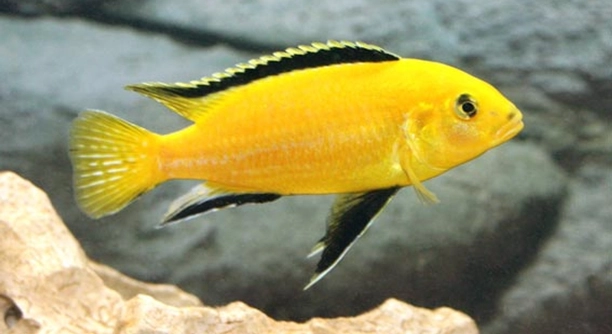
African cichlids are colorful and lively fish often found in home aquariums. These fish sometimes nip at each other’s fins, which can be surprising to new fish keepers. Understanding why this happens helps create a peaceful tank environment.
Fin biting among African cichlids is primarily a display of territorial behavior and social hierarchy. Fish bite fins to assert dominance, defend their space, or reduce competition for resources. This behavior is natural but can lead to stress or injury if unchecked.
Learning about fin biting can help you manage your aquarium better and support the health of your fish. It’s important to recognize what causes this behavior to keep your cichlids happy.
Why African Cichlids Bite Each Other’s Fins
African cichlids live in groups where space and resources are limited. These fish are naturally territorial, meaning they protect their own areas fiercely. When one fish feels its territory is threatened, it may bite the fins of others as a warning. Fin biting also helps establish dominance, showing who is higher in the social order. This behavior can increase during breeding seasons or when new fish are introduced. The environment plays a big role—small tanks or overcrowding often make fin biting worse. Stress from poor water quality or lack of hiding spots can cause more aggression too. Recognizing these signs early can prevent serious harm. Regular tank maintenance and careful tank mates selection reduce conflicts. Providing enough space and plants or decorations helps fish feel secure and lowers tension. While fin biting is natural, it should be controlled to keep your fish healthy and the aquarium peaceful.
Understanding that fin biting is a normal form of communication helps you better care for your cichlids.
Fin biting can cause damage, but it is also part of how African cichlids interact and maintain order within their groups.
How to Reduce Fin Biting in Your Aquarium
Maintaining good water quality is essential to reduce fin biting.
Keeping the aquarium clean and providing enough space lessens stress, which lowers aggressive behavior. Use water filters and perform regular water changes to keep conditions healthy. Adding plenty of hiding places with rocks or plants gives fish safe spots. This reduces their need to compete over territory. It also helps to avoid overcrowding by limiting the number of fish in your tank. Introducing new fish slowly allows others to adjust and lowers aggression. Feeding fish on time and in proper amounts prevents competition for food, which can trigger biting. Monitoring fish behavior closely lets you spot problems before they get worse. Sometimes rearranging decorations confuses territorial fish and breaks up fights. By applying these steps, you create a calmer environment that encourages peaceful interactions. Managing fin biting isn’t about stopping all aggression but balancing the fish’s natural behavior with their well-being.
Recognizing When Fin Biting Becomes a Problem
Not all fin biting is harmful, but it becomes a problem when injuries happen.
Watch for torn or ragged fins, bleeding, or signs of infection. Fish may also hide more or become less active. If biting is frequent or severe, it can weaken fish and increase stress. Injured fins take time to heal and can open the door to diseases. Ignoring this behavior can lead to long-term health issues. Early detection allows you to act quickly, protecting your fish and keeping the tank safe.
If fin biting is mild, fish usually recover without lasting harm. However, persistent or aggressive biting needs attention. Adjusting tank conditions and fish numbers often helps. You might also separate overly aggressive fish temporarily. Regular observation and quick action prevent problems from growing. Maintaining a balanced tank environment reduces fights and keeps your cichlids comfortable.
Choosing Tank Mates to Minimize Aggression
Choosing the right tank mates plays a big role in reducing fin biting.
Select species with similar sizes and temperaments to avoid unnecessary fights. Avoid mixing very aggressive cichlids with shy or smaller fish, as this can cause stress and biting. Some species tolerate each other better, while others are naturally more territorial. Keeping compatible fish helps maintain peace. Introducing new fish carefully and watching their interactions can prevent trouble early. The right mix allows your aquarium to feel balanced, reducing competition and aggressive behavior. This makes the environment healthier for everyone living in it.
Feeding Habits and Fin Biting
Proper feeding reduces competition that leads to fin biting.
Feed your cichlids regularly with balanced food to keep them satisfied.
Uneaten food should be removed quickly to maintain water quality.
The Role of Tank Size in Aggression
A tank that is too small increases stress and territorial disputes. Larger tanks provide enough space for each fish to claim its own area. This reduces fights and fin biting. Providing ample swimming room keeps cichlids calmer and healthier overall.
Stress and Fin Biting
Stress often triggers more aggressive behavior like fin biting.
Stress can come from poor water quality, sudden changes, or overcrowding.
Treating Fin Injuries
Promptly treat fin injuries to prevent infection. Use aquarium-safe antiseptics or medicated baths when needed. Keeping the water clean aids healing and lowers the risk of further biting.
What causes African cichlids to bite fins?
African cichlids bite fins mainly to show dominance and protect their territory. It is a natural behavior to keep other fish from invading their space. Stress, overcrowding, and competition for food can increase this biting. When fish feel threatened, biting becomes a way to communicate or defend themselves.
Is fin biting harmful to cichlids?
Fin biting can be harmful if it happens often or leads to torn fins. Small bites usually heal, but serious damage can cause infections and weaken the fish. If left unchecked, biting may stress the fish and lower their immune response, making them more vulnerable to diseases.
How can I tell if fin biting is a problem in my tank?
Look for damaged, ragged fins or bleeding. Fish may also hide more or act less active. If you notice these signs often, the biting is more than playful behavior. Severe or frequent fin biting means you should take steps to reduce aggression or separate fish.
Can fin biting be completely stopped?
Fin biting is a natural behavior, so it cannot be fully stopped. However, it can be managed to prevent serious harm. Providing enough space, hiding spots, good water quality, and compatible tank mates helps keep aggression low. Careful feeding routines also reduce competition.
What tank size is best for African cichlids to reduce fin biting?
A larger tank is better because it allows fish to establish separate territories. Overcrowding makes fights more likely. A tank of at least 30 gallons for smaller groups helps, but bigger is usually better if you keep many cichlids. Plenty of space means less stress and fewer bites.
Are certain species of cichlids more aggressive than others?
Yes, some species like Mbuna cichlids are more territorial and aggressive than others. Knowing the temperament of each species helps when choosing tank mates. Mixing highly aggressive species with peaceful ones can increase fin biting and stress for all fish involved.
How should I introduce new fish to minimize fin biting?
Introduce new fish slowly and carefully. Use a separate quarantine tank first if possible. When adding fish, rearranging decorations can help reduce territorial fights by confusing established fish. Watch the new fish closely and be ready to separate any overly aggressive individuals.
Can diet affect fin biting behavior?
A well-balanced diet reduces hunger-driven aggression. If fish compete for food, biting may increase. Feeding the right amount and variety of food keeps fish satisfied. Avoid overfeeding as leftover food can pollute water and cause stress, which may lead to more biting.
What should I do if my fish’s fins are damaged?
Isolate injured fish if necessary to prevent further biting. Clean the tank regularly and use aquarium-safe medications to prevent infection. Improving water quality and reducing aggression in the tank helps fins heal faster. Be patient, as fin regeneration takes time.
Is it normal for cichlids to bite fins during breeding?
Yes, fin biting often increases during breeding because fish become more territorial. Males especially guard their nests and may bite others to keep them away. This behavior should calm down after breeding is over. Extra care is needed to protect weaker fish during this time.
Can rearranging the tank decorations reduce fin biting?
Yes, rearranging rocks, plants, and hiding places breaks up established territories. This can lower aggression because fish need time to reestablish their areas. Changing the layout regularly keeps fish less territorial and reduces biting incidents.
How often should I monitor my tank for fin biting behavior?
Daily observation is best. Watching your fish closely helps you notice early signs of aggression or injury. Regular checks let you act quickly before biting becomes serious. Monitoring also helps track fish health and water conditions, preventing many problems.
Are there any treatments to stop fin biting?
There are no treatments to stop fin biting completely since it is natural behavior. However, you can treat injuries caused by biting. Using antiseptics or medicated baths can help fins heal. The best approach is to reduce stress and aggression through proper tank management.
Can fin biting cause long-term damage to African cichlids?
Severe or repeated fin biting can cause long-term damage like permanent fin loss or infections. It also stresses fish, which affects their overall health. With proper care and environment adjustments, most fish recover well, but ongoing aggression can be harmful.
What signs show that my fish are stressed and might bite fins more?
Signs include hiding more, loss of appetite, rapid breathing, and unusual swimming patterns. Stress often leads to increased aggression, including fin biting. Maintaining good water quality, stable conditions, and a balanced tank population reduces stress for your fish.
How can I create a peaceful environment for African cichlids?
Provide plenty of space, hiding places, and compatible tank mates. Keep the water clean and stable. Feed your fish well and avoid sudden changes. Regularly rearrange tank decorations to prevent territorial disputes. These steps create a calm environment that limits fin biting.
Are there any fish that can help keep aggressive fin biters in check?
Some larger, more dominant fish might keep aggressive cichlids in line, but this can also increase stress for all fish. It’s usually better to manage aggression through tank size, environment, and careful selection of peaceful species rather than relying on “guardian” fish.
African cichlids are beautiful and active fish that bring a lot of life to an aquarium. Their natural behavior includes fin biting, which is a way for them to communicate and set boundaries with one another. While this behavior can seem alarming at first, it is important to understand that it is normal for these fish. Fin biting helps them establish social order and defend their territory. However, when it becomes excessive or causes injuries, it can affect the health and well-being of your fish. Recognizing the signs of harmful fin biting early is key to preventing bigger problems in your tank.
Managing fin biting involves paying attention to several factors in the aquarium. Ensuring enough space for each fish to claim its territory reduces stress and fights. Providing hiding spots and decorations helps break up areas and lowers aggression. Water quality plays a major role in keeping fish healthy and less prone to biting. Feeding your fish a balanced diet at regular times also reduces competition. Choosing the right mix of tank mates is equally important, as some species are naturally more aggressive than others. By controlling these aspects, you can keep fin biting at a manageable level and maintain a peaceful environment for your cichlids.
It is normal for African cichlids to show some fin biting, but it should not cause serious harm. If you notice frequent biting or damaged fins, taking quick action can prevent infections and stress. Isolating injured fish or adjusting the tank setup often helps the fish heal and reduces aggression. Remember, fin biting is a part of cichlid behavior, but it should never harm your fish’s health. With proper care, patience, and attention, you can enjoy the beauty and energy of African cichlids while keeping them safe and comfortable in your aquarium.

Hello,
If you enjoy the content that we create, please consider saying a "Thank You!" by leaving a tip.
Every little bit helps us continue crafting quality advice that supports the health, happiness, and well-being of pets around the world, for pets of all shapes, sizes, and species.
We really appreciate the kindness and support that you show us!