
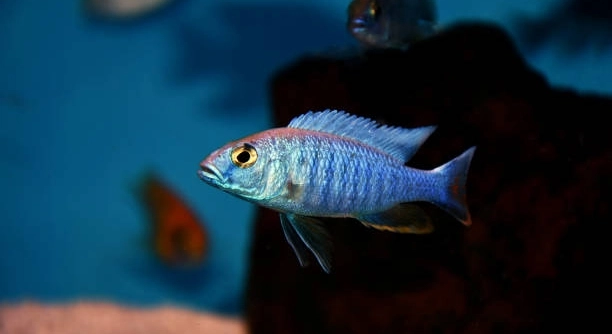
Cichlids are popular aquarium fish known for their bright colors and active behavior. Many people enjoy keeping them as pets, but sometimes these fish show signs that they are not well. Recognizing early warnings can help owners act quickly.
When a cichlid is about to die, common signs include loss of appetite, lethargy, abnormal swimming, faded colors, clamped fins, rapid breathing, and visible physical damage. Monitoring these symptoms can provide clear indicators of the fish’s declining health.
Knowing these signs can help you care better for your cichlid and possibly prevent further harm. Paying attention to small changes can make a big difference in their wellbeing.
Loss of Appetite and Lethargy
When a cichlid begins to lose interest in food, it is often a strong sign that something is wrong. Healthy cichlids are usually eager eaters, so a sudden refusal to eat can indicate stress, illness, or injury. Along with this, lethargy is common—your fish may stay near the bottom of the tank or hide more than usual. This lack of energy can result from poor water quality, internal parasites, or bacterial infections. It’s important to monitor feeding habits daily, as changes are one of the earliest warnings. If your cichlid is not eating, check water parameters like ammonia, nitrite, and nitrate levels, as poor water quality often causes health issues. Additionally, inspect for physical signs of disease such as spots or swelling. Early intervention can sometimes reverse these symptoms and improve your fish’s chances of recovery.
Loss of appetite and lethargy are key signals your cichlid may be struggling and require attention.
Recognizing these signs early can save your fish. Improving tank conditions and consulting a vet or experienced aquarist may help identify the problem. Quick action can prevent further health decline and give your cichlid a better chance to recover.
Abnormal Swimming and Faded Colors
Unusual swimming patterns often point to distress in cichlids. Fish may swim erratically, float near the surface, or struggle to stay upright. These behaviors often result from issues such as swim bladder disease, infections, or poisoning. Faded colors also suggest poor health. Vibrant cichlids losing their brightness can indicate stress or illness. When colors dull, it is often tied to environmental problems like improper lighting, poor diet, or unsuitable water temperature. Both symptoms mean the fish is not feeling well and needs attention. Regular observation helps catch these signs early, allowing owners to adjust tank conditions or seek medical advice to improve their cichlid’s health.
Erratic swimming and dull colors usually mean a cichlid is unwell.
Watching your cichlid’s behavior closely can help you spot these issues before they worsen. Small changes in water quality or diet can make a big difference. Adjusting care based on these signs can improve your fish’s comfort and chances of survival.
Clamped Fins
Clamped fins occur when a cichlid keeps its fins tight against its body instead of spreading them out naturally. This is a common response to stress or illness and shows that the fish is uncomfortable or weak.
When fins are clamped, it usually means the fish is trying to conserve energy due to poor health. This condition can be caused by poor water quality, parasites, or infections. Clamped fins reduce the fish’s ability to swim properly and escape from threats. It’s important to test the tank water and look for any signs of illness. Adjusting water parameters and treating any infections can help the fish recover its normal fin posture. Regular water changes and proper tank maintenance play a big role in preventing this issue.
Ignoring clamped fins can lead to worsening health problems. If you notice this, start by improving water quality and observing other symptoms. Sometimes medication may be necessary to help your cichlid regain strength and comfort.
Rapid Breathing
Rapid breathing in cichlids shows that the fish is struggling to get enough oxygen. This often happens when water quality is poor or the oxygen level in the tank is low. It is a clear sign that the fish is stressed and possibly sick.
Rapid breathing can result from high ammonia or nitrite levels, which irritate the gills. It can also be a sign of gill parasites or infections. Proper filtration and aeration help keep oxygen levels stable. Avoid overcrowding your tank and make sure to perform regular water changes. If rapid breathing continues, it is important to test water quality immediately and consider consulting a vet or fish specialist. Addressing the cause early gives your cichlid a better chance to recover and avoid further complications.
Visible Physical Damage
Physical damage on a cichlid’s body, such as torn fins, wounds, or lesions, often signals serious health problems. These injuries can lead to infections if not treated quickly.
Damage may result from fights with tank mates, sharp decorations, or parasites. It’s important to inspect your fish regularly and remove any harmful objects from the tank.
Isolation from Other Fish
When a cichlid starts isolating itself, it is often feeling very unwell or stressed. Healthy cichlids tend to interact with other fish, so avoidance is a warning sign. Isolation can lead to further weakening and increased vulnerability to disease.
If your cichlid is hiding or staying away from the group, check for other symptoms like loss of appetite or abnormal swimming. Improving water quality and reducing stressors like aggressive tank mates can help. Sometimes quarantine and treatment are necessary to protect both the sick fish and the rest of the tank inhabitants.
Change in Body Shape
A sudden change in body shape, such as swelling or bloating, can indicate internal problems like dropsy or organ failure. This symptom requires immediate attention.
Decreased Response to Stimuli
If your cichlid doesn’t react to movement or feeding times, it may be very weak or close to dying.
How can I improve my cichlid’s chances of survival if I notice these signs?
The first step is to test your tank’s water quality thoroughly. Poor water conditions cause most health problems in cichlids. Make sure ammonia, nitrite, and nitrate levels are within safe ranges. Perform a partial water change if needed. Removing aggressive tank mates can reduce stress and injuries. Provide a balanced diet with high-quality food to support the fish’s immune system. If symptoms persist or worsen, consider consulting a vet experienced with fish or a knowledgeable aquarist for treatment options. Acting quickly gives your cichlid a better chance to recover.
What are the common causes of these health problems in cichlids?
Most issues come from poor water quality, such as high ammonia or nitrite levels. Overcrowding the tank causes stress and aggressive behavior, leading to physical injuries. Infections from bacteria, fungi, or parasites also cause many symptoms like clamped fins and rapid breathing. Feeding a poor diet can weaken your fish’s immune system. Sudden changes in temperature or improper tank setup increase stress. Paying attention to tank maintenance, water quality, and feeding routines helps prevent many problems.
Can these signs appear suddenly or do they develop slowly?
Signs can appear both suddenly and gradually. Some illnesses or injuries show symptoms quickly, like physical damage or erratic swimming. Others, like color fading or lethargy, develop over days or weeks as the fish’s health declines. Regular observation helps catch problems early. Watching for small changes in behavior or appearance can prevent sudden emergencies. Consistency in tank care also reduces the risk of sudden health drops.
Is it normal for cichlids to hide sometimes?
Yes, cichlids may hide occasionally, especially after adding new fish or during tank cleaning. However, prolonged hiding combined with other symptoms like loss of appetite or clamped fins usually indicates stress or illness. If your fish isolates itself often, check tank conditions and observe for other warning signs.
How often should I test the water to keep my cichlid healthy?
It’s best to test water at least once a week, especially for ammonia, nitrite, nitrate, and pH levels. Testing more frequently may be needed when you notice health issues or after cleaning the tank. Keeping water stable and clean is vital for your cichlid’s wellbeing.
What should I do if my cichlid has physical injuries?
Remove any sharp objects that might cause further damage. Isolate the injured fish in a quarantine tank if possible, to prevent stress and fighting. Treat wounds with appropriate medications, such as antibacterial or antifungal treatments, following product instructions carefully. Maintain excellent water quality to support healing.
Can diet affect my cichlid’s health and appearance?
Absolutely. A poor diet lacking essential nutrients weakens the immune system and dulls colors. Feeding high-quality pellets, flakes, and occasional live or frozen foods helps maintain vibrant colors and energy. Avoid overfeeding, which can pollute water and cause health problems.
Are all cichlids prone to the same health issues?
Different species of cichlids may have varying sensitivities, but most health problems like poor water quality effects, infections, and injuries apply to all. Some species are more aggressive, increasing the risk of physical damage. Research your specific cichlid’s needs for better care.
When should I seek professional help for my cichlid?
If symptoms persist despite improving tank conditions, or if your fish’s health worsens quickly, consult a vet or an expert in fish care. Professional diagnosis and treatment can be critical, especially for infections or internal diseases.
How can I prevent my cichlid from getting sick in the first place?
Maintain clean water with regular changes and proper filtration. Avoid overcrowding and provide a balanced diet. Keep the tank stable by monitoring temperature and pH. Quarantine new fish before adding them to the main tank. Regularly observe your fish’s behavior and appearance for early signs of trouble. Consistent care is the best prevention.
Understanding when a cichlid is about to die can be difficult, but paying close attention to their behavior and appearance helps a lot. Signs like loss of appetite, clamped fins, or unusual swimming patterns often point to serious health problems. These signs should never be ignored because early detection gives you a better chance to help your fish. Taking quick action, such as improving water quality or seeking advice from an expert, can sometimes save a cichlid’s life. Even though these signs may feel worrying, knowing what to look for is important for any fish keeper.
Caring for cichlids involves maintaining a clean and stable environment. Regular water testing and changes are key to keeping your fish healthy. Overcrowding and aggressive tank mates often cause injuries and stress, so giving your cichlid enough space and compatible companions can make a big difference. Feeding a balanced diet that meets their nutritional needs also supports their immune system and helps them stay strong. Preventive care is always better than trying to treat illness after it appears, so staying consistent with tank maintenance will help avoid many common problems.
Sometimes, despite all efforts, a cichlid may not recover. Fish have their own limits, and illness or injury can be too severe. When this happens, it is important to remember that you provided good care and did your best. Watching over your cichlid’s health and responding to warning signs is part of responsible fish keeping. This awareness not only helps your current fish but also improves your skills for caring for future pets. Keeping your aquarium a safe, clean, and comfortable space will always benefit your fish in the long run.

Hello,
If you enjoy the content that we create, please consider saying a "Thank You!" by leaving a tip.
Every little bit helps us continue crafting quality advice that supports the health, happiness, and well-being of pets around the world, for pets of all shapes, sizes, and species.
We really appreciate the kindness and support that you show us!