
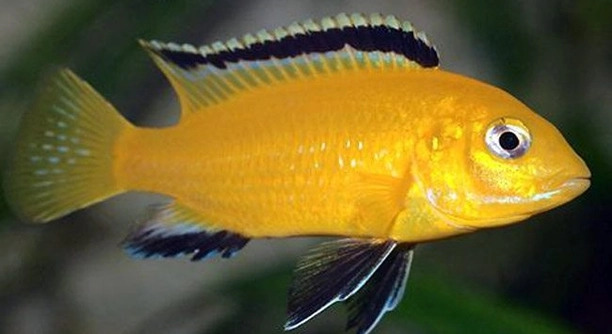
African cichlids are popular aquarium fish known for their vibrant colors and active behavior. Sometimes, these fish suddenly stop eating, which can worry their owners. Understanding why this happens is important for their care and well-being.
There are several reasons African cichlids may stop eating suddenly, including stress, water quality issues, illness, inappropriate diet, changes in environment, aggression from tank mates, and breeding behavior. Identifying the cause helps in addressing the problem effectively.
Recognizing the causes behind this behavior can improve your fish’s health and prevent future issues. The following explanations cover common reasons and practical insights.
Stress and Its Impact on Feeding Behavior
Stress is a common reason why African cichlids suddenly stop eating. Changes in their environment, such as new tank mates or sudden movements outside the tank, can cause stress. Poor water conditions like fluctuating temperature or high ammonia levels add to their discomfort. When stressed, cichlids may hide or become less active, reducing their appetite. Even rearranging tank decorations can unsettle them. It is important to keep their environment stable and calm. Regular water testing and gradual introduction of new fish can help minimize stress. Observing their behavior closely after any changes can give early warning signs of stress, allowing timely action. Proper filtration and maintaining consistent water parameters support a healthy environment, encouraging normal feeding habits.
Stress in cichlids triggers hormonal responses that suppress hunger, making feeding difficult until conditions improve.
Recognizing signs of stress early can prevent prolonged feeding issues. Consistency in tank conditions and minimizing disturbances help cichlids feel secure and eat regularly. Avoid overcrowding and provide hiding spots to reduce stress. These measures promote healthier behavior and appetite. Monitoring water quality and behavior together ensures a balanced environment, which is key to preventing stress-related feeding problems.
Water Quality and Feeding Habits
Poor water quality is one of the most critical factors affecting African cichlids’ eating habits. High levels of ammonia, nitrites, or nitrates create a toxic environment that discourages feeding and harms fish health. Sudden changes in pH or temperature can also make fish uncomfortable, causing loss of appetite. Maintaining clean water through regular partial water changes and proper filtration is essential. Testing water frequently allows quick response to any harmful spikes. Fish in poor water conditions often show signs like gasping at the surface or lethargy before they stop eating. Addressing water quality problems promptly prevents serious health issues and encourages the fish to resume normal feeding patterns. Water parameters must be within species-specific ranges to keep cichlids healthy and active.
Water quality directly influences fish appetite and overall health, making it crucial to monitor regularly.
Improving water quality requires consistent maintenance and monitoring. Using water conditioners, avoiding overfeeding, and cleaning substrate reduce waste buildup. Balancing filtration to match tank size and fish load prevents toxins from accumulating. Stable water parameters create a safe habitat where cichlids feel comfortable to feed. If fish stop eating, testing water should be the first step. Correcting imbalances restores appetite and supports recovery. A healthy tank environment promotes strong immune systems and reduces susceptibility to diseases that also affect feeding. Paying close attention to water quality helps maintain vibrant and active African cichlids.
Illness and Its Effects on Appetite
Illness often causes African cichlids to stop eating suddenly. Infections, parasites, or internal issues can weaken them, reducing their desire to feed. Early detection is important to prevent worsening health.
Common illnesses affecting appetite include bacterial infections, ich, and parasites. Symptoms may include clamped fins, visible spots, or abnormal swimming. Ill fish use energy to fight infection, not to feed. Quarantining new fish and keeping the tank clean lowers illness risk. If illness is suspected, consult treatment guides or a vet. Proper medication and care improve recovery chances and help restore appetite. Nutrition supports healing, but force-feeding is generally not advised as it can cause stress.
Illness weakens immune systems, making fish more vulnerable to other problems, so prompt action is essential. Maintaining good tank conditions and monitoring fish regularly prevent many health issues.
Aggression and Feeding Interference
Aggression among tank mates can lead to African cichlids stopping their eating. Dominant fish may chase or intimidate others during feeding times, preventing them from accessing food.
Aggressive behavior often increases during feeding because fish compete for resources. Submissive cichlids might hide or avoid the food to escape bullying. Overcrowding or incompatible species heighten aggression. Providing plenty of hiding spots and spreading food across the tank can reduce competition. Feeding smaller portions frequently also helps. Separating overly aggressive fish or creating territories minimizes stress and allows all fish to eat comfortably. Observing social dynamics in the tank is important to maintain peace.
Addressing aggression promptly ensures all cichlids get proper nutrition, which is vital for their health and growth.
Diet and Feeding Preferences
African cichlids may stop eating if their diet does not match their natural preferences. Offering inappropriate food can cause disinterest and refusal to eat.
Feeding a varied diet that suits their species, including flakes, pellets, and occasional live or frozen foods, encourages consistent eating habits and good health.
Environmental Changes
Sudden changes in tank environment, such as lighting, temperature, or decorations, can unsettle cichlids. These changes often lead to temporary loss of appetite.
Maintaining a stable environment with gradual adjustments helps cichlids feel secure and reduces the risk of feeding disruptions.
Breeding Behavior
During breeding, cichlids often eat less or stop eating entirely. This behavior is natural as they focus on protecting eggs or fry.
It is important to provide a quiet, safe space during breeding to reduce stress and encourage eventual return to normal feeding.
Why have my African cichlids suddenly stopped eating?
African cichlids can stop eating due to stress, poor water quality, illness, aggression, or changes in their environment. These factors affect their comfort and health, making them less interested in food. Identifying the exact cause is key to helping them regain appetite quickly.
How can I tell if stress is causing my cichlids to stop eating?
Signs of stress include hiding, lethargy, rapid breathing, and color fading. If you recently introduced new fish or changed tank conditions, stress is likely. Stress hormones suppress hunger, so managing the environment calmly helps restore their eating habits.
What water parameters should I monitor to keep my cichlids healthy?
Monitor temperature, pH, ammonia, nitrites, and nitrates regularly. Ideal temperatures range from 75 to 82°F, pH between 7.5 and 8.5. Ammonia and nitrites should be zero, and nitrates kept under 20 ppm. Maintaining these ensures a safe environment, encouraging feeding.
Could illness be the reason for loss of appetite in my cichlids?
Yes, illnesses such as bacterial infections, parasites, or fungal issues often reduce appetite. Other symptoms like clamped fins, spots, or unusual swimming behavior accompany illness. Early treatment improves recovery and appetite restoration.
How do I manage aggression in my African cichlid tank?
Aggression is common in cichlids. To manage it, provide hiding spaces, avoid overcrowding, and feed smaller meals frequently. If a fish is too aggressive, consider separating it. Reducing aggression helps all fish access food comfortably.
Can changing the diet help if my cichlids stop eating?
Yes, offering a varied diet suited to their species helps. Include flakes, pellets, and occasional live or frozen foods like brine shrimp or bloodworms. Avoid sudden diet changes and introduce new foods gradually to maintain interest and nutrition.
Why do African cichlids eat less or stop eating during breeding?
During breeding, cichlids focus energy on protecting eggs or fry, which reduces their appetite. This is natural and temporary. Providing a quiet, safe space helps minimize stress and allows them to resume eating once breeding ends.
What immediate steps should I take if my cichlids stop eating suddenly?
First, test water quality and correct any issues. Observe behavior for signs of stress or illness. Check for aggression and adjust tank conditions if needed. Offer a variety of foods in small amounts. If problems persist, seek advice from an aquatic specialist.
Is it normal for African cichlids to skip meals sometimes?
Yes, occasional fasting can be normal, especially during changes or mild stress. However, prolonged refusal to eat signals a problem that needs attention to avoid health decline.
How long can African cichlids go without eating before it becomes dangerous?
They can survive a few days without food, but longer periods weaken their immune system. If they don’t eat for more than three days, it is important to identify and fix the cause to prevent serious health issues.
Final Thoughts
African cichlids are beautiful and active fish that bring life to any aquarium. When they suddenly stop eating, it can be worrying, but understanding the possible reasons helps in handling the situation calmly. Factors such as stress, illness, water quality, aggression, diet, and breeding behavior all affect their appetite. Recognizing these issues early allows for quicker action, which is important for the fish’s health and well-being. Taking good care of the tank environment and monitoring your fish regularly will make it easier to spot problems before they become serious.
Maintaining stable water conditions is one of the most important steps to keep cichlids healthy and feeding well. Regular testing and cleaning help prevent toxins and changes that cause discomfort. Providing a diet that matches the species’ needs and watching their social interactions also supports good appetite. When aggression or illness occurs, addressing these issues promptly improves the chances of recovery. Being attentive and consistent with care gives your fish the best chance to thrive and enjoy their meals.
In summary, sudden loss of appetite in African cichlids usually signals an underlying problem that can often be corrected with proper care. Patience and careful observation go a long way in finding the cause. Avoid rushing to treatments without understanding the situation, as this can add more stress. A healthy tank environment, balanced diet, and peaceful social setting create the best conditions for your cichlids to eat regularly and stay strong. Keeping these points in mind will help ensure your fish remain happy and healthy over time.

Hello,
If you enjoy the content that we create, please consider saying a "Thank You!" by leaving a tip.
Every little bit helps us continue crafting quality advice that supports the health, happiness, and well-being of pets around the world, for pets of all shapes, sizes, and species.
We really appreciate the kindness and support that you show us!