
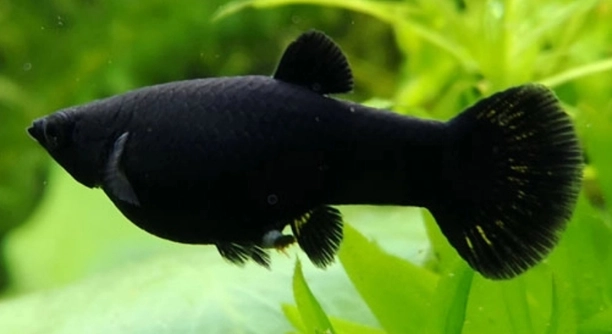
Black Mollies are popular freshwater fish known for their striking appearance and peaceful nature. Many fish keepers enjoy watching them grow and adapt to their environment. Understanding their growth stages can help ensure proper care and a healthy tank.
A Black Molly typically reaches full size between 12 to 18 months of age, with adult length ranging from 3 to 4 inches. Growth depends on diet, water quality, and tank conditions, all of which influence their overall development.
Knowing when your Black Molly is fully grown helps you provide better care and maintain a balanced, thriving aquarium environment for your fish companions.
Understanding Black Molly Growth Stages
Black Mollies grow steadily over their first year, and their growth can vary depending on care and environment. Young mollies start small, often around half an inch, and grow rapidly in the first few months. Feeding them a balanced diet with high-quality flakes or pellets, along with occasional live or frozen foods, helps support healthy growth. Water conditions also play a major role. Temperatures between 72-78°F and stable pH levels keep them active and encourage proper development. Overcrowded tanks can slow growth, so providing enough space is important. Observing their fins and body shape helps track maturity. Young mollies may display more active swimming patterns, while adults are calmer. Gender differences also become visible as males develop slimmer bodies and larger fins, and females grow slightly rounder. Understanding these stages helps ensure your Black Molly reaches full size while staying healthy and vibrant.
Feeding a mix of protein-rich and plant-based foods ensures steady growth and proper coloration throughout their development.
Regular monitoring of tank conditions and consistent feeding schedules supports growth while preventing stress, illness, and stunted development in Black Mollies.
Factors Affecting Full Growth
Water quality is crucial for Black Molly development.
Poor water quality, fluctuating temperatures, and inadequate nutrition can all slow a Black Molly’s growth. These fish thrive in stable environments with clean, filtered water. Maintaining proper temperature, pH, and hardness levels is essential. Overfeeding can also cause problems, including obesity and poor water conditions, while underfeeding slows growth. Tank size affects development, as cramped conditions restrict movement and stress the fish. Providing enrichment, such as plants and hiding spots, encourages natural behaviors that promote better health. Observing your Black Molly regularly helps detect early signs of illness or slow growth.
Diet directly influences how quickly a Black Molly reaches full size. A high-quality staple diet with occasional live foods ensures proper nutrition. Avoid feeding only flakes, as this can lack essential proteins and vitamins. Consistent water changes and monitoring parameters like ammonia and nitrate levels help maintain an optimal environment. Lighting also affects their activity levels and appetite. Male and female mollies may grow at slightly different rates, but consistent care minimizes discrepancies. Tank companions matter too, as aggressive or overly active fish can stress mollies, slowing growth. By balancing diet, environment, and social factors, you can support full development and maintain vibrant, healthy adults.
Signs Your Black Molly Is Fully Grown
Full-grown Black Mollies have well-proportioned bodies and fully developed fins. Males have larger dorsal fins, while females appear rounder. Growth slows significantly after about a year. Adult size ranges between 3 and 4 inches, and coloring becomes more consistent and vibrant.
Once a Black Molly reaches full growth, its behavior stabilizes. Adults are calmer, swim steadily, and maintain a more predictable pattern in the tank. Their fins are fully formed, and tail movement appears controlled rather than erratic. You might notice males displaying courtship behaviors occasionally, while females show more rounded bellies. Growth plates in their bones have solidified, indicating physical maturity.
Monitoring size and physical features is key. Measuring from snout to tail tip can help confirm maturity. Color saturation, fin size, and body shape are reliable indicators. A fully grown Black Molly should appear proportionate and active, with smooth scales and a steady swim pattern, reflecting both good health and complete development.
Tips to Encourage Healthy Growth
Feeding small portions multiple times a day promotes steady growth and prevents water quality issues.
Providing a balanced diet with protein-rich flakes, frozen foods, and occasional vegetables ensures proper nutrition. Overfeeding leads to water pollution and potential health problems, while underfeeding slows growth. Maintaining clean water with regular changes and stable parameters supports healthy development. Temperature, pH, and tank size all influence growth rates. Active swimming space and hiding spots reduce stress and encourage natural behaviors that improve overall well-being.
Environmental enrichment also matters. Adding plants, decorations, and open swimming areas encourages movement and prevents stagnation. Avoid overcrowding, as competition for food can inhibit growth and increase stress. Observing your Black Molly’s behavior helps you adjust care routines. Consistent feeding schedules, water testing, and gradual dietary changes promote healthy growth. By balancing diet, tank conditions, and activity opportunities, you ensure your Black Molly matures fully and maintains vibrant coloration and robust health.
Common Growth Issues
Slow growth in Black Mollies is often linked to poor water quality or insufficient nutrition. Regular water changes and a balanced diet help prevent stunted development. Overcrowded tanks also limit growth by increasing stress and reducing swimming space.
Illness can further impact growth. Parasites, infections, or poor water conditions can weaken a Black Molly, slowing physical development. Observing behavior and appetite helps detect problems early. Treating issues promptly and maintaining a stable environment supports recovery and allows the fish to reach full size naturally.
Ideal Tank Conditions
Black Mollies thrive in temperatures between 72 and 78°F with a pH of 7.0 to 8.0. A tank of at least 20 gallons provides enough space for active swimming. Proper filtration reduces waste buildup and maintains clean water, essential for healthy growth.
Monitoring Your Black Molly
Regularly check size, fin condition, and activity levels. Noting subtle changes helps ensure proper development and alerts you to potential health concerns.
FAQ
How fast do Black Mollies grow?
Black Mollies grow fastest during their first six months. In optimal conditions with clean water, balanced diet, and stable temperature, they can reach half of their adult size within this period. Growth slows after one year, but minor increases in length and fin development continue until around 18 months. Genetics also influence growth rate. Some mollies naturally grow slightly larger or smaller depending on their lineage, so observing several individuals can give a better sense of average growth in your tank.
When do Black Mollies stop growing?
Most Black Mollies reach full size between 12 and 18 months. By this time, their body shape, fins, and coloration are fully developed. Adult males display longer dorsal fins, while females show rounder bellies. Proper tank conditions and nutrition ensure they reach maximum potential. After this period, growth is minimal and mostly limited to slight thickening or fin improvements.
What is the ideal diet for growth?
A balanced diet is crucial. High-quality flake food should form the staple, supplemented by frozen or live foods like brine shrimp or daphnia. Occasional vegetables, such as blanched zucchini or spinach, provide fiber and nutrients. Feeding small portions two to three times a day prevents overeating and keeps water quality stable. Avoid relying solely on flakes, as this can limit protein intake and slow growth. Consistency in feeding helps Black Mollies maintain color, energy, and healthy development.
How does tank size affect growth?
Tank size directly impacts growth and well-being. A 20-gallon tank or larger is recommended for a small group of Black Mollies. Crowded conditions restrict swimming space, increasing stress and slowing development. Larger tanks reduce territorial disputes and allow mollies to exercise naturally, which supports muscle and fin growth. Providing plants and decorations gives hiding spots and encourages activity, both important for overall health.
Can water quality slow growth?
Yes. Poor water quality is one of the main reasons Black Mollies grow slowly. High ammonia, nitrite, or nitrate levels stress fish and damage gill function, reducing feeding efficiency. Regular water changes, proper filtration, and monitoring temperature and pH create a stable environment. Even minor fluctuations in water parameters can temporarily halt growth. Maintaining consistent cleanliness allows mollies to focus energy on development rather than survival.
Do males and females grow differently?
Yes. Females generally grow slightly larger and develop rounder bellies due to reproductive capacity. Males are usually slimmer, with more pronounced dorsal fins and sometimes brighter coloration. Growth rates are similar early on, but gender differences become obvious as they mature. Understanding these differences helps in tank planning and breeding management.
How do I know if my Black Molly is healthy?
Healthy Black Mollies are active, have smooth scales, and swim steadily. Clear eyes, vibrant colors, and regular feeding are good indicators. Fin damage, lethargy, or loss of appetite may signal health issues, which can also slow growth. Regular observation and prompt intervention help prevent long-term problems.
Can stress affect growth?
Stress slows growth significantly. Overcrowding, aggressive tank mates, sudden water changes, or poor diet can all stress mollies. Stress weakens the immune system and reduces appetite, directly impacting development. Reducing stress by maintaining stable water conditions, providing sufficient space, and choosing compatible tank mates encourages healthy growth.
Do Black Mollies need supplements for growth?
Supplements are not always necessary if their diet is balanced, but occasional vitamins or minerals can support color, immunity, and fin health. Over-supplementation is not recommended, as it can pollute water and harm fish. Focus on a varied diet first, using supplements only when needed.
How often should I monitor growth?
Measuring size and observing body shape every few weeks helps track development. Noting color changes, fin growth, and behavior provides insight into overall health. Regular monitoring allows early detection of growth issues or health concerns, enabling timely adjustments in care routines.
Final Thoughts
Black Mollies are a rewarding addition to a freshwater aquarium, especially when their growth and development are properly supported. Understanding their life stages and recognizing when they are fully grown can make caring for them much easier. Full-grown Black Mollies typically reach a size of 3 to 4 inches and show consistent body proportions, fin development, and vibrant coloring. While growth rates can vary due to genetics, diet, and environmental conditions, most mollies reach maturity between 12 and 18 months. Observing their size, behavior, and physical features regularly helps ensure they are developing properly. Healthy adult mollies are active but calmer than juveniles, swim steadily, and display their natural behaviors without stress.
Maintaining proper water conditions is essential for Black Molly growth and long-term health. These fish thrive in a tank with stable temperatures between 72 and 78°F and a pH around 7.0 to 8.0. Filtration and regular water changes prevent harmful ammonia or nitrate buildup that could affect growth or cause health problems. Tank size is equally important, as overcrowding increases stress and limits swimming space, which slows development. Providing plants, hiding spots, and open swimming areas allows mollies to move naturally and reduces stress, promoting better overall health. A balanced diet also plays a critical role. High-quality flake foods supplemented with occasional frozen or live foods, as well as blanched vegetables, ensure mollies receive the right nutrients for growth, coloration, and energy. Avoid overfeeding, which can damage water quality and cause health problems, while underfeeding slows growth and weakens the immune system.
Regular observation and care are key to keeping Black Mollies healthy and fully grown. By monitoring their size, fin condition, behavior, and coloration, you can detect problems early and make necessary adjustments to their environment or diet. Male and female mollies grow slightly differently, with females appearing rounder and slightly larger and males having more pronounced fins and sometimes brighter colors. Understanding these differences helps in tank planning and maintaining a balanced community. Stress, poor water quality, and inadequate nutrition are the main factors that can hinder growth, so addressing these issues promptly ensures your mollies reach their full potential. Consistent care, proper tank setup, and attention to diet allow Black Mollies to thrive, making them a long-term, vibrant presence in the aquarium. Watching them develop from tiny juveniles to full-grown adults is satisfying, and maintaining their health ensures they live longer, active, and visually appealing lives.

Hello,
If you enjoy the content that we create, please consider saying a "Thank You!" by leaving a tip.
Every little bit helps us continue crafting quality advice that supports the health, happiness, and well-being of pets around the world, for pets of all shapes, sizes, and species.
We really appreciate the kindness and support that you show us!