
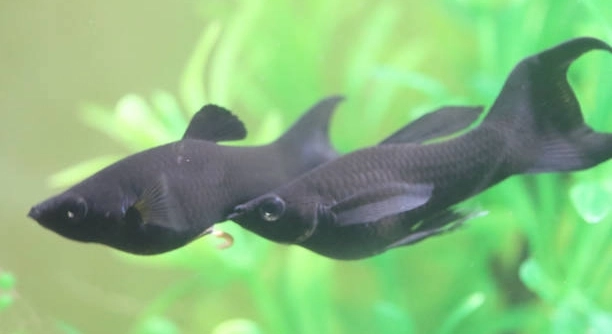
Black Mollies are sensitive fish that react noticeably to changes in their water environment. Maintaining stable conditions in your aquarium is essential for their health and overall well-being. Small fluctuations can have visible effects on their behavior.
Black Mollies respond to fluctuations in water chemistry such as pH, hardness, ammonia, nitrite, nitrate, temperature, and salinity. Each change can trigger stress, alter activity levels, and impact feeding or social behavior, making monitoring crucial for their proper care.
Recognizing these signals early can help prevent long-term stress and ensure your Mollies thrive in a healthy, stable environment.
pH Fluctuations
Black Mollies are highly sensitive to changes in pH. Even small shifts can cause them stress, making them swim erratically or hide more often. Ideally, the water should remain slightly alkaline, around 7.5 to 8.5. Sudden drops or spikes in pH can lead to weakened immunity and make them more prone to disease. Testing the water regularly and using buffering agents when necessary helps maintain stable pH levels. Changes in diet, new decorations, or even tap water can influence pH, so it’s important to monitor these factors carefully. Mollies will often show signs of discomfort, such as clamped fins or reduced activity, if the pH is off. Maintaining a consistent pH supports their digestive health and overall energy, ensuring they swim actively and interact normally with other fish. Observing your Mollies’ behavior provides early warning if pH adjustments are needed.
Rapid pH swings can shock Black Mollies, causing stress and potential illness. Consistency is key.
Proper pH management includes regular water testing and gradual adjustments. Avoid sudden changes by mixing new water with tank water before adding it. Using pH stabilizers or natural substrates can help maintain steady levels. Keep an eye on other tank parameters, as hardness and temperature shifts can also influence pH indirectly. By observing your Mollies and responding quickly, you can prevent stress-related issues and create a stable, healthy environment that allows them to thrive for years.
Ammonia Spikes
Ammonia is toxic to Black Mollies even at low levels. Immediate action is necessary when levels rise above 0 ppm.
Excess waste from uneaten food or overstocking the tank can cause ammonia to spike, impacting their gill function and overall health.
Maintaining proper filtration, performing partial water changes, and monitoring feeding habits are crucial. Regular testing helps detect early increases, preventing long-term damage. Keeping plants or biofilters can naturally reduce ammonia buildup.
Nitrite Levels
Even small amounts of nitrite can stress Black Mollies. Levels above 0.25 ppm can affect oxygen transport, making them lethargic and causing rapid gill movement.
Nitrite rises in aquariums with insufficient biological filtration or overfeeding. Regular water changes and adding beneficial bacteria help convert nitrite into less harmful nitrate. Keeping the tank clean and avoiding overcrowding reduces nitrite spikes. Observation of your Mollies’ breathing and activity can reveal early signs of nitrite stress.
Maintaining a healthy nitrogen cycle is essential. Using test kits, adding live plants, and ensuring filter efficiency can prevent dangerous nitrite levels. Prompt action protects the fish’s gills, prevents long-term stress, and supports normal feeding and swimming behaviors, keeping the aquarium safe and balanced.
Nitrate Accumulation
Nitrate is less toxic than ammonia or nitrite, but high levels still affect Black Mollies’ health. Levels over 40 ppm can reduce energy and weaken the immune system.
Frequent water changes, live plants, and controlled feeding help maintain safe nitrate levels. Monitoring growth and waste prevents accumulation.
Long-term exposure to elevated nitrate can lead to dull coloration, slower growth, and increased susceptibility to illness. Mollies may become less active or avoid areas of the tank with higher nitrate concentration. Using a combination of chemical filtration, such as activated carbon, and biological filtration ensures that nitrates remain at manageable levels. Consistency in maintenance prevents sudden spikes and promotes stable, comfortable conditions for the fish. Regular observation allows adjustments before health issues develop.
Temperature Swings
Black Mollies prefer stable temperatures between 24°C and 28°C. Sudden drops or rises can cause stress, reduced appetite, and erratic swimming behavior.
Using a reliable heater and thermometer ensures the water remains consistent. Avoid placing the tank near windows or vents where temperature fluctuates rapidly.
Hardness Changes
Water hardness affects Mollies’ osmoregulation. Both sudden increases and decreases in general or carbonate hardness can disturb their metabolism and stress the fish. Maintaining moderately hard water supports healthy growth and coloration.
Salinity Variations
Black Mollies tolerate slightly brackish conditions, but sudden changes in salinity can shock them. Even minor fluctuations affect swimming and feeding habits, so gradual adjustments are essential for their well-being.
FAQ
How often should I test my Black Molly tank water?
Testing should be done at least once a week for pH, ammonia, nitrite, nitrate, and temperature. Frequent checks allow you to catch small changes before they stress your fish. Keeping a log of readings helps track patterns and prevents surprises.
What is the ideal pH for Black Mollies?
Black Mollies thrive in slightly alkaline water, typically between 7.5 and 8.5. Maintaining this range supports their digestive system and overall activity. Small daily fluctuations are normal, but sudden changes can cause stress, clamped fins, and hiding behaviors.
Can Black Mollies tolerate brackish water?
Yes, Black Mollies can live in mildly brackish conditions. Adding a small amount of aquarium salt helps mimic natural habitats. However, changes in salinity should be gradual. Sudden shifts can shock them, affecting swimming, feeding, and overall health.
What should I do if ammonia levels rise?
Perform a partial water change immediately and check your filter system. Overfeeding and overcrowding often cause ammonia spikes. Adding beneficial bacteria can help accelerate ammonia conversion. Frequent testing ensures it remains at safe levels, protecting your fish’s gills and energy.
How do I reduce nitrite in my tank?
Regular water changes, proper filtration, and avoiding overfeeding are essential. Beneficial bacteria convert nitrite to nitrate, which is less harmful. Observing your Mollies’ breathing and activity helps detect stress early, allowing timely intervention.
Are nitrates dangerous for Black Mollies?
High nitrate levels over 40 ppm can affect growth, color, and immune response. While not immediately lethal, prolonged exposure stresses your fish. Using water changes, live plants, and chemical filtration keeps nitrates in a safe range and ensures active, healthy fish.
How can I maintain stable water hardness?
Regularly monitor both general and carbonate hardness. Hardness impacts osmoregulation and overall metabolism. Using mineral supplements or adjusting your water source gradually helps keep hardness levels consistent, preventing stress and supporting healthy Mollies.
What is the best temperature for Black Mollies?
They do best between 24°C and 28°C. Avoid sudden temperature drops or spikes, as they can lead to lethargy or erratic swimming. A reliable heater, thermometer, and avoiding drafty locations help maintain stable conditions.
Can pH, hardness, and temperature interact?
Yes, these factors are interconnected. Changes in one can affect the others, which in turn influences Mollies’ health. Monitoring all parameters together ensures stability, prevents stress, and maintains normal feeding and swimming behaviors.
How do I safely adjust salinity?
Gradually add or remove salt to avoid sudden changes. Small, incremental adjustments over days allow your Black Mollies to adapt without stress. Observing their behavior during transitions helps ensure they remain active and healthy.
How do I know if my Mollies are stressed?
Signs include clamped fins, hiding, erratic swimming, reduced appetite, and faded color. These behaviors often indicate water chemistry fluctuations. Promptly testing water parameters and correcting issues can reduce stress and restore normal behavior.
Are live plants helpful for water stability?
Yes, live plants absorb nitrates, contribute to oxygenation, and help buffer minor pH changes. They also provide hiding spaces, reducing stress for your Mollies. Combining plants with good filtration creates a more stable and natural environment.
How often should I perform water changes?
Weekly partial water changes of 20–30% help remove waste, control nitrates, and maintain chemical balance. Consistency is more important than frequency alone, ensuring your Black Mollies experience minimal stress.
What should I do after adding new fish or decorations?
Monitor water parameters closely for at least a week. New additions can alter pH, hardness, and ammonia levels. Gradual acclimation of fish and careful placement of decorations prevents sudden fluctuations and keeps the tank stable.
Can diet affect water chemistry?
Yes, overfeeding and high-protein foods increase ammonia and nitrate levels. Feeding measured portions and removing uneaten food prevents spikes, contributing to a balanced, healthy environment for your Black Mollies.
How can I prevent long-term stress from minor fluctuations?
Maintain consistent water testing, gradual adjustments, proper filtration, and good feeding practices. Observing behavior daily allows early detection of problems. A stable environment reduces chronic stress, supporting vibrant color, active swimming, and overall health for your Mollies.
Maintaining a stable environment is essential for Black Mollies to thrive. These fish are sensitive to changes in water chemistry, including pH, hardness, ammonia, nitrite, nitrate, temperature, and salinity. Even minor fluctuations can cause stress, leading to changes in behavior, reduced appetite, and slower growth. Observing your Mollies’ daily activities can give early signs of discomfort, allowing for timely adjustments. Regular testing of water parameters and maintaining consistent feeding and cleaning routines are effective ways to reduce stress. A well-monitored tank ensures your fish remain active, healthy, and display vibrant colors, which is a clear indication that the environment is suitable for their needs.
Consistency is key when it comes to keeping Black Mollies healthy. Sudden changes in water chemistry are more harmful than gradual shifts, so any adjustments should be done slowly to allow the fish to acclimate. Proper filtration, regular water changes, and the use of live plants or buffering agents help maintain a balanced aquarium. Controlling the number of fish in the tank, along with careful feeding, prevents excess waste, which can increase ammonia and nitrite levels. By following these practices, you create an environment where your Mollies can flourish without the risk of chronic stress or health issues. This approach also reduces the likelihood of disease, which can easily spread in tanks with unstable conditions. Keeping track of water parameters with logs or notes can provide useful information for future adjustments and helps maintain a long-term, stable habitat.
Black Mollies are resilient when their environment is carefully managed. Maintaining proper water chemistry and a stable tank environment not only supports their physical health but also encourages natural behavior, such as active swimming and social interaction. Paying attention to temperature, salinity, and hardness, along with regular monitoring of ammonia, nitrite, and nitrate levels, ensures a balanced ecosystem within the aquarium. Gradual changes and preventive care are more effective than reacting to problems after they occur. With consistent observation and proper maintenance, Black Mollies can live long, healthy lives and continue to thrive in your care. Creating this stable environment allows you to enjoy the beauty and activity of your fish while knowing that their needs are fully supported, making aquarium keeping a rewarding experience for both you and your Mollies.

Hello,
If you enjoy the content that we create, please consider saying a "Thank You!" by leaving a tip.
Every little bit helps us continue crafting quality advice that supports the health, happiness, and well-being of pets around the world, for pets of all shapes, sizes, and species.
We really appreciate the kindness and support that you show us!