
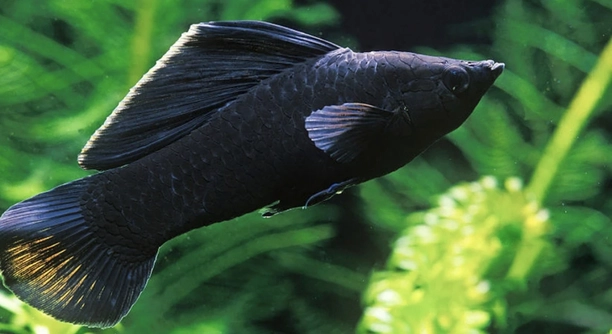
Black Molly fish are a popular choice for home aquariums due to their lively nature and striking black coloration. They adapt well to different tank setups, but tank shape can influence their swimming patterns and overall comfort.
Black Molly fish generally prefer long tanks over tall tanks. A longer horizontal space allows them to swim freely, maintain natural schooling behavior, and reduces stress. Tall tanks restrict horizontal movement, which can negatively affect their activity levels and overall well-being.
Choosing the right tank shape ensures your Black Mollies remain active, healthy, and display their full range of natural behaviors comfortably.
Why Tank Shape Matters for Black Mollies
Tank shape directly affects how Black Molly fish move and interact in their environment. These fish are active swimmers, often gliding across horizontal space. A long tank provides ample room for them to explore, which encourages natural behaviors like schooling and territorial movement. In contrast, a tall tank limits horizontal swimming, making it harder for fish to feel comfortable. Fish may appear restless or spend more time near the surface when confined in vertical spaces. Proper tank dimensions also influence oxygen circulation, water quality, and plant placement. Long tanks allow decorations and plants to be arranged without obstructing swimming paths, promoting a healthier habitat. When choosing a tank, consider both length and width rather than just height. This ensures that the fish have space to swim naturally while maintaining clean and stable water conditions. Providing adequate swimming space reduces stress and helps Mollies thrive over time.
Long tanks help Black Mollies swim more freely and feel secure, which supports better health and activity levels.
A long, spacious tank also improves overall tank maintenance. With horizontal space, water can circulate evenly, reducing dead spots where debris collects. Plants and ornaments can be positioned to create hiding areas without limiting swimming room. Mollies benefit from consistent water flow and oxygen distribution. A proper tank length allows for multiple fish to coexist without overcrowding, which lowers aggression and stress. Observing them in a long tank shows natural behavior patterns, including chasing, schooling, and exploring. This environment encourages physical activity, which helps maintain strong fins and vibrant coloration. Tank shape also impacts feeding behavior, as fish can move naturally to different areas rather than competing in tight vertical spaces.
Choosing the Right Size and Setup
Selecting the right tank size goes beyond height and length considerations.
A tank at least 20 gallons long is ideal for a small group of Black Mollies. This allows for multiple adults while providing sufficient swimming space. Decorations should be minimal yet functional, offering hiding spots without limiting movement. Plants like java fern or hornwort work well because they do not obstruct swimming lanes. Filtration and heating must match the tank size to maintain stable water conditions. Regular water changes are easier in a longer tank, reducing stress on the fish. Consistent lighting helps regulate behavior and supports plant growth. Careful attention to tank dimensions and setup ensures Black Mollies remain healthy, active, and visually vibrant. Choosing the right length and layout is crucial for promoting natural behaviors and reducing environmental stress. Over time, a well-structured long tank supports stronger immune systems and longevity for your fish.
Water Flow and Filtration
Proper water flow is essential in a Black Molly tank. Moderate currents mimic their natural environment, keeping them active and reducing stagnant areas. Strong currents can tire them, while weak flow may lower oxygen levels and allow waste to accumulate, impacting overall health.
Filtration in a long tank is more efficient than in a tall tank. A long setup allows water to circulate evenly, preventing dead spots where debris can build up. Using a reliable filter that provides gentle flow ensures the water remains clean and oxygenated. Sponge filters or canister filters are suitable, as they create consistent movement without overwhelming the fish. Regular maintenance, including cleaning the filter and performing partial water changes, helps maintain water quality. Proper filtration also reduces algae growth and keeps the tank visually appealing.
Black Mollies are sensitive to water conditions, so consistent monitoring is important. Temperature, pH, and hardness must stay stable. A long tank allows for better placement of heaters and aeration devices, ensuring even distribution. Plants also benefit from steady water flow, promoting healthy growth and providing natural hiding spots. By optimizing water movement and filtration, the tank becomes a safe, comfortable environment where fish can swim freely and display natural behavior patterns.
Tank Decorations and Plant Placement
Decorations should enhance swimming space without overcrowding the tank. Rock caves and driftwood provide shelter, while open areas allow for free movement.
Plants like floating moss, java fern, and hornwort create natural cover and reduce stress. Positioning taller plants along the sides and back of the tank maintains open swimming lanes in the center. Using lightweight decorations ensures easy rearrangement when needed. Avoid overcrowding the tank with ornaments, which can restrict movement and create hiding spots that make observation difficult. Plants also improve water quality by absorbing nitrates, while decorations break up flow and reduce strong currents. By carefully placing plants and decor, the tank stays functional, visually appealing, and safe for Black Mollies.
Feeding Habits
Black Mollies benefit from a varied diet of flakes, pellets, and occasional live or frozen foods. Feeding small portions multiple times a day prevents overfeeding and maintains water quality.
Positioning food in open areas allows all fish to access it easily. Avoid placing food near dense plants or decorations, which can trap uneaten particles and create waste buildup.
Light and Temperature
Consistent lighting supports healthy plant growth and regulates Black Mollies’ activity. Lights should be on for about 8–10 hours daily to mimic natural day-night cycles. Avoid intense lighting, as it can stress the fish and encourage excessive algae growth.
Tank Mates
Black Mollies are generally peaceful but thrive with other calm, similarly sized fish. Aggressive or very small species may cause stress or compete excessively for food.
Regular Maintenance
Frequent water testing, partial water changes, and filter cleaning keep the tank stable. A long tank simplifies access to corners and reduces stress during maintenance tasks.
FAQ
Do Black Mollies prefer long tanks over tall tanks?
Yes, Black Mollies swim mostly horizontally and need ample horizontal space to move freely. Long tanks allow them to school, explore, and exercise properly. Tall tanks restrict their movement, which can lead to stress, lethargy, or erratic swimming behaviors. A long tank ensures they remain active and healthy.
What is the minimum tank size for Black Mollies?
A tank of at least 20 gallons is recommended for a small group of Black Mollies. This size provides enough horizontal space for swimming and proper territory distribution. Larger tanks are better when keeping multiple adults or other compatible fish, ensuring each fish has room to thrive without overcrowding.
How many Black Mollies can I keep in a tank?
For a 20-gallon tank, 4–6 adult Black Mollies are ideal. Overcrowding increases stress, reduces swimming space, and can cause aggression or health issues. Always consider the tank’s length and width, as well as other inhabitants, before adding more fish. Adequate swimming room prevents territorial disputes and promotes natural behavior.
Do Black Mollies need strong water flow?
Black Mollies prefer moderate water flow. Gentle currents simulate natural conditions and encourage activity, while strong currents can tire them. Too little flow may cause stagnant areas where waste builds up, lowering oxygen levels. Filters that create steady, even circulation work best for a long tank setup.
Which plants are best for a Black Molly tank?
Floating plants, java fern, hornwort, and anubias are excellent choices. Place taller plants along the back and sides to maintain open swimming space in the center. Plants provide hiding spots, reduce stress, improve water quality, and create a more natural environment. Avoid dense clusters that block movement or trap debris.
Can Black Mollies live with other fish?
Yes, they are peaceful and do well with other calm, similarly sized fish. Avoid aggressive species or tiny fish that may be harassed. Tank mates should share similar water preferences to ensure stability and reduce stress. Compatible fish include platies, guppies, and certain tetras, creating a balanced community tank.
How often should I feed Black Mollies?
Feed small portions two to three times a day. Overfeeding can pollute the water and harm their health. A varied diet of flakes, pellets, and occasional live or frozen foods keeps them healthy, supports growth, and enhances coloration. Remove uneaten food promptly to maintain clean water.
What water conditions do Black Mollies need?
Black Mollies thrive in slightly alkaline water with a pH between 7.0 and 8.5. They prefer temperatures around 75–82°F. Consistent water parameters reduce stress and prevent disease. Regular testing, partial water changes, and stable filtration help maintain these conditions, ensuring long-term health.
How do I maintain a long tank effectively?
Long tanks make maintenance easier because you can reach all areas without disturbing fish excessively. Regular water changes, filter cleaning, and debris removal prevent harmful buildup. Consistent monitoring of temperature, pH, and ammonia levels is essential to provide a stable environment for Black Mollies.
Do Black Mollies need lighting for plants?
Yes, consistent lighting of 8–10 hours per day supports plant growth and regulates fish behavior. Moderate light reduces stress and discourages excessive algae growth. Floating and rooted plants benefit from even light distribution, creating a healthy, natural habitat while leaving open swimming space for active fish.
Final Thoughts
Black Mollies are active, social fish that thrive in environments where they have enough space to swim freely. The shape of the tank plays a significant role in their well-being. Long tanks provide ample horizontal room, allowing them to display natural behaviors like schooling and exploring. Tall tanks, while sometimes visually appealing, limit horizontal movement and can create stress over time. Ensuring that the tank has sufficient length helps maintain the fish’s physical health and encourages more natural, relaxed activity patterns. Proper swimming space also reduces the likelihood of aggression or competition among tank mates, which is important when keeping multiple Black Mollies together.
Tank setup goes beyond just size and shape. Filtration, water flow, and plant placement all contribute to a healthy environment. Moderate water flow mimics natural conditions and keeps the fish active without causing exhaustion. Well-placed plants, especially along the back and sides, provide hiding spots and reduce stress while keeping the central swimming area open. Decorations should enhance the tank without crowding it, and lightweight, movable options allow adjustments as the tank matures. Regular maintenance, including partial water changes, filter cleaning, and water testing, ensures stable conditions. Long tanks simplify these tasks by making all areas more accessible and easier to manage, which contributes to healthier and more vibrant Black Mollies.
Feeding habits and tank companions also influence the success of keeping Black Mollies. A varied diet of flakes, pellets, and occasional live or frozen foods supports growth, coloration, and overall health. Overfeeding should be avoided to prevent water quality issues. Black Mollies are peaceful and do best with calm, similarly sized fish that share their water preferences. Maintaining consistent lighting, temperature, and water chemistry enhances both plant growth and fish behavior. By paying attention to these factors, a long tank setup can provide a stable, comfortable environment where Black Mollies can thrive for years. Proper planning, attention to detail, and consistent care ensure that both the fish and their habitat remain healthy, active, and visually appealing.

Hello,
If you enjoy the content that we create, please consider saying a "Thank You!" by leaving a tip.
Every little bit helps us continue crafting quality advice that supports the health, happiness, and well-being of pets around the world, for pets of all shapes, sizes, and species.
We really appreciate the kindness and support that you show us!