
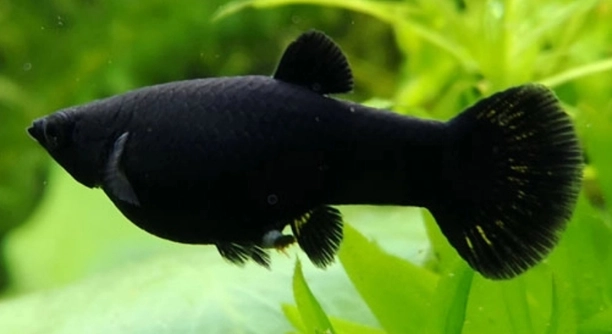
Black Mollies are a popular choice for freshwater aquariums, known for their calm nature and striking dark color. They often thrive in well-maintained tanks, but sometimes display unusual behaviors that puzzle many fish keepers. Understanding these behaviors helps improve their care and environment.
Black Mollies sometimes avoid filter flow completely due to a combination of stress, water quality, and tank setup. High current, poor water conditions, or overcrowding can make them seek calmer areas, ensuring safety and reducing energy expenditure in their daily activity.
Observing these patterns can help you adjust tank conditions, ensuring a healthier and more comfortable environment for your Black Mollies. Small changes often lead to noticeable improvements in their behavior and overall well-being.
Understanding Filter Flow Preferences
Black Mollies often avoid filter flow because they are naturally drawn to calmer areas of the tank. High currents can make them feel uncomfortable, especially if the tank is small or overcrowded. Young or weak fish may struggle to swim against strong water flow, leading them to hide in corners or behind plants. Observing your fish closely can reveal where they feel safe and where the current is too strong. Tank layout also plays a role; rocks, plants, and decorations can create low-flow zones that Mollies prefer. Adjusting the filter output gradually allows the fish to adapt without stress. Temperature, pH, and water hardness also affect their comfort and activity levels. Some Mollies are more sensitive than others, so changes may need patience. Ensuring adequate space, balanced nutrition, and consistent water parameters encourages healthy swimming patterns and reduces avoidance behaviors over time, making the tank more enjoyable for the fish and easier to maintain.
Calm zones with slower flow help Black Mollies feel safe, reducing stress and encouraging normal activity.
Creating gentle currents and adding hiding spots improves fish comfort and helps them explore the tank confidently. Proper filter placement also reduces energy strain while keeping water clean.
Adjusting Tank Conditions
Placing the filter away from areas where Mollies spend most of their time encourages movement without forcing them into strong currents.
Slow adjustments to water flow and regular maintenance prevent sudden changes that can stress the fish. Proper filtration ensures oxygenation without overwhelming Mollies. Keeping the tank clean, monitoring water parameters, and trimming plants or rearranging decorations helps maintain calm areas. Mollies may avoid flow due to past stress, so giving them time to acclimate to new conditions is important. Consistent feeding schedules and providing sufficient space for swimming also affect their behavior. Observing their interactions with the filter and tank environment allows for small tweaks that improve comfort. Over time, Black Mollies become more confident in moving through moderate currents and exploring the tank fully, balancing activity with rest. By combining proper flow adjustments, adequate hiding spaces, and attentive care, fishkeepers can create a stable environment that promotes natural behavior and long-term health.
Common Behavioral Patterns
Black Mollies often gather in areas with minimal current, especially when water flow is strong. They may hover near plants, decorations, or tank edges, seeking calmer spots to rest. Recognizing these patterns helps you identify which areas of the tank are too intense for them.
Mollies sometimes avoid the filter flow because it feels exhausting or stressful. Young or weaker fish may struggle to swim against strong currents, so they naturally gravitate to slower water. Observing where they spend most of their time can guide adjustments. Rearranging plants or decorations can create gentle pathways, allowing Mollies to explore without constant resistance. Ensuring consistent water conditions and proper tank size also reduces stress, encouraging them to interact more comfortably with moderate currents over time.
Stress and overexertion often drive these behaviors. If Mollies are constantly avoiding certain areas, it can indicate that water flow, tank size, or temperature is not ideal. Small changes, like adjusting the filter output or creating hiding spots, allow them to move freely while maintaining comfort. Over time, Mollies become more active and balanced in their swimming, exploring a wider range of the tank and showing healthier social interactions with other fish.
Environmental Adjustments
Adding plants and decorations near the filter reduces water intensity in certain areas, giving Mollies space to rest. They appreciate zones where they can move freely without battling strong currents.
Adjusting tank conditions gradually is essential. Reduce filter flow incrementally to prevent sudden stress while maintaining water cleanliness and oxygen levels. Observe how the fish respond and note if they begin exploring areas previously avoided. Creating small calm pockets near the filter encourages movement without forcing the fish into constant exertion. Regular water checks and keeping the tank free of debris ensures consistent conditions. Proper lighting and maintaining temperature within suitable ranges also influence activity. Over time, these adjustments help Black Mollies feel secure, improving overall health, reducing avoidance behavior, and encouraging normal swimming patterns in the aquarium environment.
Feeding and Flow
Black Mollies often eat near calmer areas, avoiding strong currents while foraging. Placing food in gentle-flow zones encourages them to feed comfortably without stress.
Uneven feeding patterns may appear if the filter creates turbulence. Adjusting feeding spots and flow helps maintain regular eating habits and reduces competition among fish.
Observing Social Behavior
When Mollies avoid filter flow, their social interactions can also change. They may gather in quieter corners, forming small groups or staying near tank mates they trust. Observing these interactions provides clues about comfort levels and tank conditions, helping guide adjustments to improve overall fish well-being and cohesion.
Maintaining Consistency
Keeping water parameters and filter flow consistent allows Black Mollies to establish routine swimming patterns and reduces stress. Stable environments help them feel secure, explore more of the tank, and interact naturally with other fish, promoting a healthier and balanced aquarium ecosystem.
FAQ
Why do Black Mollies completely avoid filter flow?
Black Mollies may avoid filter flow due to stress, high water current, or weak swimming ability. They instinctively seek calmer areas to conserve energy and feel secure. Overcrowding, abrupt changes in water conditions, or strong flow near their resting spots can also drive this behavior. Adjusting filter strength and creating low-flow zones can encourage exploration without forcing them into uncomfortable currents.
Can filter flow harm Black Mollies?
Strong or turbulent flow can tire Black Mollies and increase stress, especially for young or weak fish. Constant exposure to high current may reduce feeding efficiency, limit exploration, and affect overall health. Gradual adjustments to flow and careful observation prevent harm while maintaining proper water circulation and oxygenation.
How can I make my filter more suitable for Mollies?
Placing the filter away from high-traffic areas and creating gentle water pockets is effective. Plants, decorations, and rocks can act as buffers to slow water near resting spots. Using adjustable filters or baffles allows precise control over flow intensity, ensuring Mollies can swim comfortably while maintaining clean, oxygenated water.
Will Mollies adapt to stronger currents over time?
Yes, Black Mollies can adapt gradually if currents are increased slowly. Sudden changes cause stress, but small, incremental adjustments combined with calm areas allow them to strengthen swimming muscles and explore a wider range of the tank safely. Patience and observation are key to successful adaptation.
Does tank size affect their avoidance of filter flow?
Tank size plays a role in how Mollies respond to flow. Small or crowded tanks amplify current effects, leaving less space for slow zones. Larger tanks with more hiding spots and open swimming areas make it easier to balance flow, letting Mollies move freely while avoiding stressful turbulence.
How do water conditions impact their behavior?
Black Mollies are sensitive to temperature, pH, and hardness. Improper water conditions increase stress, which can make them avoid high-flow areas. Keeping parameters stable and within suitable ranges ensures comfort, encouraging natural swimming and reducing avoidance behavior. Regular testing and adjustments are essential.
Can hiding spots reduce avoidance behavior?
Yes, providing plants, rocks, or decorations near the filter creates calm zones where Mollies can rest safely. These areas reduce energy expenditure, lower stress, and encourage more interaction with other parts of the tank. A well-structured environment promotes balanced activity and overall health.
Do Mollies show other signs of stress related to flow?
Mollies avoiding filter flow may also swim frantically, hide excessively, or reduce feeding. These are clear indicators that the current is too strong or tank conditions need improvement. Monitoring behavior helps prevent long-term stress and promotes a stable, comfortable environment.
Is filter maintenance important for their comfort?
Yes, a clean filter ensures proper flow, oxygenation, and water quality. Clogged or irregular filters can create uneven currents, making some areas stressful for Mollies. Regular maintenance supports both the health of the fish and the efficiency of the tank system.
How long does it take for Mollies to adjust to flow changes?
Adjustment times vary depending on the fish’s age, strength, and temperament. Generally, small incremental changes over days to weeks allow Mollies to acclimate without stress. Observing swimming patterns and behavior helps determine if adjustments are successful or need further modification.
Can diet influence their activity near filter areas?
Proper nutrition strengthens Mollies, improving swimming stamina and confidence in moving through currents. Malnourished or weak fish may avoid flow more frequently. Balanced feeding schedules and high-quality food support overall health, encouraging active and natural behavior throughout the tank.
What other tank conditions support better interaction with filter flow?
Stable temperature, proper lighting, and minimal overcrowding contribute to comfort. Open spaces combined with hiding spots create a balanced environment, allowing Mollies to explore moderately flowing water without stress. Consistency in care promotes confidence and normal swimming behavior.
Are there differences among Mollies in flow tolerance?
Yes, individual Mollies vary in their sensitivity. Younger, weaker, or more timid fish avoid flow more, while older or stronger fish tolerate moderate currents. Observing each fish’s behavior allows tailored adjustments to ensure all Mollies remain comfortable and healthy.
How can I encourage Mollies to explore filter areas?
Gradual increases in flow, creating calm pathways, and strategically placing food encourage exploration. Gentle currents combined with hiding spaces help Mollies feel safe while moving through the tank. Positive reinforcement through consistent care supports confidence in interacting with moderate flow.
What are signs of successful adaptation?
Mollies swimming confidently near the filter, feeding without hesitation, and interacting with other fish indicate adaptation. Reduced hiding, more exploration, and consistent activity are positive signs that flow adjustments and environmental changes are effective.
How often should I monitor their behavior?
Daily observation is ideal to catch early signs of stress or avoidance. Noting patterns helps identify problem areas, adjust flow, and maintain consistent water conditions. Regular monitoring ensures Mollies remain comfortable, active, and healthy in their tank environment.
Does water temperature affect their flow preference?
Yes, temperature extremes make swimming harder, increasing avoidance of strong currents. Keeping water within the recommended range for Black Mollies reduces stress, encourages normal activity, and allows them to interact safely with moderate flow zones. Stable temperature supports overall health and well-being.
Are there long-term effects if they avoid filter flow constantly?
Persistent avoidance may indicate chronic stress, reduced exercise, and limited oxygen exposure. Over time, this can affect growth, immune response, and social behavior. Addressing flow intensity, tank structure, and water conditions prevents these issues and promotes long-term health.
Can other fish influence Mollies’ behavior near flow?
Yes, aggressive or dominant tank mates may push Mollies toward calmer areas, intensifying avoidance. Observing social dynamics helps identify if behavior is due to flow, competition, or stress, allowing targeted adjustments to improve comfort and safety.
What small changes make the biggest difference?
Adjusting filter output slightly, adding hiding spots, creating calm zones, and monitoring water parameters often have the most noticeable impact. These small changes reduce stress, encourage exploration, and improve overall well-being without major tank overhauls.
How do I know when the flow is just right?
Mollies swim actively but not frantically, feed normally, and explore most of the tank. They use calmer zones as needed but don’t constantly hide or fight the current. Observing consistent, relaxed behavior indicates the flow is suitable.
Can Black Mollies ever fully ignore a filter?
Yes, some fish may choose calm zones exclusively if the current is too strong or tank layout doesn’t allow gentle pathways. Adjusting the environment, flow, and creating low-current areas encourages balanced movement while respecting their comfort.
How important is patience in adjusting flow?
Patience is key. Rapid changes cause stress, while slow, careful adjustments allow Mollies to acclimate naturally. Consistent observation and gradual modifications lead to improved swimming behavior, comfort, and long-term health in the aquarium setting.
Are there equipment options that help?
Adjustable filters, baffles, and spray bars help control flow intensity. These tools allow customization of water movement to suit Mollies’ preferences. Combining equipment adjustments with strategic tank layout creates calm zones, ensuring a safer and more comfortable environment.
Does lighting impact flow interaction?
Indirectly, yes. Bright lighting can stress Mollies, making them avoid exposed filter areas. Balanced lighting combined with shaded areas encourages exploration and reduces stress, helping fish interact with flow naturally and comfortably.
How do I combine all strategies effectively?
Adjust flow gradually, add hiding spots, maintain water quality, observe behavior, and monitor feeding and social patterns. Combining these strategies supports comfort, reduces avoidance, and promotes healthy, natural activity in Black Mollies. Consistency and attention to detail are essential.
Is it normal for Mollies to still avoid some areas occasionally?
Yes, even in ideal conditions, some Mollies prefer certain calm zones. Occasional avoidance is natural and indicates their instincts to conserve energy and feel secure. Observing their choices helps refine tank setup and maintain a comfortable environment.
Black Mollies are fascinating fish, known for their calm nature and striking dark color. Observing them in an aquarium can be rewarding, but their behavior around filter flow often raises questions. Many Mollies avoid strong currents because they instinctively seek calm areas. This is a natural response that helps them conserve energy and feel safe. Overcrowding, high water flow, or abrupt changes in tank conditions can make them avoid certain parts of the tank. Watching where they gather and how they move provides valuable insight into their comfort level and overall health. By understanding these patterns, it becomes easier to create a tank environment that meets their needs and encourages natural behavior.
Adjusting the tank setup can make a big difference in how Mollies interact with the filter flow. Adding plants, decorations, or rocks creates calm zones where fish can rest or explore without stress. Gradually reducing the filter output in areas where they gather allows them to get used to moderate currents over time. Consistent water quality, proper temperature, and sufficient space also contribute to their willingness to swim through different parts of the tank. Observing social interactions is equally important. Mollies often form small groups in calmer areas, and recognizing these patterns can guide improvements to tank conditions. Creating a balanced environment supports both their physical health and behavioral needs, making the aquarium more enjoyable to watch.
Patience and observation are essential when caring for Black Mollies. Small changes, like adjusting filter placement, creating hiding spots, or monitoring water parameters, can have a significant impact on their comfort and activity. Mollies may still prefer calm areas, but over time they often become more confident exploring moderate currents. Regular feeding, proper nutrition, and stable routines strengthen their swimming ability and overall health. Understanding their behavior and making thoughtful adjustments ensures they thrive in the aquarium. A well-maintained tank, combined with attention to their natural tendencies, promotes a healthier, more active, and content environment for Black Mollies.

Hello,
If you enjoy the content that we create, please consider saying a "Thank You!" by leaving a tip.
Every little bit helps us continue crafting quality advice that supports the health, happiness, and well-being of pets around the world, for pets of all shapes, sizes, and species.
We really appreciate the kindness and support that you show us!