
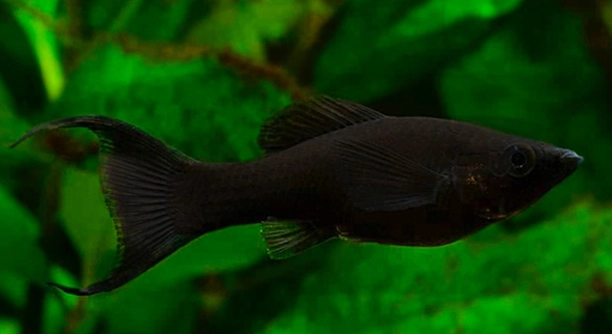
Keeping Black Molly fish can be a rewarding experience, especially for beginners in the aquarium hobby. These small, active fish have a peaceful nature and add a vibrant touch to home aquariums. Understanding their needs is important.
Black Molly fish can survive in a small tank, but careful attention to water quality, temperature, and space is essential. Overcrowding and poor maintenance can lead to stress and health problems, making proper care a priority for their wellbeing.
Learning about the right tank setup, feeding routines, and maintenance will help ensure your Black Mollies thrive and stay healthy for years.
Ideal Tank Size for Black Mollies
Black Mollies can adapt to various tank sizes, but space greatly impacts their health and behavior. A 10-gallon tank is generally considered the minimum for a small group, though larger tanks allow for more stable water conditions. Crowding can increase stress and aggression, leading to weaker immune systems. Keeping fewer fish in a smaller tank requires diligent monitoring of water quality and frequent water changes. Proper filtration is also important to manage waste and maintain oxygen levels. Decorations, plants, and hiding spots can reduce stress and give them room to explore. Mollies are active swimmers, so horizontal swimming space is as crucial as vertical space. Tank mates should be chosen carefully to avoid competition or bullying, as Black Mollies do best with peaceful species. Regular observation helps spot early signs of stress, illness, or behavioral changes, ensuring your fish remain healthy.
Smaller tanks need more frequent maintenance since water parameters fluctuate quickly and can harm sensitive fish.
Even in compact tanks, adding live plants, a gentle filter, and hiding areas can make a small environment feel larger. This encourages natural behaviors and keeps the fish calmer. Consistent feeding and water checks also support their overall health and activity levels.
Water Conditions and Maintenance
Maintaining stable water conditions is essential for Black Mollies.
Black Mollies thrive in slightly alkaline water with a pH of 7.5–8.5 and a temperature of 72–78°F. Sudden changes can stress the fish and make them more prone to disease. Regular water changes of 20–30% weekly help remove toxins and keep the environment stable. Filtration should be gentle, as strong currents can overwhelm these small swimmers. Monitoring ammonia, nitrite, and nitrate levels is crucial, especially in smaller tanks where fluctuations happen quickly. Adding a small amount of aquarium salt can improve their slime coat and overall health.
Consistent care helps prevent common issues such as fin rot and ich. Black Mollies are sensitive to poor water quality, and even minor neglect can reduce their lifespan. Avoid overfeeding, as leftover food contributes to waste buildup. Use a balanced diet of flakes, pellets, and occasional live or frozen foods. Observing their behavior daily can alert you to problems early. Proper maintenance, careful monitoring, and a clean environment allow Black Mollies to grow, breed, and display their natural colors. Adjusting care routines to your tank size ensures they remain active and stress-free.
Feeding Black Mollies
Black Mollies need a balanced diet for good health. They eat flakes, pellets, and occasional live or frozen foods. Overfeeding can harm water quality, so small portions twice daily work best to keep them healthy and active.
A varied diet helps maintain their vibrant colors and supports growth. Flakes or pellets provide basic nutrition, while live foods like brine shrimp or daphnia add protein and encourage natural foraging behavior. Vegetables such as blanched spinach or zucchini can supplement their diet and aid digestion. Feeding small amounts prevents leftover food from decomposing, which can affect water quality. Observing their eating habits ensures all fish get food, reducing competition and stress.
Regular feeding also encourages social interaction and activity. Mollies often swim together during feeding, which can be a good indicator of their overall health. Ensuring they receive consistent nutrition will help them thrive and maintain energy in small tanks.
Tank Mates for Black Mollies
Peaceful tank mates reduce stress and aggression. Avoid larger or aggressive species, as Black Mollies are small and can be bullied easily.
Suitable tank mates include guppies, platies, and tetras. These species share similar water preferences and swimming habits, making them compatible with Black Mollies. Avoid overcrowding, as limited space can cause territorial disputes. Mollies appreciate plants and hiding spots, which also benefit tank mates by creating a more secure environment. Consistent feeding and water care reduce stress among all fish.
Introducing new fish gradually is important. Quarantine new arrivals for a few weeks to prevent disease transmission. Observe interactions closely; signs of chasing or fin-nipping indicate incompatibility. Rotating feeding locations and maintaining plenty of plants can minimize conflict. Selecting compatible species helps ensure a peaceful, healthy tank where all fish can thrive without stress or aggression.
Breeding Black Mollies
Black Mollies breed easily in home aquariums. They are livebearers, giving birth to free-swimming fry rather than laying eggs.
Providing a separate breeding area or dense plants helps protect the fry from adult fish. Consistent water quality encourages healthy reproduction and reduces stress for the female.
Common Health Issues
Black Mollies are prone to fin rot, ich, and internal parasites if water quality is poor or stress is high. Regular observation and prompt treatment prevent serious illness. Maintaining clean water, a balanced diet, and proper tank conditions reduces the likelihood of disease.
Cleaning and Maintenance
Frequent partial water changes and filter cleaning help maintain healthy conditions. Avoid sudden changes in temperature or pH to keep Black Mollies stress-free.
FAQ
How many Black Mollies can I keep in a small tank?
In a small tank of 10 gallons, it’s best to keep no more than 3 to 4 Black Mollies. They are active swimmers, and overcrowding increases stress, aggression, and waste buildup. Proper filtration and regular water changes are essential when keeping multiple fish in a small space.
What is the ideal water temperature for Black Mollies?
Black Mollies thrive in water between 72°F and 78°F. Temperatures outside this range can weaken their immune system and cause stress. Use a reliable aquarium heater and thermometer to maintain consistent conditions, especially in smaller tanks where temperature fluctuations happen quickly.
Do Black Mollies need salt in their water?
Adding a small amount of aquarium salt can improve their slime coat and overall health, especially in freshwater tanks. Use caution and follow recommended dosages, as too much salt can harm plants and other freshwater tank mates.
What should I feed Black Mollies daily?
A balanced diet includes high-quality flakes or pellets supplemented with live or frozen foods such as brine shrimp or daphnia. Occasionally, blanched vegetables like zucchini or spinach can help with digestion. Feed small amounts twice daily and remove uneaten food to maintain water quality.
How often should I clean a small tank with Black Mollies?
Perform partial water changes of 20–30% weekly and clean the filter every few weeks. Smaller tanks accumulate toxins faster, so regular maintenance is critical. Check ammonia, nitrite, and nitrate levels frequently to ensure a stable environment for the fish.
Can Black Mollies live with other fish?
Yes, they can live peacefully with small, non-aggressive species like guppies, platies, or tetras. Avoid large or aggressive fish that may stress or injure them. Dense plants and hiding spots help all tank inhabitants feel secure and reduce territorial behavior.
How do I care for Black Molly fry?
Fry should be separated from adult fish to prevent predation. Provide fine-leaved plants or a breeding box for protection. Feed them small amounts of finely crushed flakes or specialized fry food multiple times a day to support healthy growth.
Why are my Black Mollies’ fins fraying?
Fraying fins usually indicate fin rot, poor water quality, or aggression from tank mates. Improve water conditions, maintain a clean environment, and isolate aggressive fish if necessary. Prompt treatment prevents the condition from worsening and affecting overall health.
How long do Black Mollies live?
With proper care, Black Mollies can live 3–5 years. Maintaining consistent water quality, a balanced diet, and a stress-free environment is key to extending their lifespan. Regular observation helps detect issues early and keeps them healthy.
Do Black Mollies need plants in their tank?
Live plants provide hiding spots, improve water quality, and reduce stress. While not strictly necessary, adding plants makes the tank environment more natural and comfortable. Hardy species like Java moss or Anubias work well in small tanks.
Can Black Mollies tolerate different water hardness levels?
They prefer moderately hard to hard water. Soft water may affect their health and reproduction. Testing and adjusting water hardness ensures they remain healthy and continue to display vibrant colors.
How can I prevent disease in Black Mollies?
Maintain clean water, feed a varied diet, and avoid overcrowding. Quarantine new fish for a few weeks before adding them to the main tank. Promptly treat any signs of illness to prevent it from spreading.
Why are my Black Mollies constantly swimming at the surface?
Surface swimming often indicates low oxygen levels. Ensure proper filtration and water movement. Adding plants or a gentle air stone can increase oxygenation, keeping the fish comfortable and reducing stress.
Can Black Mollies live in a tank without a heater?
They can survive in stable room temperatures, but a heater is recommended if temperatures fluctuate below 72°F. Consistent warmth supports their metabolism, immune system, and breeding ability, especially in small tanks sensitive to environmental changes.
Is it necessary to monitor pH for Black Mollies?
Yes, maintain a pH between 7.5 and 8.5. Sudden pH changes stress the fish and increase susceptibility to disease. Regular testing helps maintain a stable and healthy environment in small aquariums.
How do I encourage Black Mollies to breed in a small tank?
Provide stable water conditions, a balanced diet, and dense plants or a breeding box. Reducing stress and maintaining clean water encourages females to give birth to healthy fry. Observing interactions can help ensure successful reproduction without harming adults.
What signs indicate stress in Black Mollies?
Stress signs include clamped fins, lethargy, loss of appetite, and hiding frequently. Check water quality, tank mates, and diet to address potential issues. Early intervention prevents illness and supports long-term health in a small tank.
Can Black Mollies adapt to freshwater and brackish water?
They tolerate both freshwater and slightly brackish conditions, but sudden changes can be harmful. Gradual adjustments to water salinity help them adapt while minimizing stress. Maintaining proper parameters ensures overall health and longevity.
Are Black Mollies compatible with snails or shrimp?
Yes, peaceful invertebrates like snails and shrimp can coexist. Avoid aggressive invertebrates that may harm fry or adult fish. Providing plants and hiding spaces reduces conflict and creates a balanced environment for all species.
How do I know if my Black Mollies are healthy?
Healthy Mollies are active, have vibrant colors, clear eyes, and intact fins. They swim freely, eat regularly, and interact calmly with tank mates. Monitoring behavior and appearance regularly helps catch potential issues before they become serious.
This FAQ provides practical advice for keeping Black Mollies in small tanks, covering feeding, tank conditions, breeding, health, and compatibility, helping ensure they remain healthy and active.
Keeping Black Mollies in a small tank is entirely possible if proper care is maintained. These fish are small, peaceful, and active swimmers, which makes them a popular choice for beginners. However, small tanks require more attention because water conditions can change quickly. Regular monitoring of temperature, pH, and water quality is crucial to avoid stress and disease. Using a reliable filter and performing partial water changes weekly helps maintain a stable environment. Even though they are hardy fish, neglecting these basic care routines can shorten their lifespan and cause health issues. Paying attention to their behavior and appearance will alert you to any problems early, allowing you to take corrective action before conditions worsen.
Feeding Black Mollies properly also plays a key role in keeping them healthy in smaller tanks. A balanced diet of high-quality flakes or pellets, supplemented with occasional live or frozen foods like brine shrimp, ensures they get enough protein and nutrients. Including vegetables like blanched spinach or zucchini supports digestion and overall wellbeing. Overfeeding should be avoided because uneaten food can quickly pollute the water, especially in a confined tank. Feeding small portions twice daily allows the fish to eat everything without leaving residue behind. Observing their feeding habits can also help prevent competition or stress among tank mates, ensuring all fish remain active and healthy. Proper nutrition combined with clean, stable water conditions will help your Black Mollies thrive and display their natural colors and energy.
Tank mates and environmental setup are equally important in a small tank. Black Mollies do best with peaceful, similarly sized fish, such as guppies, platies, or small tetras. Aggressive or larger species can stress or injure them, making careful selection necessary. Adding live plants, decorations, and hiding spots creates a more secure environment and encourages natural behavior. Breeding can also be managed more easily in smaller tanks by providing dense plants or a separate breeding area for fry. Monitoring interactions between fish ensures harmony and reduces stress. By keeping the tank clean, maintaining proper water conditions, providing a varied diet, and selecting compatible tank mates, Black Mollies can live healthy, active lives even in smaller aquariums. Small tanks can be rewarding when these fish are cared for consistently, creating a lively and visually appealing setup that showcases their energy and charm.

Hello,
If you enjoy the content that we create, please consider saying a "Thank You!" by leaving a tip.
Every little bit helps us continue crafting quality advice that supports the health, happiness, and well-being of pets around the world, for pets of all shapes, sizes, and species.
We really appreciate the kindness and support that you show us!