
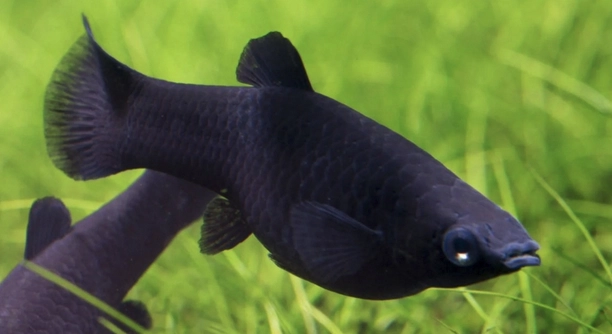
Are your black molly fry showing little interest in their food? This is a common concern for aquarium owners and can cause stress. Understanding the reasons behind this behavior helps maintain their health and encourages proper feeding habits.
The primary reasons black molly fry refuse food include poor water quality, inappropriate food size, stress from overcrowding, sudden temperature changes, illness, lack of hiding spaces, and unbalanced nutrition. Each factor directly affects their appetite and overall development.
Recognizing these causes early ensures your fry grow strong and healthy. Exploring these factors can help you create a thriving environment for your molly fry.
Water Quality Issues
Water quality is one of the most important factors affecting black molly fry appetite. Poor water conditions, including high ammonia, nitrite, or nitrate levels, can stress your fry and make them stop eating. Sudden changes in pH or temperature can also disrupt their feeding patterns. Regular water testing and partial water changes help maintain a stable environment. Using a gentle filter and avoiding strong currents prevents fry from struggling to eat. Overfeeding and decaying food can worsen water quality, so remove uneaten food promptly. Clean tanks encourage active fry and reduce disease risk. Consistency in water parameters helps fry feel safe and comfortable. Even small fluctuations in water conditions may result in reduced feeding. Ensuring water quality is stable allows your fry to develop properly, maintain strong immune systems, and exhibit normal behaviors. A properly maintained aquarium keeps fry healthy and more likely to eat consistently.
Regular monitoring prevents sudden feeding issues and keeps your fry active.
Focusing on water quality also means checking temperature, hardness, and pH regularly. Using appropriate water conditioners and dechlorinators is essential. Avoid overcrowding, which stresses fry and reduces feeding. Observing fry behavior can indicate water issues before visible problems arise. Maintaining a calm environment with gentle lighting helps reduce stress and encourages natural feeding patterns. By prioritizing water quality, you create a safe and nurturing environment that supports healthy growth. Consistent attention to cleanliness, temperature, and water chemistry ensures your black molly fry remain active, vibrant, and willing to eat, making your aquarium easier to maintain.
Food Size and Type
Feeding the wrong size or type of food can prevent fry from eating.
Black molly fry have tiny mouths and need finely crushed flakes, powdered food, or specialized fry food. Larger pellets or adult food are difficult to consume and can be ignored. Introducing a variety of foods encourages balanced nutrition. Live foods like infusoria, baby brine shrimp, or micro worms are excellent for stimulating appetite. Gradually offering slightly larger food as fry grow ensures they can handle it. Overly processed or dry foods may not appeal to fry, reducing interest in eating. Observing which foods fry readily accept helps you tailor feeding to their preferences. Feeding small amounts multiple times a day prevents food from rotting and maintains water quality. Variety also supports faster growth, stronger immune systems, and healthier development. Ensuring proper food size and type is critical to keep fry active, nourished, and ready for the next growth stage.
Stress from Overcrowding
Overcrowded tanks cause stress in black molly fry, making them reluctant to eat. Fry need space to swim freely and avoid constant competition for food. Reducing population density improves feeding behavior and overall health.
Stress from overcrowding can lead to suppressed appetite and slower growth. Fry may hide more often, avoiding food entirely. Aggressive or larger tank mates can intimidate fry, making it harder for them to access food. Providing enough hiding spots, plants, or partitions helps fry feel secure. Monitoring the number of fry and adjusting tank size accordingly ensures each has room to grow. Maintaining proper spacing reduces stress, encourages active swimming, and promotes regular feeding. Even minor overcrowding can impact fry behavior, so careful planning of tank capacity is essential for consistent feeding and healthy development.
Proper tank setup includes spacing, hiding spots, and minimal aggressive interaction. Stress reduction increases feeding consistency.
Temperature Fluctuations
Sudden changes in temperature disrupt fry feeding. Consistent warmth supports appetite and metabolism.
Black molly fry are sensitive to temperature swings. Even a few degrees difference can reduce activity and cause them to stop eating. Stable temperature, typically between 75°F and 80°F, supports digestion and growth. Using a reliable heater with a thermostat ensures minimal fluctuation. Avoid placing tanks near windows, vents, or doors where drafts may occur. Gradual temperature adjustments are necessary when moving fry between tanks to prevent shock. Temperature fluctuations can also weaken the immune system, making fry more susceptible to disease and reducing their interest in food. Maintaining a steady temperature promotes healthy appetite and consistent feeding behavior. Careful observation of water temperature allows you to correct problems before fry stop eating entirely.
Lack of Hiding Spaces
Fry feel unsafe without places to hide, which can stop them from eating. Plants, decorations, or small shelters help them feel secure and more willing to feed.
Providing hiding spaces reduces stress and encourages natural behavior. Fry are more likely to explore and eat when they feel protected.
Illness
Illness can cause black molly fry to lose appetite quickly. Common issues include fungal infections, bacterial infections, or parasitic infestations. Early detection is key to preventing serious health problems. Sick fry may isolate themselves, become lethargic, or show visible signs like discoloration or spots. Maintaining clean water, proper nutrition, and stable tank conditions helps prevent many health issues. Quarantining new fry and observing their behavior reduces the risk of introducing diseases. Treating illnesses promptly with appropriate medication or natural remedies supports recovery and restores feeding behavior. Vigilance and consistent care are essential to keep fry healthy and eating regularly.
Unbalanced Nutrition
Providing only one type of food can limit growth and interest. Rotate between live, frozen, and powdered options.
FAQ
Why won’t my black molly fry eat even when the tank looks fine?
Even if your tank appears clean and healthy, subtle issues can prevent fry from eating. Slight fluctuations in water parameters, minor overcrowding, or stress from bright lights can make fry hesitant. Fry are very sensitive to changes in their environment. Observing their behavior carefully and checking water chemistry regularly often reveals hidden problems. Ensuring stable conditions, adequate hiding spaces, and proper food size usually restores appetite over time.
How often should I feed black molly fry?
Black molly fry need small, frequent meals throughout the day. Feeding 3–5 times daily in tiny amounts prevents overfeeding and ensures fry can access food without competition. Uneaten food should be removed to maintain water quality. Consistent feeding schedules also help fry develop regular appetite patterns and support steady growth.
What types of food are best for black molly fry?
Fry require finely powdered foods or crushed flakes that are easy to consume. Live foods like infusoria, baby brine shrimp, or micro worms stimulate feeding and support healthy growth. Rotating between powdered, frozen, and live options ensures balanced nutrition. Avoid large pellets or adult foods, as these are too difficult for fry to eat. Proper nutrition at this stage lays the foundation for healthy development.
Can temperature changes really stop fry from eating?
Yes, temperature fluctuations can reduce metabolism and appetite. Even small drops or spikes in water temperature stress fry and suppress feeding. Keeping water between 75°F and 80°F using a stable heater and avoiding sudden changes ensures fry remain active and willing to eat. Gradual acclimation when moving fry between tanks is also essential to prevent feeding issues.
How do I know if my fry are stressed?
Signs of stress include hiding constantly, swimming erratically, or avoiding food. Fry may become lethargic or cling to tank decorations. Overcrowding, poor water quality, lack of hiding spots, and aggressive tank mates are common stressors. Identifying these behaviors early allows you to adjust the tank setup, improve conditions, and encourage regular feeding.
Should I separate sick fry from healthy ones?
Yes, quarantining sick fry prevents disease from spreading. Ill fry often refuse food and show visible symptoms like discoloration, clamped fins, or abnormal swimming. Isolating them in a small, clean tank with proper medication or treatment improves recovery. Maintaining quarantine tanks for new or sick fry reduces the risk of infection in the main tank and protects healthy fry from stress.
Can overcrowding alone cause fry to stop eating?
Overcrowding creates competition for food and increases stress, leading to reduced appetite. Fry may hide or be chased away from feeding areas by larger or more aggressive tank mates. Maintaining appropriate tank density, providing ample hiding spots, and spreading food across different areas ensures each fry has access to meals and reduces feeding stress.
What are the signs of nutritional deficiency in black molly fry?
Slow growth, pale coloration, lethargy, or misshapen fins often indicate inadequate nutrition. Feeding only one type of food can cause these issues. Providing a variety of live, powdered, and frozen foods ensures fry receive necessary proteins, fats, and vitamins. Proper diet encourages appetite, faster growth, and stronger immune systems.
How long can fry go without eating before it becomes dangerous?
Black molly fry can survive short periods without food, but prolonged fasting can weaken their immune system and stunt growth. If fry refuse to eat for more than 24–48 hours, check water quality, temperature, and tank conditions immediately. Addressing environmental or dietary issues promptly prevents serious health consequences.
Can light levels affect feeding?
Yes, excessive or direct light can stress fry, causing them to hide and avoid food. Moderate lighting with shaded areas or plants allows fry to feel safe while feeding. Adjusting light intensity or creating dimmer zones in the tank often encourages fry to eat consistently.
Is it normal for some fry to eat less than others?
Yes, natural variation in feeding behavior exists among fry. Some may be more timid or slower to adapt to new foods. Providing multiple feeding spots, ensuring adequate food size, and monitoring growth helps slower eaters catch up without compromising others. Balanced nutrition and consistent observation ensure all fry thrive.
How do I encourage fry to eat if they are refusing food?
Start with live or powdered foods that are easy to consume. Reduce stressors like bright light, overcrowding, or aggressive tank mates. Offer small amounts frequently and provide hiding spaces. Monitoring water quality and temperature ensures fry feel safe. Gradually introducing variety and consistency often restores feeding habits.
Can sudden changes in tank setup affect feeding?
Yes, moving fry to a new tank, changing decorations, or introducing new tank mates can stress fry and reduce appetite. Make adjustments gradually and ensure stable water parameters. Providing familiar hiding spots and maintaining consistent food types helps fry adapt and resume eating quickly.
What role does water cleanliness play in fry feeding?
Dirty water or decaying food increases ammonia and nitrite levels, which stress fry and reduce appetite. Regular partial water changes, proper filtration, and removal of uneaten food maintain a healthy environment. Clean water supports digestion, encourages natural behavior, and keeps fry active and willing to eat.
Are there any long-term effects if fry stop eating for a short period?
Short-term fasting may not cause permanent damage if resolved quickly. Prolonged food refusal, however, can stunt growth, weaken the immune system, and increase susceptibility to disease. Addressing environmental, nutritional, or health factors promptly minimizes long-term consequences and supports healthy development.
How can I tell if my fry are ready for adult food?
Fry can transition to slightly larger food once they can consume powdered flakes and swim actively without difficulty. Gradual introduction of finely crushed adult flakes or small pellets ensures they adapt without stress. Observing appetite and growth helps determine readiness for more substantial food options.
What is the most common reason fry stop eating?
The most frequent causes are stress, poor water quality, improper food size, or illness. Monitoring tank conditions, feeding appropriate foods, and maintaining a calm environment usually resolves most feeding issues. Addressing these factors promptly ensures fry stay healthy and eat consistently.
How can I prevent future feeding problems?
Maintain stable water conditions, provide hiding spaces, feed appropriately sized and varied food, and avoid overcrowding. Regular observation of fry behavior helps detect problems early. Consistent care, proper tank setup, and balanced nutrition prevent stress, encourage appetite, and support healthy fry development over time.
What should I do if nothing seems to work?
If fry continue refusing food despite correcting environmental, nutritional, and health issues, consider consulting an aquatic veterinarian. Persistent appetite loss may indicate an underlying illness not visible externally. Professional guidance ensures accurate diagnosis, treatment, and a higher chance of restoring normal feeding behavior in your fry.
Final Thoughts
Watching black molly fry refuse food can be stressful and confusing. Many factors influence their appetite, from water quality to tank setup, stress, illness, or food type. Each element plays a role in their overall well-being. Maintaining a clean, stable environment is essential. Regular water testing, careful monitoring of temperature, and controlling ammonia, nitrite, and nitrate levels reduce stress and support healthy feeding behavior. Even small inconsistencies in tank conditions can affect fry appetite, so attention to detail matters. Providing a safe and calm environment, with hiding spaces and gentle water flow, encourages fry to explore and eat naturally.
Nutrition is equally important in supporting healthy growth. Fry have tiny mouths and need appropriately sized food that is easy to consume. Powdered foods, finely crushed flakes, and live options such as baby brine shrimp or micro worms provide the nutrients required for strong development. Offering a variety of food ensures balanced nutrition and helps maintain interest in feeding. Overfeeding should be avoided, as decaying food can impact water quality and reduce fry appetite. Small, frequent meals encourage consistent eating and promote steady growth. Observing which foods fry respond to best allows you to adapt feeding practices to their needs. Proper nutrition combined with a stable tank environment significantly improves feeding consistency and overall health.
Behavioral factors also influence whether fry will eat. Stress from overcrowding, aggressive tank mates, or sudden environmental changes can suppress appetite. Providing adequate space, hiding spots, and calm lighting helps fry feel secure. Illness is another key factor that can reduce feeding, so monitoring fry for signs of sickness is essential. Prompt attention to environmental, nutritional, and health needs usually restores appetite. Maintaining consistency in care, being attentive to changes in behavior, and adjusting the tank setup when necessary ensures fry develop properly. Understanding these factors allows you to create conditions that support healthy growth and consistent feeding, helping your black molly fry thrive over time.

Hello,
If you enjoy the content that we create, please consider saying a "Thank You!" by leaving a tip.
Every little bit helps us continue crafting quality advice that supports the health, happiness, and well-being of pets around the world, for pets of all shapes, sizes, and species.
We really appreciate the kindness and support that you show us!