
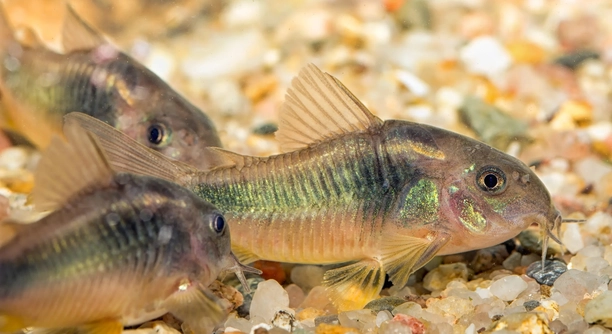
Do your Corydoras sometimes seem uncomfortable or inactive at the bottom of their tank, even though the water looks perfectly fine?
The best substrate for Corydoras catfish is soft, fine sand. This helps protect their delicate barbels and allows for natural foraging behavior, reducing stress and supporting long-term health.
From natural textures to fish-safe options, we’ll look at seven substrate types that can help create a healthier, more comfortable environment for your Corys.
Why Substrate Matters for Corydoras
Corydoras catfish spend most of their time at the bottom of the tank, using their barbels to search for food in the substrate. These small sensory organs are very sensitive and can be easily damaged by rough or sharp materials. If the substrate is too harsh, it can cause infections or wear down their barbels, leading to health problems. A soft, clean, and natural-feeling bottom layer is essential for their comfort and well-being. Corys also like to dig and sift through the substrate, which is part of their natural behavior. A proper substrate supports this and encourages activity. Choosing the wrong one may reduce their quality of life. Sand or smooth gravel are generally the most recommended choices. They mimic the conditions Corydoras would experience in their natural habitats.
Sand is often preferred by many keepers because of how gentle it is on the fish and how natural it looks in the tank.
When deciding on a substrate, it’s important to think about more than just appearance. Maintenance, particle size, and how it affects your fish should all be considered. Some substrates are easier to clean, while others may trap waste. It’s also helpful to think about how active your Corys are. Some may prefer to dig more than others.
Top 7 Substrate Choices for Corydoras
Fine sand is one of the safest and most natural options for Corydoras catfish. It’s smooth enough to prevent injury and allows them to dig freely without hurting their barbels.
- Pool Filter Sand – This is a clean, affordable sand with a smooth texture. It doesn’t compact too tightly and allows waste to stay on the surface, making cleaning easier.
- Play Sand (Washed) – Safe if well-rinsed, though it can sometimes compact and cause anaerobic pockets. Still, it’s gentle on barbels and looks natural.
- Black Diamond Blasting Sand – Often used by hobbyists, it’s budget-friendly and has a dark color that makes fish colors pop. Just make sure it’s sifted and cleaned well before use.
- Specialized Aquarium Sand – More expensive, but made specifically for aquarium use. It usually comes pre-washed and is very soft.
- Smooth Gravel (Small Grain) – Not always ideal, but if it’s truly smooth and rounded, it can work. Avoid anything sharp or jagged.
- Soil Substrates – These can be used in planted tanks but may be too messy or dusty. Use with caution and proper layering.
- Mixed Substrates – Some people mix sand and smooth gravel for texture, but this can be hard to clean and may trap debris. Use only if you’re experienced with tank care.
Things to Avoid When Choosing a Substrate
Avoid sharp or rough substrates, as they can harm your Corydoras’ barbels. Crushed coral, large jagged gravel, or anything with sharp edges should be kept out of their tank. These materials can cause irritation, injuries, and long-term health issues for bottom-dwelling fish like Corys.
Some substrates may also alter the water chemistry in ways that aren’t ideal for Corydoras. Crushed coral or aragonite, for example, can raise pH and hardness, which is not suited for these soft-water fish. Brightly colored artificial gravels often contain dyes or coatings that may flake off over time, potentially contaminating the water. Stick to natural, neutral-toned substrates whenever possible. It’s also best to avoid substrates that compact too tightly, like very fine dust-like sand, as this can lead to anaerobic spots under the surface, which can release harmful gases.
Improperly sized gravel should also be avoided. Large pieces may trap food and waste, which makes it harder to clean and can lead to water quality problems. Over time, this buildup may stress your fish and increase the risk of infections. If you do choose gravel, it must be small, rounded, and smooth. Always rinse any substrate thoroughly before adding it to your aquarium to remove dust and debris.
Tips for Keeping the Substrate Clean
A good maintenance routine makes a big difference. Use a siphon or gravel vacuum to remove uneaten food and waste that sits on top of the substrate. For sand, gently hover above the surface to avoid sucking it up. This helps keep the tank clean and your Corys healthy.
Corydoras don’t dig deep, but they do sift around constantly. Their movement helps stir the surface of the sand a bit, but it’s still important to manually clean it during water changes. Do not let waste sit for too long, as it can impact water quality. Try to spot-clean problem areas between water changes if needed. If you notice gas bubbles forming under the sand, gently poke the area with a stick to release the trapped gases. For planted tanks, be mindful not to disturb plant roots while cleaning. Regular substrate care prevents buildup and keeps the environment safe and comfortable for your Corydoras.
How Substrate Affects Corydoras Behavior
Corydoras are more active and playful when kept on a soft substrate. Sand lets them exhibit natural foraging habits, like sifting and digging. This not only keeps them entertained but also lowers stress and supports their overall health.
Rough or unsuitable substrates can make them less active. When their barbels are damaged, they may stop digging or foraging altogether. This leads to boredom and even poor feeding habits over time.
Matching Substrate to Tank Setup
For planted tanks, a layered setup works well—use nutrient-rich soil at the bottom and cap it with fine sand. This gives plants a solid base while keeping things safe for Corydoras. If the tank isn’t planted, sand alone is usually best. It looks natural and is easy to clean. Choose a color that matches your lighting and décor. In breeding tanks, keep it simple with a thin layer of sand to avoid trapping waste. No matter the setup, be sure water quality remains stable. Avoid deep substrates unless you’re experienced with proper aeration and cleaning methods.
Final Thoughts on Substrate Choice
Soft, clean, and natural substrates help your Corydoras stay active, safe, and healthy in the long run.
FAQ
What is the best substrate for Corydoras catfish?
The best substrate for Corydoras catfish is fine sand. It’s smooth and gentle on their barbels, which are sensitive. This type of sand mimics their natural environment, where they sift through soft sediment to forage. Smooth gravel with small particles can also work, but sand is generally preferred due to its softness and ability to be easily cleaned.
Can Corydoras live in gravel?
Corydoras can live in gravel, but it needs to be small, smooth, and rounded. Sharp or large gravel can damage their barbels, causing infections or stress. Avoid rough-edged gravel, as it can irritate their sensitive skin and impede their natural behaviors, such as foraging and burrowing.
Is sand better than gravel for Corydoras?
Yes, sand is often better than gravel for Corydoras. It’s soft on their barbels and allows them to dig and sift through it naturally, which is important for their health. Additionally, sand doesn’t trap debris as easily as gravel, making it easier to maintain a clean tank.
Do Corydoras prefer fine sand or coarse sand?
Corydoras prefer fine sand over coarse sand. Coarse sand can be too rough for their delicate barbels and may cause irritation or injury. Fine sand is soft, easy for them to sift through, and doesn’t pose a risk to their health. Make sure the sand is washed properly before adding it to the tank to avoid cloudiness.
Can Corydoras live in planted tanks with sand?
Yes, Corydoras can live in planted tanks with sand. In fact, sand works well in planted tanks because it doesn’t compact too tightly, allowing plant roots to grow. However, if you use sand in a planted tank, make sure it’s well-washed and not too fine, as overly fine sand can lead to anaerobic pockets and poor oxygen flow.
How often should I clean the substrate in my Corydoras tank?
It’s important to clean the substrate during each water change, typically once a week. Use a gravel vacuum or siphon to gently clean the sand or gravel, especially around plants or decorations where waste tends to accumulate. For sand, hover the siphon just above the surface to avoid sucking up too much of the substrate.
Can I use pool filter sand for Corydoras?
Yes, pool filter sand is a great option for Corydoras. It’s soft, fine, and affordable. Just make sure you thoroughly rinse it before placing it in the tank to remove any dust or debris. Pool filter sand is often ideal because it’s cheap and readily available, but be sure to avoid any variations that might be chemically treated.
Does sand affect water quality for Corydoras?
Sand can affect water quality if not maintained properly. It may trap waste on the surface if it isn’t cleaned regularly. However, when properly maintained, sand does not significantly impact water quality. Make sure to vacuum the sand frequently to prevent waste buildup and ensure proper water circulation. If you use fine sand, ensure that it doesn’t compact, as this could create dead zones where harmful gases accumulate.
Can Corydoras live in a tank with gravel and sand mixed together?
While it’s possible to use a mix of gravel and sand, it’s not always recommended for Corydoras. Mixed substrates can make cleaning difficult, as waste tends to get trapped between the gravel and sand. If you choose this option, ensure that the gravel pieces are small, smooth, and rounded to prevent damage to their barbels.
What’s the difference between sand and gravel for Corydoras?
The main difference is texture. Sand is much softer and smoother, making it ideal for Corydoras because it prevents barbel damage. Gravel, especially large or sharp gravel, can injure their barbels and affect their foraging behavior. Gravel can be an option if it’s smooth and small, but sand generally provides a safer and more natural environment for these fish.
Do Corydoras need a deep substrate?
Corydoras do not require a deep substrate. A thin layer, about 1-2 inches, is usually sufficient. A deep substrate could lead to oxygen-deprived areas, especially in sand, where organic waste may build up. Shallow layers make cleaning easier and reduce the risk of anaerobic pockets, helping maintain a healthier tank environment.
Can I use decorative gravels for Corydoras?
It’s not recommended to use decorative gravels, especially those with sharp edges or bright dyes. While they may look attractive, they can pose a risk to your Corydoras’ health by causing injury or stress. Stick to natural, smooth, and neutral-colored substrates to ensure a safe environment for your fish.
Should I change the substrate for my Corydoras?
It’s usually not necessary to change the substrate unless it’s causing issues. For example, if the sand becomes compacted or too dirty, or if you notice your Corydoras are having trouble moving around or foraging, it may be time to replace it. Always rinse new substrate thoroughly before adding it to the tank.
Can Corydoras live in an aquarium with no substrate?
While Corydoras technically can live in an aquarium with no substrate, it’s not ideal. They need a surface to interact with, forage through, and feel secure. A bare-bottom tank can also look unnatural, which might lead to stress for your fish. If you choose not to use substrate, consider adding plants and hiding spots to mimic their natural environment.
What are the benefits of using sand for Corydoras?
Sand offers several benefits for Corydoras, including being gentle on their barbels and supporting their natural digging behavior. It allows them to forage as they would in the wild and doesn’t trap waste as easily as gravel. Additionally, sand provides a more natural look to the tank and is easier to clean, reducing the chances of anaerobic zones forming.
Final Thoughts
Choosing the right substrate for your Corydoras catfish is an important decision that can impact their health and behavior. Corydoras are bottom-dwelling fish that rely heavily on their barbels to navigate and search for food. A smooth, soft substrate helps protect these delicate sensory organs, allowing your fish to exhibit natural behaviors like foraging and digging. While there are several options available, fine sand is generally the most recommended, as it is gentle on their barbels and mimics their natural habitat.
Other substrates, like smooth gravel, can work as well, but they need to be the right size and texture to avoid injury to your fish. It’s important to avoid sharp, jagged edges that could hurt your Corydoras. Substrates that are too large or rough can prevent them from moving freely and foraging, leading to stress and potential health issues. Similarly, substrates that compact too much, like very fine sand, can create anaerobic pockets, which can harm your fish and affect water quality. Always ensure that the substrate is properly cleaned and maintained to avoid waste buildup, which can negatively impact the tank environment.
In the end, selecting a substrate for your Corydoras boils down to understanding their natural needs and behaviors. Whether you choose sand or a carefully selected gravel, the key is to provide an environment that allows your fish to thrive. A suitable substrate helps them feel secure, encourages active behavior, and makes cleaning easier. By considering the size of the particles, the ease of maintenance, and the overall safety of the material, you can create the perfect habitat for your Corydoras.

Hello,
If you enjoy the content that we create, please consider saying a "Thank You!" by leaving a tip.
Every little bit helps us continue crafting quality advice that supports the health, happiness, and well-being of pets around the world, for pets of all shapes, sizes, and species.
We really appreciate the kindness and support that you show us!