
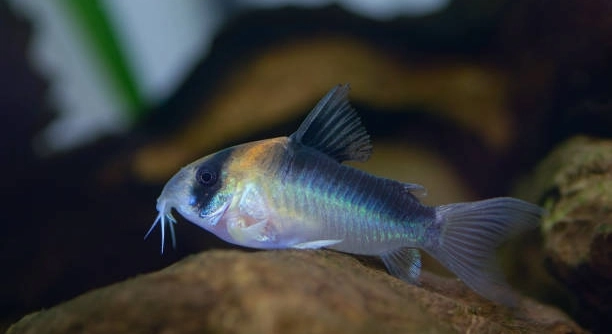
Corydoras catfish are friendly and peaceful fish, but sometimes they may act shy. Understanding their behavior can help ensure their well-being. In this article, we will cover the signs that indicate your Corydoras might be too shy.
A Corydoras catfish is considered too shy if it hides often, avoids interaction with tank mates, and shows little interest in food. Consistent lack of activity or social behavior can signal stress, discomfort, or health issues.
Learning the signs of shyness can make a big difference in how you care for your catfish. Understanding their needs helps improve their happiness and health in the long run.
Understanding Shyness in Corydoras Catfish
Corydoras catfish are known for being social and active in the tank. However, they can sometimes become shy, especially when placed in new or stressful environments. A shy Corydoras may hide frequently, swim less, and avoid interaction with other fish. Shyness can be caused by a variety of factors, including water quality, tankmates, or even changes in their environment. When these fish become too shy, they might not eat well or explore the tank, both of which are signs that something is off. While shy behavior can be normal, it’s important to keep an eye on these signs to ensure your fish’s health.
If your Corydoras is hiding for long periods, it may be more than just being shy. It can be an indication that the fish feels stressed or unwell.
To address this, make sure the water conditions are optimal. Check for temperature, pH, and ammonia levels to ensure they are within the ideal range. Poor water conditions are one of the leading causes of stress and shyness in fish. A clean, properly maintained tank can help ease any discomfort your Corydoras may be experiencing. Keep the environment calm, avoiding loud noises and sudden movements around the tank. Corydoras thrive when they feel safe in their surroundings.
Lack of Interest in Food
Corydoras are usually eager eaters, so if your fish isn’t showing interest in food, this can signal a problem. Stress or illness can cause a loss of appetite.
A decreased interest in food can be one of the first signs of stress in Corydoras catfish. If they are not eating or refusing treats, it may indicate that something in their environment is bothering them. You should first check the water quality, as poor water conditions can directly affect their appetite. Ammonia or nitrite spikes are particularly harmful, and these can cause your catfish to avoid food altogether. Additionally, tankmates that are too aggressive or too large can intimidate them, making them less likely to approach food.
When your Corydoras shows no interest in food, be sure to check its environment closely. Stress can have long-lasting effects on their health. You should also try feeding at different times or offering a variety of foods to see if the situation improves. If these measures don’t work, it could be a sign that the fish is sick or in need of veterinary attention. Always prioritize a proper environment to encourage your Corydoras to feel safe and eat properly.
Hiding Too Often
If your Corydoras catfish is hiding all the time, it could be a sign of discomfort. Fish naturally hide when they feel stressed or threatened.
Frequent hiding could be due to high water temperatures, poor tank conditions, or aggressive tankmates. Corydoras are bottom-dwelling fish that like to find small spaces to feel secure, but if they hide constantly, they might be avoiding certain stressors. Check for any changes in the environment, such as loud noises, new additions to the tank, or changes in water quality.
You can make them feel more secure by adding hiding spots like plants or caves, ensuring the environment remains calm and quiet. Sometimes, a stressed Corydoras just needs a little time to adjust, but if the hiding continues, it could indicate more serious issues. Keep monitoring them and make sure the tank is peaceful, with no sharp changes that could make them uneasy.
Lack of Movement
Corydoras are active swimmers, and a lack of movement is a concern. If your fish is spending too much time stationary, it’s likely stressed or unwell.
Inactive behavior can happen when a Corydoras feels unsafe, which may be due to poor water quality, inadequate tankmates, or illness. It’s important to observe if they are also having trouble breathing or swimming in a straight line. Corydoras tend to be quite playful, so if they’re not moving much, it’s crucial to address the issue.
If the water is poor or the tankmates are too aggressive, they may retreat and avoid swimming. You can fix the water quality with regular changes, while adding hiding places to help them feel more secure. However, if the problem persists after adjusting the environment, a visit to a specialist may be necessary to rule out any health concerns. Keep a close watch on their behavior for signs of improvement.
Unusual Breathing Patterns
If your Corydoras catfish is breathing heavily or erratically, this can indicate stress or poor water quality.
Fish typically breathe calmly, so any noticeable change in their breathing pattern should be addressed immediately. Heavy breathing could be a sign of low oxygen levels or ammonia poisoning, both of which are harmful to your fish.
Testing the water for toxins like ammonia or nitrite is crucial. You can improve oxygen levels by ensuring proper tank filtration or adding an air stone. If breathing doesn’t normalize after adjusting the tank, the fish may have a health issue that requires further attention.
Aggressive Tankmates
Aggression in other fish can make your Corydoras shy or fearful. If they feel threatened, they will often hide or swim less.
Adding more peaceful tankmates or removing aggressive ones can help your Corydoras feel secure. Fish like tetras or small peaceful species can coexist better with them, reducing stress.
Slow Response to New Stimuli
If your Corydoras catfish doesn’t react to changes in the environment, it could be a sign of shyness or stress. They are usually curious but may withdraw if stressed.
This lack of response might point to either fear of new objects or discomfort in the tank. Keep the environment stable to help your fish adjust and feel more at ease.
FAQ
Why is my Corydoras catfish staying at the bottom of the tank?
Corydoras are bottom-dwelling fish, so it’s natural for them to spend most of their time on the bottom of the tank. However, if they’re staying there more than usual or seem lethargic, it could indicate a problem. Stress, poor water quality, or illness can cause them to remain inactive. Check for any signs of aggression from tankmates, as this can also cause them to retreat. Poor water conditions, like high ammonia levels or low oxygen, can also make them stay at the bottom. It’s important to maintain clean water and ensure the tank is peaceful.
How can I tell if my Corydoras is stressed?
Stress in Corydoras catfish can be identified by certain behaviors. If they are hiding often, not eating, or breathing heavily, these are signs of stress. Shy behavior is normal to some extent, but prolonged periods of hiding or inactivity suggest something is wrong. Additionally, if your Corydoras is frequently swimming erratically or staying near the surface of the water, it’s a clear sign that they may be stressed. It’s crucial to address potential stress factors, such as water quality, tankmates, or environmental changes, to help your fish recover.
Can Corydoras catfish survive in dirty water?
Corydoras are quite sensitive to poor water conditions. While they are hardy fish, they cannot survive in dirty water for long. Ammonia, nitrites, and nitrates build up in dirty water, making it toxic for your fish. This can lead to stress, disease, and even death. Regular water changes, proper filtration, and monitoring water parameters are necessary to keep your Corydoras healthy. Maintaining clean water helps reduce stress and ensures a safe, comfortable environment for your catfish.
Do Corydoras catfish get along with other fish?
Yes, Corydoras catfish are peaceful and typically get along with other fish, especially those that are calm and non-aggressive. They are social fish and thrive in groups, so adding a few others can make them feel more secure. Avoid keeping them with larger or more aggressive fish, as this can cause stress and may lead to hiding behavior. Corydoras also do well with smaller, peaceful species like tetras or guppies. When choosing tankmates, ensure that all species are compatible to maintain a peaceful tank.
What should I do if my Corydoras isn’t eating?
If your Corydoras isn’t eating, it’s important to figure out the cause. Stress, poor water quality, and aggressive tankmates can make them lose their appetite. Try adjusting the water temperature, testing for toxins, or adding hiding spots to help them feel more secure. You can also try offering a variety of food to see if that sparks their interest. If your Corydoras continues to refuse food, it could be a sign of illness. In this case, you may want to consult with a veterinarian to rule out any health problems.
How do I improve water quality for my Corydoras catfish?
Improving water quality for Corydoras catfish involves regular maintenance and monitoring. Perform routine water changes, at least 25-30% every week, to remove toxins. Use a good filtration system to keep the water clear and oxygenated. Test the water regularly for ammonia, nitrites, and nitrates, ensuring they remain at safe levels. The ideal water temperature for Corydoras is between 72-78°F (22-26°C). Additionally, avoid overfeeding, as leftover food can pollute the water. Keeping the tank clean and stable will reduce stress and help your Corydoras thrive.
Can Corydoras catfish live with other bottom-dwelling fish?
Yes, Corydoras catfish can coexist with other bottom-dwelling fish as long as they are peaceful. Species like loaches or certain species of plecos can be kept with Corydoras without issues. However, it’s essential to ensure that tankmates do not compete too much for the same space or food. Corydoras are generally non-aggressive and enjoy sharing the bottom of the tank, but overcrowding or aggressive behaviors from other fish could cause them to become stressed or shy. Choose tankmates that are compatible in both behavior and size to keep your Corydoras comfortable.
What kind of tank setup is best for Corydoras catfish?
Corydoras catfish prefer a tank that mimics their natural environment. A tank with soft, sandy substrate is ideal since they like to dig and forage. Provide plenty of hiding spots, such as caves or plants, to help them feel secure. Make sure the tank has good filtration to keep the water clean, but avoid strong currents that could stress your fish. Corydoras are also social creatures, so keeping them in groups of at least three or more will make them feel safer. A peaceful environment with stable water conditions is key to keeping your Corydoras happy and healthy.
How often should I feed my Corydoras catfish?
Corydoras catfish should be fed once or twice a day, depending on their age and size. They are bottom feeders and enjoy eating food that sinks, such as pellets or wafers specifically designed for them. Overfeeding should be avoided as uneaten food can pollute the tank. Watch them closely while feeding to ensure that all of them are getting enough to eat. Providing a varied diet, including occasional treats like frozen bloodworms or brine shrimp, can also help keep them healthy and happy. Make sure to remove any uneaten food after feeding to maintain water quality.
Why is my Corydoras catfish swimming at the surface?
Corydoras catfish usually stay near the bottom of the tank, but if they’re swimming at the surface, it could be a sign of oxygen deficiency or water quality issues. Poor oxygen levels are a common cause of this behavior. Ensure your tank is well-oxygenated by using a good filter and possibly an air stone. It could also indicate a problem with the water, such as high ammonia or nitrate levels. Test the water parameters and make any necessary adjustments. If the issue persists, check for other environmental stressors or consult a specialist.
How can I tell if my Corydoras is sick?
Sick Corydoras catfish may show several signs, including lethargy, loss of appetite, and abnormal swimming patterns. Look for changes in their behavior, such as staying near the surface or hiding more than usual. Physical signs like faded colors, frayed fins, or swelling can also indicate illness. If you notice any of these symptoms, it’s essential to check the water quality and consult with a vet if the condition doesn’t improve. Timely intervention can help prevent the spread of diseases and ensure your Corydoras stays healthy.
Final Thoughts
Corydoras catfish are usually peaceful and social, but when they become shy, it can be a sign of stress or discomfort. Recognizing the signs early can help you address any issues before they get worse. It’s important to pay attention to their behavior, such as hiding, loss of appetite, or unusual swimming patterns. These signs can often point to problems like poor water quality, aggressive tankmates, or environmental stressors. By making sure your tank is well-maintained and your Corydoras feel safe, you can help them thrive.
Maintaining good water quality is key for keeping your Corydoras healthy. Regular water changes, proper filtration, and testing for harmful substances like ammonia and nitrites should be part of your regular tank maintenance routine. Additionally, keeping the tank quiet and calm will help your fish feel secure. Corydoras catfish tend to do well in peaceful environments, so choosing compatible tankmates is crucial. A stress-free environment with stable water conditions will ensure your catfish are happy and active.
If you notice your Corydoras acting overly shy or inactive, it’s a good idea to investigate potential stress factors. Whether it’s a problem with the water, aggressive tankmates, or health issues, identifying the cause and making changes is essential. Shyness in Corydoras can sometimes be a temporary response to changes, but if it lasts, it’s important to take action. By providing the right environment and being attentive to their needs, you’ll create a space where your Corydoras can thrive.

Hello,
If you enjoy the content that we create, please consider saying a "Thank You!" by leaving a tip.
Every little bit helps us continue crafting quality advice that supports the health, happiness, and well-being of pets around the world, for pets of all shapes, sizes, and species.
We really appreciate the kindness and support that you show us!