
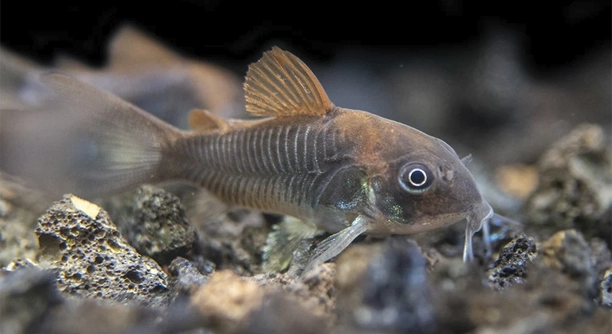
Corydoras catfish are popular in aquariums due to their unique behavior and appearance. One of their most fascinating features is the presence of spines. Understanding the role of these spines is crucial for any aquarium enthusiast.
The spines on Corydoras catfish are primarily defensive. They are part of the fish’s pectoral fins and can be extended when the catfish feels threatened, providing protection from predators. These spines deter potential threats and help the fish survive in the wild.
The spines serve as a natural defense mechanism and play a role in the fish’s ability to thrive in various environments.
The Function of Spines in Corydoras Catfish
Corydoras catfish are well-known for their spines, which extend from their pectoral fins. These spines are more than just an interesting feature; they serve a vital purpose. When threatened, the spines help protect the fish from predators. By locking into place, they make it difficult for a predator to swallow the catfish. This defense mechanism has been essential for the survival of these small fish in their natural habitat, where they are often preyed upon by larger animals.
The spines also serve another important function beyond protection. They help the catfish maintain balance and stability when swimming. As Corydoras catfish are bottom dwellers, the spines assist in keeping them firmly anchored to the substrate, reducing the chances of being swept away by currents.
Understanding how these spines contribute to the catfish’s survival offers insight into how each part of its anatomy serves a purpose. The evolution of this feature demonstrates how organisms adapt to their environments for optimal protection and survival.
Additional Uses of the Spines
These spines aren’t just for defense. They are also believed to play a role in the catfish’s communication. Some studies suggest that Corydoras may use their spines in interactions with others of their species. This adds an interesting layer to their social behavior, highlighting how physical features can influence communication and cooperation within a species.
Another notable fact is that Corydoras catfish rely on their spines for hunting. As scavengers, they use their spines to stir up debris on the bottom of the tank or riverbed, revealing hidden food sources. This ability to uncover hidden meals helps them survive in environments where food might be scarce.
Overall, the spines are multifunctional tools that contribute to the catfish’s ability to survive and thrive in both natural and aquarium settings. Whether for protection, communication, or feeding, these spines prove essential for the species’ survival and adaptability.
How the Spines Affect Their Behavior
The spines of Corydoras catfish also influence their behavior in the tank. When they feel threatened, the spines are quickly extended as a sign of defense. This behavior is instinctual and helps the catfish appear larger and more intimidating to any potential threats. In a community tank, this reaction is often triggered by the presence of a larger or more aggressive fish.
These spines make the Corydoras more cautious in their interactions with tankmates. They tend to be more active during feeding times but will retreat to their hiding spots if they sense danger. Their natural instinct to stay low and avoid confrontation keeps them out of harm’s way.
Interestingly, Corydoras may also display unique movements when interacting with other species. They use their spines to push against tank objects or gently prod other fish, showing how they communicate and express themselves in their environment.
Impact on Tank Maintenance
Corydoras catfish are known for their bottom-dwelling habits, and the presence of spines adds to their efficiency as scavengers. They help keep the tank clean by stirring up debris, which allows them to find food in the substrate. Their constant foraging behavior also benefits the overall tank ecosystem, as it helps prevent the buildup of detritus.
However, it’s important to be cautious when handling these fish during tank maintenance. The spines can cause injury if accidentally touched or handled roughly. To avoid any harm, it’s best to approach them gently and allow them to swim freely while cleaning the tank.
The spines also play a role in maintaining the catfish’s health. If they are damaged or broken, it can affect the catfish’s ability to defend itself and impact its overall well-being. Therefore, proper care should be taken to prevent injury during routine tank activities.
Spines and Feeding Behavior
Corydoras catfish use their spines to help with feeding. They often stir up the substrate, uncovering hidden food sources. This behavior allows them to find small organisms that others might miss. Their spines work together with their whiskers to sift through the sand and debris.
While foraging, Corydoras rely on their spines to help them move through the tank. They often use the spines to anchor themselves to the substrate, making it easier to dig and explore. This helps them locate hidden food in aquariums or their natural habitats where food is buried under layers of debris.
Their feeding behavior is essential for their survival, as it allows them to access a variety of food sources in both aquarium and wild environments. This unique technique helps them thrive in various tank conditions, where other fish may struggle to find food.
Spines and Defense Mechanisms
When threatened, Corydoras catfish extend their spines as a defensive mechanism. This helps protect them from predators by making it difficult for them to be swallowed. In addition to this, the sharp spines can cause discomfort or injury to predators, making them think twice about attacking.
These spines are crucial for survival, especially in the wild, where these catfish are often preyed upon by larger fish. The spines serve as a deterrent, giving the catfish a better chance to escape danger. In an aquarium, their defensive behavior remains just as important, especially in tanks with more aggressive species.
Spines and Reproductive Behavior
Corydoras catfish are known to use their spines during reproduction. The spines can assist in the courtship process, where males often display their extended spines to attract females. This behavior highlights how the spines are not only used for defense but also play a role in social and mating interactions.
FAQ
Why do Corydoras catfish have spines?
Corydoras catfish have spines for protection. The spines, located on their pectoral fins, extend when the fish feels threatened. This defensive mechanism makes it harder for predators to swallow the catfish, giving them a better chance of survival. The spines also serve other purposes, such as helping the fish maintain balance when swimming and assisting in foraging for food by stirring up debris.
Do Corydoras catfish use their spines for hunting?
Yes, Corydoras catfish use their spines while foraging for food. They often stir up debris on the tank’s bottom with their spines to uncover small food particles, such as worms, insects, or algae. This helps them find hidden food sources that are buried under the substrate. Their ability to sift through sand and substrate is one reason they are such efficient scavengers.
Are Corydoras catfish aggressive?
Corydoras catfish are generally peaceful and non-aggressive. They are social fish that thrive in groups, often interacting with other species in a calm manner. Their spines are used more for defense rather than aggression. They rarely cause harm to other fish and tend to avoid conflict when possible.
How do Corydoras catfish communicate?
Corydoras catfish communicate using various methods. They often use their spines to display certain behaviors, especially during mating or territorial disputes. These fish also communicate through body language, such as swimming close together in a group, or by producing subtle sounds that other fish can detect. Their spines help them communicate by adding visual cues that signal their readiness for defense or mating.
Can Corydoras catfish live with other fish?
Yes, Corydoras catfish are peaceful and can live with other fish, as long as the tank mates are not overly aggressive. They typically get along well with other bottom-dwelling fish and even species that swim in the middle or top layers of the tank. However, it’s best to avoid housing them with very aggressive or large species, as these can stress the catfish.
Do the spines of Corydoras catfish ever cause injury?
While Corydoras catfish are generally harmless to humans, their spines can cause injury if not handled carefully. The spines are sharp and can cause discomfort or minor scratches if touched or grabbed suddenly. It’s best to handle these fish with care, or even better, avoid direct handling unless necessary. Always be cautious when performing tank maintenance to avoid injuring the fish or yourself.
How do Corydoras catfish use their spines during breeding?
During breeding, the spines of Corydoras catfish are used in their courtship rituals. Males often display their extended spines to attract females, demonstrating strength and health. The spines play a role in signaling their readiness to mate, and the behavior helps ensure that only the most suitable mates are chosen. These physical cues are essential for reproduction in the species.
Do Corydoras catfish need a special diet?
Corydoras catfish are omnivores and do not require a special diet. They thrive on a mix of foods, including sinking pellets, small live foods like bloodworms, and plant matter. They are scavengers by nature, often picking through the substrate to find food. To keep them healthy, provide a balanced diet with a variety of protein and vegetable-based foods.
Are Corydoras catfish suitable for beginners?
Yes, Corydoras catfish are great for beginner aquarium hobbyists. They are hardy, easy to care for, and tolerant of various water conditions. These fish do best in schools, so it’s recommended to keep at least three or four together. Their peaceful nature and ease of care make them a popular choice for new aquarists.
Do Corydoras catfish need a tank with a lid?
It’s not absolutely necessary to have a lid on a Corydoras tank, but it’s a good idea. Corydoras catfish are not jumpers, but they can sometimes be startled or confused by sudden movements. A lid can help prevent potential escapes if they do make an unexpected leap. A lid also helps maintain consistent water conditions by preventing evaporation.
How do I care for Corydoras catfish in my aquarium?
To care for Corydoras catfish, provide them with a well-maintained tank that has soft, slightly acidic to neutral water. A tank with smooth substrate, such as sand, will allow them to forage comfortably. Make sure to keep the tank clean and perform regular water changes to ensure optimal health. Since they are social fish, keeping a group of at least three or four is recommended.
Do Corydoras catfish prefer a certain type of substrate?
Yes, Corydoras catfish prefer smooth, fine sand or small, smooth gravel as their substrate. Their spines and whiskers help them sift through the substrate, and rough or sharp materials can harm their delicate barbels. It’s important to choose substrate that allows them to dig without causing injury to their bodies or spines.
Can Corydoras catfish live with shrimp?
Yes, Corydoras catfish can live with shrimp in most cases. They are not typically aggressive toward shrimp and will coexist peacefully. However, it’s essential to ensure that the shrimp are not too small, as they could be eaten by larger Corydoras. Also, the spines of the catfish should be taken into account when considering tank mates.
How often should I feed Corydoras catfish?
Corydoras catfish should be fed once or twice a day. It’s important not to overfeed them, as excess food can lead to poor water quality and health issues. Offer a small amount of sinking pellets, supplemented with occasional live or frozen food like bloodworms. They will also scavenge for food in the substrate, which helps keep their diet balanced.
Final Thoughts
Corydoras catfish are fascinating creatures that play a significant role in the aquatic environment. Their spines serve multiple functions, from providing protection against predators to aiding in feeding and communication. While their sharp spines might seem intimidating at first, they are essential to the catfish’s survival. These spines help the fish stay safe from larger predators and also allow them to scavenge for food in the substrate. It’s clear that the spines are a vital aspect of their behavior and biology, making them well-adapted to their surroundings.
As peaceful and social creatures, Corydoras catfish are ideal for community tanks. They thrive in schools, which helps them feel secure and reduces stress. Their gentle nature allows them to coexist with a variety of tank mates, from other small fish to shrimp, without causing harm. However, it’s important to choose appropriate tankmates that won’t disturb or threaten them. Their need for clean, well-maintained tanks with a suitable substrate is also crucial for their overall health and happiness. Corydoras catfish can be a great addition to a beginner’s aquarium, as they are easy to care for and require minimal attention once their basic needs are met.
Understanding the role of spines in the life of Corydoras catfish gives us a deeper appreciation of these small but resilient fish. Their unique adaptations allow them to navigate their environment effectively, whether they are searching for food, defending themselves, or engaging in breeding behaviors. These catfish are not just passive creatures but active participants in their ecosystems, contributing to the health of their habitat. Their spines, while often overlooked, are a crucial part of their survival toolkit, helping them thrive in both the wild and in aquariums.

Hello,
If you enjoy the content that we create, please consider saying a "Thank You!" by leaving a tip.
Every little bit helps us continue crafting quality advice that supports the health, happiness, and well-being of pets around the world, for pets of all shapes, sizes, and species.
We really appreciate the kindness and support that you show us!