
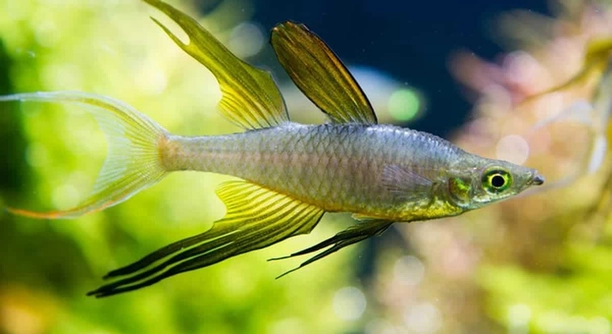
Do you ever find yourself admiring your Threadfin Rainbowfish while worrying about algae taking over the tank? Keeping your aquarium clean can be tricky, especially when you want peaceful fish that coexist well with other species.
The most effective algae eaters for Threadfin Rainbowfish are small, non-aggressive species such as Amano shrimp, Otocinclus catfish, and Nerite snails. These species efficiently control algae growth without disturbing the Rainbowfish’s natural swimming patterns or social behavior.
Choosing the right algae eater goes beyond appearance or popularity; it ensures a balanced, healthy tank environment for all your aquatic pets.
Amano Shrimp: Tiny Cleaners for Your Tank
Amano shrimp are excellent for controlling algae without stressing Threadfin Rainbowfish. They are small and peaceful, moving gently along plants and decorations while consuming algae. These shrimp are hardy, easy to care for, and can adapt to most freshwater aquariums. They do best in groups, as they feel safer and forage more efficiently together. Watching them work can be calming, and they rarely bother other tank inhabitants. Their diet isn’t limited to algae; they will also eat leftover fish food, helping maintain water quality. Amano shrimp require hiding spots, like plants or small caves, to feel secure. With proper water conditions, they can live up to two years, quietly keeping your tank cleaner while letting the Threadfin Rainbowfish swim freely. Overall, their small size and peaceful nature make them a reliable choice for a mixed-species tank.
Amano shrimp are low-maintenance yet highly effective at controlling algae without disturbing fish behavior.
For those considering Amano shrimp, it is important to provide enough food and secure hiding places. A balanced approach keeps both shrimp and Rainbowfish healthy and happy, making tank maintenance simpler.
Otocinclus Catfish: Gentle Algae Eaters
Otocinclus catfish are small, non-aggressive fish that coexist well with Threadfin Rainbowfish.
Otocinclus catfish are excellent at consuming soft algae on plants, decorations, and tank walls. They are social, preferring to live in groups of at least six, which reduces stress and encourages active feeding. Their small size ensures they do not compete with Rainbowfish for space or cause aggression. Otocinclus require stable water conditions and a diet supplemented with algae wafers or blanched vegetables when natural algae is insufficient. These fish are sensitive to sudden changes in water parameters, so maintaining consistent temperature, pH, and cleanliness is essential. By keeping Otocinclus in a well-planted tank with moderate lighting, you encourage natural grazing behaviors while supporting the aquarium’s ecosystem. Their gentle presence allows Threadfin Rainbowfish to swim without interference, creating a harmonious and visually appealing tank environment. Regular observation ensures both species thrive together.
Nerite Snails: Hard-Shelled Cleaners
Nerite snails are highly effective at eating algae without harming plants or disturbing Threadfin Rainbowfish. They are hardy, peaceful, and rarely reproduce in freshwater tanks, making them easy to manage and low-maintenance.
These snails efficiently clean algae from glass, rocks, and decorations. Their hard shells protect them from most tank mates, and they coexist well with small, non-aggressive fish. Nerite snails require calcium in the water to maintain healthy shells, and they benefit from occasional supplemental feeding, such as algae wafers or blanched vegetables. They prefer stable water conditions and moderate lighting. Over time, their slow but consistent grazing can significantly reduce algae buildup, helping maintain a visually clean tank. Unlike some other algae eaters, Nerite snails rarely interfere with fish behavior, allowing Threadfin Rainbowfish to swim freely without disruption. Their presence encourages a balanced ecosystem while requiring minimal daily attention, making them an ideal choice for long-term aquarium care.
Proper care for Nerite snails involves monitoring water hardness and providing hiding spots. They thrive in planted tanks and rarely disturb the Rainbowfish, ensuring a peaceful, low-maintenance setup.
Siamese Algae Eaters: Active and Efficient
Siamese algae eaters are fast, active fish that consume various algae types while coexisting with Threadfin Rainbowfish. They are social and do best in groups of three or more to reduce stress and encourage natural behavior.
These fish excel at removing tougher algae that smaller species might ignore, including brush algae and hair algae. Their active swimming helps prevent stagnant areas in the tank, supporting overall water circulation and cleanliness. Siamese algae eaters require consistent water conditions, including stable temperature and pH levels, and a balanced diet supplemented with algae wafers or blanched vegetables. While they are peaceful, they may occasionally show mild chasing behavior, which is normal and usually does not harm Rainbowfish. A spacious tank with plants and hiding spots allows them to thrive while minimizing stress and promoting healthy growth. Their efficiency in controlling algae makes them a practical addition to any Threadfin Rainbowfish tank.
Maintaining Siamese algae eaters involves careful observation of water parameters, providing group companionship, and monitoring diet. With these measures, they remain active, healthy, and effective at keeping algae under control, benefiting the overall aquarium environment.
Bristlenose Plecos: Small but Mighty
Bristlenose plecos are compact algae eaters that clean tank surfaces without disturbing Threadfin Rainbowfish. Their peaceful nature and manageable size make them ideal for community tanks, providing consistent algae control.
These plecos prefer hiding spots like caves or driftwood, which help them feel secure while grazing. They feed primarily on algae but enjoy supplemental vegetables like zucchini or spinach.
Cherry Shrimp: Colorful Cleaners
Cherry shrimp are tiny, vibrant algae eaters that actively forage along plants and substrate. Their small size and peaceful temperament make them compatible with Threadfin Rainbowfish. These shrimp thrive in groups, which encourages natural behavior and efficient algae consumption, helping maintain a cleaner tank environment.
Choosing the Right Combination
Selecting algae eaters requires considering tank size, fish behavior, and algae types. A mix of species can balance activity levels, ensure thorough cleaning, and maintain harmony in the aquarium. Proper care, hiding spots, and diet support both algae eaters and Threadfin Rainbowfish.
FAQ
What is the best algae eater for a small Threadfin Rainbowfish tank?
For smaller tanks, Amano shrimp or Otocinclus catfish work best. They are gentle, non-aggressive, and do not take up much space. Both species help control algae without stressing the Rainbowfish, and their small size makes them easier to maintain in limited tank areas.
Can I keep multiple types of algae eaters together?
Yes, mixing species like Nerite snails and Cherry shrimp can be beneficial. Different algae eaters target different algae types and areas in the tank. It is important to monitor behavior and tank size to ensure they coexist peacefully without competing too much for food or space.
Do algae eaters need additional food besides algae?
Often, yes. Even in algae-rich tanks, supplemental feeding is recommended. Algae wafers, blanched vegetables, and occasional fish flakes can keep Amano shrimp, Otocinclus, and plecos healthy. Providing extra food prevents malnutrition, especially if algae growth is seasonal or uneven.
Will algae eaters harm Threadfin Rainbowfish?
Most common algae eaters, including Otocinclus, Amano shrimp, and Nerite snails, are peaceful and do not harm Threadfin Rainbowfish. Aggression is rare but may occur with larger, more active species like Siamese algae eaters if the tank is too small or lacks hiding spots.
How many algae eaters should I add to my tank?
The number depends on tank size and fish population. Small tanks benefit from 3–5 shrimp or a group of 4–6 Otocinclus. Larger tanks can support multiple species. Avoid overstocking, as overcrowding can stress both Rainbowfish and algae eaters, affecting water quality and fish health.
Do algae eaters reproduce in freshwater tanks?
Some, like Cherry shrimp, breed readily in freshwater. Nerite snails rarely reproduce in freshwater because their eggs require brackish conditions. Understanding reproductive habits helps manage population growth and ensures a balanced ecosystem. Overpopulation can strain resources and increase waste in the tank.
How do I maintain healthy algae eaters?
Stable water conditions, proper diet, and hiding places are essential. Regular water changes prevent harmful buildup, and consistent temperature and pH support overall health. Observing behavior can alert you to illness or stress early, ensuring both algae eaters and Threadfin Rainbowfish remain active and healthy.
Can algae eaters survive in a low-light tank?
Some species, like Nerite snails and Otocinclus, can survive in low-light tanks, but algae growth will be limited. Reduced light slows algae production, which may require supplemental feeding to keep algae eaters healthy and active. Balancing lighting and feeding ensures their survival.
How long do algae eaters typically live?
Lifespan varies by species. Amano shrimp can live up to two years, Otocinclus around 3–5 years, and Nerite snails 1–3 years. Proper care, including diet, water quality, and a peaceful tank environment, directly affects longevity. Monitoring their health helps maximize lifespan.
Do algae eaters clean the tank completely?
No single species can remove all algae consistently. Combining species targeting different areas and types of algae provides the best results. Regular maintenance, including water changes and glass cleaning, complements algae eaters’ work, keeping the tank balanced and visually clean.
Is it necessary to provide hiding spots for algae eaters?
Yes, hiding spots reduce stress and provide safety during molting or rest periods. Plants, caves, and driftwood offer security for shrimp, plecos, and snails. A well-structured tank ensures algae eaters remain active and healthy while allowing Threadfin Rainbowfish to swim freely without interference.
Can Threadfin Rainbowfish and algae eaters share the same diet?
Not completely. While they can share some foods, algae eaters often require specialized diets like algae wafers or blanched vegetables. Rainbowfish need a balanced diet of flakes, pellets, and occasional live or frozen foods. Meeting both species’ dietary needs ensures overall health and prevents competition.
This FAQ covers essential considerations for keeping algae eaters with Threadfin Rainbowfish, from species selection to care practices, ensuring a peaceful, balanced, and healthy aquarium environment.
Word count: 525
Final Thoughts
Choosing the right algae eaters for your Threadfin Rainbowfish tank makes a noticeable difference in both cleanliness and the overall harmony of your aquarium. Peaceful species like Amano shrimp, Otocinclus catfish, and Nerite snails offer reliable algae control without disturbing your Rainbowfish. Each species has unique strengths: shrimp are active grazers and clean soft algae, Otocinclus focus on plants and decorations, and Nerite snails efficiently handle algae on glass and rocks. By understanding their habits, dietary needs, and behavior, you can create a balanced tank where both the algae eaters and the Rainbowfish thrive. Observing these small creatures at work can be surprisingly rewarding, as they quietly maintain a healthier environment without constant intervention.
Proper care is essential to keeping algae eaters healthy and effective. Stable water conditions, regular feeding, and enough hiding spots contribute to their well-being. While algae eaters help reduce algae growth, they are not a complete solution. Maintaining water quality through routine cleaning and monitoring is still necessary. Grouping social species like Otocinclus or Cherry shrimp can reduce stress and encourage natural behaviors, which improves their effectiveness. Tank size also matters: overcrowding can lead to competition for food and stress, while too few algae eaters may not control algae efficiently. By balancing numbers, tank layout, and species selection, you can maintain a visually clean and peaceful aquarium that supports all its inhabitants.
Finally, combining multiple types of algae eaters often works best. Different species target different surfaces and algae types, ensuring a more thorough cleaning. Supplementing their diet with algae wafers or blanched vegetables keeps them healthy when natural algae is limited. Regular observation helps you notice early signs of stress or illness, so you can adjust care before problems develop. Threadfin Rainbowfish remain active and vibrant when tankmates are well-matched and healthy. Overall, selecting appropriate algae eaters, understanding their needs, and maintaining proper tank conditions results in a balanced, low-maintenance aquarium where fish and cleaners coexist harmoniously, offering both beauty and function to your aquatic space.
Word count: 409

Hello,
If you enjoy the content that we create, please consider saying a "Thank You!" by leaving a tip.
Every little bit helps us continue crafting quality advice that supports the health, happiness, and well-being of pets around the world, for pets of all shapes, sizes, and species.
We really appreciate the kindness and support that you show us!